VS

VW ID.Polo vs VW ID.3 comparison

Compare performance (211 HP vs 231 HP), boot space and price (21,400 £ vs 29,100 £ ) at a glance. Find out which car is the better choice for you – VW ID.Polo or VW ID.3?

VW ID.Polo vs VW ID.3: Key differences

VW ID.Polo

  • noticeably cheaper
  • barely more efficient
  • clearly lighter
  • a bit more trunk space
details

VW ID.3

4.8 (6 Reviews)
rate
  • marginally more power
  • noticeably more electric range
details

All details on performance, efficiency, range and trunk space can be found in the technical comparison below – including user reviews for both models.

By Achim Sedelmaier

ID.Polo

Head-to-head: VW ID.3 VS VW ID.Polo — which VW fits your daily life?

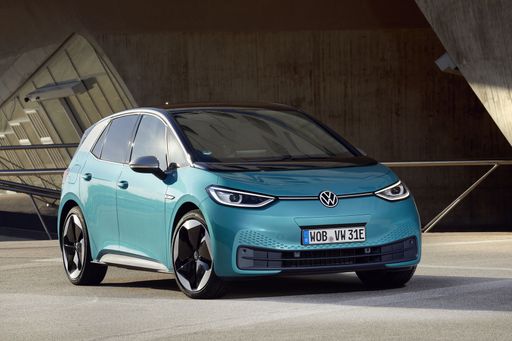
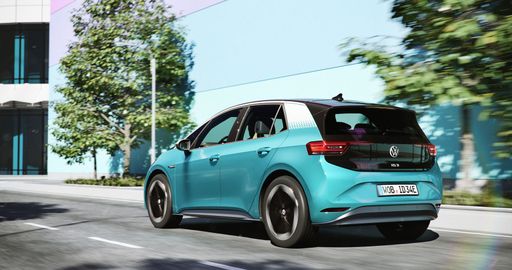
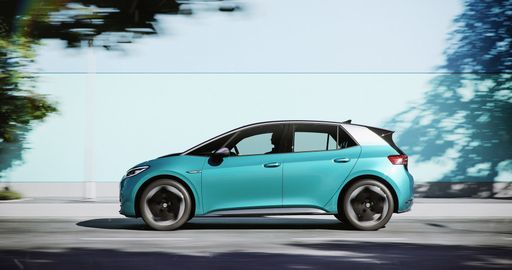
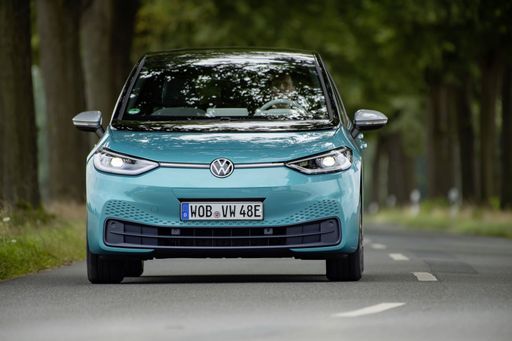
VW ID.3 and VW ID.Polo sit close in the same electric family but they answer different questions for buyers. The ID.3 arrives with a more grown-up road presence and longer real-world range geared toward longer commutes and motorway work, while the ID.Polo pushes practicality, simple ergonomics and a surprising amount of luggage space in a smaller footprint. Both feel quietly composed, yet their characters diverge: the ID.3 leans toward serene long-distance manners, the ID.Polo toward pragmatic urban usability. Read on to see how those differences play out where they matter most: comfort, cabin usability, practicality and everyday ownership.
ID.3

Character and city vs. motorway behavior

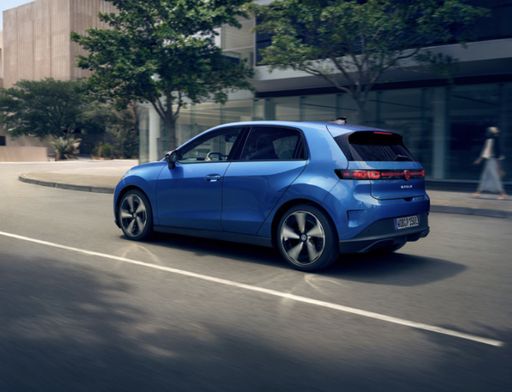
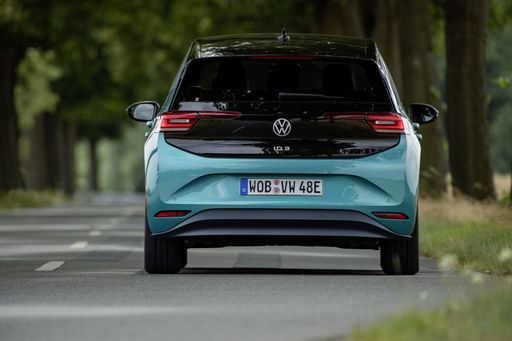
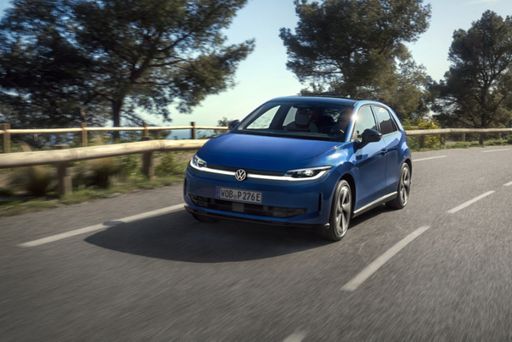
The VW ID.3 behaves like a compact, relaxed cruiser — calm acceleration, low noise and systems that smooth long runs, so it feels confident on the motorway. The VW ID.Polo is more of a city-first tool: lighter on its feet, easier to place in traffic and with a more immediate on/off feeling that suits tight streets and frequent stops. If you plan long stretches between chargers the ID.3’s emphasis on longer range and motorway refinement will pay off, whereas the ID.Polo rewards short trips, tight parking and predictable daily routes. Both are comfortable at urban speeds, but the trade-off is clear: ID.3 for composed high-speed travel, ID.Polo for everyday agility and simplicity.

ID.Polo

Cabin feel, controls and perceived quality

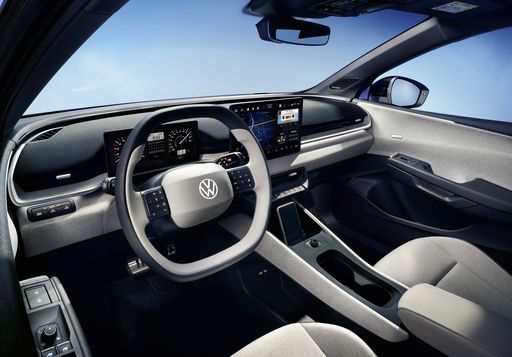
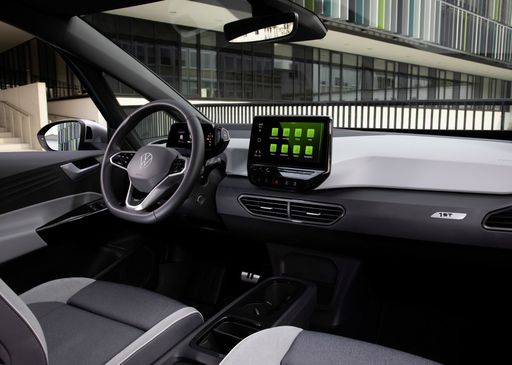
Inside, the VW ID.3 shows the benefits of its recent refresh: softer surfaces and a more premium touch that lift the overall impression compared with earlier family EVs. The VW ID.Polo deliberately goes the other way with clearer, more tactile controls—real buttons and a straightforward layout that fewer drivers will fight with. Infotainment in the ID.3 has improved but can still feel layered and occasionally fussy; the ID.Polo’s interface and physical controls favour instant usability over show. The net effect is that ID.3 feels slightly more upmarket, while ID.Polo feels more intuitive in daily life—both comfortable, just with different priorities.

ID.3

Practicality and family usability

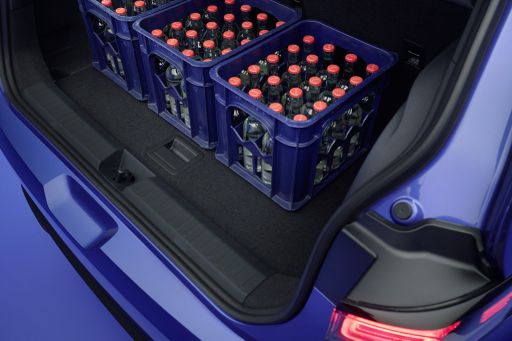
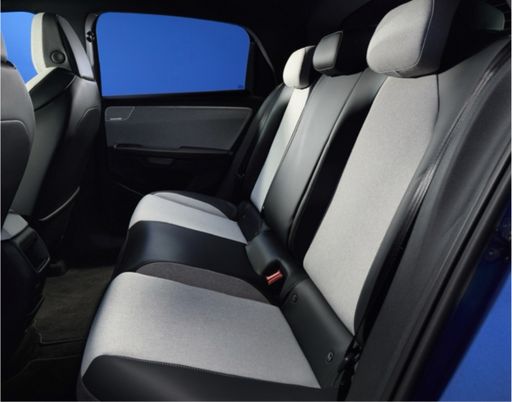
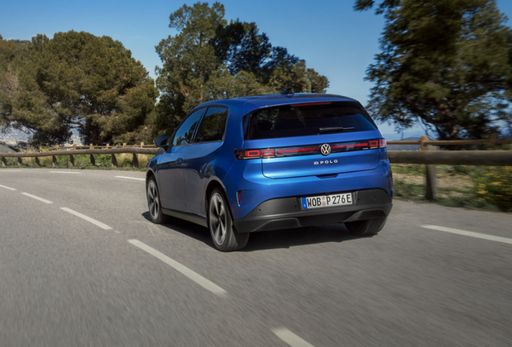
For families and luggage, the VW ID.Polo is a surprise: its boot and underfloor solutions give it class-leading everyday practicality that makes shopping, buggy loading and weekend kit much less of a puzzle. The VW ID.3 compensates with a roomier rear bench and a flatter floor that benefits child seats and legroom—better for rear passengers on longer trips. Storage detailing differs too: ID.Polo focuses on clever, accessible compartments and towing options for hobbyists, while the ID.3 delivers a more conventional layout with fewer small-item nooks but better rear comfort. Choose ID.Polo if cargo room and quick usability top your list; pick ID.3 if rear passenger comfort and long-haul usability matter most.

ID.Polo

Comfort and long-distance behavior

The VW ID.3 is built to shrink fatigue: very low interior noise, steady high-speed manners and driver aids that make long runs less demanding. The VW ID.Polo is also surprisingly composed over distance for a B‑segment car, but it nudges you to plan stops sooner if you routinely push beyond short-to-medium trips because its battery and charging setup are aimed at daily use. Ride comfort is strong on both, though the ID.3’s bulk and tuning give it a steadier, more composed feel on uneven motorways while the ID.Polo stays nimble and forgiving in town. So for repeated long corridors the ID.3 is the more relaxed companion; for mixed urban work the ID.Polo is the more convenient, lower-cost choice to live with.

ID.3

Who each car suits — buying trade-offs and next steps

If your life is built around long commutes, motorway confidence and a slightly more premium cabin, the VW ID.3 fits that brief better and softens many longer journeys. If your priority list starts with headline practicality, city friendliness, clear controls and a lower entry cost, the VW ID.Polo will likely feel smarter day-to-day. Both offer strong real-world strengths, but the decision is about trade-offs: choose ID.3 for distance and comfort, choose ID.Polo for usability and value. The technical comparison that follows will unpack battery, charging and space numbers to help lock in the right choice for your use case.

Here’s where it gets real: The technical differences in detail

ID.Polo

Costs and Efficiency:

Price and efficiency are often the first things buyers look at. Here it becomes clear which model has the long-term edge – whether at the pump, the plug, or in purchase price.

VW ID.Polo is noticeably cheaper – starting at 21,400 £ , while the VW ID.3 costs 29,100 £ . That’s a price difference of around 7,714 £.

In terms of energy consumption, the VW ID.Polo is barely more efficient: consuming 13.3 kWh/100km compared to 13.9 kWh/100km for the VW ID.3. That’s a difference of about 0.6 kWh/100km.

As for electric range, the VW ID.3 offers noticeably more range – reaching up to 629 km, about 175 km more than the VW ID.Polo.

ID.3

Engine and Performance:

Power, torque and acceleration are the classic benchmarks for car enthusiasts – and here, some clear differences start to show.

When it comes to engine power, the VW ID.3 offers marginally more power – delivering 231 HP compared to 211 HP. That’s roughly 20 HP more horsepower.

Both models accelerate almost equally fast – 7.1 s from 0 to 100 km/h.

There’s also a difference in torque: the VW ID.3 delivers moderately more torque with 350 Nm compared to 290 Nm. That’s about 60 Nm more.

ID.Polo

Space and Everyday Use:

Whether family car or daily driver – which one offers more room, flexibility and comfort?

Both vehicles offer seating for 5 people.

In terms of curb weight, VW ID.Polo is clearly lighter – 1,568 kg compared to 1,885 kg. The difference is around 317 kg.

Looking at boot space, the VW ID.Polo offers a bit more boot space – 441 L compared to 383 L. That’s a difference of about 58 L.

When it comes to payload, the VW ID.3 carries very slightly more – 464 kg compared to 444 kg. That’s a difference of about 20 kg.

Who wins the race in the data check?

The VW ID.Polo has only a minor advantage in the objective data comparison.
This result only shows which model scores more points on paper – not which of the two cars feels right for you.

from £21,400
ID.Polo

VW ID.Polo

  • Engine Type : Electric
  • Transmission : Automatic
  • Drive Type : Front-Wheel Drive
  • Power HP : 116 - 211 HP
  • Consumption kWh/100km : 13.3 - 13.7 kWh/100km
  • Electric Range : 442 - 454 km
VW ID.Polo
VW ID.3

Costs and Consumption

View detailed analysis

Engine and Performance

View detailed analysis

Dimensions and Body

View detailed analysis

VW ID.Polo

The VW ID.Polo brings classic Polo sensibility to the EV age with a calm, refined ride, an unusually large boot, and refreshingly simple controls with real buttons. It favors easygoing efficiency and family-friendly practicality over playful handling or high-speed autobahn pace, and the smaller-battery versions ask for a bit more planning on long trips.

details

VW ID.3

The VW ID.3 is Volkswagen’s compact electric hatch that prioritizes practical daily usability with a comfortable, modern interior. It delivers a smooth, quiet driving experience and intuitive tech that makes switching to electric straightforward.

details
VW ID.Polo
VW ID.3

Costs and Consumption

Price
21,400 - 36,000 £
Price
29,100 - 40,800 £
Consumption L/100km
-
Consumption L/100km
-
Consumption kWh/100km
13.3 - 13.7 kWh/100km
Consumption kWh/100km
13.9 - 14.4 kWh/100km
Electric Range
442 - 454 km
Electric Range
410 - 629 km
Battery Capacity
-
Battery Capacity
-
co2
0 g/km
co2
0 g/km
Fuel tank capacity
-
Fuel tank capacity
-

Dimensions and Body

Body Type
Hatchback
Body Type
Hatchback
Seats
5
Seats
5
Doors
-
Doors
-
Curb weight
1,568 - 1,576 kg
Curb weight
1,885 - 1,966 kg
Trunk capacity
441 L
Trunk capacity
383 L
Length
-
Length
-
Width
1,816 mm
Width
1,809 mm
Height
-
Height
-
Max trunk capacity
-
Max trunk capacity
-
Payload
444 kg
Payload
422 - 464 kg

Engine and Performance

Engine Type
Electric
Engine Type
Electric
Transmission
Automatic
Transmission
Automatic
Transmission Detail
Reduction Gearbox
Transmission Detail
Reduction Gearbox
Drive Type
Front-Wheel Drive
Drive Type
Rear-Wheel Drive
Power HP
116 - 211 HP
Power HP
170 - 231 HP
Acceleration 0-100km/h
7.1 s
Acceleration 0-100km/h
7.1 - 8 s
Max Speed
-
Max Speed
-
Torque
290 Nm
Torque
350 Nm
Number of Cylinders
-
Number of Cylinders
-
Power kW
85 - 155 kW
Power kW
125 - 170 kW
Engine capacity
-
Engine capacity
-

General

Model Year
2026
Model Year
2026
CO2 Efficiency Class
A
CO2 Efficiency Class
A
Brand
VW
Brand
VW
DriveDuel uses data analysis and artificial intelligence to evaluate vehicle data and create content. Content is regularly reviewed and improved. The displayed prices are estimates based on German list prices, adjusted to the respective country’s VAT. Country-specific registration taxes are not included. This information is not legally binding.