VS

VW Polo vs Ford Puma comparison

Compare performance (207 HP vs 168 HP), boot space and price (17,300 £ vs 23,900 £ ) at a glance. Find out which car is the better choice for you – VW Polo or Ford Puma?

VW Polo vs Ford Puma: Key differences

VW Polo

4.1 (3 Reviews)
rate
  • visibly cheaper
  • slightly more power
  • barely more efficient
  • a bit quicker 0–100 km/h
  • slightly lighter
details

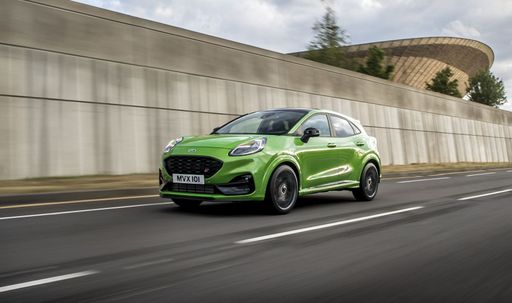
Ford Puma

3 (11 Reviews)
rate
  • markedly more trunk space
details

All details on performance, efficiency, range and trunk space can be found in the technical comparison below – including user reviews for both models.

By Achim Sedelmaier

Polo

Ford Puma VS VW Polo: quick verdict for shoppers

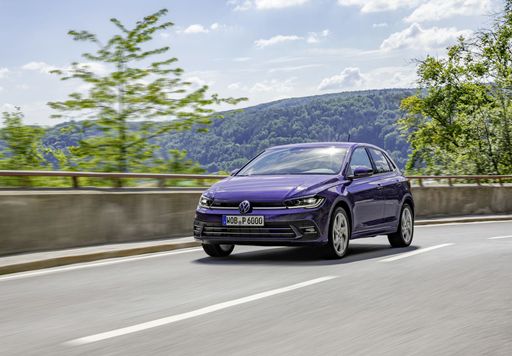
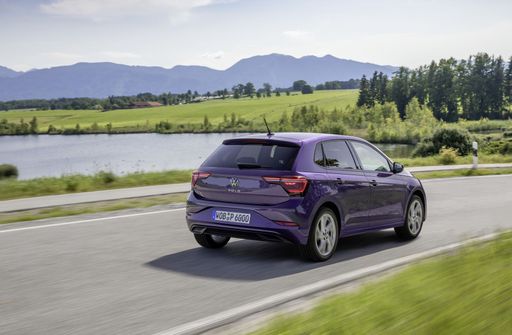
Ford Puma VS VW Polo is the matchup between a playful, crossover‑styled small SUV and a compact, composed hatchback that feels like a shrunken Golf. The Ford Puma sells on driving character and a surprisingly clever load area, while the VW Polo trades excitement for cabin calm, rear legroom and a more refined finish. Buyers choosing between the Puma and the Polo are really deciding whether they want personality and practical oddities or quiet everyday polish. Below we peel apart how those differences translate to daily life and which buyer is likely to lean toward each car.
Puma

Driving character: sporty versus serene

The Ford Puma leans into agility and steering precision, giving drivers a punchy, engaged feel that rewards twisty roads and enthusiastic commuting, whereas the VW Polo prefers to be understated and composed on the motorway. Puma’s sharper setup and mild‑hybrid punch make it feel livelier, although its three‑cylinder voice and the automatic’s low‑speed manners can remind you it’s not a smooth‑operator at all rev ranges; the Polo’s engines and chassis are tuned to glide rather than excite. If you enjoy steering that talks back and a car that invites cornering, the Puma will put a smile on your face; if you want a neutral, confidence‑inspiring platform that soaks up speed and keeps fatigue down, the Polo is more your speed. Both cars have competent assistance systems, but they accentuate different traits: Puma aids sporty control, Polo aids relaxed, long‑distance stability.

Polo

Comfort and long-distance behavior

On long hauls the VW Polo feels the more grown‑up choice: quieter cabin, better wind and tyre refinement and seats that suit extended motorway driving better than most in the class. The Ford Puma is comfortable up front and holds its composure on longer runs, but you’ll notice its firmer suspension and engine vibrations under load more readily than in the Polo. Rear passengers fare markedly differently too — Polo offers noticeably more head‑ and legroom for adults, while the Puma’s back seat is tighter and better suited to kids or shorter trips. If low noise and relaxed endurance driving matter, the Polo’s composure wins; if driver engagement and upfront support are priorities, the Puma still makes a convincing case.

Puma

Practicality, cabin feel and usability

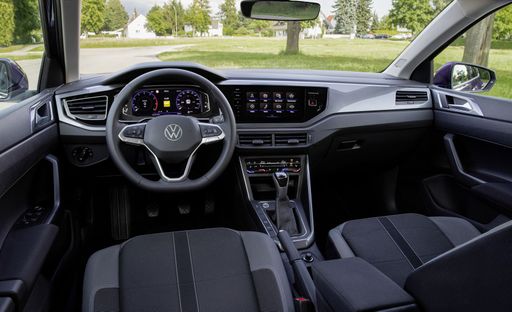
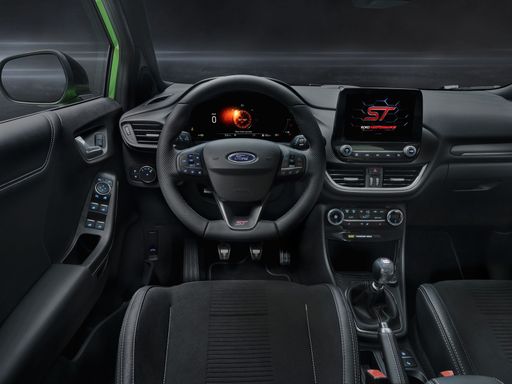
The Ford Puma stands out for inventive packaging: its wide opening, variable floor and the wash‑out storage area give it a daily‑usable edge for booting sports kit, muddy boots or taller objects, whereas the VW Polo’s trunk is classically practical but less quirky in execution. Inside, the VW Polo generally feels more solid and upmarket — materials and fit lift the cabin impression above the Puma’s more functional surfaces, which sometimes reveal cost‑saving touches. Both cars have migrated many functions to touchscreen controls, and both can annoy drivers who prefer tactile knobs for climate and shortcuts, but the effect is sharper in the Puma because basic controls are even more consolidated into the display. Choose the Puma if load practicality and creative storage matter; choose the Polo if perceived quality and a conventional, reassuring interior are higher on the list.

Polo

City manners and everyday usability

In town the Ford Puma’s nimble chassis and tight turning make it a fun, confidence‑inspiring companion for narrow streets and frequent parking manoeuvres, yet its rear visibility — thick pillars and a small rear window — can complicate tight reverse moves unless you rely on cameras. The VW Polo is extremely easy to live with in urban settings too: compact, composed over speed bumps and offering better rear sightlines that reduce stress in car parks. Both cars can suffer from jumpy behaviour from their automatic gearboxes in stop‑and‑go traffic, but the Polo’s setup usually feels a touch smoother at low speeds. If you want a city car that feels sporty to drive from the wheel, the Puma wins the engagement battle; if you want a no‑surprises daily shuttle that’s easier to place in traffic and park with confidence, the Polo is the steadier companion.

Puma

Who should pick which car — the buyer fit

In this pairing the Ford Puma suits buyers who prioritise driving enjoyment and smart, flexible luggage solutions — think single commuters who bike or paddle at weekends, or young families that value cargo adaptability over rear‑seat space. The VW Polo suits buyers who prioritise refinement, rear passenger comfort and a quieter, more premium feel for daily motorway miles — think small families, frequent long‑distance commuters or buyers who value perceived quality and lower running fuss. Price sensitivity and equipment choices also steer the decision: Polo generally undercuts the Puma on list price and presents stronger perceived value for buyers focused on space and finish, while Puma asks a premium for its sportier setup and special storage features. Read on to the technical comparison to see how engines, transmissions and dimensions underpin these real‑world differences so you can match specs to the lifestyle that best fits you.

Here’s where it gets real: The technical differences in detail

Polo

Costs and Efficiency:

Price and efficiency are often the first things buyers look at. Here it becomes clear which model has the long-term edge – whether at the pump, the plug, or in purchase price.

VW Polo is visibly cheaper – starting at 17,300 £ , while the Ford Puma costs 23,900 £ . That’s a price difference of around 6,656 £.

Fuel consumption also shows a difference: the VW Polo uses 5.1 L/100km and is barely more efficient than the Ford Puma with 5.4 L/100km. The difference is about 0.3 L/100km.

Puma

Engine and Performance:

Power, torque and acceleration are the classic benchmarks for car enthusiasts – and here, some clear differences start to show.

When it comes to engine power, the VW Polo offers slightly more power – delivering 207 HP compared to 168 HP. That’s roughly 39 HP more horsepower.

When accelerating from 0 to 100 km/h, the VW Polo is a bit quicker – completing the sprint in 6.5 s, while the Ford Puma takes 7.4 s. That’s about 0.9 s quicker.

There’s also a difference in torque: the VW Polo delivers very slightly more torque with 320 Nm compared to 290 Nm. That’s about 30 Nm more.

Polo

Space and Everyday Use:

Whether family car or daily driver – which one offers more room, flexibility and comfort?

Both vehicles offer seating for 5 people.

In terms of curb weight, VW Polo is slightly lighter – 1,143 kg compared to 1,316 kg. The difference is around 173 kg.

Looking at boot space, the Ford Puma offers markedly more boot space – 523 L compared to 351 L. That’s a difference of about 172 L.

When it comes to payload, the Ford Puma carries only slightly more – 469 kg compared to 457 kg. That’s a difference of about 12 kg.

Who wins the race in the data check?

The VW Polo stands out in the key areas in the objective data comparison.
This result only shows which model scores more points on paper – not which of the two cars feels right for you.

from £17,300
Polo

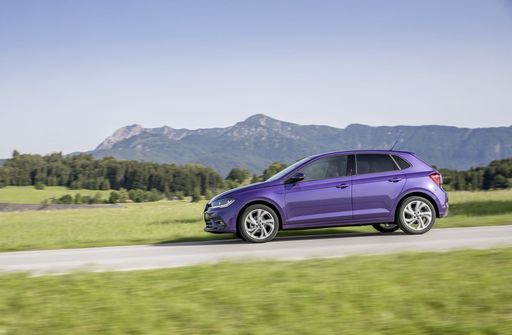
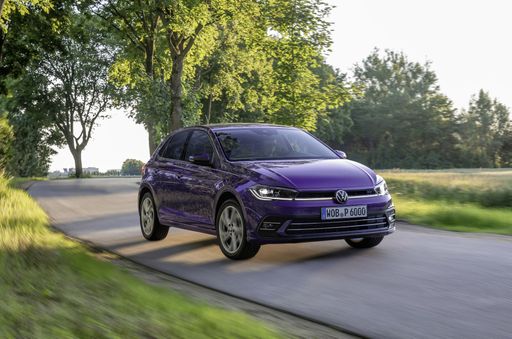
VW Polo

  • Engine Type Petrol
  • Transmission Manuel, Automatic
  • Drive Type Front-Wheel Drive
  • Power HP 80 - 207 HP
  • Consumption L/100km 5.1 - 6.5 L/100km
VW Polo
Ford Puma

Costs and Consumption

View detailed analysis

Engine and Performance

View detailed analysis

Dimensions and Body

View detailed analysis

VW Polo

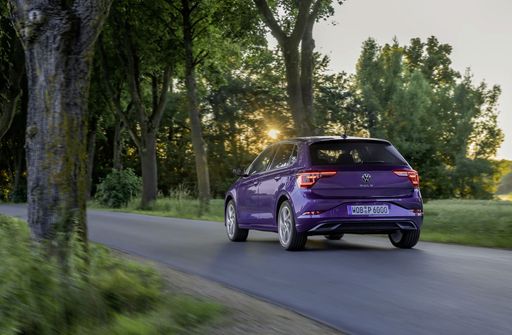
The Polo is a well-built, comfortable hatchback that blends a refined cabin and composed manners into a compact package. It's easy to live with day to day, offering sensible space, tidy controls and reassuring quality that make it a practical choice for city or longer trips.

details

Ford Puma

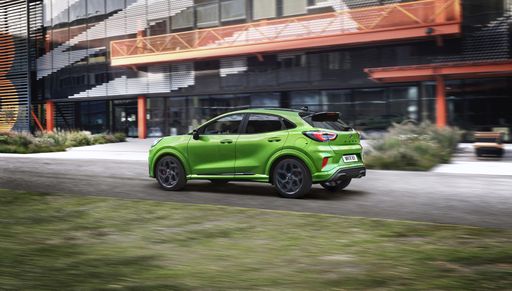
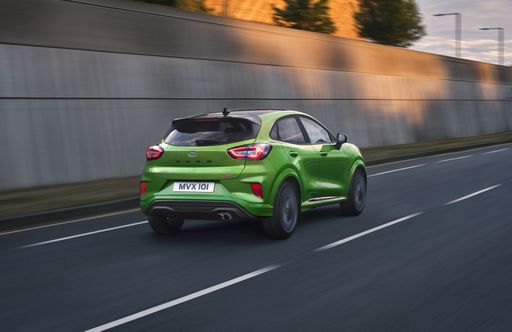
The Ford Puma blends sporty styling with practical everyday usability, making it a smart choice for drivers who want flair without sacrificing versatility. Its engaging driving character and clever interior packaging give it a more dynamic and useful feel than many rivals.

details
VW Polo
Ford Puma

Costs and Consumption

Price
17,300 - 30,800 £
Price
23,900 - 36,300 £
Consumption L/100km
5.1 - 6.5 L/100km
Consumption L/100km
5.4 - 5.9 L/100km
Consumption kWh/100km
-
Consumption kWh/100km
13 - 13.9 kWh/100km
Electric Range
-
Electric Range
404 - 417 km
Battery Capacity
-
Battery Capacity
-
co2
116 - 148 g/km
co2
0 - 135 g/km
Fuel tank capacity
-
Fuel tank capacity
-

Dimensions and Body

Body Type
Hatchback
Body Type
SUV
Seats
5
Seats
5
Doors
-
Doors
-
Curb weight
1,143 - 1,378 kg
Curb weight
1,316 - 1,563 kg
Trunk capacity
351 L
Trunk capacity
456 - 523 L
Length
-
Length
-
Width
1,751 mm
Width
1,805 mm
Height
-
Height
-
Max trunk capacity
-
Max trunk capacity
-
Payload
432 - 457 kg
Payload
367 - 469 kg

Engine and Performance

Engine Type
Petrol
Engine Type
Petrol MHEV, Electric
Transmission
Manuel, Automatic
Transmission
Manuel, Automatic
Transmission Detail
Manual Gearbox, Dual-Clutch Automatic
Transmission Detail
Manual Gearbox, Dual-Clutch Automatic, Reduction Gearbox
Drive Type
Front-Wheel Drive
Drive Type
Front-Wheel Drive
Power HP
80 - 207 HP
Power HP
125 - 168 HP
Acceleration 0-100km/h
6.5 - 15.6 s
Acceleration 0-100km/h
7.4 - 9.8 s
Max Speed
-
Max Speed
-
Torque
93 - 320 Nm
Torque
170 - 290 Nm
Number of Cylinders
3 - 4
Number of Cylinders
3
Power kW
59 - 152 kW
Power kW
92 - 124 kW
Engine capacity
999 - 1,984 cm3
Engine capacity
999 cm3

General

Model Year
2,024 - 2,025
Model Year
2,025 - 2,026
CO2 Efficiency Class
D, E
CO2 Efficiency Class
D, A
Brand
VW
Brand
Ford
DriveDuel uses data analysis and artificial intelligence to evaluate vehicle data and create content. Content is regularly reviewed and improved. The displayed prices are estimates based on German list prices, adjusted to the respective country’s VAT. Country-specific registration taxes are not included. This information is not legally binding.