VS

VW T-Cross vs Suzuki Vitara comparison

Compare performance (150 HP vs 184 HP), boot space and price (21,400 £ vs 23,600 £ ) at a glance. Find out which car is the better choice for you – VW T-Cross or Suzuki Vitara?

VW T-Cross vs Suzuki Vitara: Key differences

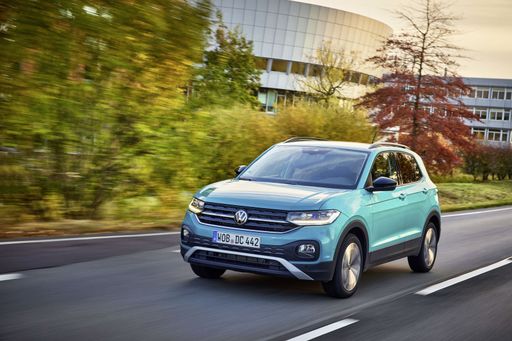
VW T-Cross

4.3 (3 Reviews)
rate
  • slightly cheaper
  • slightly more trunk space
details

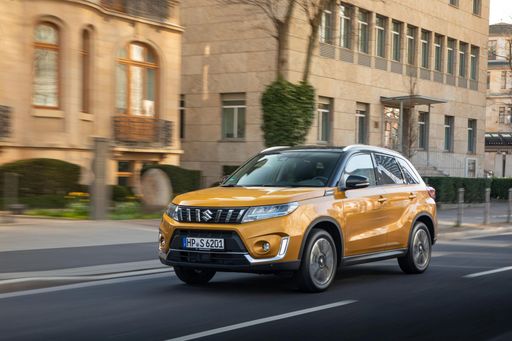
Suzuki Vitara

4.5 (3 Reviews)
rate
  • slightly more power
  • very slightly more efficient
  • somewhat quicker 0–100 km/h
  • barely lighter
details

All details on performance, efficiency, range and trunk space can be found in the technical comparison below – including user reviews for both models.

By Achim Sedelmaier

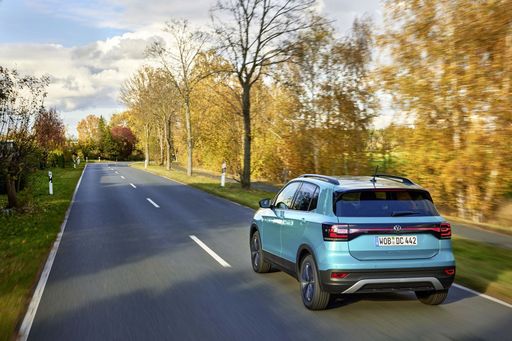
T-Cross

The compact SUV segment is booming, and two contenders that often attract attention are the Suzuki Vitara and the VW T-Cross. Both vehicles offer sharp aesthetics, practicality, and advanced features to suit urban lifestyles and weekend adventures alike. In this comparative analysis, we will delve into the technical specifications and innovations that set these models apart.

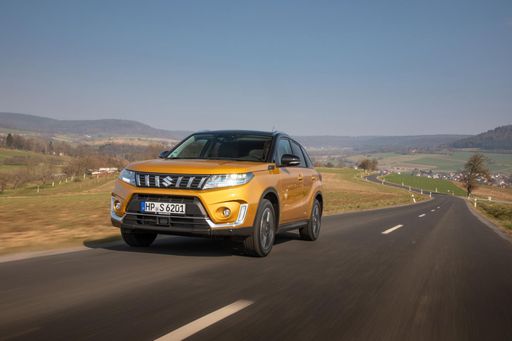
Vitara

Powertrains and Performance

The Suzuki Vitara comes equipped with a choice of petrol engines, featuring both Mild Hybrid Electric Vehicle (MHEV) and Full Hybrid variants. The MHEV offers a power output of 129 HP with a commendable torque of 235 Nm. This engine, when paired with Suzuki's intelligent All-Wheel Drive, allows for a versatile driving experience. The Vitara can accelerate from 0 to 100 km/h in a respectable time of 9.5 seconds, making it a solid choice for those who enjoy spirited driving.

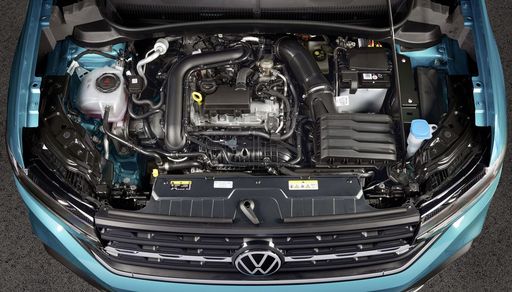
On the other hand, the VW T-Cross stands out with several engine options, delivering up to 150 HP from its more powerful variants. The T-Cross has a competitive 0-100 km/h time as well, with the fastest version achieving the mark in just 8.4 seconds. While the T-Cross is restricted to Front-Wheel Drive, its range of engine outputs — combined with a maximum torque rating of 250 Nm — provides sufficient grunt for city and highway cruising.

T-Cross

Fuel Efficiency and Emissions

Fuel efficiency is an essential factor for many SUV buyers, and here the Suzuki Vitara claims the edge with a consumption rating as low as 5.0 L/100 km thanks to its hybrid technology. Its CO2 emissions range from 113 to 129 g/km, placing it in a competitive efficiency class of C and D.

In comparison, the VW T-Cross features slightly higher fuel consumption figures, starting at 5.6 L/100 km and reaching up to 6.0 L/100 km. The T-Cross's CO2 emissions also hover between 127 g/km and 135 g/km. Although the T-Cross is slightly less efficient, it remains a viable option for buyers focused on performance and driving pleasure.

Vitara

Interior and Cargo Space

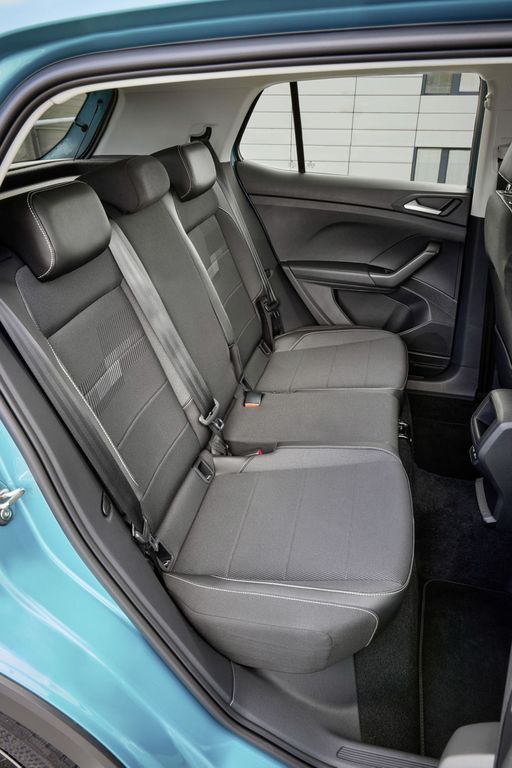
When it comes to interior space, the T-Cross takes the lead. With a trunk capacity of 455 liters, it outshines the Vitara, which offers 375 liters of cargo space. Both vehicles are designed to comfortably seat five passengers, but the T-Cross provides a bit more room for luggage, which is beneficial for family outings or road trips.

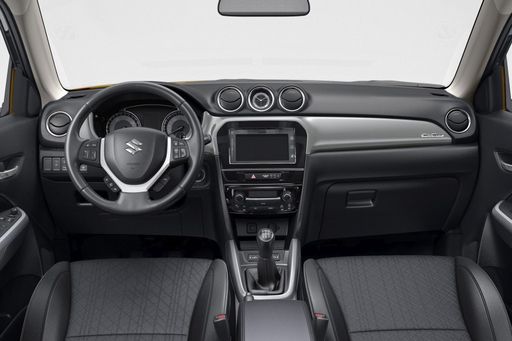
Both SUVs come equipped with the latest technology, including advanced infotainment systems and driver-assistance features that enhance safety. The Vitara provides a user-friendly interface, while the T-Cross boasts VW's renowned digital cockpit, allowing drivers to customize their driving experience easily.

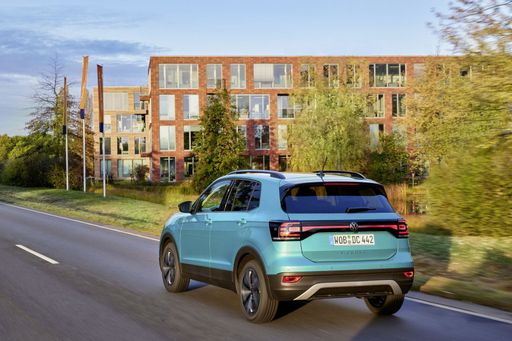
T-Cross

Dimensions and Design

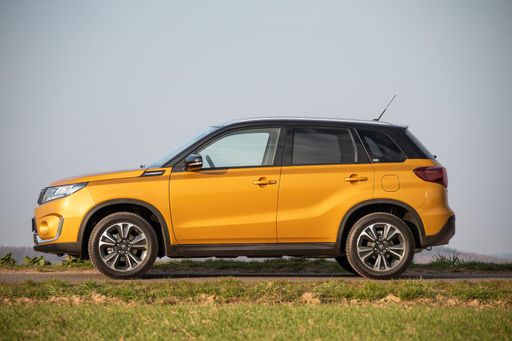
In terms of exterior dimensions, the Suzuki Vitara measures 4185 mm in length, 1775 mm in width, and 1595 mm in height. The compact VW T-Cross is slightly smaller, at 4127 mm long, 1784 mm wide, and 1573 mm tall. Despite the T-Cross's diminutive stature, its bold design language and contemporary looks offer an attractive appeal that is hard to overlook.

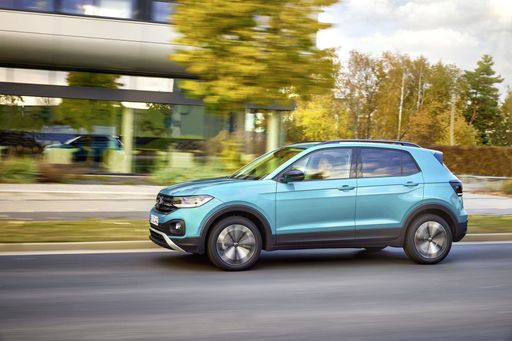
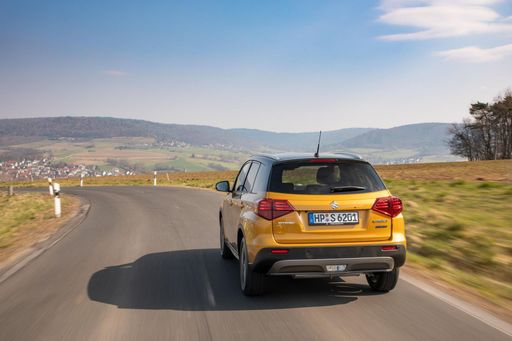
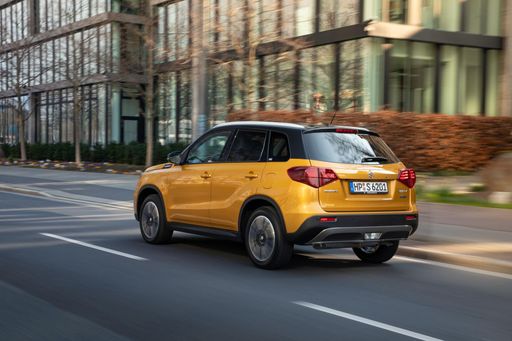
The Vitara's rugged design hints at its off-road capabilities, while the T-Cross leans towards a sportier and more urban-driven aesthetic. Both SUVs feature five doors for easy access, but the overall aesthetic will likely influence buyers based on personal preferences.

Vitara

Final Thoughts

In conclusion, the choice between the Suzuki Vitara and the VW T-Cross largely depends on what you value in a compact SUV. If you prioritize fuel efficiency, hybrid technology, and off-road versatility, the Vitara might suit your needs better. Conversely, if a powerful engine, superior cargo space, and modern technology are more crucial for your lifestyle, the VW T-Cross takes the lead.

Both vehicles showcase the best of what the compact SUV segment has to offer, making either a worthy option for buyers looking to balance practicality with performance. Ultimately, a test drive may be the best way to decide which model truly fits your lifestyle.

Here’s where it gets real: The technical differences in detail

T-Cross

Costs and Efficiency:

When it comes to price and running costs, the biggest differences usually appear. This is often where you see which car fits your budget better in the long run.

VW T-Cross is slightly cheaper – starting at 21,400 £ , while the Suzuki Vitara costs 23,600 £ . That’s a price difference of around 2,177 £.

Fuel consumption also shows a difference: the Suzuki Vitara uses 5 L/100km and is very slightly more efficient than the VW T-Cross with 5.4 L/100km. The difference is about 0.4 L/100km.

Vitara

Engine and Performance:

Under the bonnet, it becomes clear which model is tuned for sportiness and which one takes the lead when you hit the accelerator.

When it comes to engine power, the Suzuki Vitara offers slightly more power – delivering 184 HP compared to 150 HP. That’s roughly 34 HP more horsepower.

When accelerating from 0 to 100 km/h, the Suzuki Vitara is somewhat quicker – completing the sprint in 7.4 s, while the VW T-Cross takes 8.4 s. That’s about 1 s quicker.

There’s also a difference in torque: the Suzuki Vitara delivers a bit more torque with 307 Nm compared to 250 Nm. That’s about 57 Nm more.

T-Cross

Space and Everyday Use:

Beyond pure performance, interior space and usability matter most in daily life. This is where you see which car is more practical and versatile.

Both vehicles offer seating for 5 people.

In terms of curb weight, Suzuki Vitara is barely lighter – 1,255 kg compared to 1,267 kg. The difference is around 12 kg.

Looking at boot space, the VW T-Cross offers slightly more boot space – 455 L compared to 375 L. That’s a difference of about 80 L.

When it comes to payload, the VW T-Cross carries moderately more – 480 kg compared to 425 kg. That’s a difference of about 55 kg.

Who wins the race in the data check?

The Suzuki Vitara holds a decisive overall lead in the objective data comparison.
This result only shows which model scores more points on paper – not which of the two cars feels right for you.

from £23,600
Vitara

Suzuki Vitara

  • Engine Type : Petrol MHEV, Full Hybrid, Electric
  • Transmission : Manuel, Automatic
  • Drive Type : Front-Wheel Drive, All-Wheel Drive
  • Power HP : 110 - 184 HP
  • Consumption L/100km : 5 - 5.9 L/100km
  • Consumption kWh/100km : 14.9 - 16.6 kWh/100km
  • Electric Range : 344 - 426 km
VW T-Cross
Suzuki Vitara

Costs and Consumption

View detailed analysis

Engine and Performance

View detailed analysis

Dimensions and Body

View detailed analysis

VW T-Cross

The VW T-Cross turns everyday practicality into a style statement, offering a roomy-feeling cabin, clever storage and playful design that suits town life and family duties alike. On the road it's composed and relaxed, rewarding buyers who want the raised seating and confident presence of an SUV without the weighty compromises.

details

Suzuki Vitara

The Vitara is a city-smart SUV with a cheeky streak of off-road promise, perfect for drivers who want practicality without pretense. It’s honest, easy to live with and surprisingly likeable, a sensible companion for everyday adventures and weekend escapes.

details
VW T-Cross
Suzuki Vitara

Costs and Consumption

Price
21,400 - 32,000 £
Price
23,600 - 36,800 £
Consumption L/100km
5.4 - 6 L/100km
Consumption L/100km
5 - 5.9 L/100km
Consumption kWh/100km
-
Consumption kWh/100km
14.9 - 16.6 kWh/100km
Electric Range
-
Electric Range
344 - 426 km
Battery Capacity
-
Battery Capacity
-
co2
124 - 136 g/km
co2
0 - 138 g/km
Fuel tank capacity
-
Fuel tank capacity
47 L

Dimensions and Body

Body Type
SUV
Body Type
SUV
Seats
5
Seats
5
Doors
-
Doors
5
Curb weight
1,267 - 1,338 kg
Curb weight
1,255 - 1,935 kg
Trunk capacity
455 L
Trunk capacity
289 - 375 L
Length
-
Length
4,185 mm
Width
1,784 mm
Width
1,775 - 1,800 mm
Height
-
Height
1,595 mm
Max trunk capacity
-
Max trunk capacity
1,046 - 1,120 L
Payload
463 - 480 kg
Payload
375 - 425 kg

Engine and Performance

Engine Type
Petrol
Engine Type
Petrol MHEV, Full Hybrid, Electric
Transmission
Manuel, Automatic
Transmission
Manuel, Automatic
Transmission Detail
Manual Gearbox, Dual-Clutch Automatic
Transmission Detail
Manual Gearbox, Automated Manual, Automatic Gearbox
Drive Type
Front-Wheel Drive
Drive Type
Front-Wheel Drive, All-Wheel Drive
Power HP
95 - 150 HP
Power HP
110 - 184 HP
Acceleration 0-100km/h
8.4 - 11.3 s
Acceleration 0-100km/h
7.4 - 12.7 s
Max Speed
-
Max Speed
180 - 190 km/h
Torque
175 - 250 Nm
Torque
193 - 307 Nm
Number of Cylinders
3 - 4
Number of Cylinders
4
Power kW
70 - 110 kW
Power kW
81 - 135 kW
Engine capacity
999 - 1,498 cm3
Engine capacity
1,373 - 1,462 cm3

General

Model Year
2,024 - 2,025
Model Year
2,024 - 2,026
CO2 Efficiency Class
D, E
CO2 Efficiency Class
D, C, E, A
Brand
VW
Brand
Suzuki
DriveDuel uses data analysis and artificial intelligence to evaluate vehicle data and create content. Content is regularly reviewed and improved. The displayed prices are estimates based on German list prices, adjusted to the respective country’s VAT. Country-specific registration taxes are not included. This information is not legally binding.