VS

VW T-Roc vs Audi Q2 comparison

Compare performance (150 HP vs 300 HP), boot space and price (26,400 £ vs 24,900 £ ) at a glance. Find out which car is the better choice for you – VW T-Roc or Audi Q2?

VW T-Roc vs Audi Q2: Key differences

VW T-Roc

4.8 (6 Reviews)
rate

Audi Q2

4.7 (4 Reviews)
rate
  • only slightly cheaper
  • clearly more power
  • moderately more efficient
  • clearly quicker 0–100 km/h
  • a bit lighter
  • noticeably more trunk space

All details on performance, efficiency, range and trunk space can be found in the technical comparison below – including user reviews for both models.

T-Roc

The subcompact SUV segment has gained immense popularity in recent years, with consumers seeking a blend of practicality, style, and performance. Among the frontrunners in this category are the Audi Q2 and the VW T-Roc. Both vehicles share a similar DNA, given their close familial ties under the Volkswagen Group banner. Yet, they each carve out their unique identity in the fiercely competitive market. Here, we delve into a detailed comparison of these two dynamic SUVs.

Q2

Design and Dimensions: Standing Out in Style

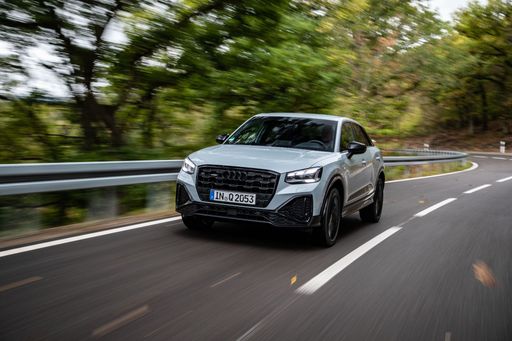
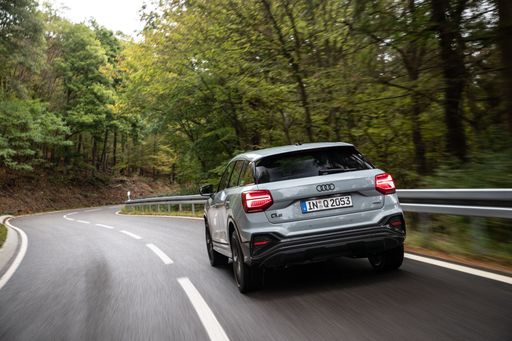
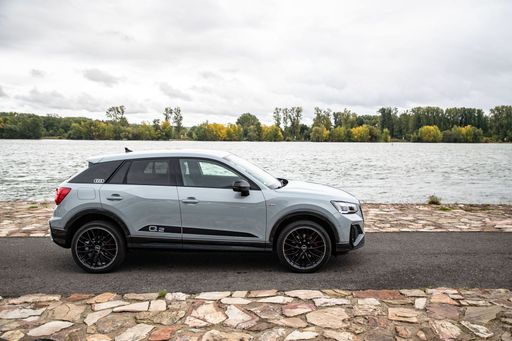
The Audi Q2 boasts a bold and edgy design, characterized by its distinctive octagonal grille, well-defined lines, and sharp LED headlights. With a length of 4208 mm, width of 1794 mm, and height of 1508 mm, it presents a compact yet muscular exterior.

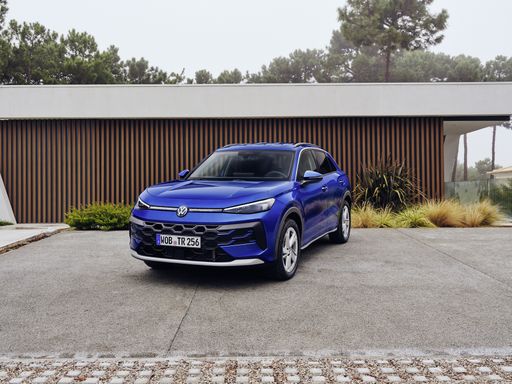
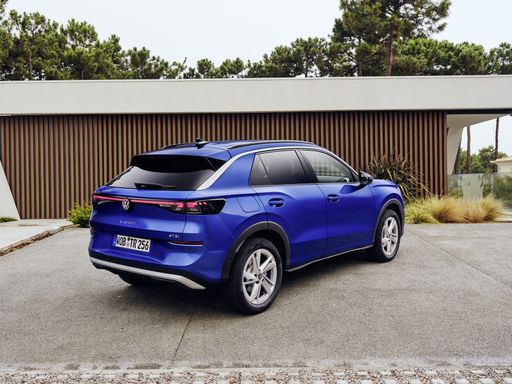
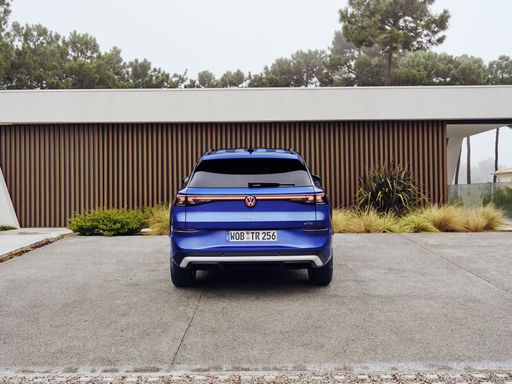
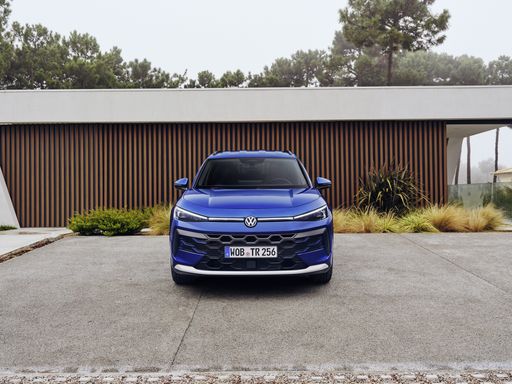
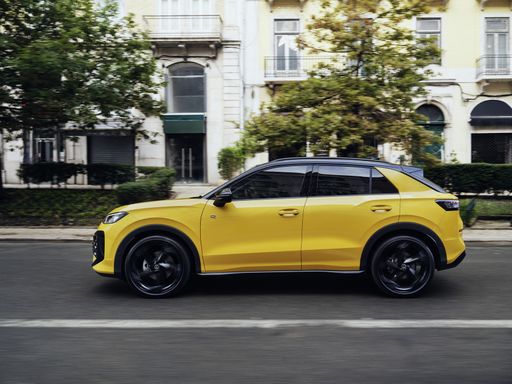
In contrast, the VW T-Roc has a slightly larger stature, measuring 4236 mm in length and 1819 mm in width, which contributes to its more robust appearance. Its high-mounted headlights and dynamic silhouette offer a versatile look that appeals to a broader audience. The T-Roc stands at a height of 1584 mm, giving it a commanding presence on the road.

T-Roc

Engine Options and Performance: Power Meets Efficiency

Both the Q2 and T-Roc are available with a selection of petrol and diesel engines, ensuring that performance aligns with consumer needs. The Q2 offers engines ranging from 116 to 300 HP, with turbocharged options that provide a thrilling acceleration. The sporty variant can sprint from 0 to 100 km/h in just 4.9 seconds, emphasizing Audi's commitment to performance.

The T-Roc presents a slightly lower power band, with options that peak at 300 HP as well. However, its engines are meticulously tuned for efficiency, with the smallest engine delivering an impressive fuel consumption of just 4.7 L/100 km. The acceleration figures show a slightly slower response, with the best model achieving 0-100 km/h in 4.9 seconds, mirroring its Audi counterpart.

Q2

Transmission and Drive: Seamless Shifts and Versatile Handling

Both SUVs offer manual and automatic transmission options, including the highly praised dual-clutch automatic gearbox. The Q2 features both front-wheel and all-wheel drive configurations for versatile handling on various terrains.

Similarly, the T-Roc offers the same transmission choices, allowing drivers to select their preferred driving experience. The Quattro all-wheel-drive system available on the Q2 gives it a slight edge in terms of dynamic handling and stability, particularly in challenging road conditions.

T-Roc

Interior and Technology: Comfort Meets Innovation

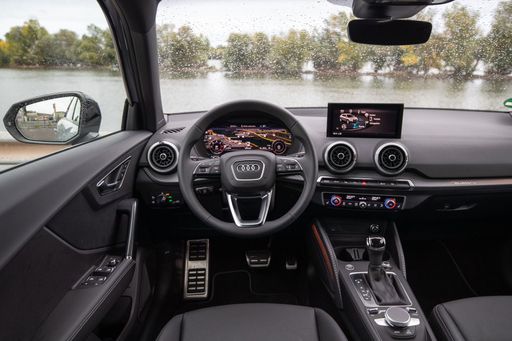
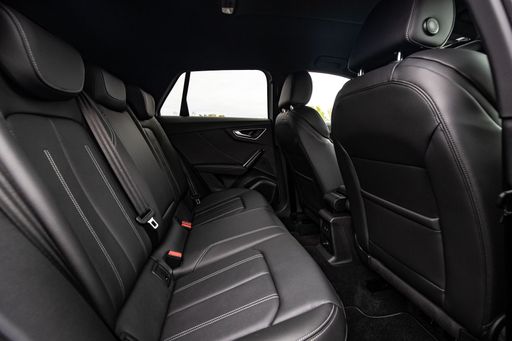
Inside, the Audi Q2 showcases a blend of luxury and advanced technology. Its minimalist cockpit is intuitive, featuring a virtual cockpit display and high-quality materials throughout. With a trunk capacity of 405 liters, it provides ample space for cargo while maintaining a compact feel.

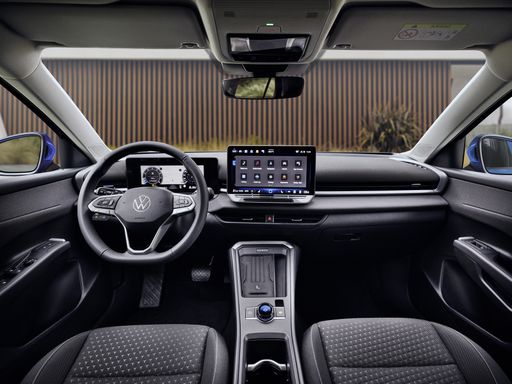
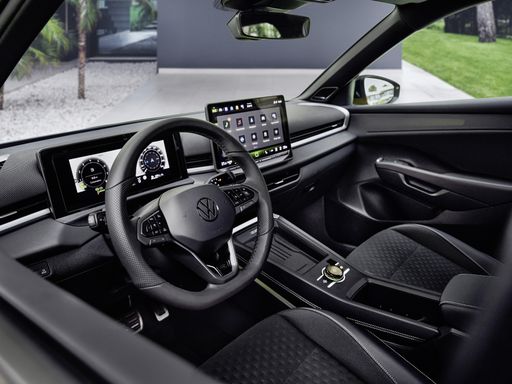
The T-Roc, on the other hand, prioritizes practicality with a slightly larger trunk capacity of 445 liters. It's also equipped with the latest infotainment features, including a user-friendly touchscreen interface and optional digital cockpit, ensuring connectivity and convenience on the go.

Q2

Safety Features: A Commitment to Protection

Both vehicles are equipped with a suite of safety features that have earned them high ratings in crash tests. Standard offerings include adaptive cruise control, lane-keeping assist, and autonomous emergency braking. Audi's top-tier safety technology ensures the Q2 is well-prepared for any driving scenario, while the T-Roc matches those capabilities closely.

T-Roc

Conclusion: The Verdict

Ultimately, the choice between the Audi Q2 and VW T-Roc hinges on personal preferences. The Q2 leans towards luxury and sportiness, appealing to those who prioritize brand prestige and refined performance. Meanwhile, the T-Roc stands out with its practicality, slightly larger dimensions, and excellent value proposition.

Both SUVs represent the best of their segment, offering a blend of style, performance, and modern technology. Whichever you choose, both the Audi Q2 and the VW T-Roc promise a driving experience that is hard to match in today’s competitive landscape.

Here’s where it gets real: The technical differences in detail

T-Roc

Costs and Efficiency:

Price and efficiency are key factors when choosing a car – and this is often where the real differences emerge.

Audi Q2 is only slightly cheaper – starting at 24,900 £ , while the VW T-Roc costs 26,400 £ . That’s a price difference of around 1,581 £.

Fuel consumption also shows a difference: the Audi Q2 uses 4.8 L/100km and is moderately more efficient than the VW T-Roc with 5.5 L/100km. The difference is about 0.7 L/100km.

Q2

Engine and Performance:

Under the bonnet, it becomes clear which model is tuned for sportiness and which one takes the lead when you hit the accelerator.

When it comes to engine power, the Audi Q2 offers clearly more power – delivering 300 HP compared to 150 HP. That’s roughly 150 HP more horsepower.

When accelerating from 0 to 100 km/h, the Audi Q2 is clearly quicker – completing the sprint in 4.9 s, while the VW T-Roc takes 8.9 s. That’s about 4 s quicker.

There’s also a difference in torque: the Audi Q2 delivers visibly more torque with 400 Nm compared to 250 Nm. That’s about 150 Nm more.

T-Roc

Space and Everyday Use:

Cabin size, boot volume and payload all play a role in everyday practicality. Here, comfort and flexibility make the difference.

Both vehicles offer seating for 5 people.

In terms of curb weight, Audi Q2 is a bit lighter – 1,330 kg compared to 1,465 kg. The difference is around 135 kg.

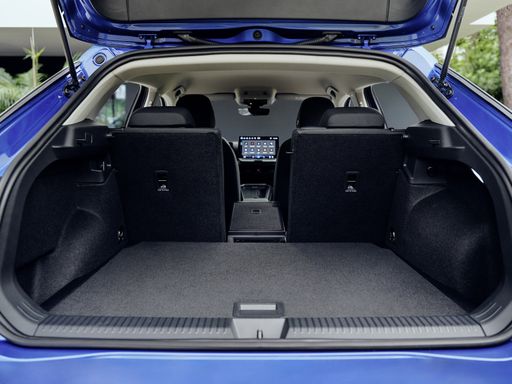
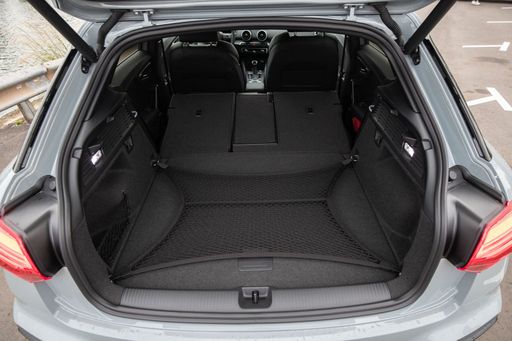
Looking at boot space, the Audi Q2 offers noticeably more boot space – 405 L compared to 284 L. That’s a difference of about 121 L.

When it comes to payload, the VW T-Roc carries only slightly more – 515 kg compared to 510 kg. That’s a difference of about 5 kg.

Who wins the race in the data check?

The Audi Q2 is decisively ahead in the objective data comparison.
This result only shows which model scores more points on paper – not which of the two cars feels right for you.

from £24,900
Q2

Audi Q2

  • Engine Type : Petrol, Diesel
  • Transmission : Manuel, Automatic
  • Drive Type : Front-Wheel Drive, All-Wheel Drive
  • Power HP : 116 - 300 HP
  • Consumption L/100km : 4.8 - 8.1 L/100km
VW T-Roc
Audi Q2

Costs and Consumption

View detailed analysis

Engine and Performance

View detailed analysis

Dimensions and Body

View detailed analysis

VW T-Roc

The VW T-Roc mixes cheeky, coupe-like styling with the everyday sense and space of an SUV, so it looks fun without sacrificing family sense. It’s a likeable all-rounder with tidy road manners and plenty of personality, ideal if you want a car that’s practical enough for chores but entertaining enough to enjoy.

details

Audi Q2

The Audi Q2 packs Audi’s premium attitude into a compact, cheeky package that turns city streets into a runway for tasteful design and clever practicality. It’s an easy car to live with thanks to an upscale cabin, composed manners and sprightly handling, and while it won’t satisfy someone chasing sports-car thrills, it’s a smart, stylish pick for buyers who want substance with a wink.

details
VW T-Roc
Audi Q2

Costs and Consumption

Price
26,400 - 38,600 £
Price
24,900 - 43,600 £
Consumption L/100km
5.5 - 6.3 L/100km
Consumption L/100km
4.8 - 8.1 L/100km
Consumption kWh/100km
-
Consumption kWh/100km
-
Electric Range
-
Electric Range
-
Battery Capacity
-
Battery Capacity
-
co2
126 - 143 g/km
co2
127 - 183 g/km
Fuel tank capacity
-
Fuel tank capacity
-

Dimensions and Body

Body Type
SUV
Body Type
SUV
Seats
4 - 5
Seats
5
Doors
-
Doors
-
Curb weight
1,465 - 1,539 kg
Curb weight
1,330 - 1,610 kg
Trunk capacity
284 L
Trunk capacity
355 - 405 L
Length
-
Length
-
Width
1,811 - 1,828 mm
Width
1,794 - 1,802 mm
Height
-
Height
-
Max trunk capacity
-
Max trunk capacity
-
Payload
368 - 515 kg
Payload
450 - 510 kg

Engine and Performance

Engine Type
Petrol, Petrol MHEV
Engine Type
Petrol, Diesel
Transmission
Manuel, Automatic
Transmission
Manuel, Automatic
Transmission Detail
Manual Gearbox, Dual-Clutch Automatic
Transmission Detail
Manual Gearbox, Dual-Clutch Automatic
Drive Type
Front-Wheel Drive
Drive Type
Front-Wheel Drive, All-Wheel Drive
Power HP
115 - 150 HP
Power HP
116 - 300 HP
Acceleration 0-100km/h
8.9 - 12.3 s
Acceleration 0-100km/h
4.9 - 10.5 s
Max Speed
-
Max Speed
-
Torque
200 - 250 Nm
Torque
200 - 400 Nm
Number of Cylinders
3 - 4
Number of Cylinders
3 - 4
Power kW
85 - 110 kW
Power kW
85 - 221 kW
Engine capacity
999 - 1,498 cm3
Engine capacity
999 - 1,984 cm3

General

Model Year
2,024 - 2,025
Model Year
2,025
CO2 Efficiency Class
E, D
CO2 Efficiency Class
D, F, E, G
Brand
VW
Brand
Audi
DriveDuel uses data analysis and artificial intelligence to evaluate vehicle data and create content. Content is regularly reviewed and improved. The displayed prices are estimates based on German list prices, adjusted to the respective country’s VAT. Country-specific registration taxes are not included. This information is not legally binding.