VS

VW T-Roc vs Vauxhall Mokka comparison

Compare performance (150 HP vs 281 HP), boot space and price (26,400 £ vs 23,000 £ ) at a glance. Find out which car is the better choice for you – VW T-Roc or Vauxhall Mokka?

VW T-Roc vs Vauxhall Mokka: Key differences

VW T-Roc

4.7 (4 Reviews)
rate

Vauxhall Mokka

4.3 (3 Reviews)
rate
  • somewhat cheaper
  • significantly more power
  • slightly more efficient
  • clearly quicker 0–100 km/h
  • a bit lighter
  • moderately more trunk space

All details on performance, efficiency, range and trunk space can be found in the technical comparison below – including user reviews for both models.

T-Roc

Opel vs. VW: A Detailed Comparison of Two Automotive Giants

When it comes to the automotive industry, few rivalries are as storied as that between Opel and Volkswagen (VW). Both brands have established themselves as stalwarts in the European market, each boasting a unique set of strengths, innovations, and loyal customer bases. This article aims to delve into a comparative analysis of their latest SUVs, assessing technical specifications, innovations, and overall performance.

Mokka

Technical Specifications: Power and Performance

The 2024 Opel SUV lineup, with a varied range of engine types, includes petrol and electric options. Engine power hits a high of 156 HP with a 1199 cm3 capacity, while its fuel consumption ranges from 4.8 to 6.2 L/100km. Acceleration figures are commendable, with the Opel models capable of reaching 100 km/h in as fast as 9 seconds. Depending on the variant, the Opel has a robust torque of up to 260 Nm, ensuring a peppy driving experience.

Volkswagen offers a more extensive array of engines for its 2024 SUV models, spanning both petrol and diesel. The top-performing diesel engines can deliver up to 300 HP, with engine capacities ranging from 999 cm3 to 1984 cm3. Consumption figures achieve remarkable efficiency, with some models nearing 4.7 L/100km. VW's acceleration capabilities can be astonishing, with a blistering 0-100 km/h time of just 4.9 seconds for its most powerful variants. Torque figures also surpass those of Opel, reaching up to 400 Nm.

T-Roc

Fuel Efficiency and Environment Friendliness

Opel's commitment to sustainability is showcased in its electric variants, which offer an impressive range of up to 403 km on a single charge, bolstered by a battery capacity of 51 kWh. The electric models contribute to a lower environmental impact with zero CO2 emissions.

Volkswagen also displays substantial focus on sustainability, particularly with its diesel models, which offer competitive fuel economy rates. The CO2 emissions for VW SUVs range from 125 to 166 g/km, a performance that appeals to eco-conscious consumers, although they do not match Opel’s all-electric capabilities.

Mokka

Interior Space and Comfort

Opel's SUVs are designed with practicality in mind, providing ample trunk capacity ranging from 310 to 350 L. The interiors offer comfortable seating for five, suitable for both family use and everyday driving.

VW’s SUV offerings, however, often come with a larger trunk capacity, some models boasting up to 445 L. This advantage, combined with agile interior design and quality materials, makes VW’s cabins feel more spacious and premium. VW also offers some models with up to five or four seats, lending flexibility for various consumer needs.

T-Roc

Innovations and Technology Integration

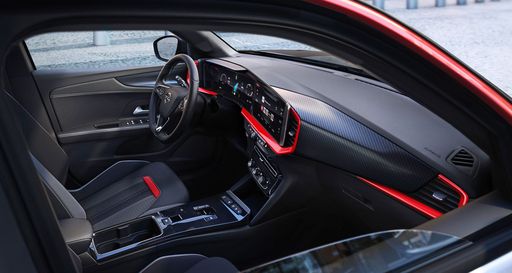
Opel has made strides in technology by integrating advanced driver assistance systems across its SUV range. The infotainment systems are intuitive, allowing for easy connectivity and seamless navigation, enhancing the driving experience considerably.

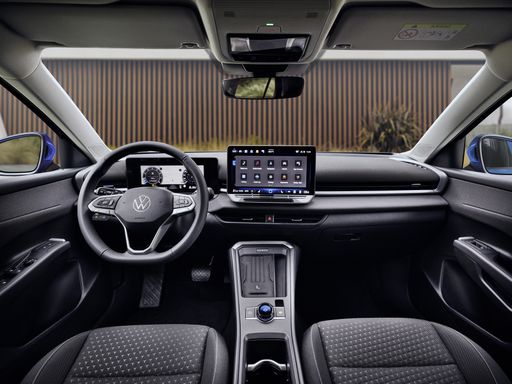
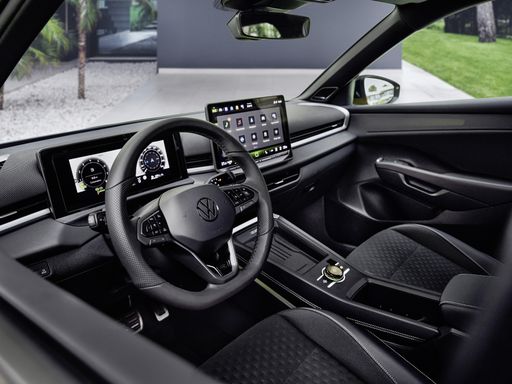
Conversely, Volkswagen has long been synonymous with cutting-edge technology. Its latest models come equipped with advanced infotainment systems, virtual cockpits, and an array of driver-assistance technologies, such as adaptive cruise control and lane-keeping assist. This greater technological edge can significantly influence consumers looking for high-tech features in their vehicles.

Mokka

Conclusion: Choosing Between Opel and VW

Ultimately, the choice between Opel and VW hinges on individual preferences and priorities. Opel presents a compelling case, particularly for those interested in affordable electric options and solid performance in their SUVs. VW, on the other hand, caters to consumers looking for power, refinement, and cutting-edge technology.

As both brands continue to evolve, it remains certain that the rivalry will spur innovation, ensuring a diverse and exhilarating market from which consumers can choose.

Here’s where it gets real: The technical differences in detail

T-Roc

Costs and Efficiency:

Looking at overall running costs, both models reveal some interesting differences in everyday economy.

Vauxhall Mokka is somewhat cheaper – starting at 23,000 £ , while the VW T-Roc costs 26,400 £ . That’s a price difference of around 3,390 £.

Fuel consumption also shows a difference: the Vauxhall Mokka uses 4.9 L/100km and is slightly more efficient than the VW T-Roc with 5.5 L/100km. The difference is about 0.6 L/100km.

Mokka

Engine and Performance:

Power, torque and acceleration say a lot about how a car feels on the road. This is where you see which model delivers more driving dynamics.

When it comes to engine power, the Vauxhall Mokka offers significantly more power – delivering 281 HP compared to 150 HP. That’s roughly 131 HP more horsepower.

When accelerating from 0 to 100 km/h, the Vauxhall Mokka is clearly quicker – completing the sprint in 5.9 s, while the VW T-Roc takes 8.9 s. That’s about 3 s quicker.

There’s also a difference in torque: the Vauxhall Mokka delivers clearly more torque with 345 Nm compared to 250 Nm. That’s about 95 Nm more.

T-Roc

Space and Everyday Use:

Beyond pure performance, interior space and usability matter most in daily life. This is where you see which car is more practical and versatile.

Both vehicles offer seating for 5 people.

In terms of curb weight, Vauxhall Mokka is a bit lighter – 1,294 kg compared to 1,465 kg. The difference is around 171 kg.

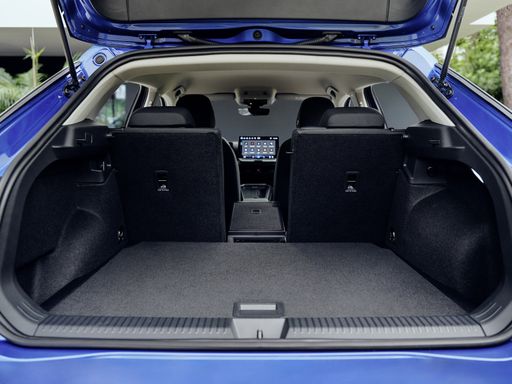
Looking at boot space, the Vauxhall Mokka offers moderately more boot space – 350 L compared to 284 L. That’s a difference of about 66 L.

When it comes to payload, the VW T-Roc carries noticeably more – 515 kg compared to 400 kg. That’s a difference of about 115 kg.

Who wins the race in the data check?

The Vauxhall Mokka is decisively ahead in the objective data comparison.
This result only shows which model scores more points on paper – not which of the two cars feels right for you.

from £23,000
Mokka

Vauxhall Mokka

  • Engine Type : Electric, Petrol MHEV, Petrol
  • Transmission : Automatic, Manuel
  • Drive Type : Front-Wheel Drive
  • Power HP : 136 - 281 HP
  • Consumption L/100km : 4.9 - 5.7 L/100km
  • Consumption kWh/100km : 15.4 - 18.5 kWh/100km
  • Electric Range : 336 - 403 km
VW T-Roc
Vauxhall Mokka

Costs and Consumption

View detailed analysis

Engine and Performance

View detailed analysis

Dimensions and Body

View detailed analysis

VW T-Roc

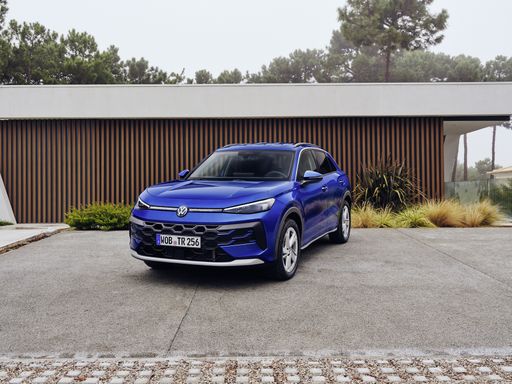
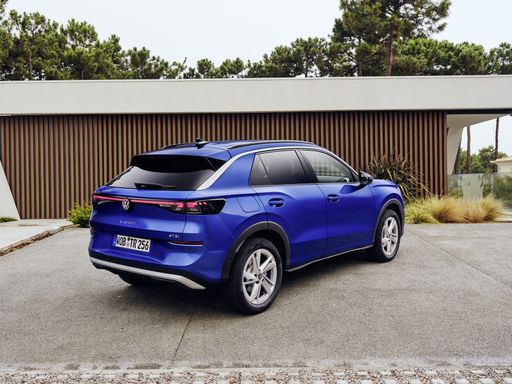
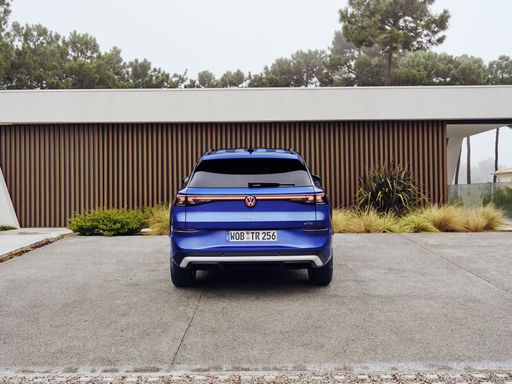
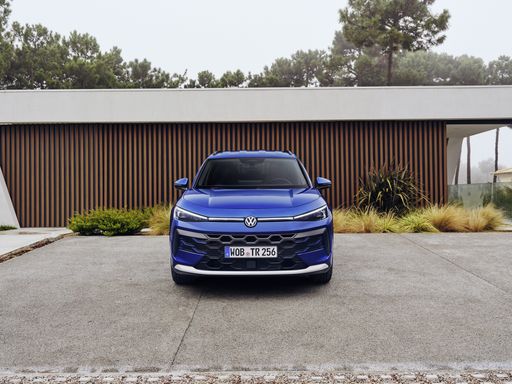
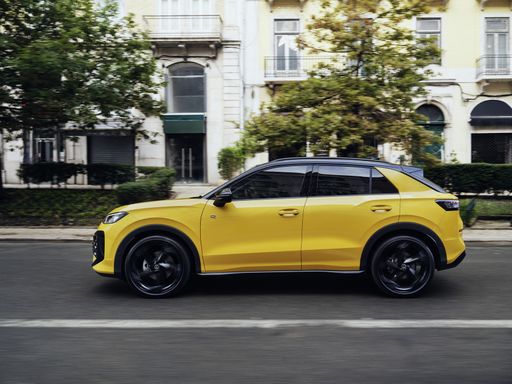
The VW T-Roc mixes cheeky, coupe-like styling with the everyday sense and space of an SUV, so it looks fun without sacrificing family sense. It’s a likeable all-rounder with tidy road manners and plenty of personality, ideal if you want a car that’s practical enough for chores but entertaining enough to enjoy.

details

Vauxhall Mokka

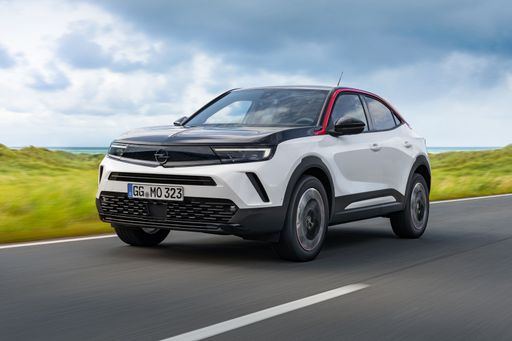
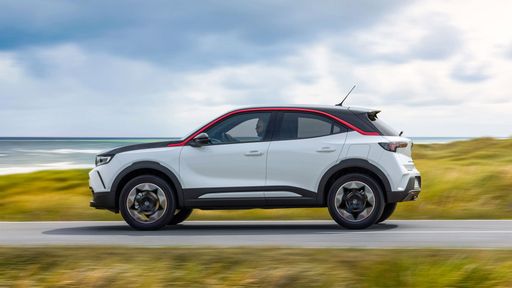
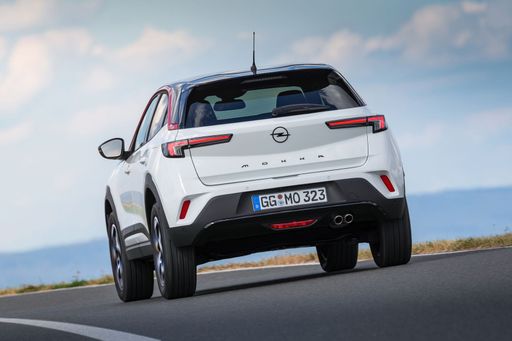
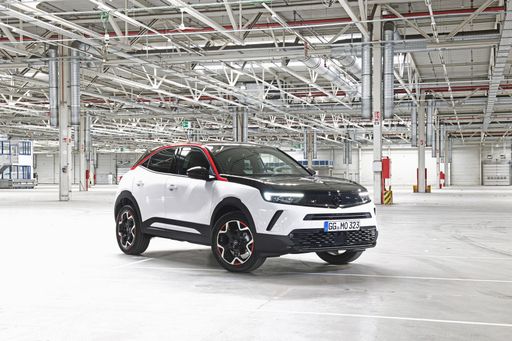
The Opel Mokka cuts a smart, modern silhouette that feels right at home in the city while still turning heads on the open road. It's a practical, easy-to-live-with crossover that blends comfy driving manners with enough flair and tech to keep daily commutes interesting — and it won’t make you regret trading up.

details
VW T-Roc
Vauxhall Mokka

Costs and Consumption

Price
26,400 - 38,600 £
Price
23,000 - 40,500 £
Consumption L/100km
5.5 - 6.3 L/100km
Consumption L/100km
4.9 - 5.7 L/100km
Consumption kWh/100km
-
Consumption kWh/100km
15.4 - 18.5 kWh/100km
Electric Range
-
Electric Range
336 - 403 km
Battery Capacity
-
Battery Capacity
51 kWh
co2
126 - 143 g/km
co2
0 - 129 g/km
Fuel tank capacity
-
Fuel tank capacity
44 L

Dimensions and Body

Body Type
SUV
Body Type
SUV
Seats
4 - 5
Seats
5
Doors
-
Doors
5
Curb weight
1,465 - 1,539 kg
Curb weight
1,294 - 1,672 kg
Trunk capacity
284 L
Trunk capacity
310 - 350 L
Length
-
Length
4,150 mm
Width
1,811 - 1,828 mm
Width
1,787 mm
Height
-
Height
1,515 - 1,535 mm
Max trunk capacity
-
Max trunk capacity
1,060 - 1,105 L
Payload
368 - 515 kg
Payload
388 - 400 kg

Engine and Performance

Engine Type
Petrol, Petrol MHEV
Engine Type
Electric, Petrol MHEV, Petrol
Transmission
Manuel, Automatic
Transmission
Automatic, Manuel
Transmission Detail
Manual Gearbox, Dual-Clutch Automatic
Transmission Detail
Reduction Gearbox, Dual-Clutch Automatic, Manual Gearbox
Drive Type
Front-Wheel Drive
Drive Type
Front-Wheel Drive
Power HP
115 - 150 HP
Power HP
136 - 281 HP
Acceleration 0-100km/h
8.9 - 12.3 s
Acceleration 0-100km/h
5.9 - 9 s
Max Speed
-
Max Speed
150 - 209 km/h
Torque
200 - 250 Nm
Torque
230 - 345 Nm
Number of Cylinders
3 - 4
Number of Cylinders
3
Power kW
85 - 110 kW
Power kW
100 - 207 kW
Engine capacity
999 - 1,498 cm3
Engine capacity
1,199 cm3

General

Model Year
2,024 - 2,025
Model Year
2,024 - 2,025
CO2 Efficiency Class
E, D
CO2 Efficiency Class
A, C, D
Brand
VW
Brand
Vauxhall
DriveDuel uses data analysis and artificial intelligence to evaluate vehicle data and create content. Content is regularly reviewed and improved. The displayed prices are estimates based on German list prices, adjusted to the respective country’s VAT. Country-specific registration taxes are not included. This information is not legally binding.