Ford Explorer EV SUV – Electric, starting at 34200 £

5 (2)
rate

The Ford Explorer EV SUV impresses with a Electric engine, 340 HP 602 km and an attractive starting price of 34200 £. Here are all the details at a glance.

from about £34,200
Explorer EV @ Ford Motor Company / Ford Media Center

Ford Explorer EV

  • Engine Type : Electric
  • Transmission : Automatic
  • Drive Type : Rear-Wheel Drive, All-Wheel Drive
  • Power HP : 170 - 340 HP
  • Consumption kWh/100km : 14.5 - 17.2 kWh
  • Electric Range : 360 - 602 km
@ Ford Motor Company / Ford Media Center

Design & Presence

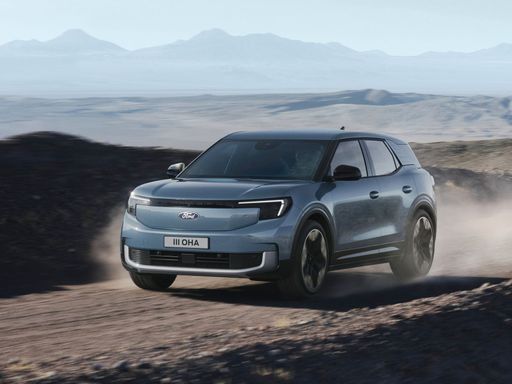
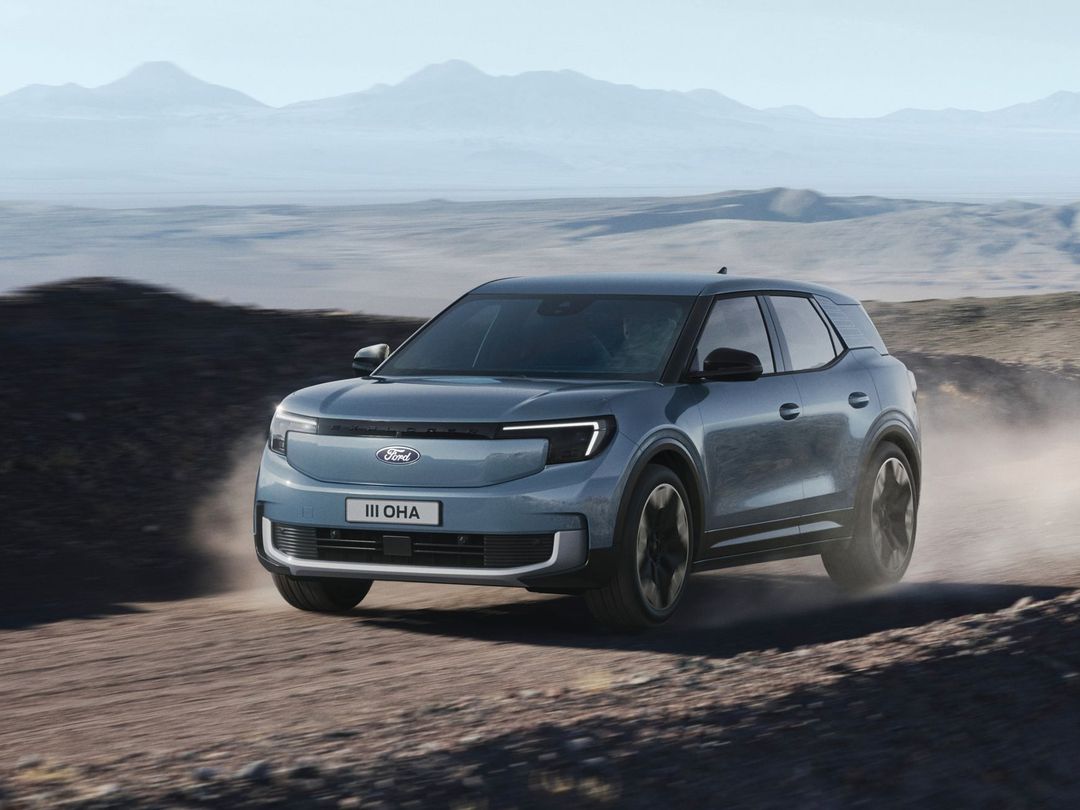
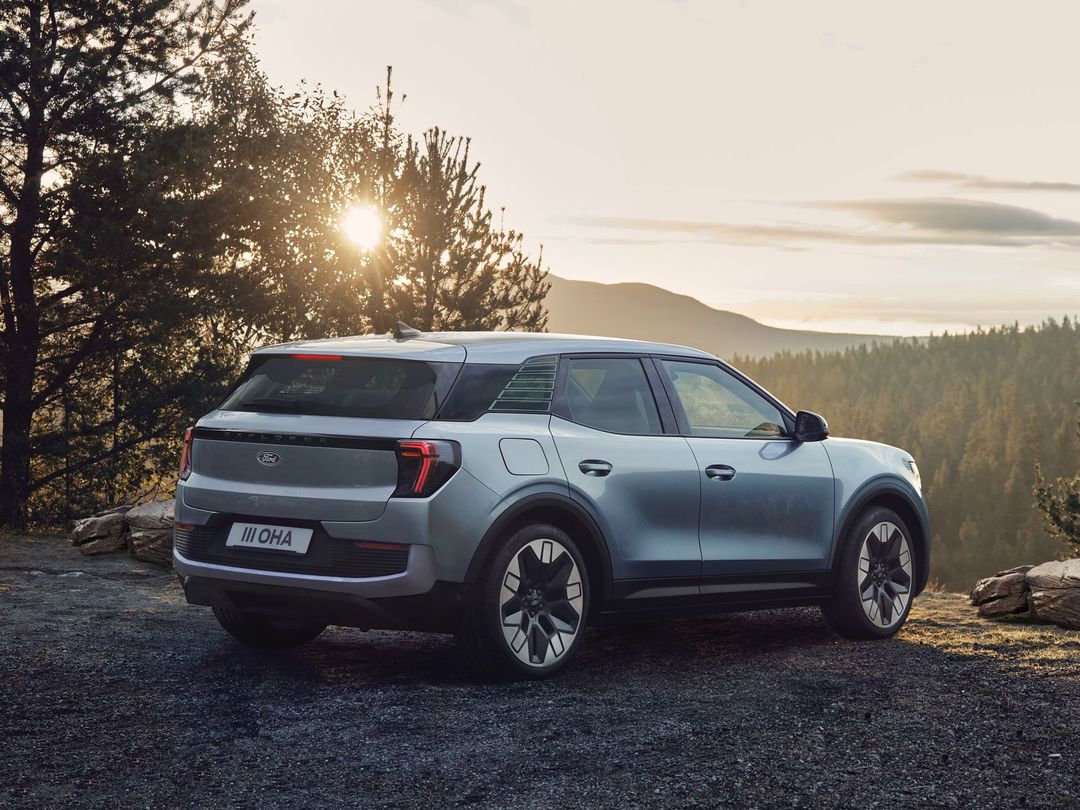
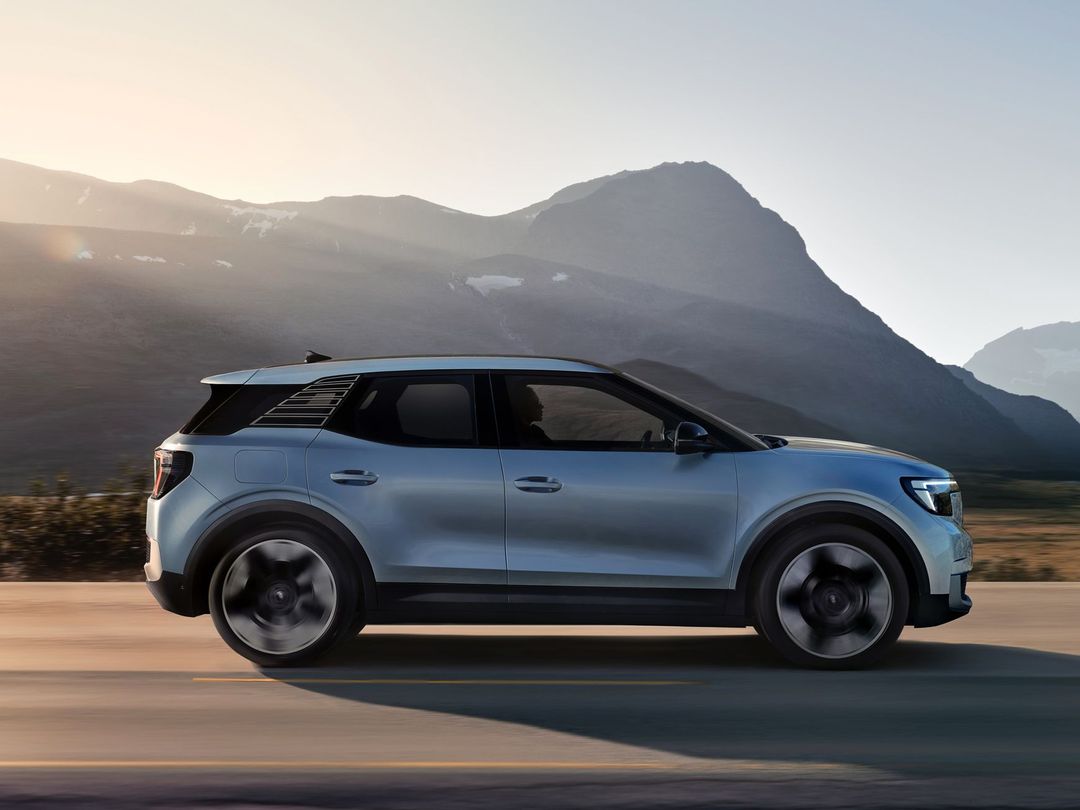
The Explorer EV adopts a familiar SUV stance but with cleaner, more modern lines that signal electric intent without turning into a spaceship; at about 4,468 mm long it sits neatly in the mid‑size class and looks composed rather than oversized. The face is subdued compared with some EVs, relying on a wide light signature and sculpted panels for presence rather than aggressive creases. From curbside it reads as a confident family hauler with enough road presence to stand out without shouting for attention.

@ Ford Motor Company / Ford Media Center

Interior & Usability

The cabin blends familiar Ford ergonomics with electric‑era touches: a restrained dashboard, a clear instrument display and a large central screen that organises functions without too much clutter. Materials are a step above entry‑level rivals, with soft surfaces where hands rest and solid switchgear, while seat comfort suits long runs rather than sporty bolstering. Controls are sensibly arranged and visibility is good, so daily driving and longer trips stay relaxed rather than fiddly.

@ Ford Motor Company / Ford Media Center

Space & Everyday Practicality

Seating for five is the standard layout and rear legroom is generous enough for adult passengers on medium‑distance journeys, while the boot offers around 445–450 litres with seats up and expands to roughly 1,417–1,422 litres when folded for weekend gear or larger loads. Small stowage, cupholders and usable door pockets make life easier for family use, and payload figures in the mid‑500 kg range mean practical loads won’t be a constant worry. The relatively compact exterior dimensions for the class help with parking and garage storage compared with larger three‑row SUVs.

Driving & Handling

Drive configurations cover rear‑wheel and all‑wheel drive with outputs ranging from about 170 to 340 hp, delivering a spectrum from relaxed commuting to genuinely brisk performance — 0–100 km/h varies roughly from around 8.7 down to 5.3 seconds depending on spec. Heavier versions feel planted and composed at speed, while lighter rear‑drive setups emphasize efficiency and everyday comfort; steering is tuned for secure, predictable behaviour rather than sharp sportiness. Road manners prioritise refinement and stability, so the Explorer EV is more confident on highways and sweeping country roads than on tight, twisty B‑roads.

Efficiency/Consumption & Range

Battery options span the low‑50 kWh class up to high‑70 kWh packs, and WLTP range figures stretch from roughly 360 km up to about 600 km depending on battery, drivetrain and equipment; claimed consumption sits in the mid teens of kWh/100 km (around 14.5–17.2 kWh/100 km). In everyday terms that means the longer‑range variants can easily cover long commutes and weekend trips without constant charging, while the smaller battery is better suited to buyers who charge frequently and prioritise lower purchase cost. Real‑world range will depend on speed, temperature and load, so planning longer journeys with charging stops remains prudent.

Assistance & Infotainment

The Explorer EV carries Ford’s latest infotainment approach with a large central screen, a clear digital driver display and smartphone integration that keeps connectivity straightforward without distracting complexity. Driver assist systems include adaptive cruise and lane‑support functions that help on motorway runs and make dense traffic less stressful, while parking aids and cameras simplify tight manoeuvres. The software feels modern and well integrated, although some rivals may offer slightly more intuitive menu layouts or faster update cycles.

Who is it for?

The Explorer EV targets buyers who want a comfortable, practical electric mid‑size SUV with credible long‑range capability and a family‑friendly cabin rather than a compact city EV or a performance‑focused crossover. It suits households that value usable boot space, relaxed long‑distance manners and the option to pick between efficiency‑oriented or higher‑power drivetrains. For those needing aversatile everyday EV that keeps charging stops in check and delivers confident motorway manners, the Explorer EV is a convincing package.

Costs and Consumption

Price
34200 - 48800 £
Consumption L/100km
-
Consumption kWh/100km
14.5 - 17.2 kWh
Electric Range
360 - 602 km
Battery Capacity
52 - 79 kWh
co2
0 g/km
Fuel tank capacity
-

Dimensions and Body

Body Type
SUV
Seats
5
Doors
5
Curb weight
1908 - 2179 kg
Trunk capacity
445 - 450 L
Length
4468 mm
Width
1871 mm
Height
1630 - 1639 mm
Max trunk capacity
1417 - 1422 L
Payload
561 - 585 kg

Engine and Performance

Engine Type
Electric
Transmission
Automatic
Transmission Detail
Reduction Gearbox
Drive Type
Rear-Wheel Drive, All-Wheel Drive
Power HP
170 - 340 HP
Acceleration 0-100km/h
5.3 - 8.7 s
Max Speed
160 - 180 km/h
Torque
310 - 679 Nm
Number of Cylinders
-
Power kW
125 - 250 kW
Engine capacity
-

General

Model Year
2024 - 2025
CO2 Efficiency Class
A
Brand
Ford
What drive types are available for the Ford Explorer EV?

The Ford Explorer EV is available as Rear-Wheel Drive or All-Wheel Drive.

The prices and data displayed are estimates based on German list prices and may vary by country. This information is not legally binding.