Peugeot 208 alternatives & comparisons

Here you can find alternatives to the Peugeot 208, based on existing comparison pages and popular model matchups. We currently show 6 suitable models as a starting point for your buying decision.

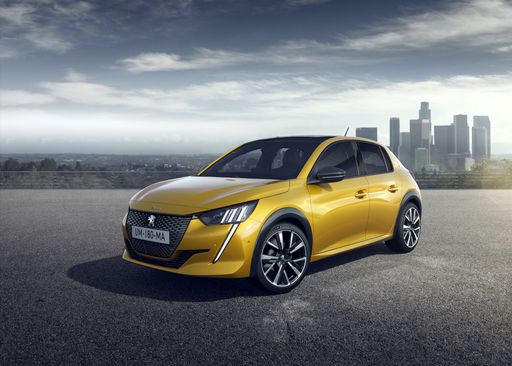
Peugeot 208

Alternative models

These models are frequently compared with the Peugeot 208 and are good next research steps.

from £29,200
308

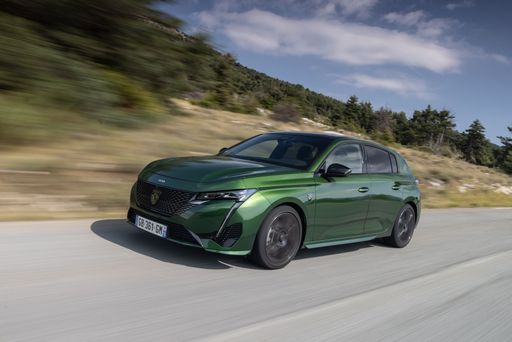
Peugeot 308

  • Engine Type Petrol MHEV, Diesel, Plug-in Hybrid, Electric
  • Transmission Automatic
  • Drive Type Front-Wheel Drive
  • Power HP 131 - 195 HP
  • Consumption L/100km 2.3 - 5.1 L/100km
  • Consumption kWh/100km 15.6 kWh/100km
  • Electric Range 81 - 450 km

Peugeot 308 as a suitable alternative to Peugeot 208

The Peugeot 208 is the cheeky city slicker — nimble, economical and perfect for tight streets and short trips — while the Peugeot 308 is the grown-up hatchback, offering more space, refinement and motorway composure. Pick the 208 for lively, budget-friendly urban driving; choose the 308 if you need comfort, practicality and a car that feels a step up for longer journeys.

The Peugeot 308 brings a sleek, feline profile and an unexpectedly upscale cabin, with clever packaging and materials that feel a touch more premium than you might expect. It’s composed on the road, easy to live with for daily life, and a smart choice if you want a stylish hatch that still behaves when the road gets interesting.

Quick data check: Peugeot 308

  • somewhat more power
  • clearly more efficient
  • very slightly more electric range
  • barely quicker 0–100 km/h
  • somewhat more trunk space
from £24,800
2008

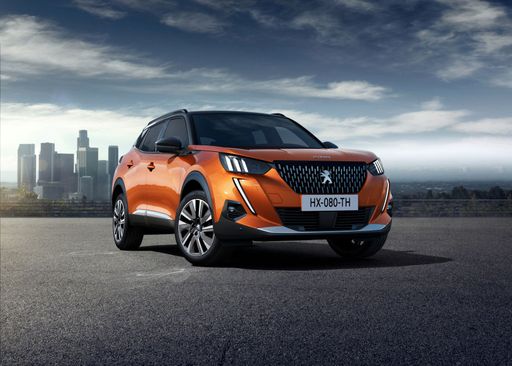
Peugeot 2008

  • Engine Type Petrol MHEV, Electric, Petrol
  • Transmission Automatic, Manual
  • Drive Type Front-Wheel Drive
  • Power HP 101 - 156 HP
  • Consumption L/100km 4.9 - 5.7 L/100km
  • Consumption kWh/100km 15.3 kWh/100km
  • Electric Range 405 km

Peugeot 2008 as a suitable alternative to Peugeot 208

The Peugeot 2008 and 208 share family looks and efficient engines, but they live in different worlds: the 2008 is a compact crossover with more space and a higher driving position, while the 208 is a hatchback that’s sharper to drive and easier to park. Choose the 2008 if you want more luggage room, ride height and family practicality; pick the 208 if you prioritise nimble handling, lower running costs and urban agility.

The Peugeot 2008 is a compact crossover that blends sharp French styling with a practical, high-riding layout, giving it more presence and versatility than a typical small hatchback. Inside it offers a clever, user-friendly cabin with sensible storage and modern infotainment, while a composed ride and efficient powertrains make it well suited to both city errands and longer journeys.

Quick data check: Peugeot 2008

  • a bit more trunk space
from £23,000
Mokka

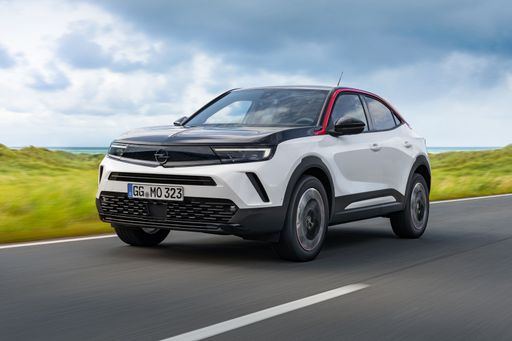
Vauxhall Mokka

  • Engine Type Electric, Petrol, Petrol MHEV
  • Transmission Automatic, Manual
  • Drive Type Front-Wheel Drive
  • Power HP 136 - 281 HP
  • Consumption L/100km 4.9 - 5.7 L/100km
  • Consumption kWh/100km 15.4 - 18.5 kWh/100km
  • Electric Range 336 - 403 km

Vauxhall Mokka as a suitable alternative to Peugeot 208

The Opel Mokka and Peugeot 208 are two popular small models that aim at urban buyers — the Mokka as a compact crossover and the 208 as a nimble hatchback. This comparison focuses on practicality, driving dynamics, equipment and running costs so you can decide which one fits your daily needs and priorities.

The Opel Mokka is a compact crossover that blends bold, modern styling with a practical, city-friendly footprint. It delivers a comfortable ride and a well-appointed interior with straightforward tech, making it a smart choice for urban drivers who want a stylish yet sensible small SUV.

from £21,400
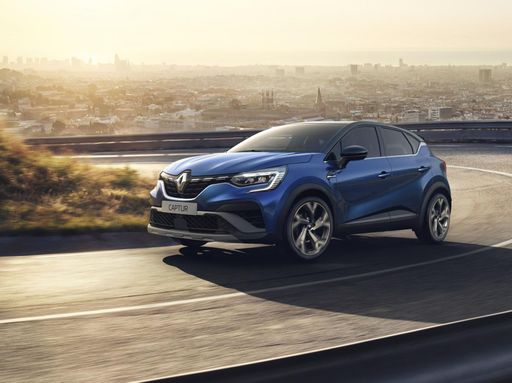
Captur

Renault Captur

  • Engine Type Full Hybrid, Petrol, Petrol MHEV
  • Transmission Automatic, Manual
  • Drive Type Front-Wheel Drive
  • Power HP 115 - 158 HP
  • Consumption L/100km 4.4 - 6 L/100km

Renault Captur as a suitable alternative to Peugeot 208

Peugeot 208 vs Renault Captur — two very different takes on small-car life: the 208 is a stylish, sporty supermini that feels fresh and nimble, while the Captur is a compact crossover that prioritises space, practicality and a higher driving position. Below I compare the most important points to help you pick the one that fits your real needs. Overview - Peugeot 208: A chic supermini that doubles as an engaging city car and comfortable commuter. Available with petrol engines and a fully electric e-208, it aims at driver enjoyment and city agility. - Renault Captur: A small crossover/SUV built around practicality and versatility. Offered with petrol, mild/full-hybrid and plug‑in hybrid options, it’s aimed at buyers who need extra space and a taller driving position without moving up to a family-size car. Driving and dynamics - 208: Light, precise steering and a compact footprint make the 208 very easy and enjoyable to drive in town and on twisty roads. Suspension is tuned for a firmer, sportier feel — good if you value engagement. - Captur: Higher ride height and softer suspension give a more relaxed, comfortable ride, especially on rough surfaces and longer trips. It feels less agile than the 208 but provides better visibility and confidence in traffic. Space and practicality - 208: Typical supermini interior space — comfortable up front, a bit tighter in the rear. Boot is modest (roughly in the low 300‑litres range), so it’s great for daily city tasks and light weekend use. - Captur: Clearly the more practical choice. Rear seats usually slide to vary legroom vs boot space; boot capacity is significantly larger (roughly in the low-to-mid 400s litres depending on seat position). Better for families, shopping runs and carrying bulky items. Powertrains and economy - 208: Commonly rides with Peugeot’s 1.2-litre PureTech petrol engines and is also offered as the fully electric e-208 — the petrols are efficient and punchy for the size, the EV suits commuters who can charge regularly. - Captur: Broader powertrain line-up, including small turbo petrols, mild/full hybrids and plug‑in hybrid variants in many markets. Hybrids give significantly better economy in mixed driving and are worth considering if you want lower running fuel costs without going full EV. Interior, tech and comfort - 208: Distinctive Peugeot “i‑Cockpit” layout with a compact steering wheel and elevated instrument panel — stylish and driver-focused, though some drivers need time to adjust. Infotainment is modern but screen usability varies by trim. - Captur: More conventional and user-friendly cabin layout. Infotainment screens are generally easy to use and the higher seating position makes ingress/egress easier. Materials are comfortable, with many practical storage cubbies. Safety and driver assistance - Both cars offer a competitive suite of modern safety aids (autonomous emergency braking, lane-keep assist, adaptive cruise on higher trims, etc.) and perform well in independent crash testing for their classes. Specific equipment levels vary by trim and market—check the spec list for the features that matter to you. Running costs and ownership - 208: If you choose the petrol models, expect low running costs for a supermini; the e-208 reduces energy costs but increases purchase price (and requires charging). Insurance and servicing costs are generally modest. - Captur: Running costs depend heavily on the chosen powertrain — the hybrids and PHEV can save on fuel if used appropriately. Crossovers sometimes attract slightly higher insurance and fuel costs than equivalent small hatchbacks, but they often hold value well. Practical buying considerations - Price: Captur tends to be priced a bit higher for similar equipment due to size and powertrain options, especially with hybrids or PHEV. The 208 is typically more affordable to buy and run in base petrol form. - Resale: Crossovers remain popular, so Captur resale values are typically strong. EVs (e-208) and hybrid Capturs may depreciate differently depending on market demand and incentives. - Reliability: Both manufacturers have improved reliability; consider service history, warranty and dealer support in your market when buying new or used. Quick pros and cons - Peugeot 208 - Pros: Agile, stylish, fun to drive, compact for easy parking, available as full EV. - Cons: Less rear-seat space and boot capacity than the Captur; i‑Cockpit layout is not to everyone’s taste. - Renault Captur - Pros: More space and flexibility, higher driving position, wide powertrain choice (including hybrids), comfortable ride. - Cons: Less engaging to drive, can be pricier for equivalent kit, larger footprint for tight urban parking. Who should pick which - Choose the Peugeot 208 if: - You want a compact, easy-to-park car that’s enjoyable to drive and looks modern. - You mostly drive in the city or single-driver commuting and don’t need large rear space or a big boot. - You’re considering an electric option for daily commuting and access to charging. - Choose the Renault Captur if: - You need more practicality — bigger boot, sliding rear seats, and a higher seating position are priorities. - You want flexibility in powertrains (hybrid/PHEV options) for better economy on longer journeys or mixed driving. - You carry passengers or luggage often and prefer a more comfortable, softer ride. Bottom line If you prioritise driving enjoyment, urban agility and style, the Peugeot 208 is the stronger pick. If you need versatility, space and a comfortable higher ride, the Renault Captur is the better all‑round choice. Test-drive both with the trim and powertrain you’d realistically buy — that’s the fastest way to know which one will fit your daily life.

The Renault Captur is a stylish and practical compact crossover that combines a high seating position and easy manoeuvrability with a comfortable, well‑equipped cabin. Its flexible interior layout and modern infotainment make it a sensible, polished choice for city drivers and small families.


Quick data check: Renault Captur

  • very slightly more power
  • marginally more efficient
  • somewhat more trunk space
from £23,900
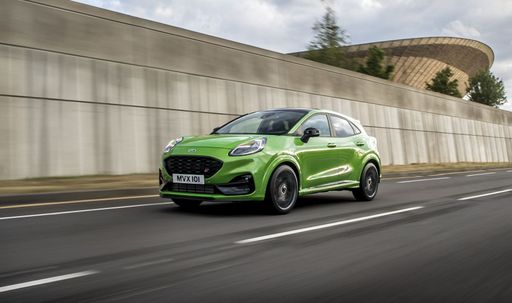
Puma

Ford Puma

  • Engine Type Petrol MHEV, Electric
  • Transmission Manual, Automatic
  • Drive Type Front-Wheel Drive
  • Power HP 125 - 168 HP
  • Consumption L/100km 5.4 - 5.9 L/100km
  • Consumption kWh/100km 13 - 13.9 kWh/100km
  • Electric Range 404 - 417 km

Ford Puma as a suitable alternative to Peugeot 208

The Ford Puma and the Peugeot 208 are two of the most compelling small cars on sale today, but they take different approaches: the Puma is a compact crossover with a sporty, practical focus while the 208 is a sleek city hatchback that prioritises style and efficiency. Choosing between them comes down to whether you want the Puma's raised ride, extra practicality and punchy mild‑hybrid options, or the 208's sharper urban driving, interior flair and frugal engines.

The Ford Puma blends sporty styling with practical everyday usability, making it a smart choice for drivers who want flair without sacrificing versatility. Its engaging driving character and clever interior packaging give it a more dynamic and useful feel than many rivals.

Quick data check: Ford Puma

  • very slightly more power
  • marginally more efficient
  • slightly quicker 0–100 km/h
  • visibly more trunk space
from £14,600
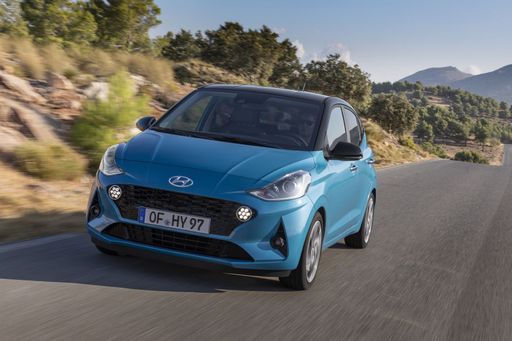
i10

Hyundai i10

  • Engine Type Petrol
  • Transmission Manual, Automatic
  • Drive Type Front-Wheel Drive
  • Power HP 63 - 90 HP
  • Consumption L/100km 4.9 - 5.5 L/100km

Hyundai i10 as a suitable alternative to Peugeot 208

In the compact city car segment, the Hyundai i10 and Peugeot 208 offer distinct yet appealing options for urban drivers. The Hyundai i10 is renowned for its budget-friendly pricing and remarkable practicality, making it an ideal choice for those seeking efficiency and reliability. On the other hand, the Peugeot 208 stands out with its stylish design and more upscale interior, appealing to those who prioritize aesthetics and a premium driving experience.

The Hyundai i10 is a cheeky city car that squeezes big-car confidence into a pocket-friendly package, carving through tight streets with surprising composure and sensible practicality. For buyers after low fuss, sensible equipment and wallet-friendly running costs, it's a smart, no-nonsense pick that makes sense whether you're a first-time driver or need a reliable second car.

Quick data check: Hyundai i10

  • considerably cheaper
  • slightly lighter
DriveDuel uses data analysis and artificial intelligence to evaluate vehicle data and create content. Content is regularly reviewed and improved. The displayed prices are estimates based on German list prices, adjusted to the respective country’s VAT. Country-specific registration taxes are not included. This information is not legally binding.