Renault Scénic alternatives & comparisons

Here you can find alternatives to the Renault Scénic, based on existing comparison pages and popular model matchups. We currently show 6 suitable models as a starting point for your buying decision.

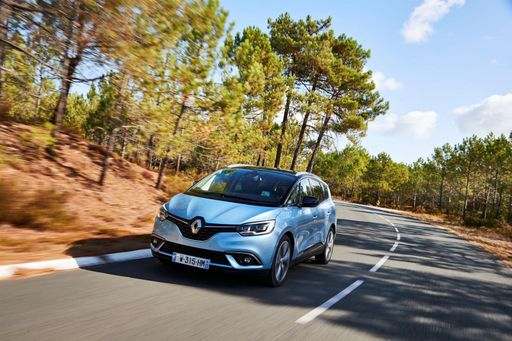
Renault Scénic

Alternative models

These models are frequently compared with the Renault Scénic and are good next research steps.

from £24,700
Symbioz

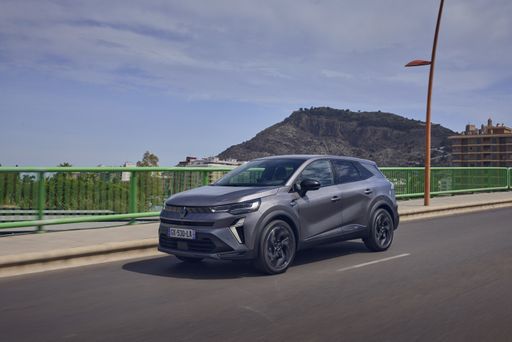
Renault Symbioz

  • Engine Type Full Hybrid, Petrol MHEV
  • Transmission Automatic, Manual
  • Drive Type Front-Wheel Drive
  • Power HP 140 - 158 HP
  • Consumption L/100km 4.5 - 6 L/100km

Renault Symbioz as a suitable alternative to Renault Scénic

Comparing the Renault Symbioz and the Renault Scénic puts Renault’s futuristic Symbioz concept—built to showcase electric and autonomous technology—against the practical, family-oriented Scénic MPV. This quick head-to-head will help you decide whether cutting-edge design and tech or everyday space, comfort and proven practicality matter more for your needs.

The Renault Symbioz is a forward-looking concept car that imagines a seamless link between vehicle and home, pairing a lounge-like cabin with striking, futuristic styling. More idea than production plan, it showcases Renault's vision for connected, autonomous and sustainable mobility while provoking debate about how we will live and travel.

Quick data check: Renault Symbioz

  • significantly cheaper
  • markedly lighter
  • only slightly more trunk space
from £32,000
Elroq

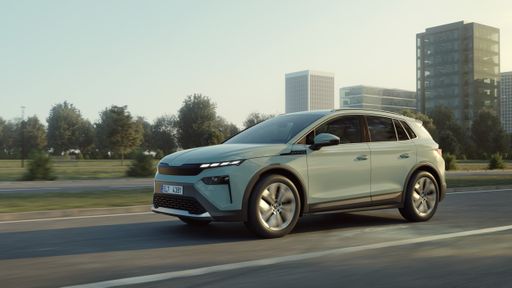
Skoda Elroq

  • Engine Type Electric
  • Transmission Automatic
  • Drive Type Rear-Wheel Drive, All-Wheel Drive
  • Power HP 190 - 340 HP
  • Consumption kWh/100km 15.1 - 16.3 kWh/100km
  • Electric Range 441 - 574 km

Skoda Elroq as a suitable alternative to Renault Scénic

The Renault Scenic and the Skoda Elroq are two compact, family-focused models that prioritize practicality and everyday comfort. I’ll compare them on space, efficiency, driving feel, equipment and running costs so you can decide which suits your needs best.

The Skoda Elroq is a practical and well-rounded compact SUV that blends clever packaging with a calm, comfortable ride. It offers a sensible interior, straightforward technology and a value-focused approach, making it a particularly good choice for families and everyday drivers.

Quick data check: Skoda Elroq

  • very slightly cheaper
  • noticeably more power
  • marginally more efficient
  • clearly quicker 0–100 km/h
from £40,200
EV3

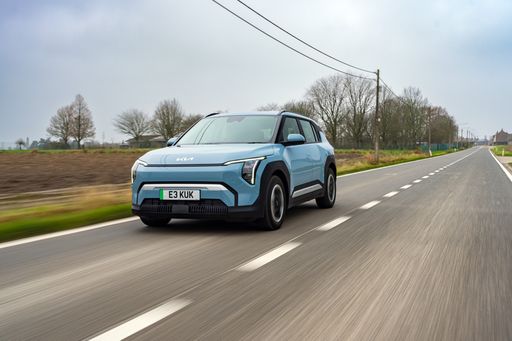
Kia EV3

  • Engine Type Electric
  • Transmission Automatic
  • Drive Type All-Wheel Drive
  • Power HP 265 HP
  • Consumption kWh/100km 15.8 kWh/100km
  • Electric Range 572 km

Kia EV3 as a suitable alternative to Renault Scénic

In the electric vehicle segment, the Kia EV3 stands out with its sleek design and cutting-edge technology, offering an impressive range that appeals to eco-conscious consumers. Meanwhile, the Renault Scénic impresses with its spacious interior and innovative modular features, making it a versatile option for families. Both vehicles showcase their manufacturers' commitment to sustainability, but the choice ultimately comes down to prioritizing either style or practicality.

The Kia EV3 is a stylish, user-friendly electric crossover that focuses on practicality and a roomy, well-equipped cabin. It delivers a comfortable ride with intuitive technology and efficient everyday performance, making it a sensible choice for city and family use.

Quick data check: Kia EV3

  • a bit more power
  • marginally more efficient
  • slightly quicker 0–100 km/h
from £35,100
Mégane

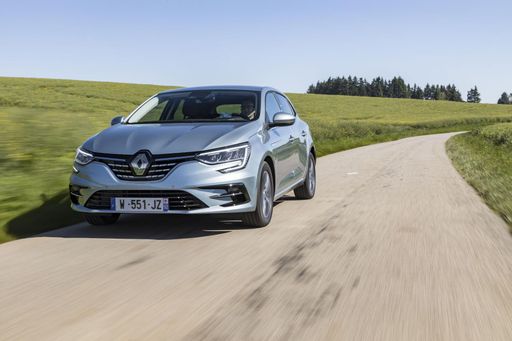
Renault Mégane

  • Engine Type Electric
  • Transmission Automatic
  • Drive Type Front-Wheel Drive
  • Power HP 218 HP
  • Consumption kWh/100km 15.4 kWh/100km
  • Electric Range 452 km

Renault Mégane as a suitable alternative to Renault Scénic

Renault Megane vs Renault Scenic — two very different takes on the same family umbrella: the Megane is the sharper, more car-like hatchback while the Scenic is the roomier, more practical compact MPV. Below I compare the two on the things that matter to real buyers so you can pick which one fits your life. Quick summary - Renault Megane: Best if you want a more engaging hatch with sharper styling, lower running costs and a smaller footprint for city driving. - Renault Scenic: Best if you need interior space, easy access, higher seating position and practicality for family life or carrying bulky loads. Size and practicality - Megane: A conventional hatch (or estate if you opt for the Sport Tourer) with good everyday practicality and a usable boot, but less interior volume and rear-seat space than the Scenic. Easier to park in tight urban streets and generally lighter to drive. - Scenic: Designed around space and versatility — higher roofline, more headroom, easier access for kids or older passengers and a more flexible load area. If you regularly carry children, pushchairs or awkward items, Scenic wins. Driving dynamics - Megane: Tends to be the more composed, responsive car with firmer suspension and better body control — it feels more like a car to drive rather than a people carrier. Steering and handling suit someone who enjoys a confident, predictable chassis. - Scenic: Prioritises comfort and a smooth ride over sharp handling. You sit higher and visibility is better, but body roll is more noticeable and it won’t feel as agile as the Megane. Interior and comfort - Megane: Interior quality varies by trim but generally focused, driver-centric and more compact. Good ergonomics and tighter packaging. - Scenic: More family-friendly layout with clever storage, higher seating and often more thoughtful touches for rear passengers (folding tables, sunblinds, etc.) — better for long trips with passengers. Technology and safety - Both cars offer the usual modern driver-assistance systems (lane-keep, adaptive cruise, automatic emergency braking) depending on trim and model year. Megane models have been at the forefront of Renault’s newer infotainment and digital driver displays; Scenic trims often prioritise practical features over sporty tech. Check trim spec lists because optional packs can make a big difference. Running costs and ownership - Megane: Typically cheaper to run — a lighter car, often lower insurance groups and better fuel economy if you don’t need a big engine. Electric or hybrid variants exist in some Megane ranges, which change ownership costs considerably. - Scenic: Higher fuel consumption and operating costs are likely because of the bigger body and weight, and insurance/tax can be pricier. However, if your usage needs the space, the trade-off can be worthwhile. Practical buying advice - Test-drive both loaded with what you normally carry (passengers, car seats, luggage). Don’t judge room from an empty showroom. - If buying used, check service history and look for regular maintenance (timing belts on older engines, evidence of DPF regeneration on diesels). Inspect suspension and interior wear on Scenic models that have carried children. Verify infotainment and driver-assist features work correctly. - Choose a mid-spec for a balanced mix of safety and comfort; go higher if you want advanced cameras, adaptive cruise and leather/upmarket finishes. Common use cases — which to pick? - Choose the Renault Megane if: you want a better-handling, more economical everyday car, park in tight spaces, and rarely need the extra rear-room of an MPV. Ideal for commuters and couples. - Choose the Renault Scenic if: you need easy access, lots of practical space, more comfortable rear seating for children or regular passengers, and you prioritise versatility over sportiness. Ideal for families and people who carry bulky gear. Final thought Both are solid choices from Renault but answer different questions. If you care about driving feel, efficiency and a compact footprint, go Megane. If space, accessibility and family-first practicality matter most, go Scenic. Take both for a proper, luggage-loaded test drive and the right choice will be obvious.

The Renault Mégane blends Gallic flair with practical everyday charm, showing that sensible transport can still have personality and poise. It’s a smart pick for buyers who want a comfortable, stylish hatchback that feels a little more special than the usual commute companion.


Quick data check: Renault Mégane

  • only slightly more efficient
  • barely quicker 0–100 km/h
  • only slightly lighter
from £34,200
Explorer EV

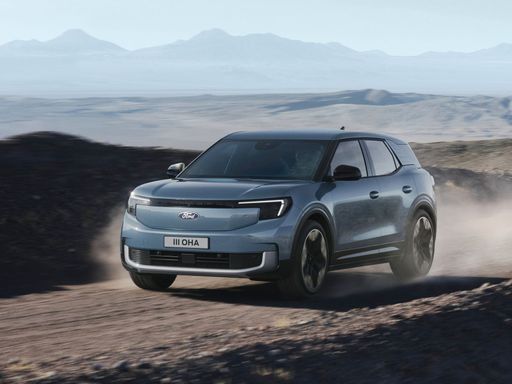
Ford Explorer EV

  • Engine Type Electric
  • Transmission Automatic
  • Drive Type Rear-Wheel Drive, All-Wheel Drive
  • Power HP 190 - 340 HP
  • Consumption kWh/100km 14.6 - 17.3 kWh/100km
  • Electric Range 417 - 602 km

Ford Explorer EV as a suitable alternative to Renault Scénic

In a head-to-head comparison, the Ford Explorer EV stands out with its robust performance and spacious, tech-rich interior, making it an enticing option for families seeking adventure. Meanwhile, the Renault Scénic emphasizes practicality and efficiency, featuring a compact design and impressive fuel economy that appeals to urban drivers. Ultimately, the choice between these two models boils down to lifestyle needs, with the Explorer EV excelling in power and space, while the Scénic offers a more versatile, city-friendly solution.

The Explorer EV brings the familiar presence and practicality of an Explorer into the electric age, offering roomy comfort and modern tech for everyday life and family trips. It feels composed on the road and serves as a straightforward, user-friendly alternative to conventional gas-powered SUVs.

Quick data check: Ford Explorer EV

  • very slightly cheaper
  • visibly more power
  • moderately more efficient
  • only slightly more electric range
  • significantly quicker 0–100 km/h
from £29,900
Austral

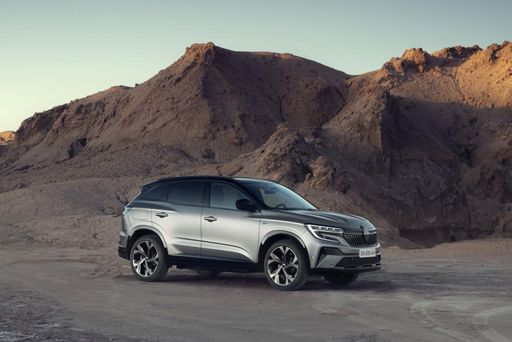
Renault Austral

  • Engine Type Petrol MHEV
  • Transmission Automatic
  • Drive Type Front-Wheel Drive
  • Power HP 148 HP
  • Consumption L/100km 6.4 L/100km

Renault Austral as a suitable alternative to Renault Scénic

This comparison pits the Renault Austral against the Renault Scénic to help you choose between Renault’s compact, tech‑focused SUV and its more family‑oriented, practicality‑first model. I’ll highlight key differences in space, driving feel, efficiency and equipment so you can decide which suits your daily needs and budget.

The Renault Austral is a stylish, well-built crossover that blends a comfortable ride with a spacious, modern cabin. It combines everyday-friendly refinement and contemporary technology with a focus on safety and practicality, making it a sensible choice for drivers who want an all-round family car.

Quick data check: Renault Austral

  • a bit cheaper
  • slightly lighter
  • only slightly more trunk space
DriveDuel uses data analysis and artificial intelligence to evaluate vehicle data and create content. Content is regularly reviewed and improved. The displayed prices are estimates based on German list prices, adjusted to the respective country’s VAT. Country-specific registration taxes are not included. This information is not legally binding.