Skoda Karoq alternatives & comparisons

Here you can find alternatives to the Skoda Karoq, based on existing comparison pages and popular model matchups. We currently show 6 suitable models as a starting point for your buying decision.

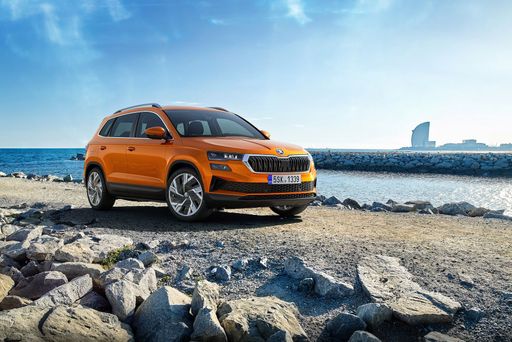
The Skoda Karoq is a smart, unfussy compact SUV that blends roomy practicality with a pleasantly composed driving character. It won’t turn heads at a car meet, but it will make daily life easier with clever storage, sensible ergonomics and a reassuringly grown-up ride.

Skoda Karoq

Alternative models

These models are frequently compared with the Skoda Karoq and are good next research steps.

from £30,200
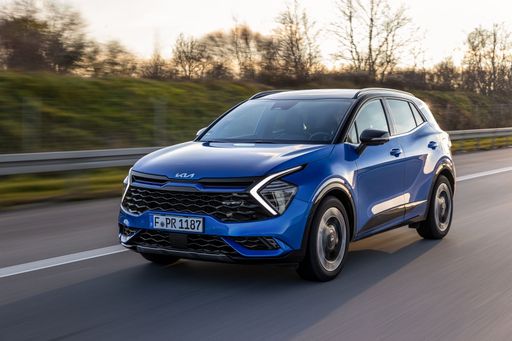
Sportage

Kia Sportage

  • Engine Type : Petrol, Full Hybrid, Diesel MHEV, Plugin Hybrid
  • Transmission : Manuel, Automatic
  • Drive Type : Front-Wheel Drive, All-Wheel Drive
  • Power HP : 136 - 288 HP
  • Consumption L/100km : 2.9 - 7.8 L/100km
  • Electric Range : 63 - 66 km

Kia Sportage as a suitable alternative to Skoda Karoq

The Kia Sportage flaunts a bolder design, plush cabin and tech-heavy kit that feels like buying the future — perfect if you want comfort and a bit of showmanship on your commute. The Skoda Karoq plays the sensible sibling: conservative looks, clever packaging, enjoyable handling and better value, so pick it if you prefer function over flash (and a smugly tidy boot).

The Kia Sportage proves you don't have to choose between style and sensible family motoring, wrapping modern, confident looks around a roomy, well-equipped cabin. It's an easy car to live with — comfortable on daily runs, pleasantly engaging when you want a bit of fun, and kind to your wallet so you can keep smiling at the fuel pump.

Quick data check: Kia Sportage

  • only slightly cheaper
  • very slightly quicker 0–100 km/h
  • a bit lighter
  • markedly more power
  • clearly more efficient
  • a bit more trunk space
from £36,800
XC40

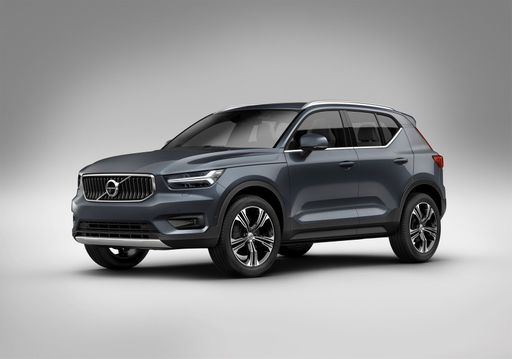
Volvo XC40

  • Engine Type : Petrol MHEV
  • Transmission : Automatic
  • Drive Type : Front-Wheel Drive
  • Power HP : 163 - 197 HP
  • Consumption L/100km : 6.5 L/100km

Volvo XC40 as a suitable alternative to Skoda Karoq

The Skoda Karoq is the sensible, spacious family SUV that puts practicality and value first — roomy boot, low running costs and a no-nonsense interior that feels built to last. The Volvo XC40, by contrast, serves up Scandi style, sharper tech and a more premium cabin (plus safety kit you can brag about), so if you want flair and refinement over outright thrift, that’s the one to splurge on.

The Volvo XC40 wraps Scandinavian minimalism into a compact, city-ready SUV with a premium cabin that feels both practical and grown-up. It will suit buyers who prize safety, clever storage and a composed ride, proving that small dimensions don't mean small personality.

Quick data check: Volvo XC40

  • visibly cheaper
  • noticeably more efficient
  • marginally quicker 0–100 km/h
  • clearly lighter
  • slightly more trunk space
  • very slightly more power
from £31,700
Corolla Cross

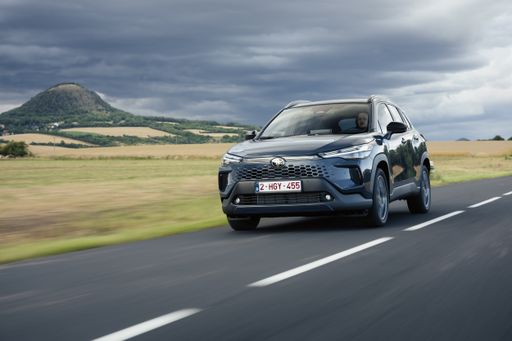
Toyota Corolla Cross

  • Engine Type : Full Hybrid
  • Transmission : Automatic
  • Drive Type : Front-Wheel Drive, All-Wheel Drive
  • Power HP : 140 - 180 HP
  • Consumption L/100km : 4.9 - 5.3 L/100km

Toyota Corolla Cross as a suitable alternative to Skoda Karoq

We line up the Skoda Karoq against the Toyota Corolla Cross to settle which compact SUV deserves your keys. The Karoq brings clever Czech packaging and Euro finesse, while the Corolla Cross answers with Toyota’s rock‑solid reliability and wallet‑friendly running costs—so read on if you prefer clever tricks or dependable, economical transport.

The Toyota Corolla Cross takes the familiar Corolla recipe, lifts it up and dresses it in SUV clothes — sensible, comfortable and blessedly unflashy. It won’t thrill the enthusiast, but its easy manners, clever packaging and dependable feel make it an ideal everyday car for shoppers who prefer sense over sass.

Quick data check: Toyota Corolla Cross

  • very slightly cheaper
  • only slightly more power
  • marginally quicker 0–100 km/h
  • a bit more trunk space
from £20,900
Tucson

Hyundai Tucson

  • Engine Type : Petrol, Full Hybrid, Plugin Hybrid, Diesel MHEV
  • Transmission : Manuel, Automatic
  • Drive Type : Front-Wheel Drive, All-Wheel Drive
  • Power HP : 136 - 288 HP
  • Consumption L/100km : 2.7 - 7.6 L/100km
  • Electric Range : 63 - 70 km

Hyundai Tucson as a suitable alternative to Skoda Karoq

The Hyundai Tucson delivers futuristic styling, a roomy, tech-rich cabin and punchy powertrains that make it the practical yet showy family SUV in this duel. The Skoda Karoq, meanwhile, trades flash for cleverness — smaller and sharper to drive with brilliant storage solutions and better everyday value if you prioritise sensible packaging over headline looks.

Hyundai Tucson marries bold, sculpted looks with a clever, roomy cabin that feels smarter than its price tag suggests. It's composed on the road, easy to live with day-to-day, and a sensible choice for buyers who want SUV style without the showroom theatrics.

Quick data check: Hyundai Tucson

  • barely quicker 0–100 km/h
  • a bit lighter
  • noticeably cheaper
  • noticeably more power
  • considerably more efficient
  • moderately more trunk space
from £29,600
Qashqai

Nissan Qashqai

  • Engine Type : Petrol MHEV, Full Hybrid
  • Transmission : Manuel, Automatic
  • Drive Type : Front-Wheel Drive, All-Wheel Drive
  • Power HP : 140 - 205 HP
  • Consumption L/100km : 4.5 - 6.8 L/100km

Nissan Qashqai as a suitable alternative to Skoda Karoq

The Nissan Qashqai stands out with its sleek design and efficiency, making it an ideal choice for urban adventures, while the Skoda Karoq offers remarkable practicality and interior space, appealing to families and long-distance travelers. Both crossovers come equipped with a suite of advanced technology and safety features, though the Skoda often steals the spotlight with its user-friendly infotainment system. Ultimately, the decision between the two may rest on personal preference, whether one prioritizes style and fuel economy or space and comfort.

The Nissan Qashqai blends practical, family-friendly packaging with SUV styling that refuses to shout, making it a sensible and dependable choice for everyday life. It’s comfortable to live with, economical on the road, and neatly equipped enough to feel modern without ever feeling precious — perfect if you want crossover versatility without the drama.

Quick data check: Nissan Qashqai

  • very slightly cheaper
  • very slightly quicker 0–100 km/h
  • very slightly lighter
  • marginally more trunk space
  • barely more power
  • barely more efficient
from £34,200
Kuga

Ford Kuga

  • Engine Type : Petrol, Full Hybrid, Plugin Hybrid
  • Transmission : Manuel, Automatic
  • Drive Type : Front-Wheel Drive, All-Wheel Drive
  • Power HP : 150 - 243 HP
  • Consumption L/100km : 2.8 - 6.8 L/100km
  • Electric Range : 68 km

Ford Kuga as a suitable alternative to Skoda Karoq

The Ford Kuga drives with a bit more panache—sharper steering, punchier engines and the kind of gadgetry that makes motorway miles fly by—while the Skoda Karoq quietly wins hearts with sensible packaging, excellent practicality and the sort of roominess that swallows weekend luggage without complaint. Choose the Kuga if you want a livelier drive and tech flare, pick the Karoq if you value space, value and no-nonsense reliability—one thrills, the other simply gets on with the job (and fits the pram).

The Kuga is Ford’s adaptable family SUV that blends usable space with a surprisingly lively driving character, making daily commutes and weekend escapes equally enjoyable. With smart interior packaging, an easy-to-use infotainment setup and composed road manners, it’s a sensible choice for buyers who want a bit of fun without the fuss.

Quick data check: Ford Kuga

  • slightly cheaper
  • very slightly quicker 0–100 km/h
  • slightly lighter
  • noticeably more power
  • significantly more efficient
DriveDuel uses data analysis and artificial intelligence to evaluate vehicle data and create content. Content is regularly reviewed and improved. The displayed prices are estimates based on German list prices, adjusted to the respective country’s VAT. Country-specific registration taxes are not included. This information is not legally binding.