Ford Explorer EV as a suitable alternative to Tesla Model 3
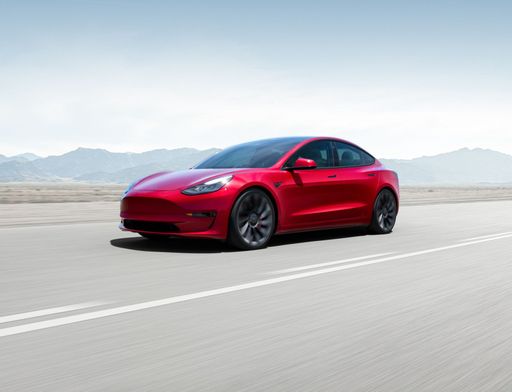
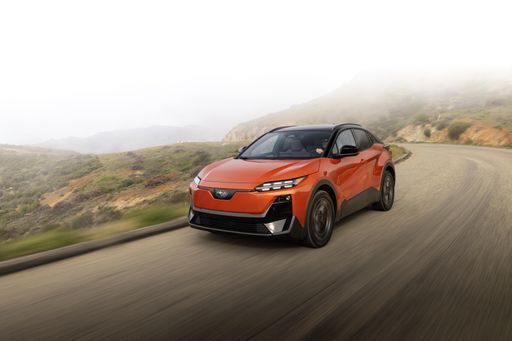
Comparing the Ford Explorer EV and the Tesla Model 3 puts a large, family‑focused electric SUV against a compact, driver‑oriented electric sedan. The Explorer EV is aimed at buyers who need space and versatility, while the Model 3 favors efficiency, sharper dynamics and Tesla’s mature software/charging ecosystem.
Quick takeaway
- Pick the Explorer EV if you want a roomy, practical three‑row SUV (or a large two‑row with lots of cargo), higher towing and a more conventional, family‑friendly layout.
- Pick the Model 3 if you want a more affordable, efficient and sporty electric sedan with superior charging network access, lower running costs and strong tech/performance for its price.
Head‑to‑head
Size & practicality
- Explorer EV: Positioned as a full‑size or near‑full‑size electric SUV — emphasis on passenger space (three rows likely), flexible seating, and larger cargo capacity. Better for families, car seats and hauling people or gear.
- Model 3: Compact/near‑midsize sedan — comfortable for five adults but no third row; trunk and frunk add useful luggage space but overall cargo volume is clearly less than an SUV.
Range & charging
- Explorer EV: Expect a competitive range for its size but typically lower than a compact sedan’s EPA numbers. Charging speeds will be decent but may lag the peak rates of Tesla’s newest cars and depend on Ford’s charging partnerships.
- Model 3: Strong efficiency and range for its class. Excellent access to Tesla Supercharger network and high real‑world charging speeds, which translate to easier long‑distance travel and shorter charging stops.
Performance & driving experience
- Explorer EV: Tuned for comfort and stability; heavier, higher center of gravity than a sedan. Acceleration is brisk in higher trims but overall handling favors composed, comfortable driving over sporty agility.
- Model 3: Known for sharp steering, quick acceleration (especially Dual‑Motor and Performance trims) and a low center of gravity that delivers engaging handling and better overall efficiency.
Interior & technology
- Explorer EV: Likely a more traditional interior with established controls, larger physical switches and family‑friendly ergonomics. Ford’s SYNC infotainment is feature‑rich and improving.
- Model 3: Minimalist cabin with a big central touchscreen controlling most functions. Tesla’s software, frequent OTA updates, integrated navigation with Supercharger routing, and active feature rollout are major pluses — though the minimal layout isn’t everyone’s taste.
Driver assistance & safety
- Explorer EV: Expected to offer advanced ADAS features and strong safety equipment; Ford’s Co‑Pilot360 suite (or its successor) provides many active safety systems. Actual capability and refinement depend on trim and optional packages.
- Model 3: Strong safety record and mature Autopilot suite; FSD is optional and controversial but regular software improvements keep adding features. Tesla’s driver assist is among the most visible in the market.
Cost & value
- Explorer EV: Likely to be pricier than a Model 3 when comparing similarly equipped vehicles, especially for larger battery/trim levels; total cost of ownership depends on trim, incentives, and real world efficiency.
- Model 3: Generally offers strong value for a performance/tech package in its price band. Lower energy consumption and access to Superchargers (depending on policy) can reduce long‑term charging costs.
Practical ownership notes
- Explorer EV: Better choice if you regularly carry lots of people, need towing capability, or prefer an SUV driving position. Charging infrastructure compatibility will depend on Ford’s partnered networks and adapters.
- Model 3: Better for commuting, single‑family use, or buyers who prioritize driving dynamics and fast, widely available charging. Tesla’s software ecosystem tends to simplify long‑term updates and remote diagnostics.
Who each is best for
- Choose the Explorer EV if: you need third‑row seating or significantly more interior/cargo space, you tow occasionally, or you prefer a traditional SUV layout for family life.
- Choose the Model 3 if: you want a more efficient, sportier drive, lower running costs, faster access to charging infrastructure, and the benefits of Tesla’s software/OTA culture.
Bottom line
If daily practicality and passenger hauling are your priority, the Explorer EV will likely be the better fit. If efficiency, charging convenience, sharper driving dynamics and a lower purchase price (in many trims) matter most, the Model 3 is the smarter, more driver‑focused choice.
The Explorer EV brings the familiar presence and practicality of an Explorer into the electric age, offering roomy comfort and modern tech for everyday life and family trips. It feels composed on the road and serves as a straightforward, user-friendly alternative to conventional gas-powered SUVs.