Tesla Model Y alternatives & comparisons

Here you can find alternatives to the Tesla Model Y, based on existing comparison pages and popular model matchups. We currently show 6 suitable models as a starting point for your buying decision.

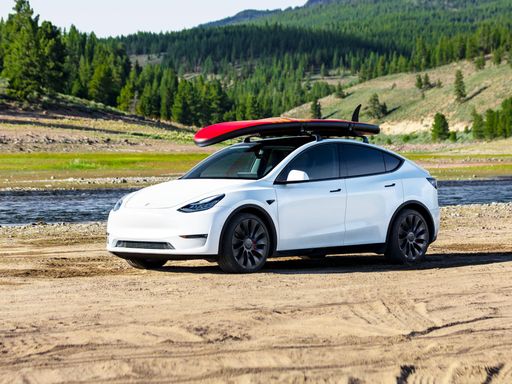
Tesla Model Y

Alternative models

These models are frequently compared with the Tesla Model Y and are good next research steps.

from £36,000
C-HR+

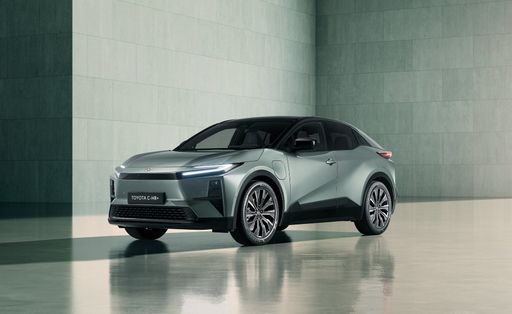
Toyota C-HR+

  • Engine Type Electric
  • Transmission Automatic
  • Drive Type Front-Wheel Drive, All-Wheel Drive
  • Power HP 167 - 343 HP
  • Consumption kWh/100km 13.4 - 15.5 kWh/100km
  • Electric Range 458 - 607 km

Toyota C-HR+ as a suitable alternative to Tesla Model Y

The Tesla Model Y and Toyota C-HR represent two different approaches to compact crossovers: the Model Y emphasizes electric range, advanced tech and spacious practicality, while the C-HR focuses on bold styling, efficient combustion options and affordability. This comparison cuts through specs and marketing to weigh real-world practicality, running costs, driving feel and ownership considerations so you can choose the better fit for your needs.

The Toyota C‑HR is a distinctive crossover that pairs bold, coupe‑like styling with a comfortable, composed ride suited to daily city and suburban driving. It appeals to buyers who value standout design, practical cabin packaging and a refined, easy‑to‑use experience rather than outright performance or rugged off‑road ability.

Quick data check: Toyota C-HR+

  • marginally cheaper
  • clearly more power
  • marginally more efficient
  • barely more electric range
  • substantially quicker 0–100 km/h
  • substantially more trunk space
  • marginally lighter
from £41,100
7GT

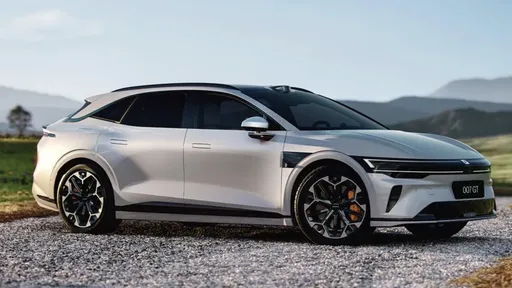
ZEEKR 7GT

  • Engine Type Electric
  • Transmission Automatic
  • Drive Type Rear-Wheel Drive, All-Wheel Drive
  • Power HP 421 - 646 HP
  • Consumption kWh/100km 16.6 - 19.8 kWh/100km
  • Electric Range 519 - 655 km

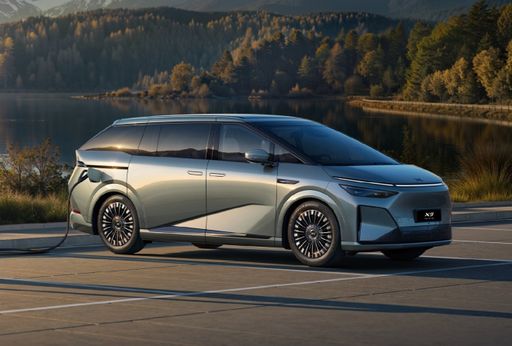
ZEEKR 7GT as a suitable alternative to Tesla Model Y

The Tesla Model Y and the ZEEKR 7GT represent two different philosophies in the electric-SUV space: the Model Y emphasizes range, efficiency and Tesla’s integrated software and charging ecosystem, while the ZEEKR 7GT prioritizes a more luxurious cabin, refined ride and feature-rich hardware. Which is better for you comes down to whether you value proven charging convenience and simplicity (Model Y) or a premium, comfort-oriented experience with advanced in-car tech (ZEEKR 7GT).

The Zeekr 7 GT stakes its claim as a smartly styled, quietly confident grand tourer that mixes comfort with a sporty edge to keep daily drives interesting. Inside it feels more grown-up EV than gadget toy, offering a polished cabin and driver-focused flair that will appeal to buyers who want presence without pretension.
Quick data check: ZEEKR 7GT

  • clearly cheaper
  • clearly more efficient
  • a bit lighter
  • substantially more trunk space
  • markedly more power
  • marginally more electric range
  • marginally quicker 0–100 km/h
from £42,800
CX-6e

Mazda CX-6e

  • Engine Type Electric
  • Transmission Automatic
  • Drive Type Rear-Wheel Drive
  • Power HP 258 HP
  • Consumption kWh/100km 18.9 - 19.4 kWh/100km
  • Electric Range 468 - 484 km

Mazda CX-6e as a suitable alternative to Tesla Model Y

The Tesla Model Y and Mazda CX-6e represent two distinct takes on the modern electric SUV: Tesla focuses on range, software and charging convenience, while Mazda emphasizes refinement, build quality and a more traditional driving feel. This comparison will help you weigh the Model Y’s performance and ecosystem against the CX-6e’s comfort, craftsmanship and everyday usability.

The Mazda CX-6e blends Mazda’s flowing coupe‑SUV silhouette with electric propulsion to deliver a surprisingly engaging and polished driving experience that feels more premium than its price suggests. Inside, the cabin is quietly refined and ergonomically smart, with modern tech and practical space that make it a stylish, sensible choice for drivers who want EV manners without the fanfare.

Quick data check: Mazda CX-6e

  • visibly cheaper
  • clearly more power
  • considerably more efficient
  • noticeably more electric range
  • significantly quicker 0–100 km/h
  • a bit lighter
  • substantially more trunk space
from £40,800
CLA Shooting Brake

Mercedes CLA Shooting Brake

  • Engine Type Electric, Full Hybrid
  • Transmission Automatic
  • Drive Type Rear-Wheel Drive, All-Wheel Drive, Front-Wheel Drive
  • Power HP 156 - 354 HP
  • Consumption L/100km 5 - 5.4 L/100km
  • Consumption kWh/100km 12.7 - 13.3 kWh/100km
  • Electric Range 525 - 768 km

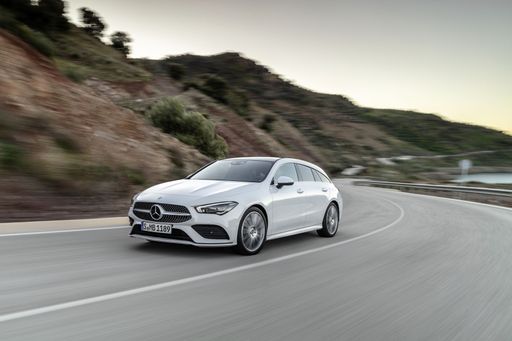
Mercedes CLA Shooting Brake as a suitable alternative to Tesla Model Y

The Mercedes CLA Shooting Brake and the Tesla Model Y represent two distinct takes on the premium compact family car — the CLA blends elegant, coupe‑like shooting‑brake styling and traditional Mercedes refinement, while the Model Y focuses on electric range, interior space and tech. This quick comparison will help you decide whether you prefer driving polish and European design or the practicality and efficiency of an EV.

The Mercedes CLA Shooting Brake turns estate practicality into runway-ready style with a swooping roofline and coupe-like silhouette that makes even mundane errands feel a little more glamorous. Inside it pairs clever packaging with premium flair, so you get useful load space and a grown-up cabin — ideal if you want a car that looks like a showroom trophy but still handles the weekly shop without sulking.

Quick data check: Mercedes CLA Shooting Brake

  • a bit cheaper
  • noticeably more power
  • significantly quicker 0–100 km/h
  • clearly more trunk space
  • barely more efficient
  • moderately more electric range
  • somewhat lighter
from £39,900
P7+

XPeng P7+

  • Engine Type Electric
  • Transmission Automatic
  • Drive Type Rear-Wheel Drive, All-Wheel Drive
  • Power HP 245 - 503 HP
  • Consumption kWh/100km 15.2 - 17.4 kWh/100km
  • Electric Range 455 - 530 km

XPeng P7+ as a suitable alternative to Tesla Model Y

Deciding between the Tesla Model Y and the XPeng P7+ means weighing the practicality and ecosystem advantages of a bestselling electric crossover against the aerodynamic efficiency and tech-rich character of a modern electric sedan. The Model Y shines for space, charging network and intuitive software, while the XPeng P7+ impresses with refined aerodynamics, strong range figures and an advanced driver-assistance suite.

The XPeng P7+ is a sleek, coupe-like electric sedan that pairs a spacious, tech-forward cabin with an easygoing yet poised driving character — think premium feel without premium smugness. Packed with clever driver aids and a refined ride that earns the odd grin on twisty roads, it’s a compelling, modern alternative to the usual premium suspects.

Quick data check: XPeng P7+

  • a bit cheaper
  • moderately more efficient
  • somewhat more electric range
  • visibly quicker 0–100 km/h
  • very slightly lighter
  • visibly more trunk space
  • barely more power
from £43,200
GLB

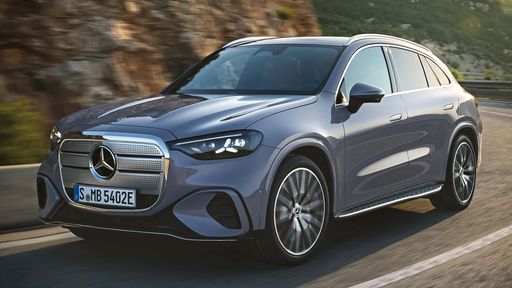
Mercedes GLB

  • Engine Type Electric, Full Hybrid
  • Transmission Automatic
  • Drive Type Rear-Wheel Drive, All-Wheel Drive
  • Power HP 156 - 354 HP
  • Consumption L/100km 5.7 - 6.1 L/100km
  • Consumption kWh/100km 15.4 - 15.9 kWh/100km
  • Electric Range 431 - 631 km

Mercedes GLB as a suitable alternative to Tesla Model Y

The Mercedes GLB and Tesla Model Y both aim at compact-SUV buyers but take very different approaches: the GLB focuses on practical space, traditional refinement and optional third-row seating, while the Model Y offers an all-electric drivetrain, strong range and Tesla’s tech-focused experience. This comparison will help you weigh the GLB’s comfort and versatility against the Model Y’s efficiency, performance and software-led features so you can pick the one that fits your priorities.

The Mercedes GLB is a compact luxury SUV that blends smart packaging with a polished, composed driving experience. Its flexible interior and premium feel make it a sensible pick for buyers who want Mercedes comfort and practicality in a smaller footprint.

Quick data check: Mercedes GLB

  • noticeably cheaper
  • visibly more power
  • a bit more efficient
  • considerably quicker 0–100 km/h
  • markedly more trunk space
  • barely more electric range
  • only slightly lighter
DriveDuel uses data analysis and artificial intelligence to evaluate vehicle data and create content. Content is regularly reviewed and improved. The displayed prices are estimates based on German list prices, adjusted to the respective country’s VAT. Country-specific registration taxes are not included. This information is not legally binding.