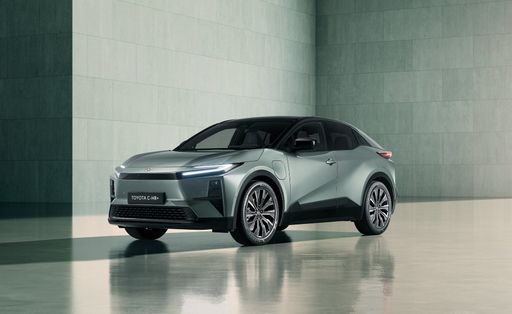
Toyota C-HR+ alternatives & comparisons

Here you can find alternatives to the Toyota C-HR+, based on existing comparison pages and popular model matchups. We currently show 6 suitable models as a starting point for your buying decision.

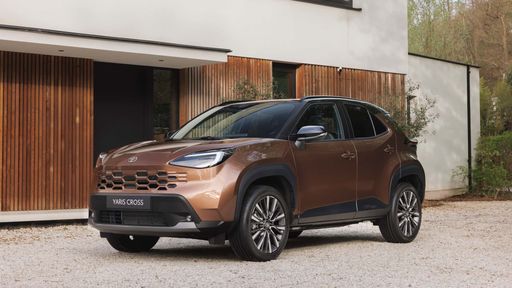
Toyota C-HR+

Alternative models

These models are frequently compared with the Toyota C-HR+ and are good next research steps.

from £40,200
EV3

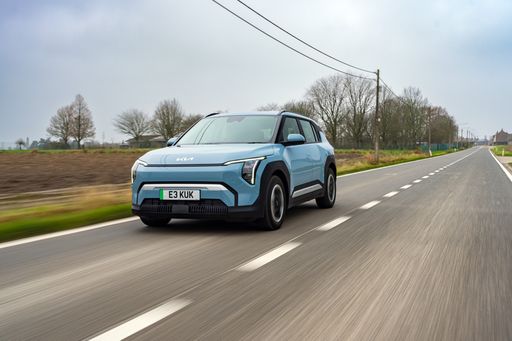
Kia EV3

  • Engine Type Electric
  • Transmission Automatic
  • Drive Type All-Wheel Drive
  • Power HP 265 HP
  • Consumption kWh/100km 15.8 kWh/100km
  • Electric Range 572 km

Kia EV3 as a suitable alternative to Toyota C-HR+

The all-electric Kia EV3 feels like the sensible future in a city-friendly SUV shell — roomy, tech-rich and cheaper to run than the Toyota C‑HR+, which still trades on sharp styling and familiar hybrid/petrol simplicity rather than pure EV brilliance. Choose the EV3 for modern gadgets, punchy electric drive and lower running costs; stick with the C‑HR+ if you crave standout looks, proven reliability and the comforting predictability of traditional powertrains.

The Kia EV3 is a stylish, user-friendly electric crossover that focuses on practicality and a roomy, well-equipped cabin. It delivers a comfortable ride with intuitive technology and efficient everyday performance, making it a sensible choice for city and family use.

Quick data check: Kia EV3

  • somewhat cheaper
  • visibly more power
  • slightly more efficient
  • barely more electric range
  • noticeably quicker 0–100 km/h
  • somewhat lighter
  • very slightly more trunk space
from £36,800
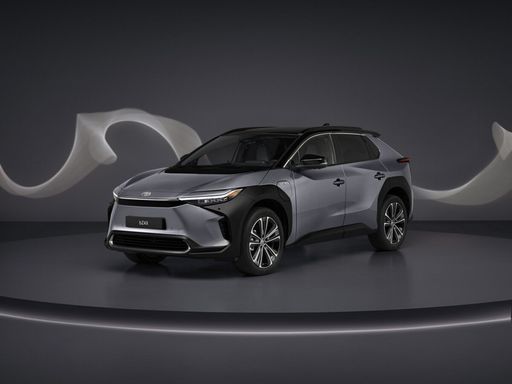
bZ4X

Toyota bZ4X

  • Engine Type Electric
  • Transmission Automatic
  • Drive Type Front-Wheel Drive, All-Wheel Drive
  • Power HP 167 - 380 HP
  • Consumption kWh/100km 13.5 - 16.6 kWh/100km
  • Electric Range 444 - 591 km

Toyota bZ4X as a suitable alternative to Toyota C-HR+

This comparison looks at the Toyota bZ4X versus the Toyota C‑HR: both are compact crossovers but take very different approaches — the bZ4X is a purpose‑built all‑electric SUV while the C‑HR is Toyota’s stylish, efficient petrol/hybrid crossover. I’ll run through the key differences in driving range and performance, interior space and practicality, equipment and running costs so you can decide which fits your needs.

The Toyota bZ4X is an electric crossover that focuses on a calm ride, practical interior and predictable handling for everyday driving. It suits buyers who want an easygoing, reliable EV with Toyota's familiar build quality and a clean, simple design.
Quick data check: Toyota bZ4X

  • very slightly cheaper
  • marginally more efficient
  • only slightly more electric range
  • marginally lighter
  • marginally more power
  • somewhat quicker 0–100 km/h
  • markedly more trunk space
from £43,300
IONIQ 5

Hyundai IONIQ 5

  • Engine Type Electric
  • Transmission Automatic
  • Drive Type Rear-Wheel Drive
  • Power HP 170 - 229 HP
  • Consumption kWh/100km 15.6 - 16 kWh/100km
  • Electric Range 440 - 570 km

Hyundai IONIQ 5 as a suitable alternative to Toyota C-HR+

The Hyundai IONIQ 5 and the Toyota C‑HR represent two very different choices: the IONIQ 5 is a purpose-built electric vehicle offering long range, rapid charging and a spacious, tech-forward cabin, while the Toyota C‑HR is a compact, style-focused crossover prioritizing efficiency and urban maneuverability. This comparison will help you decide whether you value the IONIQ 5’s electric range and interior space or the C‑HR’s lower running costs and city-friendly footprint.

The Hyundai IONIQ 5 looks like a spaceship that moved into suburbia, pairing bold retro‑futuristic styling with a roomy, cleverly laid-out cabin that makes long trips surprisingly comfortable. Its electric character delivers instant, silky acceleration and low running costs, making it a smart, slightly cheeky pick for buyers who want tech, practicality and personality without the drama.

Quick data check: Hyundai IONIQ 5

  • clearly cheaper
  • clearly more power
  • a bit more efficient
  • only slightly more electric range
  • significantly quicker 0–100 km/h
  • only slightly lighter
  • moderately more trunk space
from £36,800
Enyaq

Skoda Enyaq

  • Engine Type Electric
  • Transmission Automatic
  • Drive Type Rear-Wheel Drive, All-Wheel Drive
  • Power HP 190 - 340 HP
  • Consumption kWh/100km 14.9 - 15.9 kWh/100km
  • Electric Range 449 - 589 km

Skoda Enyaq as a suitable alternative to Toyota C-HR+

The Škoda Enyaq and the Toyota C‑HR represent very different takes on the modern crossover: the Enyaq is a roomy, all‑electric SUV focused on practicality and range, while the C‑HR is a compact, style‑led crossover available with petrol and hybrid powertrains. Which suits you depends on whether you prioritise electric range and family space or urban agility, lower running costs and distinctive design.

The Skoda Enyaq is a practical and well-appointed electric SUV that blends a roomy interior and everyday usability with clean, understated design. It’s a comfortable, efficient choice for buyers who want a sensible electric family car without flash, backed by solid build quality and clever practicality.

Quick data check: Skoda Enyaq

  • very slightly cheaper
  • only slightly more power
  • moderately more efficient
  • only slightly more electric range
  • marginally quicker 0–100 km/h
  • slightly lighter
  • visibly more trunk space
from £33,400
Urban Cruiser

Toyota Urban Cruiser

  • Engine Type Electric
  • Transmission Automatic
  • Drive Type Front-Wheel Drive, All-Wheel Drive
  • Power HP 174 - 184 HP
  • Consumption kWh/100km 15.1 - 16.6 kWh/100km
  • Electric Range 395 - 426 km

Toyota Urban Cruiser as a suitable alternative to Toyota C-HR+

Comparing the Toyota Urban Cruiser and the Toyota C-HR, you’re choosing between a practical, city-focused compact SUV that emphasizes efficiency and easy maneuverability and a more stylized, tech-forward crossover that leans toward a sportier driving feel and premium touches. If your priority is everyday practicality and lower running costs, the Urban Cruiser is likely the smarter pick; if you want sharper looks, a more upmarket interior and a livelier drive, the C-HR will probably suit you better.

The Toyota Urban Cruiser is a compact SUV that offers a blend of style and practicality, making it well-suited for urban living. It captures attention with its bold design, while providing a high driving position that enhances visibility and control on city roads. Inside, the Urban Cruiser offers comfortable seating and a range of features that cater to both driver and passengers, emphasizing convenience and everyday usability.

Quick data check: Toyota Urban Cruiser

  • considerably more power
  • moderately more efficient
  • clearly more electric range
  • significantly quicker 0–100 km/h
  • marginally lighter
  • visibly more trunk space
  • very slightly cheaper
from £48,900
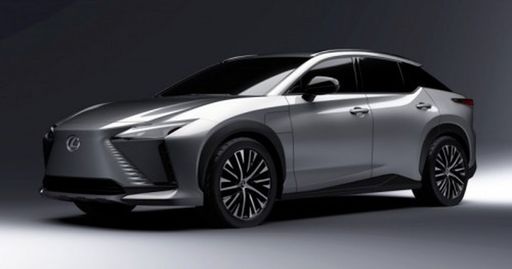
RZ

Lexus RZ

  • Engine Type Electric
  • Transmission Automatic
  • Drive Type Front-Wheel Drive, All-Wheel Drive
  • Power HP 227 - 408 HP
  • Consumption kWh/100km 14.7 - 18.1 kWh/100km
  • Electric Range 457 - 559 km

Lexus RZ as a suitable alternative to Toyota C-HR+

The Lexus RZ and Toyota C‑HR+ go head-to-head in a neat showdown of plush electric luxury versus quirky, efficient practicality — one aims for serene, tech-laden refinement, the other hustles value with style. Deciding between them comes down to taste and wallet: do you crave silent sophistication or clever economy with a personality?

The Lexus RZ brings Lexus' trademark quiet luxury to the electric SUV world, wrapping poised handling and a plush, well-crafted cabin in a calm, composed package. It won't shout about raw figures — instead it trades headline numbers for smooth power delivery, fuss-free tech and an effortless refinement that will suit buyers who want electric convenience without losing the luxury experience.

Quick data check: Lexus RZ

  • visibly cheaper
  • marginally more efficient
  • marginally more electric range
  • slightly lighter
  • slightly more power
  • slightly quicker 0–100 km/h
  • noticeably more trunk space
DriveDuel uses data analysis and artificial intelligence to evaluate vehicle data and create content. Content is regularly reviewed and improved. The displayed prices are estimates based on German list prices, adjusted to the respective country’s VAT. Country-specific registration taxes are not included. This information is not legally binding.