VW ID.3 alternatives & comparisons

Here you can find alternatives to the VW ID.3, based on existing comparison pages and popular model matchups. We currently show 6 suitable models as a starting point for your buying decision.

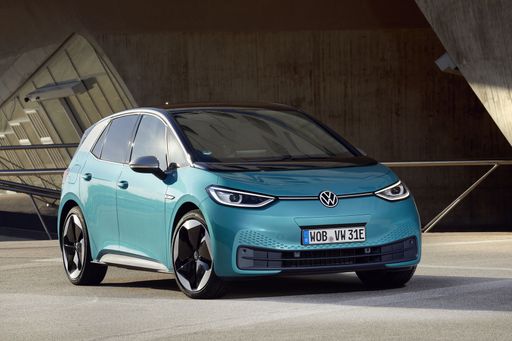
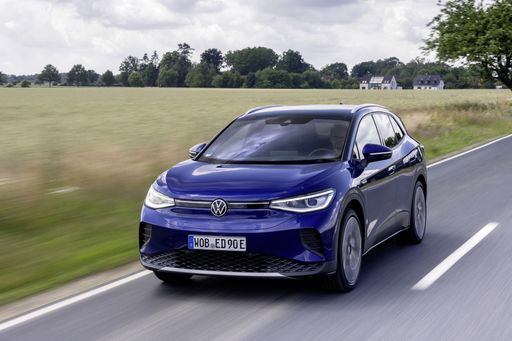
VW ID.3

Alternative models

These models are frequently compared with the VW ID.3 and are good next research steps.

from £24,000
R5

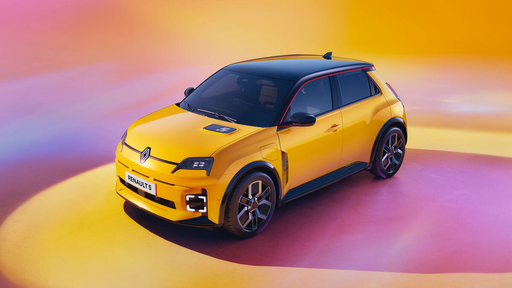
Renault R5

  • Engine Type Electric
  • Transmission Automatic
  • Drive Type Front-Wheel Drive
  • Power HP 122 - 150 HP
  • Consumption kWh/100km 14.8 - 15.2 kWh/100km
  • Electric Range 307 - 405 km

Renault R5 as a suitable alternative to VW ID.3

Choosing between the retro-inspired Renault 5 and the practical VW ID.3 comes down to whether you value character and compact city agility or proven electric range and grown-up practicality. This comparison cuts through the marketing to show where each car shines and which one fits different kinds of buyers.

The Renault 5 blends classic styling cues with contemporary design, giving it a playful and characterful presence on the road. It’s a city-focused hatchback that feels nimble and cleverly packaged, ideal for drivers who want personality and practicality.
Quick data check: Renault R5

  • clearly more power
  • barely more efficient
  • visibly more electric range
  • a bit quicker 0–100 km/h
  • moderately more trunk space
  • clearly cheaper
  • visibly lighter
from £32,000
Elroq

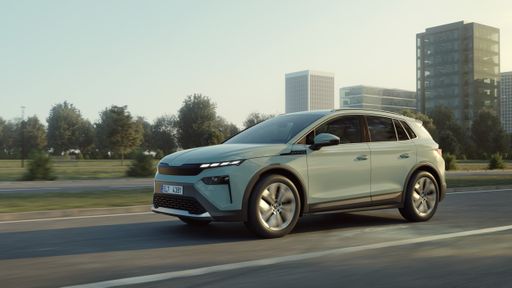
Skoda Elroq

  • Engine Type Electric
  • Transmission Automatic
  • Drive Type Rear-Wheel Drive, All-Wheel Drive
  • Power HP 190 - 340 HP
  • Consumption kWh/100km 15.1 - 16.3 kWh/100km
  • Electric Range 441 - 574 km

Skoda Elroq as a suitable alternative to VW ID.3

Choosing between the VW ID.3 and the Skoda Elroq comes down to whether you want a nimble, hatchback-style EV focused on urban driving or a slightly more spacious, crossover-style model prioritizing practicality. This comparison looks at range, interior space, driving feel and overall value to help you pick the best fit.

The Skoda Elroq is a practical and well-rounded compact SUV that blends clever packaging with a calm, comfortable ride. It offers a sensible interior, straightforward technology and a value-focused approach, making it a particularly good choice for families and everyday drivers.

Quick data check: Skoda Elroq

  • barely cheaper
  • only slightly more efficient
  • only slightly more electric range
  • very slightly lighter
  • noticeably more power
  • noticeably quicker 0–100 km/h
  • a bit more trunk space
from £34,800
ID.4

VW ID.4

  • Engine Type Electric
  • Transmission Automatic
  • Drive Type Rear-Wheel Drive, All-Wheel Drive
  • Power HP 190 - 299 HP
  • Consumption kWh/100km 15.4 - 16.6 kWh/100km
  • Electric Range 425 - 570 km

VW ID.4 as a suitable alternative to VW ID.3

Choosing between the VW ID.3 and the VW ID.4 means deciding between a compact hatchback-style electric built for city driving and a roomier compact SUV that prioritizes cargo space and versatility. I’ll compare range, practicality, driving feel and running costs so you can see which one suits your daily needs.

The VW ID.4 is a practical, family-friendly electric SUV that balances everyday usability with a calm, composed driving character. It pairs a roomy, well-finished cabin and easy-to-use tech with predictable handling and convenient charging options, making it a sensible choice for buyers switching to electric.

Quick data check: VW ID.4

  • a bit cheaper
  • somewhat more efficient
  • barely more electric range
  • only slightly lighter
  • clearly more power
  • moderately quicker 0–100 km/h
from £21,400
ID.Polo

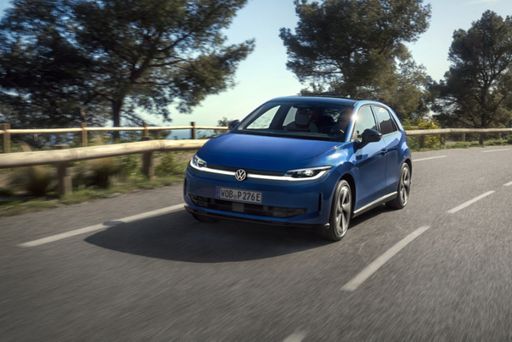
VW ID.Polo

  • Engine Type Electric
  • Transmission Automatic
  • Drive Type Front-Wheel Drive
  • Power HP 116 - 226 HP
  • Consumption kWh/100km 13.3 - 14.4 kWh/100km
  • Electric Range 424 - 454 km

VW ID.Polo as a suitable alternative to VW ID.3

Choosing between the Volkswagen ID.3 and the VW ID. Polo comes down to whether you want a compact electric hatch with more range and interior space (ID.3) or a smaller, city-focused EV that prioritizes maneuverability and lower running costs (ID. Polo). Below I'll compare their range, practicality, driving character and ownership costs so you can pick the one that suits your everyday needs.

The VW ID.Polo brings classic Polo sensibility to the EV age with a calm, refined ride, an unusually large boot, and refreshingly simple controls with real buttons. It favors easygoing efficiency and family-friendly practicality over playful handling or high-speed autobahn pace, and the smaller-battery versions ask for a bit more planning on long trips.

Quick data check: VW ID.Polo

  • marginally more power
  • visibly more electric range
  • visibly cheaper
  • marginally more efficient
  • very slightly quicker 0–100 km/h
  • noticeably lighter
  • moderately more trunk space
from £30,000
EX30

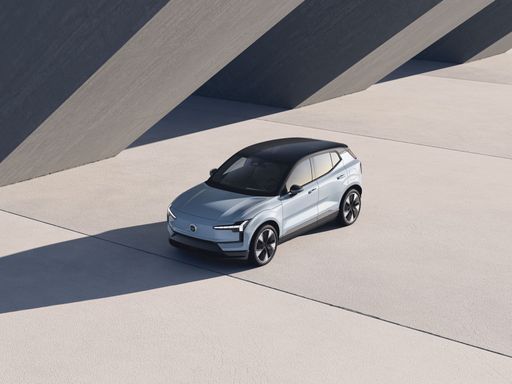
Volvo EX30

  • Engine Type Electric
  • Transmission Automatic
  • Drive Type Rear-Wheel Drive, All-Wheel Drive
  • Power HP 150 - 428 HP
  • Consumption kWh/100km 17 - 18.3 kWh/100km
  • Electric Range 339 - 475 km

Volvo EX30 as a suitable alternative to VW ID.3

The Volvo EX30 arrives as a compact, sharply tuned EV with Scandinavian flair — sprightly, surprisingly premium and built to put a grin on urban commutes. The VW ID.3, by contrast, plays the sensible family card with more interior space, comfort and range options, so pick the EX30 for driving fun or the ID.3 for everyday practicality.

The Volvo EX30 is a compact all-electric crossover that mixes Volvo's strong safety focus with clean Scandinavian design for a really city-friendly package. It feels lively and easy to live with, pairing a premium-feeling interior and modern connectivity with a practical footprint for urban driving.

Quick data check: Volvo EX30

  • barely cheaper
  • clearly more efficient
  • noticeably more electric range
  • somewhat more trunk space
  • significantly more power
  • considerably quicker 0–100 km/h
  • very slightly lighter
from £27,000
Aceman

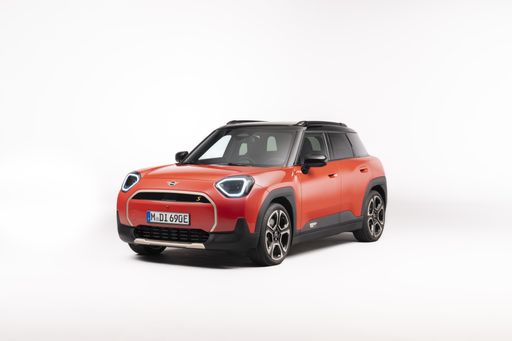
MINI Aceman

  • Engine Type Electric
  • Transmission Automatic
  • Drive Type Front-Wheel Drive
  • Power HP 184 - 258 HP
  • Consumption kWh/100km 14.1 - 16 kWh/100km
  • Electric Range 309 - 355 km

MINI Aceman as a suitable alternative to VW ID.3

The MINI Aceman and the Volkswagen ID.3 offer two distinct takes on the compact electric car: the Aceman leans on MINI’s character and driver-focused feel, while the ID.3 emphasizes efficiency, roomy interior and everyday practicality. This comparison will cut through the specs to show where they differ in driving dynamics, range and charging, interior space, technology and running costs so you can choose the one that fits your needs.

The MINI Aceman squeezes classic MINI charm into a sharper, more crossover-ready shape, trading some of the old curves for grown-up practicality while keeping the wink-and-grin personality buyers crave. Inside it's a surprisingly premium, customizable cabin that feels clever rather than cluttered, and on the road the Aceman is eager and nimble — ideal for city dwellers who want an SUV silhouette with proper fun behind the wheel.

Quick data check: MINI Aceman

  • only slightly more efficient
  • clearly more electric range
  • markedly more trunk space
  • marginally cheaper
  • moderately more power
  • slightly quicker 0–100 km/h
  • only slightly lighter
DriveDuel uses data analysis and artificial intelligence to evaluate vehicle data and create content. Content is regularly reviewed and improved. The displayed prices are estimates based on German list prices, adjusted to the respective country’s VAT. Country-specific registration taxes are not included. This information is not legally binding.