VS

Alpine A290 vs Volvo EX30 comparison

Compare performance (218 HP vs 428 HP), boot space and price (33,200 £ vs 33,000 £ ) at a glance. Find out which car is the better choice for you – Alpine A290 or Volvo EX30?

Alpine A290 vs Volvo EX30: Key differences

Alpine A290

5 (1 Reviews)
rate
  • only slightly more efficient
  • somewhat lighter
  • marginally more trunk space

Volvo EX30

3.6 (5 Reviews)
rate
  • only slightly cheaper
  • substantially more power
  • clearly more electric range
  • clearly quicker 0–100 km/h

All details on performance, efficiency, range and trunk space can be found in the technical comparison below – including user reviews for both models.

A290

Electric Warriors: Alpine A290 vs. Volvo EX30

The world of electric vehicles is buzzing with the arrival of two remarkable models: the Alpine A290 and the Volvo EX30. These two cars not only promise eco-friendliness but also pack a punch in terms of performance and innovation. Let’s delve into what makes each of these electric titans standout.
EX30

Design and Body Type

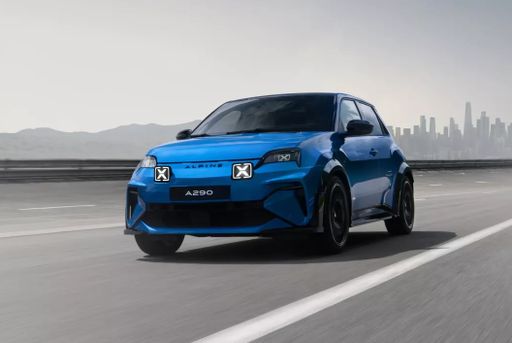
The Alpine A290 embraces the stylish hatchback design, appealing to those who prefer a compact, urban-friendly vehicle. With a length of 3997 mm, width of 1823 mm, and height of 1512 mm, it’s tailored for nimble city driving while offering ample space with its 5-door configuration.

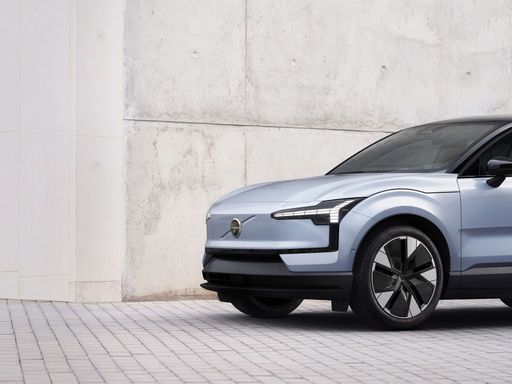
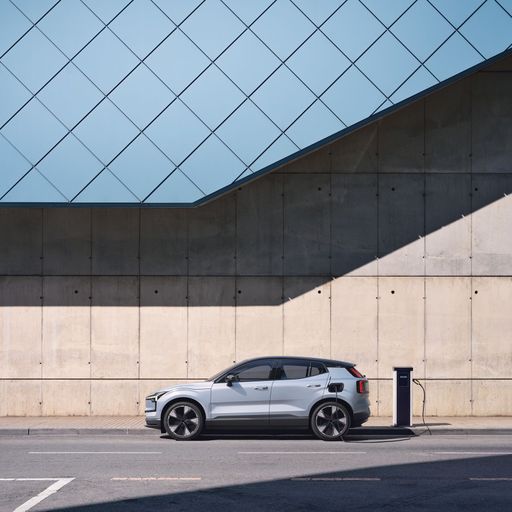
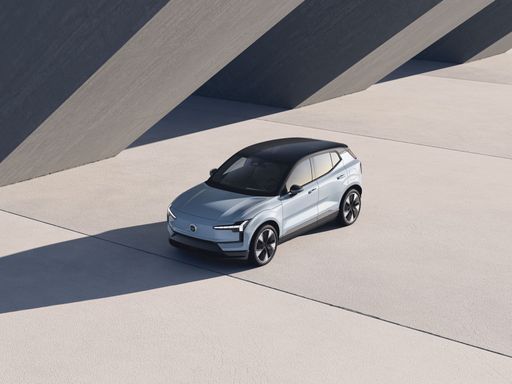
In contrast, the Volvo EX30 stands as an SUV, designed for those who crave additional space and a commanding road presence. It measures 4233 mm in length, 1837 mm in width, and swings between 1549 and 1567 mm in height, accommodating diverse lifestyles with its robust 5-door build.

Performance and Power

Power is where both these cars shine, albeit differently. The Alpine A290 offers two power options: a 177 HP and a 218 HP engine. Its front-wheel drive delivers a spirited acceleration from 0-100 km/h in either 7.4 or 6.4 seconds, depending on the variant.

The Volvo EX30, however, ups the ante with its rear-wheel and all-wheel drive variants. Power outputs range from 272 HP to a whopping 428 HP, propelling the car from 0-100 km/h in as fast as 3.6 seconds. The EX30’s focus on rapid acceleration and speed is reflected in its impressive torque figures—343 Nm to 543 Nm.

Drive Range and Efficiency

Both vehicles excel in offering competitive electric ranges, making them ideal for both city commutes and longer adventures. The Alpine A290 provides an electric range of up to 378 km, ensuring fewer charging stops with its efficiency ratings of 15.9 to 16.6 kWh/100km.

The Volvo EX30 boasts an even broader range, with its variants covering between 339 km and 476 km per charge. Its consumption figures—17 to 18.7 kWh/100km—highlight its balance of power and efficiency, aligning perfectly with environmental concerns.

Innovations and Technologies

In terms of innovation, the Alpine A290 offers a seamless and efficient driving experience through its automatic transmission with a reduction gearbox. Its compact size does not compromise on cutting-edge technology, featuring advanced electronics and connectivity options aimed at urban drivers.

The Volvo EX30, on the other hand, is crafted for tech-savvy enthusiasts. It’s equipped with advanced autonomous driving support and safety systems, including the latest in connectivity and infotainment options. The use of dual-motor technology in its all-wheel-drive version marks a significant leap in performance capabilities.

Conclusion

The Alpine A290 and Volvo EX30 both redefine what electric vehicles offer in their respective segments—a hatchback for those seeking the sleek and compact, and an SUV for those who desire power and space. Both are eco-conscious choices with zero CO2 emissions. The ultimate decision lies in personal preference: the sleek and nimble drive of the A290 versus the robust power and range of the EX30. Whichever you choose, electric driving has never looked so promising.

Here’s where it gets real: The technical differences in detail

A290

Costs and Efficiency:

Price and efficiency are often the first things buyers look at. Here it becomes clear which model has the long-term edge – whether at the pump, the plug, or in purchase price.

Volvo EX30 is only slightly cheaper – starting at 33,000 £ , while the Alpine A290 costs 33,200 £ . That’s a price difference of around 180 £.

In terms of energy consumption, the Alpine A290 is only slightly more efficient: consuming 15.8 kWh/100km compared to 17 kWh/100km for the Volvo EX30. That’s a difference of about 1.2 kWh/100km.

As for electric range, the Volvo EX30 offers clearly more range – reaching up to 476 km, about 96 km more than the Alpine A290.

EX30

Engine and Performance:

Power, torque and acceleration are the classic benchmarks for car enthusiasts – and here, some clear differences start to show.

When it comes to engine power, the Volvo EX30 offers substantially more power – delivering 428 HP compared to 218 HP. That’s roughly 210 HP more horsepower.

When accelerating from 0 to 100 km/h, the Volvo EX30 is clearly quicker – completing the sprint in 3.6 s, while the Alpine A290 takes 6.4 s. That’s about 2.8 s quicker.

Looking at top speed, the Volvo EX30 is marginally faster – reaching 180 km/h, while the Alpine A290 tops out at 170 km/h. The difference is around 10 km/h.

There’s also a difference in torque: the Volvo EX30 delivers significantly more torque with 543 Nm compared to 300 Nm. That’s about 243 Nm more.

Space and Everyday Use:

Cabin size, boot volume and payload all play a role in everyday practicality. Here, comfort and flexibility make the difference.

Both vehicles offer seating for 5 people.

In terms of curb weight, Alpine A290 is somewhat lighter – 1,554 kg compared to 1,840 kg. The difference is around 286 kg.

Looking at boot space, the Alpine A290 offers marginally more boot space – 326 L compared to 318 L. That’s a difference of about 8 L.

For maximum load capacity, the Alpine A290 offers barely more capacity – up to 1,106 L, about 106 L more than the Volvo EX30.

When it comes to payload, the Alpine A290 carries barely more – 396 kg compared to 390 kg. That’s a difference of about 6 kg.

Who wins the race in the data check?

The Volvo EX30 holds a decisive overall lead in the objective data comparison.
This result only shows which model scores more points on paper – not which of the two cars feels right for you.

from £33,000
EX30

Volvo EX30

  • Engine Type : Electric
  • Transmission : Automatic
  • Drive Type : Rear-Wheel Drive, All-Wheel Drive
  • Power HP : 272 - 428 HP
  • Consumption kWh/100km : 17 - 18.3 kWh/100km
  • Electric Range : 339 - 476 km
Alpine A290
Volvo EX30

Costs and Consumption

View detailed analysis

Engine and Performance

View detailed analysis

Dimensions and Body

View detailed analysis

Alpine A290

The Alpine A290 brings Alpine's racing-bred spirit to the road with taut handling, razor-sharp steering and a compact, cheeky silhouette that's impossible to ignore. It's a car for drivers who want pure fun rather than family practicality — a playful, stylish pocket rocket that makes every back road feel like a racetrack and hands out smiles with the key.

details

Volvo EX30

The Volvo EX30 arrives as a compact electric with crisp Scandinavian design and a cheeky personality, proving you can be serious about safety and still enjoy a grin on your commute. Its cabin is cleverly packaged and delightfully easy to live with, offering smart tech and practical touches that make it feel like a grown-up's city car with a sense of fun.

details
Alpine A290
Volvo EX30

Costs and Consumption

Price
33,200 - 39,600 £
Price
33,000 - 49,100 £
Consumption L/100km
-
Consumption L/100km
-
Consumption kWh/100km
15.8 - 16.5 kWh/100km
Consumption kWh/100km
17 - 18.3 kWh/100km
Electric Range
364 - 380 km
Electric Range
339 - 476 km
Battery Capacity
-
Battery Capacity
49 - 65 kWh
co2
0 g/km
co2
0 g/km
Fuel tank capacity
-
Fuel tank capacity
-

Dimensions and Body

Body Type
Hatchback
Body Type
SUV
Seats
5
Seats
5
Doors
5
Doors
5
Curb weight
1,554 kg
Curb weight
1,840 - 1,960 kg
Trunk capacity
326 L
Trunk capacity
318 L
Length
3,990 mm
Length
4,233 mm
Width
1,820 mm
Width
1,838 mm
Height
1,520 mm
Height
1,550 mm
Max trunk capacity
1,106 L
Max trunk capacity
1,000 L
Payload
396 kg
Payload
370 - 390 kg

Engine and Performance

Engine Type
Electric
Engine Type
Electric
Transmission
Automatic
Transmission
Automatic
Transmission Detail
Reduction Gearbox
Transmission Detail
Reduction Gearbox
Drive Type
Front-Wheel Drive
Drive Type
Rear-Wheel Drive, All-Wheel Drive
Power HP
177 - 218 HP
Power HP
272 - 428 HP
Acceleration 0-100km/h
6.4 - 7.4 s
Acceleration 0-100km/h
3.6 - 5.7 s
Max Speed
160 - 170 km/h
Max Speed
180 km/h
Torque
285 - 300 Nm
Torque
343 - 543 Nm
Number of Cylinders
-
Number of Cylinders
-
Power kW
130 - 160 kW
Power kW
200 - 315 kW
Engine capacity
-
Engine capacity
-

General

Model Year
2,024
Model Year
2,024 - 2,025
CO2 Efficiency Class
A
CO2 Efficiency Class
A
Brand
Alpine
Brand
Volvo
DriveDuel uses data analysis and artificial intelligence to evaluate vehicle data and create content. Content is regularly reviewed and improved. The displayed prices are estimates based on German list prices, adjusted to the respective country’s VAT. Country-specific registration taxes are not included. This information is not legally binding.