VS

BMW iX vs Audi Q4 e-tron comparison

Compare performance (659 HP vs 340 HP), boot space and price (71,600 £ vs 39,600 £ ) at a glance. Find out which car is the better choice for you – BMW iX or Audi Q4 e-tron?

BMW iX vs Audi Q4 e-tron: Key differences

BMW iX

3.9 (1 Reviews)
rate
  • substantially more power
  • markedly more electric range
  • considerably quicker 0–100 km/h

Audi Q4 e-tron

4.9 (2 Reviews)
rate
  • substantially cheaper
  • a bit more efficient
  • clearly lighter
  • only slightly more trunk space

All details on performance, efficiency, range and trunk space can be found in the technical comparison below – including user reviews for both models.

iX

A Clash of Titans: Audi Q4 e-tron VS BMW iX

The automotive industry is witnessing a revolutionary shift toward electric vehicles, and among the frontrunners are two giants of German engineering: the Audi Q4 e-tron and the BMW iX. Both models epitomize luxury electric SUVs, offering cutting-edge technology and high-performance metrics. This article dives into the technical aspects and innovations that set these vehicles apart, helping potential buyers navigate their choices.
Q4 e-tron

Design and Dimensions

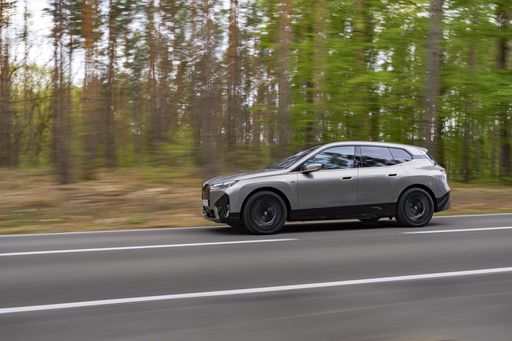
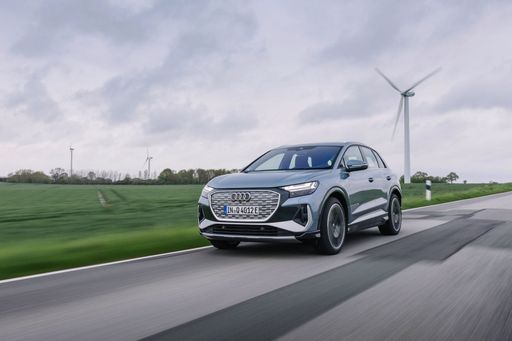
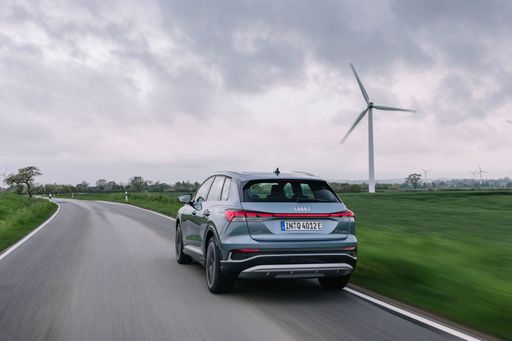
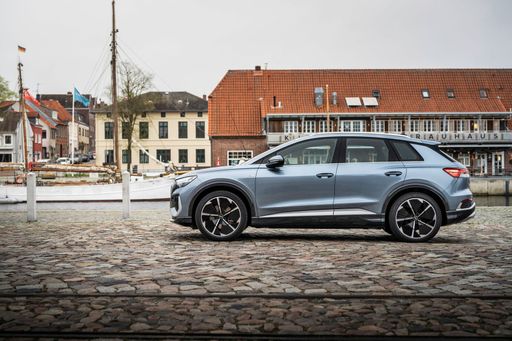
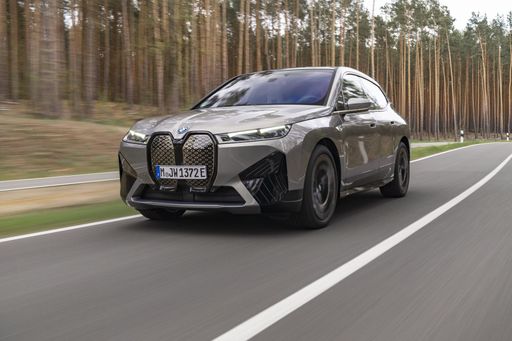
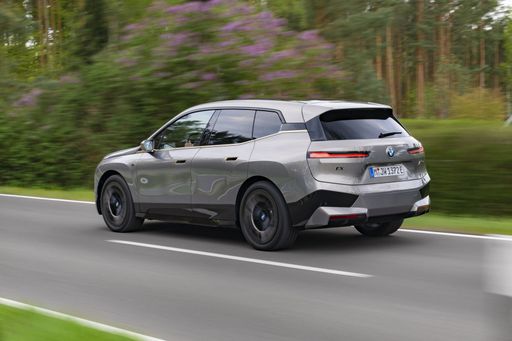
Both the Audi Q4 e-tron and the BMW iX promise aesthetic appeal, but their dimensions tell different stories. The Q4 e-tron, a more compact SUV, measures 4588 mm in length, 1865 mm in width, and between 1614 mm to 1632 mm in height, catering to urban agility and maneuverability. In contrast, the BMW iX boasts a larger frame, with a length of up to 4965 mm, width of 1970 mm, and height ranging from 1688 mm to 1696 mm, providing a more spacious interior and commanding road presence.

iX

Performance and Power

Under the hood, the electric motors of both these SUVs offer varying levels of power to suit different driving needs. The Audi Q4 e-tron features power outputs ranging from 170 HP to 340 HP, with an acceleration capability of 0-100 km/h in as little as 5.4 seconds, depending on the variant. Meanwhile, the BMW iX presents a more powerful option, delivering outputs between 326 HP and 659 HP, and can accelerate from 0-100 km/h in a blistering 3.8 seconds in its high-performance variant.

A key differentiator is the drive type: the Q4 e-tron offers both rear-wheel and all-wheel drive options, whereas the iX comes exclusively with all-wheel drive, enhancing its off-road and rough-weather capabilities.

Q4 e-tron

Battery and Range

Range anxiety is a pivotal concern for electric vehicle owners, and both manufacturers have invested heavily in battery technology to address this. The Audi Q4 e-tron offers a range between 360 km to 554 km, backed by battery capacities that vary from 52 kWh to 77 kWh. On the other hand, the BMW iX stands out, providing an impressive range of up to 701 km, thanks to its larger battery options that go up to 109.6 kWh.

iX

Efficiency and Sustainability

Efficiency is a hallmark of electric vehicles, and both SUVs do not disappoint. The Q4 e-tron boasts consumption rates as low as 15.9 kWh/100km, while the BMW iX's rates start at 17.8 kWh/100km. Despite the differences, both vehicles carry the coveted CO2 Efficiency Class A, ensuring zero emissions and a sustainable drive.

Q4 e-tron

Interior and Trunk Space

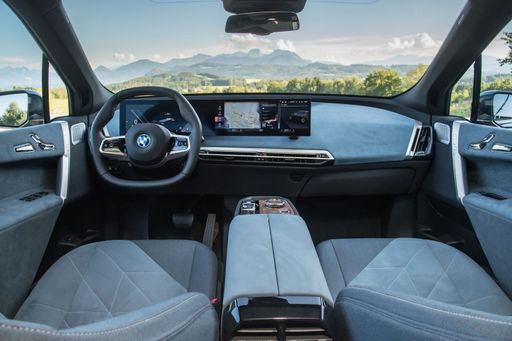
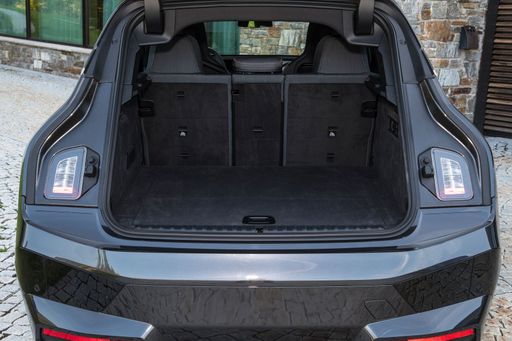
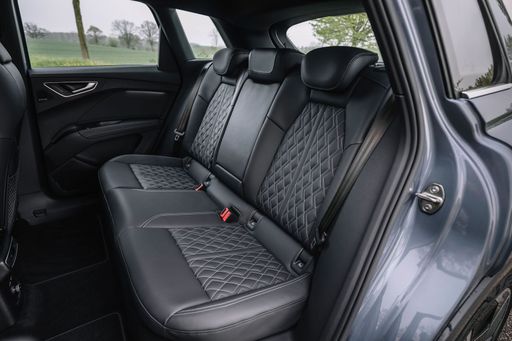
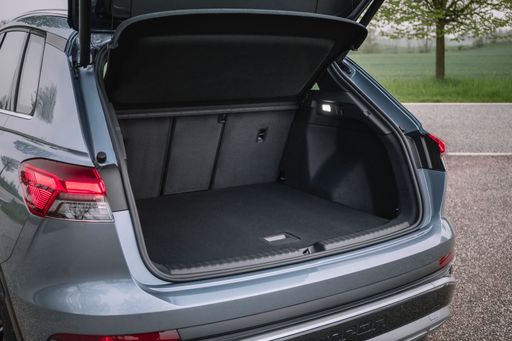
Audi and BMW have loaded their SUVs with luxurious interiors capable of seating five passengers comfortably. The Q4 e-tron provides a slightly larger trunk capacity ranging between 520 L to 535 L, compared to the BMW iX's 500 L trunk space. However, the extra cabin room in the iX might appeal to those prioritizing passenger comfort over cargo volume.

iX

Conclusion

Ultimately, the choice between the Audi Q4 e-tron and the BMW iX largely depends on individual preferences and priorities. The Audi Q4 e-tron excels in compact design and city-friendly capabilities, whereas the BMW iX delivers unparalleled power and range for those seeking performance and heft. Both models signify a brighter, more sustainable future in automotive technology. Which electric titan will you choose?

Here’s where it gets real: The technical differences in detail

iX

Costs and Efficiency:

Looking at overall running costs, both models reveal some interesting differences in everyday economy.

Audi Q4 e-tron is substantially cheaper – starting at 39,600 £ , while the BMW iX costs 71,600 £ . That’s a price difference of around 32,014 £.

In terms of energy consumption, the Audi Q4 e-tron is a bit more efficient: consuming 15.9 kWh/100km compared to 17.8 kWh/100km for the BMW iX. That’s a difference of about 1.9 kWh/100km.

As for electric range, the BMW iX offers markedly more range – reaching up to 701 km, about 147 km more than the Audi Q4 e-tron.

Q4 e-tron

Engine and Performance:

Power, torque and acceleration say a lot about how a car feels on the road. This is where you see which model delivers more driving dynamics.

When it comes to engine power, the BMW iX offers substantially more power – delivering 659 HP compared to 340 HP. That’s roughly 319 HP more horsepower.

When accelerating from 0 to 100 km/h, the BMW iX is considerably quicker – completing the sprint in 3.8 s, while the Audi Q4 e-tron takes 5.4 s. That’s about 1.6 s quicker.

There’s also a difference in torque: the BMW iX delivers markedly more torque with 1,015 Nm compared to 679 Nm. That’s about 336 Nm more.

iX

Space and Everyday Use:

Whether family car or daily driver – which one offers more room, flexibility and comfort?

Both vehicles offer seating for 5 people.

In terms of curb weight, Audi Q4 e-tron is clearly lighter – 2,035 kg compared to 2,525 kg. The difference is around 490 kg.

Looking at boot space, the Audi Q4 e-tron offers only slightly more boot space – 535 L compared to 500 L. That’s a difference of about 35 L.

When it comes to payload, the BMW iX carries slightly more – 575 kg compared to 515 kg. That’s a difference of about 60 kg.

Who wins the race in the data check?

The BMW iX holds a decisive overall lead in the objective data comparison.
This result only shows which model scores more points on paper – not which of the two cars feels right for you.

from £71,600
iX

BMW iX

  • Engine Type : Electric
  • Transmission : Automatic
  • Drive Type : All-Wheel Drive
  • Power HP : 408 - 659 HP
  • Consumption kWh/100km : 17.8 - 20.6 kWh/100km
  • Electric Range : 600 - 701 km
BMW iX
Audi Q4 e-tron

Costs and Consumption

View detailed analysis

Engine and Performance

View detailed analysis

Dimensions and Body

View detailed analysis

BMW iX

The BMW iX arrives like a tech-rich luxury SUV that refuses to shout, offering a serene yet authoritative road presence that suits both city commutes and long-distance cruising. Inside, its minimalist cabin wraps high-quality materials and clever interfaces around a driver-focused layout, making it feel more like a forward-thinking lounge than just another electric appliance — and yes, it still delivers the dynamic driving character you'd expect from a BMW.

details

Audi Q4 e-tron

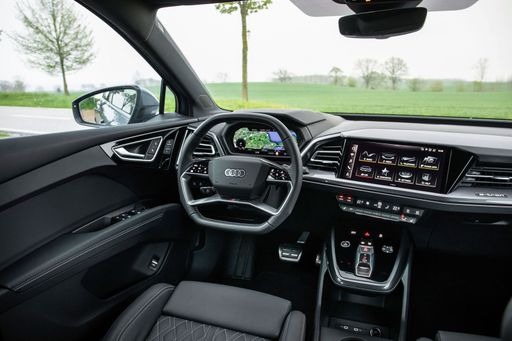
The Audi Q4 e-tron brings Audi polish into the electric crossover scene, pairing a sleek exterior with a refined, airy interior that makes everyday driving feel distinctly premium. It’s an easy-to-live-with EV that balances comfort and real-world usability with intuitive tech, making it a smart choice for buyers who want electric mobility without giving up Audi character — and yes, it still looks good in the driveway.

details
BMW iX
Audi Q4 e-tron

Costs and Consumption

Price
71,600 - 108,400 £
Price
39,600 - 58,800 £
Consumption L/100km
-
Consumption L/100km
-
Consumption kWh/100km
17.8 - 20.6 kWh/100km
Consumption kWh/100km
15.9 - 17.4 kWh/100km
Electric Range
600 - 701 km
Electric Range
406 - 554 km
Battery Capacity
-
Battery Capacity
77 kWh
co2
0 g/km
co2
0 g/km
Fuel tank capacity
-
Fuel tank capacity
-

Dimensions and Body

Body Type
SUV
Body Type
SUV
Seats
5
Seats
5
Doors
-
Doors
5
Curb weight
2,525 - 2,655 kg
Curb weight
2,035 - 2,235 kg
Trunk capacity
500 L
Trunk capacity
520 - 535 L
Length
-
Length
4,588 mm
Width
1,970 mm
Width
1,865 mm
Height
-
Height
1,614 - 1,632 mm
Max trunk capacity
-
Max trunk capacity
1,460 - 1,490 L
Payload
505 - 575 kg
Payload
505 - 515 kg

Engine and Performance

Engine Type
Electric
Engine Type
Electric
Transmission
Automatic
Transmission
Automatic
Transmission Detail
Reduction Gearbox
Transmission Detail
Reduction Gearbox
Drive Type
All-Wheel Drive
Drive Type
Rear-Wheel Drive, All-Wheel Drive
Power HP
408 - 659 HP
Power HP
204 - 340 HP
Acceleration 0-100km/h
3.8 - 5.1 s
Acceleration 0-100km/h
5.4 - 8.1 s
Max Speed
-
Max Speed
180 km/h
Torque
700 - 1,015 Nm
Torque
310 - 679 Nm
Number of Cylinders
-
Number of Cylinders
-
Power kW
300 - 485 kW
Power kW
150 - 250 kW
Engine capacity
-
Engine capacity
-

General

Model Year
2,025
Model Year
2,023 - 2,025
CO2 Efficiency Class
A
CO2 Efficiency Class
A
Brand
BMW
Brand
Audi
DriveDuel uses data analysis and artificial intelligence to evaluate vehicle data and create content. Content is regularly reviewed and improved. The displayed prices are estimates based on German list prices, adjusted to the respective country’s VAT. Country-specific registration taxes are not included. This information is not legally binding.