VS

BMW iX3 vs BMW i5 Touring comparison

Compare performance (469 HP vs 601 HP), boot space and price (60,800 £ vs 61,900 £ ) at a glance. Find out which car is the better choice for you – BMW iX3 or BMW i5 Touring?

BMW iX3 vs BMW i5 Touring: Key differences

BMW iX3

4.7 (2 Reviews)
rate
  • very slightly cheaper
  • barely more efficient
  • clearly more electric range

BMW i5 Touring

  • noticeably more power
  • visibly quicker 0–100 km/h
  • only slightly lighter

All details on performance, efficiency, range and trunk space can be found in the technical comparison below – including user reviews for both models.

iX3

BMW i5 Touring vs BMW iX3: Electric Excellence in Comparison

The automotive world is rapidly evolving towards electric mobility, and BMW is truly at the forefront of this revolution. Among its notable electric offerings are the BMW i5 Touring and the BMW iX3. While both vehicles embody the brand's commitment to sustainability and performance, they cater to different segments of the market. In this article, we will delve into the technical specifications, innovations, and overall attributes of these two electric marvels.
i5 Touring

Body Types and Dimensions: A Study in Contrast

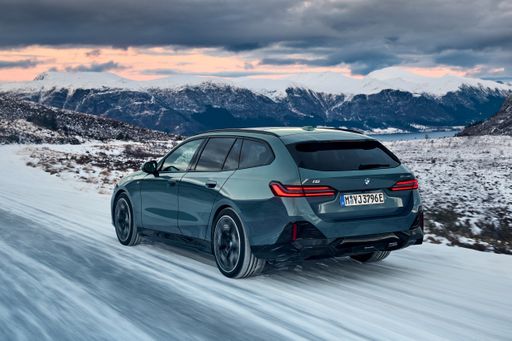
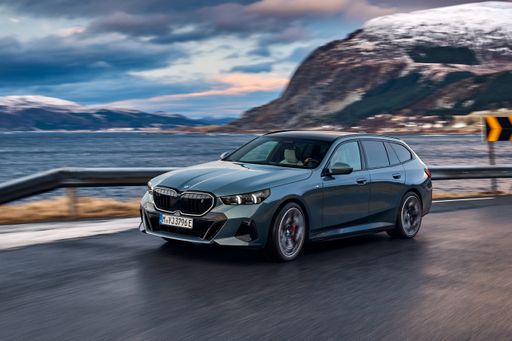
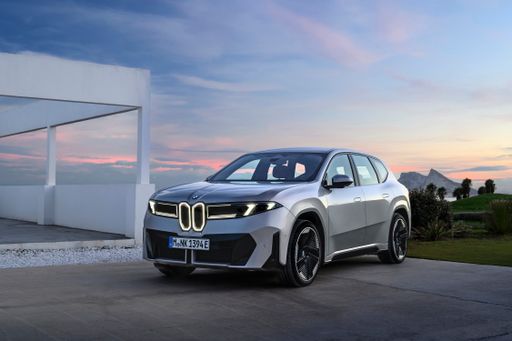
The BMW i5 Touring is a sleek wagon that emphasizes a blend of sportiness and practicality. Measuring 5060 mm in length, 1900 mm in width, and 1505 mm in height, it offers an impressive trunk capacity of 570 liters, making it a versatile choice for families and long trips. In contrast, the iX3 presents an SUV body type that stands taller and offers a more commanding driving position. With dimensions of 4734 mm in length, 1891 mm in width, and 1668 mm in height, it provides a trunk capacity of 510 liters.

iX3

Powertrains and Performance: Electric Power Unleashed

Under the hood, the BMW i5 Touring offers a choice of power outputs, with its top model boasting an astonishing 601 HP from its electric powertrain. The electric range is equally impressive, with up to 520 kilometers on a full charge, making it suitable for both city driving and longer journeys. The i5 Touring can accelerate from 0 to 100 km/h in a mere 3.9 seconds, a testament to its sporty capabilities.

On the other hand, the BMW iX3 offers a more modest yet still commendable 286 HP. With an electric range of up to 471 kilometers and a 0-100 km/h acceleration time of 6.8 seconds, it delivers a robust performance while prioritizing efficiency. Both vehicles utilize automatic transmissions with a reduction gearbox, ensuring smooth power delivery and driving pleasure.

i5 Touring

Driving Dynamics: All-Wheel vs. Rear-Wheel Drive

One of the significant distinctions between these two models lies in their drive configurations. The i5 Touring offers both all-wheel drive (AWD) and rear-wheel drive (RWD) options, granting flexibility and enhancing performance in various driving conditions. This AWD capability allows for better traction and stability, particularly beneficial in adverse weather.

In contrast, the iX3 is exclusively a rear-wheel drive vehicle. While this configuration can offer a sportier feel and dynamic handling, it may not perform as well in slippery conditions compared to an AWD setup. Nonetheless, the iX3 remains an enjoyable drive with its well-tuned suspension and precise steering.

iX3

Efficiency and Sustainability: Green Credentials

Both the BMW i5 Touring and iX3 excel in energy efficiency. The i5 Touring achieves a consumption of 17.9 kWh/100 km, making it a competitive choice among electric vehicles in the luxury segment. Its large 81.2 kWh battery helps provide that extended range while minimizing the need for frequent recharges.

The iX3 outshines slightly on the consumption front, with an efficiency of 17.6 kWh/100 km, thanks to its smaller 73.9 kWh battery. This contributes to its respectable electric range, showcasing BMW's commitment to reducing the carbon footprint of its vehicles. Both models carry a CO2 efficiency class rating of A, indicating that they produce zero CO2 emissions during operation.

Interior Features and Innovations: Comfort Meets Technology

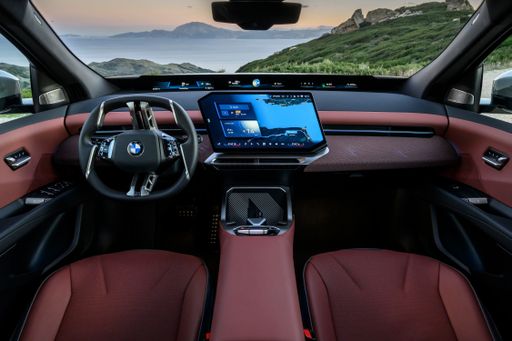
Inside, both vehicles boast a premium feel with high-quality materials and cutting-edge technology. The BMW i5 Touring, being a newer model, incorporates the latest infotainment and connectivity features, including a larger display and updated user interface. It comfortably seats five and offers ample legroom and headroom for all passengers.

The BMW iX3, while slightly older, still features a sophisticated interior that prioritizes comfort and advanced technology. It includes a comprehensive suite of driver-assist features and connectivity options, ensuring an enjoyable driving experience for both the driver and passengers.

Final Thoughts: Which Electric Marvel Reigns Supreme?

Ultimately, the choice between the BMW i5 Touring and the BMW iX3 hinges on individual preferences. If you seek a performance-oriented wagon with ample space and cutting-edge features, the i5 Touring may be your best bet. Conversely, if you prefer the elevated driving experience of an SUV with solid performance and efficiency, the iX3 will not disappoint.

Each vehicle represents BMW's commitment to electrification, comfort, and performance, allowing drivers to embrace a sustainable future without compromising on luxury. Whichever you choose, you're assured of quality and innovation that BMW is renowned for.

Here’s where it gets real: The technical differences in detail

iX3

Costs and Efficiency:

Price and efficiency are key factors when choosing a car – and this is often where the real differences emerge.

BMW iX3 is very slightly cheaper – starting at 60,800 £ , while the BMW i5 Touring costs 61,900 £ . That’s a price difference of around 1,114 £.

In terms of energy consumption, the BMW iX3 is barely more efficient: consuming 15.1 kWh/100km compared to 15.4 kWh/100km for the BMW i5 Touring. That’s a difference of about 0.3 kWh/100km.

As for electric range, the BMW iX3 offers clearly more range – reaching up to 805 km, about 203 km more than the BMW i5 Touring.

i5 Touring

Engine and Performance:

Under the bonnet, it becomes clear which model is tuned for sportiness and which one takes the lead when you hit the accelerator.

When it comes to engine power, the BMW i5 Touring offers noticeably more power – delivering 601 HP compared to 469 HP. That’s roughly 132 HP more horsepower.

When accelerating from 0 to 100 km/h, the BMW i5 Touring is visibly quicker – completing the sprint in 3.9 s, while the BMW iX3 takes 4.9 s. That’s about 1 s quicker.

There’s also a difference in torque: the BMW i5 Touring delivers clearly more torque with 820 Nm compared to 645 Nm. That’s about 175 Nm more.

iX3

Space and Everyday Use:

Whether family car or daily driver – which one offers more room, flexibility and comfort?

Both vehicles offer seating for 5 people.

In terms of curb weight, BMW i5 Touring is only slightly lighter – 2,255 kg compared to 2,360 kg. The difference is around 105 kg.

When it comes to payload, the BMW i5 Touring carries moderately more – 560 kg compared to 465 kg. That’s a difference of about 95 kg.

Who wins the race in the data check?

The BMW i5 Touring holds a decisive overall lead in the objective data comparison.
This result only shows which model scores more points on paper – not which of the two cars feels right for you.

from £61,900
i5 Touring

BMW i5 Touring

  • Engine Type : Electric
  • Transmission : Automatic
  • Drive Type : All-Wheel Drive, Rear-Wheel Drive
  • Power HP : 340 - 601 HP
  • Consumption kWh/100km : 15.4 - 17.7 kWh/100km
  • Electric Range : 522 - 602 km
BMW iX3
BMW i5 Touring

Costs and Consumption

View detailed analysis

Engine and Performance

View detailed analysis

Dimensions and Body

View detailed analysis

BMW iX3

The BMW iX3 brings BMW's familiar SUV poise into the electric era, blending restrained styling and a comfortable, composed ride that will please traditionalists dipping their toes into electrification. It's quiet, practical and rather grown-up about going electric — a sensible choice for buyers who want BMW driving manners without the drama.

details

BMW i5 Touring

The BMW i5 Touring marries the everyday usefulness of a roomy estate with the hushed, premium feel of a modern electric BMW. It’s an appealing choice for buyers who want confident, relaxed driving and executive poise without sacrificing weekend practicality — and it even makes loading skis feel slightly glamorous.

details
BMW iX3
BMW i5 Touring

Costs and Consumption

Price
60,800 - 66,300 £
Price
61,900 - 87,000 £
Consumption L/100km
-
Consumption L/100km
-
Consumption kWh/100km
15.1 kWh/100km
Consumption kWh/100km
15.4 - 17.7 kWh/100km
Electric Range
805 km
Electric Range
522 - 602 km
Battery Capacity
-
Battery Capacity
81.2 kWh
co2
0 g/km
co2
0 g/km
Fuel tank capacity
-
Fuel tank capacity
-

Dimensions and Body

Body Type
SUV
Body Type
Estate
Seats
5
Seats
5
Doors
-
Doors
4
Curb weight
2,360 kg
Curb weight
2,255 - 2,425 kg
Trunk capacity
-
Trunk capacity
570 L
Length
-
Length
5,060 mm
Width
1,895 mm
Width
1,900 mm
Height
-
Height
1,505 - 1,515 mm
Max trunk capacity
-
Max trunk capacity
1,700 L
Payload
465 kg
Payload
535 - 560 kg

Engine and Performance

Engine Type
Electric
Engine Type
Electric
Transmission
Automatic
Transmission
Automatic
Transmission Detail
Reduction Gearbox
Transmission Detail
Reduction Gearbox
Drive Type
All-Wheel Drive
Drive Type
All-Wheel Drive, Rear-Wheel Drive
Power HP
469 HP
Power HP
340 - 601 HP
Acceleration 0-100km/h
4.9 s
Acceleration 0-100km/h
3.9 - 6.1 s
Max Speed
-
Max Speed
193 - 230 km/h
Torque
645 Nm
Torque
430 - 820 Nm
Number of Cylinders
-
Number of Cylinders
-
Power kW
345 kW
Power kW
250 - 442 kW
Engine capacity
-
Engine capacity
-

General

Model Year
2,026
Model Year
2,024
CO2 Efficiency Class
A
CO2 Efficiency Class
A
Brand
BMW
Brand
BMW
DriveDuel uses data analysis and artificial intelligence to evaluate vehicle data and create content. Content is regularly reviewed and improved. The displayed prices are estimates based on German list prices, adjusted to the respective country’s VAT. Country-specific registration taxes are not included. This information is not legally binding.