VS

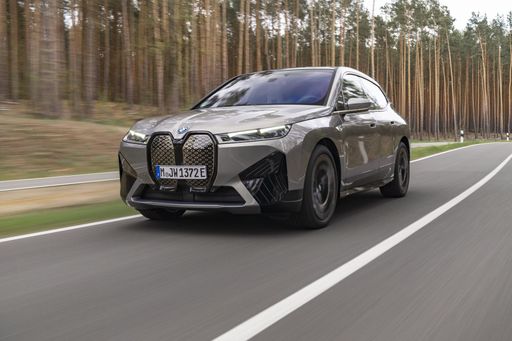
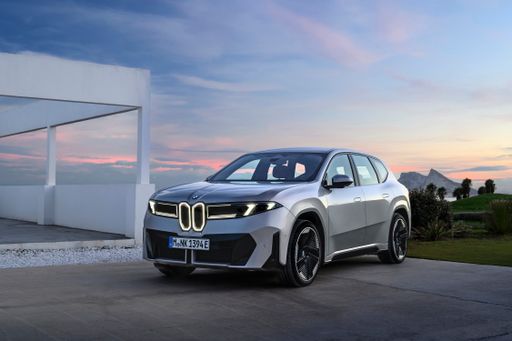
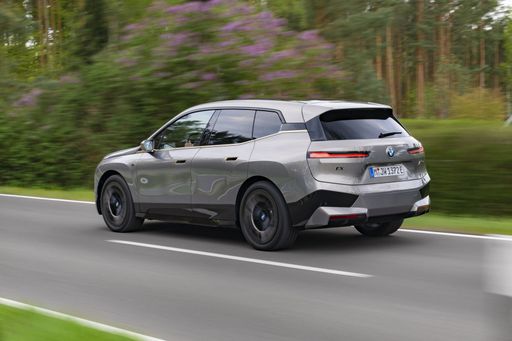
BMW iX3 vs BMW iX comparison

Compare performance (469 HP vs 659 HP), boot space and price (60,800 £ vs 71,600 £ ) at a glance. Find out which car is the better choice for you – BMW iX3 or BMW iX?

BMW iX3 vs BMW iX: Key differences

BMW iX3

4.7 (2 Reviews)
rate
  • a bit cheaper
  • a bit more efficient
  • slightly more electric range
  • very slightly lighter

BMW iX

3.9 (1 Reviews)
rate
  • visibly more power
  • clearly quicker 0–100 km/h

All details on performance, efficiency, range and trunk space can be found in the technical comparison below – including user reviews for both models.

iX3

The Ultimate Electric Showdown: BMW iX vs. BMW iX3

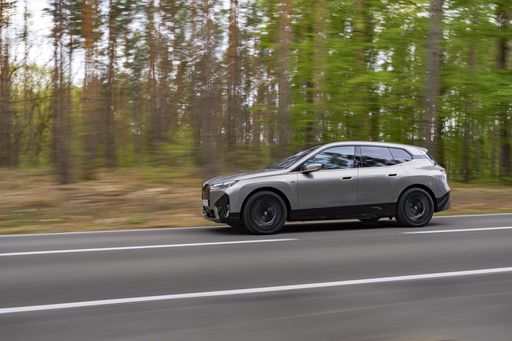
As the automotive world shifts towards electrification, BMW has brought forth two compelling electric SUVs—the iX and the iX3. Each vehicle encapsulates the brand’s commitment to quality and performance, yet they cater to slightly different segments of the market. This comprehensive comparison will dive into the technical specifications, innovations, and overall value of both models.

iX

Performance and Powertrains

The BMW iX boasts a robust range of power outputs, making it a standout in the electric SUV segment. With options ranging from 326 HP to an impressive 619 HP in its most potent configuration, it captures attention with performance capabilities that include a quick 0-100 km/h time of just 3.8 seconds for the iX M60 variant. In contrast, the BMW iX3, while also capable, is powered by a single electric motor that produces a respectable 286 HP, resulting in a 0-100 km/h time of 6.8 seconds. The iX's all-wheel-drive system provides enhanced traction and stability, while the iX3’s rear-wheel-drive configuration offers a more traditional driving experience.

iX3

Battery and Range

When it comes to battery capacity, the iX provides a substantial advantage with two options: 74.1 kWh and a larger 108.8 kWh. This allows the iX to achieve an electric range of up to 619 km, depending on the variant. The iX3, with its 73.9 kWh battery, offers a commendable range of 471 km, but is lower in comparison. Additionally, the iX shows impressive efficiency with a consumption rate of 19.9 kWh/100 km, while the iX3 is even more efficient at 17.6 kWh/100 km.

iX

Dimensions and Design

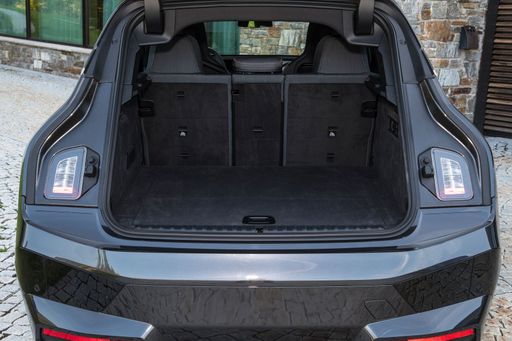
Both the iX and iX3 showcase BMW's signature design language, yet differ in size and proportions. The iX measures 4953 mm in length and stands at 1695 mm tall, making it a larger presence on the road. On the other hand, the iX3 is slightly more compact, measuring 4734 mm in length and 1668 mm in height. Despite this, the iX3 offers a generous trunk capacity of 510 liters compared to the iX’s 500 liters, highlighting its practicality within a more compact framework.

iX3

Innovative Technology Features

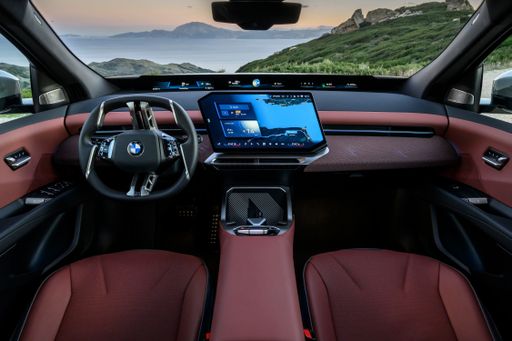
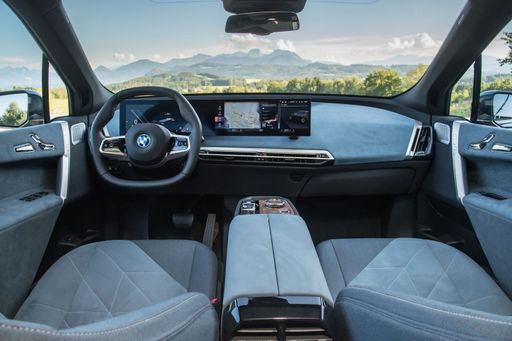
Both vehicles are equipped with cutting-edge technology that enhances the driving experience. The BMW iX features the latest iteration of the iDrive system, including a curved display that integrates both digital instrument cluster and infotainment system. Advanced voice recognition and gesture controls make interaction seamless. The iX3, while slightly less advanced in its tech offerings, still provides a robust infotainment system with a clear focus on driver engagement and ease of use.

iX

Safety and Driver Assistance

Safety is paramount in both models, which include a suite of BMW’s driver assistance technologies. Features such as adaptive cruise control, lane departure warning, and automated emergency braking contribute to excellent safety ratings. Both the iX and iX3 are designed to protect the occupants in various driving conditions, although the iX’s advanced systems take a step further with additional features such as automatic lane changing and a more sophisticated traffic jam assistant.

iX3

Conclusion: Which Electric SUV is Right for You?

Choosing between the BMW iX and the BMW iX3 ultimately depends on a buyer's priorities. The iX is the epitome of luxury and performance with superior power, range, and advanced technology, making it perfect for those seeking a high-end electric experience. In contrast, the iX3, while less powerful, remains an excellent choice for those looking for a more compact, efficient electric SUV with a balance of practicality and performance. Both models deliver zero tailpipe emissions and feature BMW's characteristic driving pleasure, cementing the brand's reputation in the electric vehicle market.

Here’s where it gets real: The technical differences in detail

iX3

Costs and Efficiency:

Looking at overall running costs, both models reveal some interesting differences in everyday economy.

BMW iX3 is a bit cheaper – starting at 60,800 £ , while the BMW iX costs 71,600 £ . That’s a price difference of around 10,800 £.

In terms of energy consumption, the BMW iX3 is a bit more efficient: consuming 15.1 kWh/100km compared to 17.8 kWh/100km for the BMW iX. That’s a difference of about 2.7 kWh/100km.

As for electric range, the BMW iX3 offers slightly more range – reaching up to 805 km, about 104 km more than the BMW iX.

iX

Engine and Performance:

Power, torque and acceleration say a lot about how a car feels on the road. This is where you see which model delivers more driving dynamics.

When it comes to engine power, the BMW iX offers visibly more power – delivering 659 HP compared to 469 HP. That’s roughly 190 HP more horsepower.

When accelerating from 0 to 100 km/h, the BMW iX is clearly quicker – completing the sprint in 3.8 s, while the BMW iX3 takes 4.9 s. That’s about 1.1 s quicker.

There’s also a difference in torque: the BMW iX delivers visibly more torque with 1,015 Nm compared to 645 Nm. That’s about 370 Nm more.

iX3

Space and Everyday Use:

Cabin size, boot volume and payload all play a role in everyday practicality. Here, comfort and flexibility make the difference.

Both vehicles offer seating for 5 people.

In terms of curb weight, BMW iX3 is very slightly lighter – 2,360 kg compared to 2,525 kg. The difference is around 165 kg.

When it comes to payload, the BMW iX carries moderately more – 575 kg compared to 465 kg. That’s a difference of about 110 kg.

Who wins the race in the data check?

The BMW iX is clearly superior overall in the objective data comparison.
This result only shows which model scores more points on paper – not which of the two cars feels right for you.

from £71,600
iX

BMW iX

  • Engine Type : Electric
  • Transmission : Automatic
  • Drive Type : All-Wheel Drive
  • Power HP : 408 - 659 HP
  • Consumption kWh/100km : 17.8 - 20.6 kWh/100km
  • Electric Range : 600 - 701 km
BMW iX3
BMW iX

Costs and Consumption

View detailed analysis

Engine and Performance

View detailed analysis

Dimensions and Body

View detailed analysis

BMW iX3

The BMW iX3 brings BMW's familiar SUV poise into the electric era, blending restrained styling and a comfortable, composed ride that will please traditionalists dipping their toes into electrification. It's quiet, practical and rather grown-up about going electric — a sensible choice for buyers who want BMW driving manners without the drama.

details

BMW iX

The BMW iX arrives like a tech-rich luxury SUV that refuses to shout, offering a serene yet authoritative road presence that suits both city commutes and long-distance cruising. Inside, its minimalist cabin wraps high-quality materials and clever interfaces around a driver-focused layout, making it feel more like a forward-thinking lounge than just another electric appliance — and yes, it still delivers the dynamic driving character you'd expect from a BMW.

details
BMW iX3
BMW iX

Costs and Consumption

Price
60,800 - 66,300 £
Price
71,600 - 108,400 £
Consumption L/100km
-
Consumption L/100km
-
Consumption kWh/100km
15.1 kWh/100km
Consumption kWh/100km
17.8 - 20.6 kWh/100km
Electric Range
805 km
Electric Range
600 - 701 km
Battery Capacity
-
Battery Capacity
-
co2
0 g/km
co2
0 g/km
Fuel tank capacity
-
Fuel tank capacity
-

Dimensions and Body

Body Type
SUV
Body Type
SUV
Seats
5
Seats
5
Doors
-
Doors
-
Curb weight
2,360 kg
Curb weight
2,525 - 2,655 kg
Trunk capacity
-
Trunk capacity
500 L
Length
-
Length
-
Width
1,895 mm
Width
1,970 mm
Height
-
Height
-
Max trunk capacity
-
Max trunk capacity
-
Payload
465 kg
Payload
505 - 575 kg

Engine and Performance

Engine Type
Electric
Engine Type
Electric
Transmission
Automatic
Transmission
Automatic
Transmission Detail
Reduction Gearbox
Transmission Detail
Reduction Gearbox
Drive Type
All-Wheel Drive
Drive Type
All-Wheel Drive
Power HP
469 HP
Power HP
408 - 659 HP
Acceleration 0-100km/h
4.9 s
Acceleration 0-100km/h
3.8 - 5.1 s
Max Speed
-
Max Speed
-
Torque
645 Nm
Torque
700 - 1,015 Nm
Number of Cylinders
-
Number of Cylinders
-
Power kW
345 kW
Power kW
300 - 485 kW
Engine capacity
-
Engine capacity
-

General

Model Year
2,026
Model Year
2,025
CO2 Efficiency Class
A
CO2 Efficiency Class
A
Brand
BMW
Brand
BMW
DriveDuel uses data analysis and artificial intelligence to evaluate vehicle data and create content. Content is regularly reviewed and improved. The displayed prices are estimates based on German list prices, adjusted to the respective country’s VAT. Country-specific registration taxes are not included. This information is not legally binding.