VS

BMW iX3 vs BMW iX2 comparison

Compare performance (469 HP vs 313 HP), boot space and price (60,800 £ vs 43,700 £ ) at a glance. Find out which car is the better choice for you – BMW iX3 or BMW iX2?

BMW iX3 vs BMW iX2: Key differences

BMW iX3

4.7 (2 Reviews)
rate
  • noticeably more power
  • visibly more electric range
  • slightly quicker 0–100 km/h

BMW iX2

5 (2 Reviews)
rate
  • clearly cheaper
  • very slightly more efficient
  • visibly lighter

All details on performance, efficiency, range and trunk space can be found in the technical comparison below – including user reviews for both models.

iX3

BMW iX2 vs BMW iX3: a head-to-head look at two BMW electric SUVs

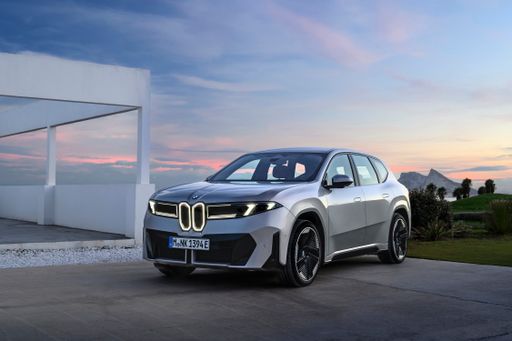
BMW iX2 and BMW iX3 sit on the same electric ladder but aim at subtly different buyers, and this comparison lays out those differences clearly. Think of this as a style-versus-substance face-off between a compact, city-minded electric crossover and a more substantial, family-friendly electric SUV. We’ll talk character, daily usability, and which car better suits your lifestyle rather than drown you in spec sheets. If you searched for BMW iX2 VS BMW iX3, you’re in the right place to decide which direction your next BMW purchase should lean. Read on to see how each one behaves on the street, in the garage, and in your driveway identity.
iX2

Two different attitudes: street sprinter versus composed cruiser

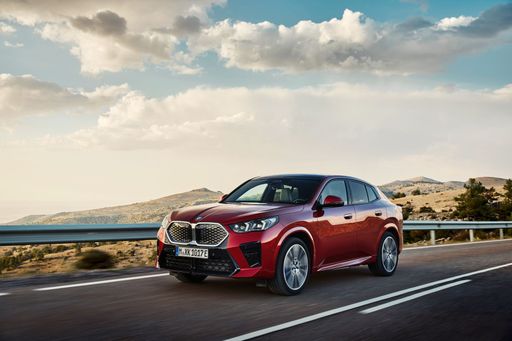
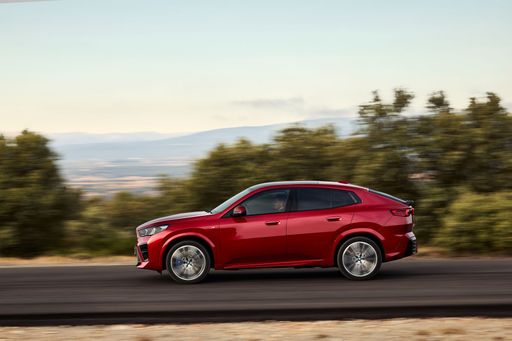
The BMW iX2 projects a cheeky, urban attitude — nippy, compact and keen to be noticed in tight city streets — while the BMW iX3 feels like the grown-up sibling, more composed and built for stability and longer journeys. BMW iX2 wears its sportiness and sharper proportions like a jacket that says “I live downtown,” whereas BMW iX3 opts for a calmer, planted presence that reads as assured rather than flashy. That difference in character bleeds into driving feel: iX2 is more about agility and immediacy, iX3 about calmness and confidence. Choose by temperament: do you want to be playful around town or quietly in command on the motorway?

iX3

How they behave day-to-day: city errands, school runs and weekend escapes

For daily life, the BMW iX2 rewards people who battle tight parking, short commutes and prefer a car that’s easy to live with in urban settings. The BMW iX3 answers better to families and frequent travelers who value space, a steadier ride and fewer compromises when luggage or passengers increase. In practical terms you’ll notice BMW iX2 feels lighter on its feet and easier to manoeuvre, while BMW iX3 gives a stronger sense of room and lower fatigue on longer runs. Either way, consider where most of your miles happen — inner-city hopping or longer, load-heavy trips — and the choice becomes clearer.

iX2

Buying a badge: image, materials and the case you make to friends

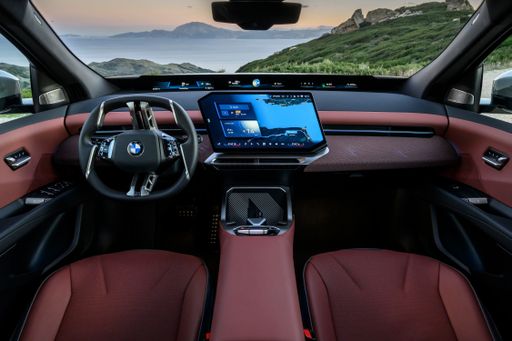
Pick the BMW iX2 if you want to signal modernity with an urban edge; it reads as contemporary and a touch daring, especially when spec’d with contrasting trims and bold colour choices. The BMW iX3 better suits buyers who prefer understatement with a premium lean — it’s the kind of car that quietly impresses at the school pickup or the client lunch. Inside, BMW iX2 leans into a fresher, city-focused layout, while BMW iX3 presents a more traditional, composed cabin feel that some will interpret as more luxurious. In short: iX2 is the confident newcomer; iX3 is the competent family member who keeps things sensible and tidy.

iX3

Who should seriously consider the BMW iX2?

The BMW iX2 is aimed at urban and value-conscious buyers who want a compact electric BMW that’s easy to park, pleasant to drive around town and has personality to spare. It suits single drivers or couples without a constant need for maximum cargo room, and it rewards those who prioritise agility and city friendliness over long-distance seat comfort. Style-minded buyers who want a BMW that stands out without shouting will find iX2 very appealing. If you’re often navigating inner-city life and want a car that’s fun as well as practical, the iX2 is worth a test drive.

iX2

Who should seriously consider the BMW iX3 (and why the iX2 still matters)

The BMW iX3 is for buyers who prize calm, long-distance comfort and a bit more space for family life or regular luggage-heavy weekends away, making it a great fit for those who put miles and practicality near the top of the list. It’s the better pick if you want a sense of composure on highways and a cabin that leans toward traditional premium comfort, whereas the BMW iX2 remains the go-to for city-first lifestyles and buyers who value agility and style. If safety, everyday usefulness and subdued refinement matter most, look closely at the iX3; if downtown pizzazz is your thing, don’t forget the iX2. Scroll down into the delta section for the hard numbers that back up these impressions and help seal your decision.

Here’s where it gets real: The technical differences in detail

iX3

Costs and Efficiency:

Price and efficiency are key factors when choosing a car – and this is often where the real differences emerge.

BMW iX2 is clearly cheaper – starting at 43,700 £ , while the BMW iX3 costs 60,800 £ . That’s a price difference of around 17,057 £.

In terms of energy consumption, the BMW iX2 is very slightly more efficient: consuming 14.4 kWh/100km compared to 15.1 kWh/100km for the BMW iX3. That’s a difference of about 0.7 kWh/100km.

As for electric range, the BMW iX3 offers visibly more range – reaching up to 805 km, about 293 km more than the BMW iX2.

iX2

Engine and Performance:

Power, torque and acceleration are the classic benchmarks for car enthusiasts – and here, some clear differences start to show.

When it comes to engine power, the BMW iX3 offers noticeably more power – delivering 469 HP compared to 313 HP. That’s roughly 156 HP more horsepower.

When accelerating from 0 to 100 km/h, the BMW iX3 is slightly quicker – completing the sprint in 4.9 s, while the BMW iX2 takes 5.6 s. That’s about 0.7 s quicker.

There’s also a difference in torque: the BMW iX3 delivers clearly more torque with 645 Nm compared to 494 Nm. That’s about 151 Nm more.

iX3

Space and Everyday Use:

Cabin size, boot volume and payload all play a role in everyday practicality. Here, comfort and flexibility make the difference.

Both vehicles offer seating for 5 people.

In terms of curb weight, BMW iX2 is visibly lighter – 1,960 kg compared to 2,360 kg. The difference is around 400 kg.

When it comes to payload, the BMW iX2 carries marginally more – 510 kg compared to 465 kg. That’s a difference of about 45 kg.

Who wins the race in the data check?

The BMW iX3 holds a decisive overall lead in the objective data comparison.
This result only shows which model scores more points on paper – not which of the two cars feels right for you.

from £60,800
iX3

BMW iX3

  • Engine Type : Electric
  • Transmission : Automatic
  • Drive Type : All-Wheel Drive
  • Power HP : 469 HP
  • Consumption kWh/100km : 15.1 kWh/100km
  • Electric Range : 805 km
BMW iX3
BMW iX2

Costs and Consumption

View detailed analysis

Engine and Performance

View detailed analysis

Dimensions and Body

View detailed analysis

BMW iX3

The BMW iX3 brings BMW's familiar SUV poise into the electric era, blending restrained styling and a comfortable, composed ride that will please traditionalists dipping their toes into electrification. It's quiet, practical and rather grown-up about going electric — a sensible choice for buyers who want BMW driving manners without the drama.

details

BMW iX2

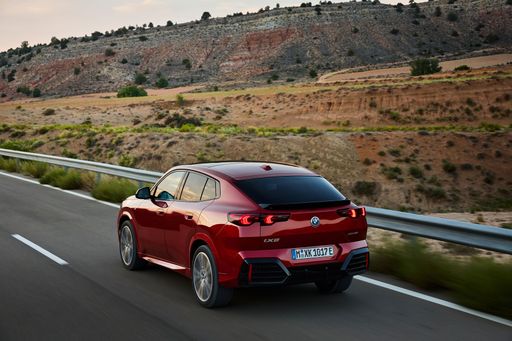
The BMW iX2 cuts a sporty silhouette and delivers the buttoned-up premium feel you expect from the brand, wrapped in a compact electric package that’s easy to live with. It’s a smart pick for buyers who want engaging city driving, clever cabin tech and a touch of eco-conscious flair without giving up the fun behind the wheel.

details
BMW iX3
BMW iX2

Costs and Consumption

Price
60,800 - 66,300 £
Price
43,700 - 55,600 £
Consumption L/100km
-
Consumption L/100km
-
Consumption kWh/100km
15.1 kWh/100km
Consumption kWh/100km
14.4 - 15.4 kWh/100km
Electric Range
805 km
Electric Range
476 - 512 km
Battery Capacity
-
Battery Capacity
-
co2
0 g/km
co2
0 g/km
Fuel tank capacity
-
Fuel tank capacity
-

Dimensions and Body

Body Type
SUV
Body Type
SUV
Seats
5
Seats
5
Doors
-
Doors
-
Curb weight
2,360 kg
Curb weight
1,960 - 2,095 kg
Trunk capacity
-
Trunk capacity
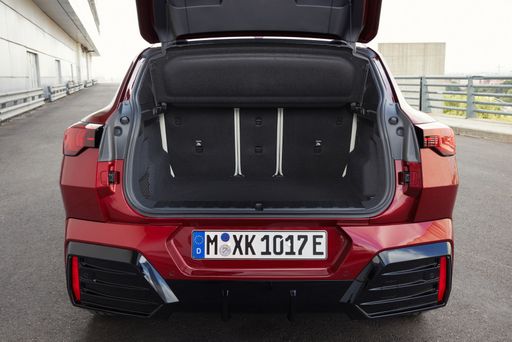
525 L
Length
-
Length
-
Width
1,895 mm
Width
1,845 mm
Height
-
Height
-
Max trunk capacity
-
Max trunk capacity
-
Payload
465 kg
Payload
500 - 510 kg

Engine and Performance

Engine Type
Electric
Engine Type
Electric
Transmission
Automatic
Transmission
Automatic
Transmission Detail
Reduction Gearbox
Transmission Detail
Reduction Gearbox
Drive Type
All-Wheel Drive
Drive Type
Front-Wheel Drive, All-Wheel Drive
Power HP
469 HP
Power HP
204 - 313 HP
Acceleration 0-100km/h
4.9 s
Acceleration 0-100km/h
5.6 - 8.6 s
Max Speed
-
Max Speed
-
Torque
645 Nm
Torque
250 - 494 Nm
Number of Cylinders
-
Number of Cylinders
-
Power kW
345 kW
Power kW
150 - 230 kW
Engine capacity
-
Engine capacity
-

General

Model Year
2,026
Model Year
2,026
CO2 Efficiency Class
A
CO2 Efficiency Class
A
Brand
BMW
Brand
BMW
DriveDuel uses data analysis and artificial intelligence to evaluate vehicle data and create content. Content is regularly reviewed and improved. The displayed prices are estimates based on German list prices, adjusted to the respective country’s VAT. Country-specific registration taxes are not included. This information is not legally binding.