VS

BMW X3 vs Audi Q4 e-tron comparison

Compare performance (398 HP vs 340 HP), boot space and price (51,300 £ vs 39,600 £ ) at a glance. Find out which car is the better choice for you – BMW X3 or Audi Q4 e-tron?

BMW X3 vs Audi Q4 e-tron: Key differences

BMW X3

4.6 (1 Reviews)
rate
  • somewhat more power
  • moderately quicker 0–100 km/h
  • only slightly lighter
  • barely more trunk space

Audi Q4 e-tron

4.9 (2 Reviews)
rate
  • visibly cheaper
  • considerably more electric range
X3

As the automotive world increasingly leans toward electrification, the competition between luxury SUVs is heating up. Two contenders that have garnered considerable attention are the Audi Q4 e-tron and the BMW X3. Both vehicles encapsulate their respective brands' ethos while presenting innovative technology and impressive performance. In this article, we’ll delve into a detailed comparison of these two premium SUVs, focusing on their technical aspects and innovations.
Q4 e-tron

Design and Dimensions

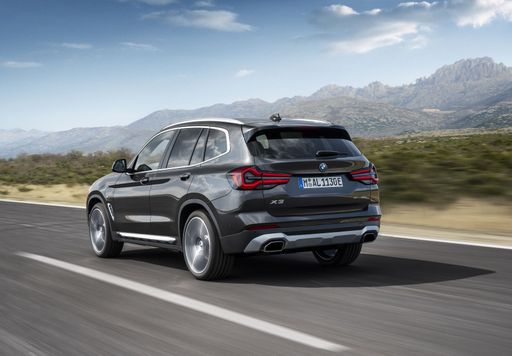
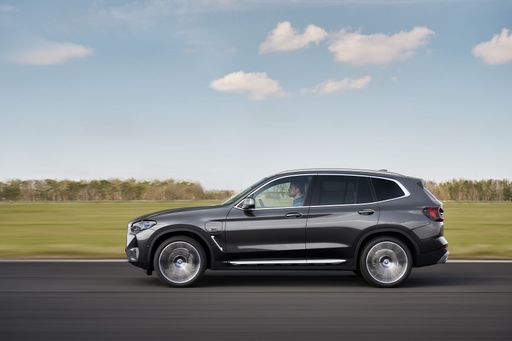
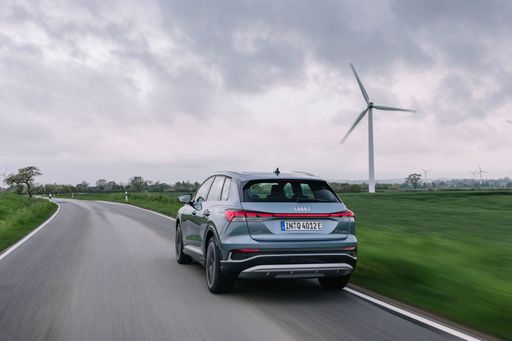
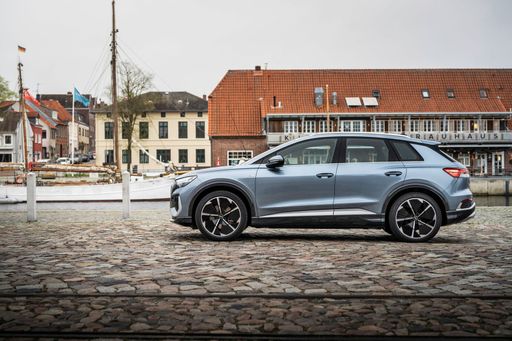
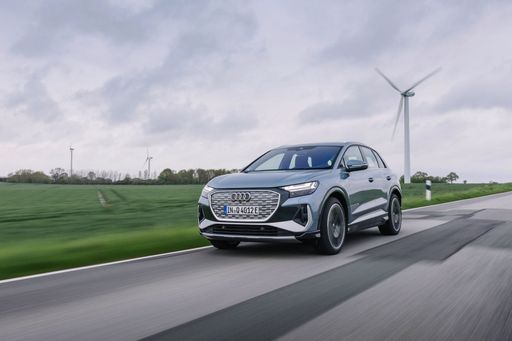
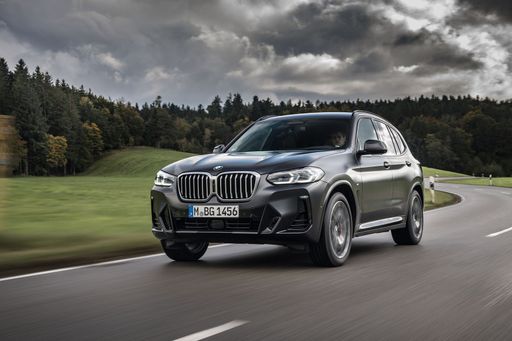
The Audi Q4 e-tron showcases a sleek, futuristic design typical of Audi's aesthetics. Measuring 4588 mm in length, 1865 mm in width, and 1632 mm in height, the Q4 e-tron has a confident stance that speaks to its electric heritage. On the other hand, the BMW X3, slightly larger at 4708 mm long, 1891 mm wide, and 1676 mm high, embodies a more robust and muscular appearance, aligning with BMW's signature design language.

X3

Powertrains and Performance

The Audi Q4 e-tron offers an all-electric lineup, featuring a range of power outputs from 170 HP up to 340 HP with its all-wheel-drive variants. The performance figures are impressive, with a maximum torque reaching 679 Nm and acceleration times as brisk as 5.4 seconds for the sporty versions. Its electric range also commands attention, with capabilities of up to 554 km on a full charge, ensuring that range anxiety remains a thing of the past.

In contrast, the BMW X3 boasts a versatile range, incorporating petrol, diesel, and hybrid options. With power levels spanning from 184 HP up to a staggering 510 HP in its high-performance variants, the X3 caters to a broader audience. Although its fuel-powered engines lack the range of the Q4 e-tron, they still deliver robust performance with rapid acceleration times, such as a mere 3.8 seconds for the top-performing model. The X3's hybrid models offer limited electric range, peaking at 90 km, suitable for short commutes.

Q4 e-tron

Efficiency and Sustainability

When it comes to efficiency, the Audi Q4 e-tron excels with an energy consumption rating between 15.9 to 17.4 kWh per 100 km. This remarkable efficiency is a step toward sustainable transportation, aligning with modern eco-conscious consumer expectations. With zero tailpipe emissions, the Q4 e-tron makes a statement about Audi’s commitment to sustainability.

The BMW X3, while not fully electric, integrates advanced hybrid technologies. The plug-in hybrid models have a lower consumption rate, some as efficient as 0.9 liters per 100 km, making it appealing for those looking for a combination of traditional power and electric assistance. However, it does have CO2 emissions that range from 21 to 246 g/km, which could be a consideration for environmentally conscious buyers.

X3

Interior and Technology

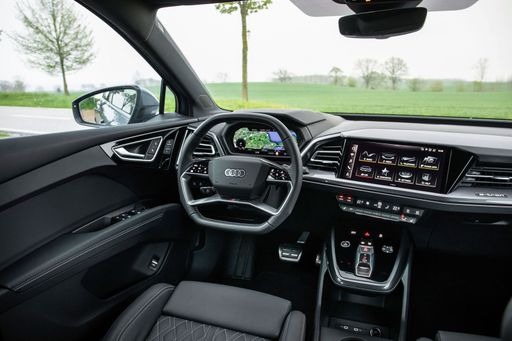
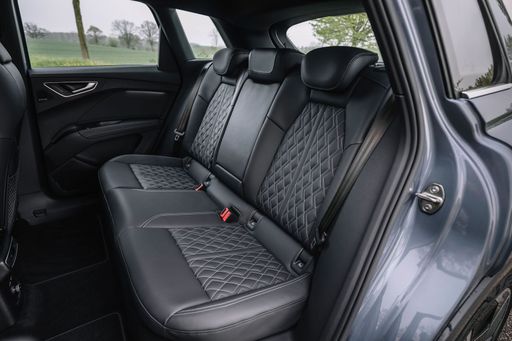
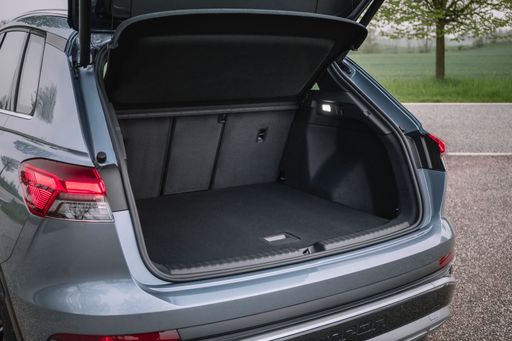
Stepping inside the Audi Q4 e-tron reveals a modern and minimalistic cabin that places a strong emphasis on technology. With a spacious interior for up to five passengers, the Q4 e-tron is equipped with a cutting-edge infotainment system, featuring a high-resolution touchscreen, advanced voice recognition, and driver-assistance systems. The cargo capacity measures at 520 liters, allowing ample space for everyday needs.

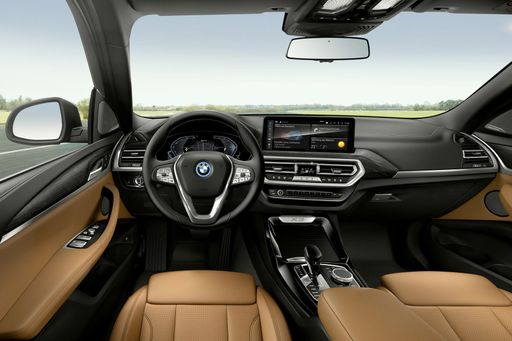
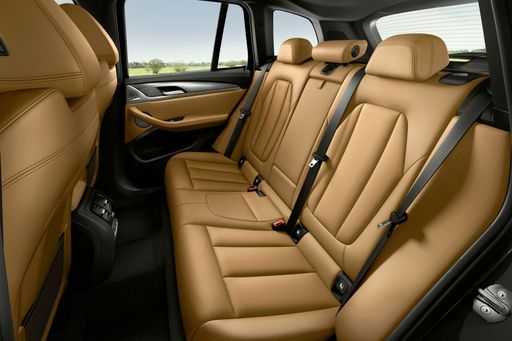
The BMW X3 promotes a driver-focused interior filled with premium materials and a more conventional aesthetic. The infotainment system is equally advanced with large display screens and optional gesture control. Passengers also enjoy generous legroom and luggage space, with trunk capacities reaching up to 570 liters, aiding practical daily usability.

Q4 e-tron

Conclusion: Which SUV Reigns Supreme?

Ultimately, the choice between the Audi Q4 e-tron and the BMW X3 depends on what you value in an SUV. If eco-friendliness, cutting-edge electric technology, and a sleek design are your priorities, the Q4 e-tron stands out as a formidable option. Alternatively, for those who favor versatility, driving dynamics, and a broader range of powertrain options, the BMW X3 holds a strong allure.

As the automotive landscape continues to evolve, both models showcase the direction luxury SUVs are heading towards, combining performance with innovative technology and sustainability.

Here’s where it gets real: The technical differences in detail

X3

Costs and Efficiency:

Looking at overall running costs, both models reveal some interesting differences in everyday economy.

Audi Q4 e-tron is visibly cheaper – starting at 39,600 £ , while the BMW X3 costs 51,300 £ . That’s a price difference of around 11,700 £.

As for electric range, the Audi Q4 e-tron offers considerably more range – reaching up to 554 km, about 466 km more than the BMW X3.

Q4 e-tron

Engine and Performance:

Power, torque and acceleration say a lot about how a car feels on the road. This is where you see which model delivers more driving dynamics.

When it comes to engine power, the BMW X3 offers somewhat more power – delivering 398 HP compared to 340 HP. That’s roughly 58 HP more horsepower.

When accelerating from 0 to 100 km/h, the BMW X3 is moderately quicker – completing the sprint in 4.6 s, while the Audi Q4 e-tron takes 5.4 s. That’s about 0.8 s quicker.

Looking at top speed, the BMW X3 is visibly faster – reaching 250 km/h, while the Audi Q4 e-tron tops out at 180 km/h. The difference is around 70 km/h.

There’s also a difference in torque: the Audi Q4 e-tron delivers only slightly more torque with 679 Nm compared to 670 Nm. That’s about 9 Nm more.

X3

Space and Everyday Use:

Cabin size, boot volume and payload all play a role in everyday practicality. Here, comfort and flexibility make the difference.

Both vehicles offer seating for 5 people.

In terms of curb weight, BMW X3 is only slightly lighter – 1,930 kg compared to 2,035 kg. The difference is around 105 kg.

Looking at boot space, the BMW X3 offers barely more boot space – 570 L compared to 535 L. That’s a difference of about 35 L.

For maximum load capacity, the BMW X3 offers somewhat more capacity – up to 1,700 L, about 210 L more than the Audi Q4 e-tron.

When it comes to payload, the BMW X3 carries very slightly more – 570 kg compared to 515 kg. That’s a difference of about 55 kg.

Who wins the race in the data check?

The Audi Q4 e-tron is far ahead overall in the objective data comparison.
This result only shows which model scores more points on paper – not which of the two cars feels right for you.

from £39,600
Q4 e-tron

Audi Q4 e-tron

  • Engine Type : Electric
  • Transmission : Automatic
  • Drive Type : Rear-Wheel Drive, All-Wheel Drive
  • Power HP : 204 - 340 HP
  • Consumption kWh/100km : 15.9 - 17.4 kWh/100km
  • Electric Range : 406 - 554 km
BMW X3
Audi Q4 e-tron

Costs and Consumption

View detailed analysis

Engine and Performance

View detailed analysis

Dimensions and Body

View detailed analysis

BMW X3

The BMW X3 mixes Bavarian poise with everyday practicality, delivering a composed ride and a cabin that feels both premium and lived-in. It’s the sort of SUV that lets you enjoy sporty handling without sacrificing family-friendly space, so you get fun and sense in one neat package.

details

Audi Q4 e-tron

The Audi Q4 e-tron brings Audi polish into the electric crossover scene, pairing a sleek exterior with a refined, airy interior that makes everyday driving feel distinctly premium. It’s an easy-to-live-with EV that balances comfort and real-world usability with intuitive tech, making it a smart choice for buyers who want electric mobility without giving up Audi character — and yes, it still looks good in the driveway.

details
BMW X3
Audi Q4 e-tron

Costs and Consumption

Price
51,300 - 72,400 £
Price
39,600 - 58,800 £
Consumption L/100km
2.8 - 7.7 L/100km
Consumption L/100km
-
Consumption kWh/100km
-
Consumption kWh/100km
15.9 - 17.4 kWh/100km
Electric Range
88 km
Electric Range
406 - 554 km
Battery Capacity
-
Battery Capacity
77 kWh
co2
64 - 175 g/km
co2
0 g/km
Fuel tank capacity
60 - 65 L
Fuel tank capacity
-

Dimensions and Body

Body Type
SUV
Body Type
SUV
Seats
5
Seats
5
Doors
5
Doors
5
Curb weight
1,930 - 2,140 kg
Curb weight
2,035 - 2,235 kg
Trunk capacity
460 - 570 L
Trunk capacity
520 - 535 L
Length
4,755 mm
Length
4,588 mm
Width
1,920 mm
Width
1,865 mm
Height
1,660 mm
Height
1,614 - 1,632 mm
Max trunk capacity
1,700 L
Max trunk capacity
1,460 - 1,490 L
Payload
570 kg
Payload
505 - 515 kg

Engine and Performance

Engine Type
Petrol MHEV, Diesel MHEV, Plugin Hybrid
Engine Type
Electric
Transmission
Automatic
Transmission
Automatic
Transmission Detail
Automatic Gearbox
Transmission Detail
Reduction Gearbox
Drive Type
All-Wheel Drive
Drive Type
Rear-Wheel Drive, All-Wheel Drive
Power HP
197 - 398 HP
Power HP
204 - 340 HP
Acceleration 0-100km/h
4.6 - 7.8 s
Acceleration 0-100km/h
5.4 - 8.1 s
Max Speed
215 - 250 km/h
Max Speed
180 km/h
Torque
330 - 670 Nm
Torque
310 - 679 Nm
Number of Cylinders
4 - 6
Number of Cylinders
-
Power kW
145 - 293 kW
Power kW
150 - 250 kW
Engine capacity
1,995 - 2,998 cm3
Engine capacity
-

General

Model Year
2,024 - 2,025
Model Year
2,023 - 2,025
CO2 Efficiency Class
F, E, B
CO2 Efficiency Class
A
Brand
BMW
Brand
Audi
DriveDuel uses data analysis and artificial intelligence to evaluate vehicle data and create content. Content is regularly reviewed and improved. The displayed prices are estimates based on German list prices, adjusted to the respective country’s VAT. Country-specific registration taxes are not included. This information is not legally binding.