VS

Dacia Bigster vs Vauxhall Frontera comparison

Compare performance (158 HP vs 145 HP), boot space and price (20,600 £ vs 20,700 £ ) at a glance. Find out which car is the better choice for you – Dacia Bigster or Vauxhall Frontera?

Dacia Bigster vs Vauxhall Frontera: Key differences

Dacia Bigster

4.5 (12 Reviews)
rate
  • very slightly cheaper
  • barely more power
  • somewhat more efficient
  • visibly more trunk space
details

Vauxhall Frontera

4.1 (7 Reviews)
rate
  • barely quicker 0–100 km/h
  • barely lighter
details

All details on performance, efficiency, range and trunk space can be found in the technical comparison below – including user reviews for both models.

By Achim Sedelmaier

Bigster

Vauxhall Frontera vs Dacia Bigster: A Clash of Titans

In the ever-evolving landscape of off-roaders and SUVs, two names have risen to prominence, captivating enthusiasts and casual drivers alike. Welcome to our in-depth comparison of the Opel's revamped Vauxhall Frontera and Dacia's upcoming sensation, the Bigster. Both vehicles promise an exhilarating blend of innovation, performance, and comfort. Let's dive into their key features and see which one might suit your lifestyle the best.
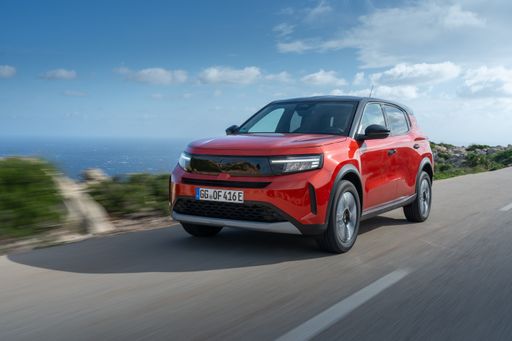
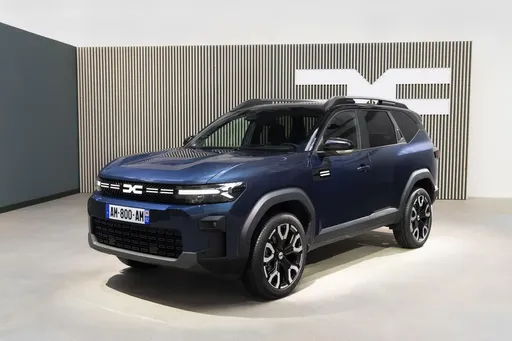
Frontera

Powertrain and Performance: The Heart of the Beast

For the 2024 model, the Vauxhall Frontera provides versatile powertrain options with its Petrol MHEV and Electric engines. The Frontera's petrol variant churns out a respectable 100 to 136 HP, while the electric version offers up to 113 HP, complemented by a high torque range of 125 to 230 Nm to tackle rugged terrains with ease.

In comparison, the Dacia Bigster's 2025 edition showcases a blend of power sources with its Petrol MHEV, Full Hybrid, and LPG options. Its power output ranges from 130 to 155 HP, delivering a potent torque of 230 Nm that solidifies its all-terrain capabilities. Notably, the Bigster offers both manual and automatic transmission systems, including an engaging manual gearbox for traditionalists and all-wheel drive versatility.

Bigster

Fuel Efficiency and Environmental Impact

Fuel consumption and environmental considerations remain key in today's automotive market. The Frontera showcases commendable fuel efficiency with a petrol consumption of 5.5 L/100km and an electric consumption of 18.2 kWh/100km, emphasizing a lower environmental footprint with CO2 emissions from 0 to 126 g/km. Ranging from CO2 efficiency classes D to A, it appeals to ecologically conscious buyers.

The Bigster, on the other hand, offers diverse consumption choices ranging from 4.7 L/100km to 6.1 L/100km across its different engine types. Its CO2 emissions range from 106 to 137 g/km, and it falls within efficiency classes E to C. While slightly higher in emissions, the Bigster provides a balanced approach to fuel efficiency and performance.

Frontera

Interior and Comfort: Embracing the Journey

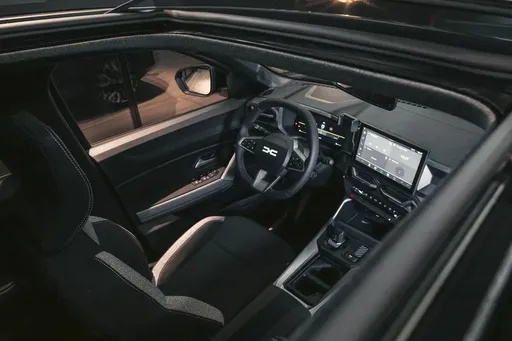
Both vehicles ensure that driver and passengers travel in comfort. The Frontera offers flexibility with configurations seating up to 7, adapting to family and adventure needs. It also boasts a respectable trunk capacity of 460 liters, with added ease courtesy of an automatic dual-clutch transmission.

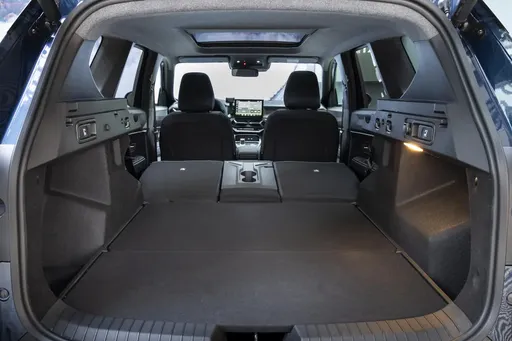
Meanwhile, the Bigster seats 5 and impresses with an expansive trunk capacity of up to 667 liters, making it ideal for those long-haul adventures. It pairs these features with advanced automation, enhancing driver control and convenience.

Bigster

Dimensions and Versatility: Tailored to Your Lifestyle

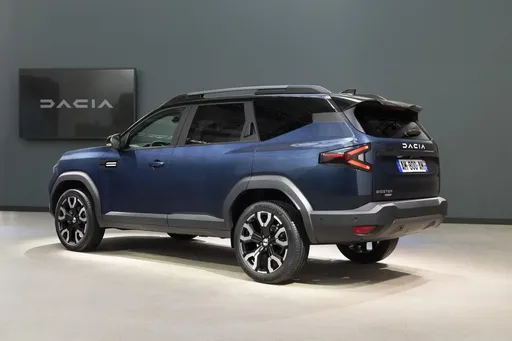
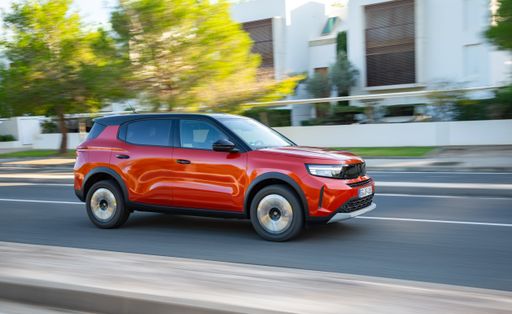
Standing at a length of 4385 mm, the Vauxhall Frontera sports a compact yet robust presence ideal for agile maneuvers through urban and rugged routes. With a width of 1795 mm and height of 1635 mm, it's poised for versatile performance.

The Dacia Bigster stretches to 4570 mm, offering a slightly larger form factor that translates into more storage and comfort. Its 1813 mm width and 1705 mm height ensure a commanding road presence.

Frontera

Conclusion: Deciding Your Ideal Companion

In conclusion, both the Vauxhall Frontera and Dacia Bigster demonstrate considerable strengths in today's market. The Frontera charms with its eco-friendly options and adaptable seating, perfect for environmentally-conscious family road trips. On the flip side, the Bigster shines with its power options, robust storage capacity, and a larger, striking build suitable for adventure seekers.

Ultimately, the choice between these two automotive marvels boils down to individual needs and desires. Whether you crave the versatile dynamics of the Frontera or the solid, imposing presence of the Bigster, both promise a pleasurable driving experience tailored to diverse lifestyles.

Here’s where it gets real: The technical differences in detail

Bigster

Costs and Efficiency:

When it comes to price and running costs, the biggest differences usually appear. This is often where you see which car fits your budget better in the long run.

Dacia Bigster is very slightly cheaper – starting at 20,600 £ , while the Vauxhall Frontera costs 20,700 £ . That’s a price difference of around 172 £.

Fuel consumption also shows a difference: the Dacia Bigster uses 4.7 L/100km and is somewhat more efficient than the Vauxhall Frontera with 5.2 L/100km. The difference is about 0.5 L/100km.

Frontera

Engine and Performance:

Power, torque and acceleration say a lot about how a car feels on the road. This is where you see which model delivers more driving dynamics.

When it comes to engine power, the Dacia Bigster offers barely more power – delivering 158 HP compared to 145 HP. That’s roughly 13 HP more horsepower.

When accelerating from 0 to 100 km/h, the Vauxhall Frontera is barely quicker – completing the sprint in 9.1 s, while the Dacia Bigster takes 9.7 s. That’s about 0.6 s quicker.

Both models offer the same torque – 230 Nm.

Bigster

Space and Everyday Use:

Beyond pure performance, interior space and usability matter most in daily life. This is where you see which car is more practical and versatile.

Seats: Vauxhall Frontera offers more seats – 7 vs 5.

In terms of curb weight, Vauxhall Frontera is barely lighter – 1,394 kg compared to 1,425 kg. The difference is around 31 kg.

Looking at boot space, the Dacia Bigster offers visibly more boot space – 667 L compared to 460 L. That’s a difference of about 207 L.

When it comes to payload, the Vauxhall Frontera carries moderately more – 570 kg compared to 465 kg. That’s a difference of about 105 kg.

Who wins the race in the data check?

The Vauxhall Frontera is slightly ahead in the objective data comparison.
This result only shows which model scores more points on paper – not which of the two cars feels right for you.

from £20,700
Frontera

Vauxhall Frontera

  • Engine Type Electric, Petrol MHEV
  • Transmission Automatic
  • Drive Type Front-Wheel Drive
  • Power HP 110 - 145 HP
  • Consumption L/100km 5.2 L/100km
  • Consumption kWh/100km 16.7 - 18.3 kWh/100km
  • Electric Range 308 - 400 km
Dacia Bigster
Vauxhall Frontera

Costs and Consumption

View detailed analysis

Engine and Performance

View detailed analysis

Dimensions and Body

View detailed analysis

Dacia Bigster

The Dacia Bigster is a straightforward, value-driven SUV that emphasizes space, practicality and low running costs rather than flashy tech. It’s a sensible choice for buyers who want a roomy, well-built family car with rugged styling and easy-to-use features at an affordable price.

details

Vauxhall Frontera

The Opel Frontera is a rugged, no-nonsense SUV that balances off-road capability with comfortable everyday driving. It offers straightforward mechanics and a practical cabin, making it a sensible choice for buyers who value durability over flash.

details
Dacia Bigster
Vauxhall Frontera

Costs and Consumption

Price
20,600 - 28,100 £
Price
20,700 - 30,000 £
Consumption L/100km
4.7 - 7.2 L/100km
Consumption L/100km
5.2 L/100km
Consumption kWh/100km
-
Consumption kWh/100km
16.7 - 18.3 kWh/100km
Electric Range
-
Electric Range
308 - 400 km
Battery Capacity
-
Battery Capacity
-
co2
106 - 134 g/km
co2
0 - 118 g/km
Fuel tank capacity
-
Fuel tank capacity
-

Dimensions and Body

Body Type
SUV
Body Type
SUV
Seats
5
Seats
5 - 7
Doors
-
Doors
-
Curb weight
1,425 - 1,611 kg
Curb weight
1,394 - 1,610 kg
Trunk capacity
444 - 667 L
Trunk capacity
460 L
Length
-
Length
-
Width
1,813 mm
Width
1,795 mm
Height
-
Height
-
Max trunk capacity
-
Max trunk capacity
-
Payload
434 - 465 kg
Payload
436 - 570 kg

Engine and Performance

Engine Type
Petrol MHEV, Full Hybrid, LPG
Engine Type
Electric, Petrol MHEV
Transmission
Manuel, Automatic
Transmission
Automatic
Transmission Detail
Manual Gearbox, Automated Manual, Dual-Clutch Automatic
Transmission Detail
Reduction Gearbox, Dual-Clutch Automatic
Drive Type
Front-Wheel Drive, All-Wheel Drive
Drive Type
Front-Wheel Drive
Power HP
140 - 158 HP
Power HP
110 - 145 HP
Acceleration 0-100km/h
9.7 - 10.5 s
Acceleration 0-100km/h
9.1 - 14.2 s
Max Speed
-
Max Speed
-
Torque
230 Nm
Torque
125 - 230 Nm
Number of Cylinders
3 - 4
Number of Cylinders
3
Power kW
103 - 116 kW
Power kW
81 - 107 kW
Engine capacity
1,199 - 1,789 cm3
Engine capacity
1,199 cm3

General

Model Year
2025
Model Year
2025
CO2 Efficiency Class
D, C
CO2 Efficiency Class
A, D
Brand
Dacia
Brand
Vauxhall
DriveDuel uses data analysis and artificial intelligence to evaluate vehicle data and create content. Content is regularly reviewed and improved. The displayed prices are estimates based on German list prices, adjusted to the respective country’s VAT. Country-specific registration taxes are not included. This information is not legally binding.