VS

Dacia Bigster vs Volvo XC60 comparison

Compare performance (158 HP vs 406 HP), boot space and price (20,600 £ vs 58,300 £ ) at a glance. Find out which car is the better choice for you – Dacia Bigster or Volvo XC60?

Dacia Bigster vs Volvo XC60: Key differences

Dacia Bigster

4.6 (10 Reviews)
rate
  • clearly cheaper
  • clearly lighter
details

Volvo XC60

4.7 (7 Reviews)
rate
  • substantially more power
  • significantly more efficient
  • substantially quicker 0–100 km/h
details

All details on performance, efficiency, range and trunk space can be found in the technical comparison below – including user reviews for both models.

By Achim Sedelmaier

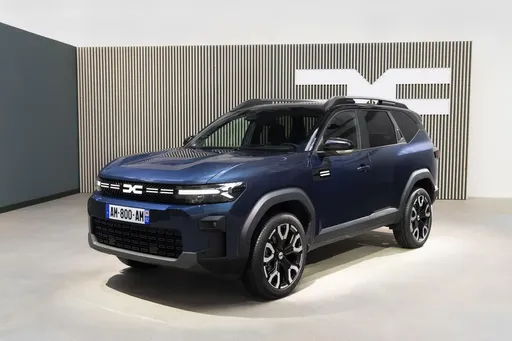
Bigster

Volvo XC60 vs Dacia Bigster — first look and who this comparison serves

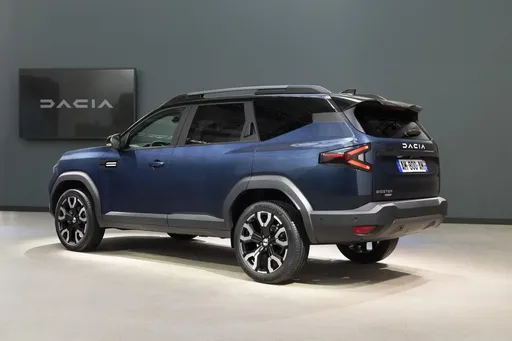
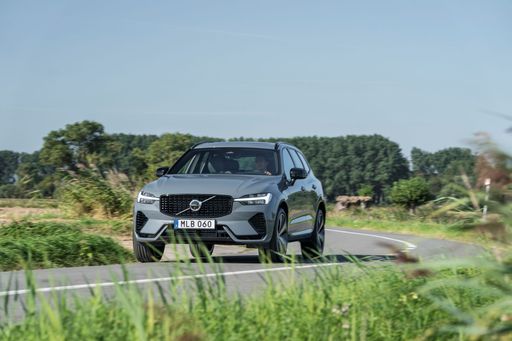
The Volvo XC60 and Dacia Bigster arrive at the same SUV crossroad with very different priorities: the Volvo XC60 trades money for refinement and tech polish, while the Dacia Bigster converts low price into sheer usable space. If you care most about a hushed, premium cabin and long‑distance composure, the Volvo telegraphs that intention the moment you close the door. If you want maximum luggage room, simple controls and the lowest purchase cost, the Bigster’s honest, no‑frills approach is immediately obvious. This comparison will focus on how those philosophies play out in daily life rather than on spec sheets, so you can judge which compromises you’re willing to accept.
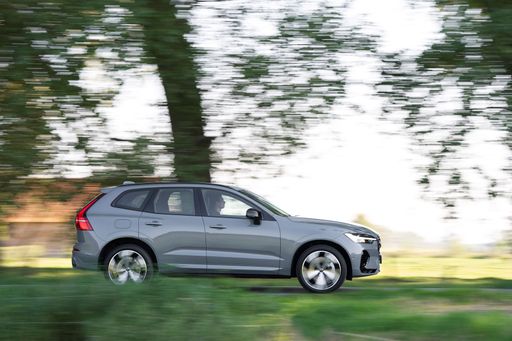
XC60

Cabin feel and perceived quality: calm lounge versus pragmatic utility

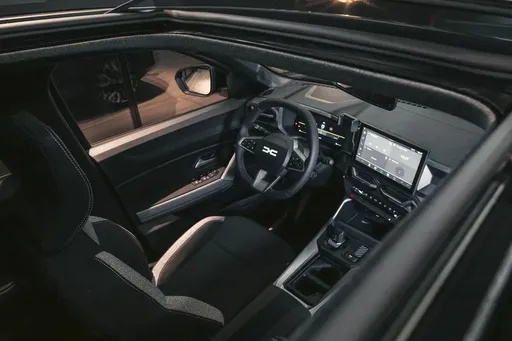
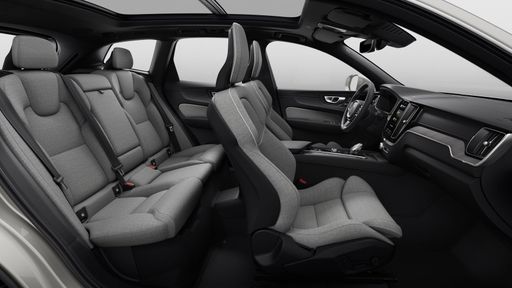
The Volvo XC60 feels like a Scandinavian living room — softer surfaces, careful stitching and attention to touch points make time in the cabin feel relaxed and a little special. The Dacia Bigster keeps things functional: hardwearing plastics, straightforward trim and fewer cosmetic flourishes that remind you it’s built for use rather than admiration. Volvo’s large integrated infotainment and premium materials raise expectations for refinement, but some climate and control tasks live down in menus; Bigster’s physical buttons and simpler screen are less slick but faster to operate without hunting. In short, the XC60 rewards buyers who prioritise refinement and tactile quality, while the Bigster rewards those who prefer durability and immediate usability.

Bigster

Practicality and family usability: giant boot and clever tricks versus a neat, well‑built trunk

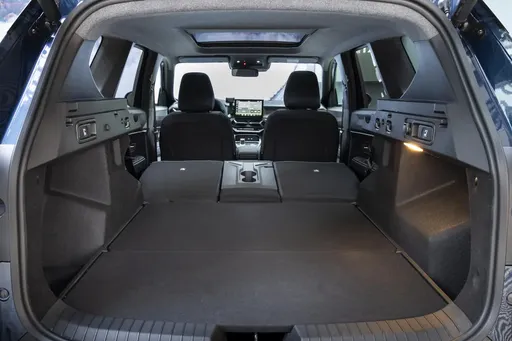
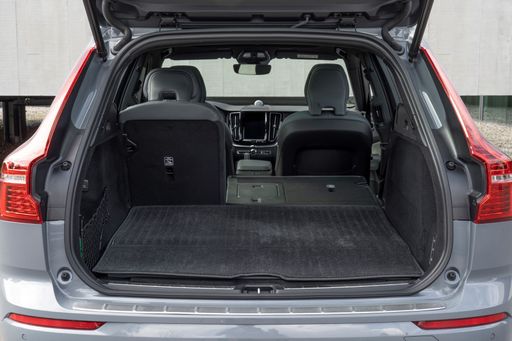
The Dacia Bigster makes practicality its headline — a huge, cleverly packaged boot and a 40:20:40 rear seat layout turn it into a moving locker for weekend kit or family luggage. The Volvo XC60 offers tidy, well‑shaped cargo space with a flatter load floor and more refined tie‑down points, but it simply can’t match the Bigster’s luggage generosity, and battery‑based variants chip away at usable volume. Rear-seat comfort is also different: the Bigster gives generous legroom and practical extras for active families, while the XC60’s rear is more cosseting and better finished for adult passengers. If you regularly carry bulky gear or want maximum everyday cargo flexibility choose the Bigster; if you value a polished, more car‑like boot and premium finish, the XC60 will suit better.

XC60

Long-distance behaviour and refinement: serene motorway cruiser versus economical long‑range workhorse

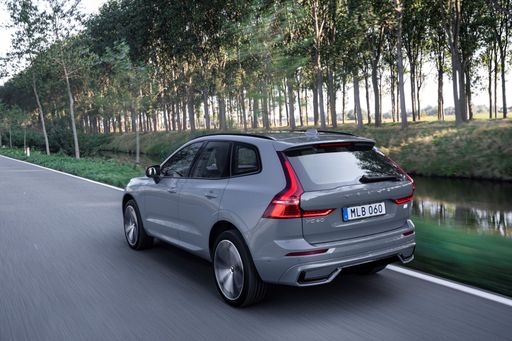
On motorways the Volvo XC60 stands out for its low noise levels, settled ride and effortless cruising — it’s built to make long stretches feel shorter and less tiring. The Dacia Bigster covers long distances with impressive range and frugal consumption in hybrid guise, but it reveals more wind and engine noise at high speed and a slightly busier cabin atmosphere. Acceleration and on‑demand power feel different too: the Volvo’s stronger engines make overtakes feel effortless, whereas the Bigster’s motivation is adequate for most trips but more workmanlike. Choose the XC60 if highway serenity and quick on‑ramps matter; pick the Bigster if maximum range and low running cost carry more weight than absolute quiet.

Bigster

City and everyday usability: intuitive simplicity versus tech‑led convenience

In town the Dacia Bigster’s simple controls, upright seating and hybrid electric starts make it an easy, predictable car to live with day‑to‑day, especially when you value quick physical buttons and easy cargo loading. The Volvo XC60 brings camera systems, polished driver aids and the benefit of electric driving for short commutes, but some functions are tucked into touchscreen menus which can slow routine adjustments. Parking and visibility are comfortable in both, though the XC60’s camera suite and softer suspension make city cruising feel more composed; the Bigster feels robust and straightforward, with practical touches aimed at families and outdoor users. If you prefer fuss‑free operation and low ownership cost the Bigster wins the city test on convenience, while the XC60 is better for commuters who prize driver aids and a quiet cabin.

XC60

Buyer fit and final trade‑offs before the technical deep dive

Choosing between the Volvo XC60 and Dacia Bigster comes down to a predictable trade: pay more for refinement, safety features and a premium cabin with the XC60, or accept simpler materials and fewer driver aids for much more space and a lower price with the Bigster. Safety and assistance breadth lean toward the Volvo’s heavier equipment set, while the Bigster rewards pragmatic buyers who pack a lot into a tight budget and want long real‑world range from its hybrid option. Think through what frustrates you daily — cramped luggage space, cabin noise, touchscreen menus or sticker shock — and you’ll know which compromises you can live with. The technical comparison that follows will unpack power delivery, consumption behavior and load‑carrying specifics to make those trade‑offs concrete for your use case.

Here’s where it gets real: The technical differences in detail

Bigster

Costs and Efficiency:

Price and efficiency are often the first things buyers look at. Here it becomes clear which model has the long-term edge – whether at the pump, the plug, or in purchase price.

Dacia Bigster is clearly cheaper – starting at 20,600 £ , while the Volvo XC60 costs 58,300 £ . That’s a price difference of around 37,715 £.

Fuel consumption also shows a difference: the Volvo XC60 uses 1.6 L/100km and is significantly more efficient than the Dacia Bigster with 4.7 L/100km. The difference is about 3.1 L/100km.

XC60

Engine and Performance:

Power, torque and acceleration are the classic benchmarks for car enthusiasts – and here, some clear differences start to show.

When it comes to engine power, the Volvo XC60 offers substantially more power – delivering 406 HP compared to 158 HP. That’s roughly 248 HP more horsepower.

When accelerating from 0 to 100 km/h, the Volvo XC60 is substantially quicker – completing the sprint in 4.9 s, while the Dacia Bigster takes 9.7 s. That’s about 4.8 s quicker.

There’s also a difference in torque: the Volvo XC60 delivers clearly more torque with 669 Nm compared to 230 Nm. That’s about 439 Nm more.

Bigster

Space and Everyday Use:

Cabin size, boot volume and payload all play a role in everyday practicality. Here, comfort and flexibility make the difference.

Both vehicles offer seating for 5 people.

In terms of curb weight, Dacia Bigster is clearly lighter – 1,425 kg compared to 2,150 kg. The difference is around 725 kg.

When it comes to payload, the Volvo XC60 carries very slightly more – 510 kg compared to 465 kg. That’s a difference of about 45 kg.

Who wins the race in the data check?

The Volvo XC60 stands well ahead of its rival in the objective data comparison.
This result only shows which model scores more points on paper – not which of the two cars feels right for you.

from £58,300
XC60

Volvo XC60

  • Engine Type Plugin Hybrid
  • Transmission Automatic
  • Drive Type All-Wheel Drive
  • Power HP 335 - 406 HP
  • Consumption L/100km 1.6 L/100km
  • Electric Range 79 km
Dacia Bigster
Volvo XC60

Costs and Consumption

View detailed analysis

Engine and Performance

View detailed analysis

Dimensions and Body

View detailed analysis

Dacia Bigster

The Dacia Bigster is a straightforward, value-driven SUV that emphasizes space, practicality and low running costs rather than flashy tech. It’s a sensible choice for buyers who want a roomy, well-built family car with rugged styling and easy-to-use features at an affordable price.

details

Volvo XC60

The Volvo XC60 blends Scandinavian elegance with a strong focus on occupant safety, delivering a calm, composed ride and a well-crafted, user-friendly cabin. It’s a practical yet premium compact SUV that balances comfort with confident road manners, ideal for buyers who value refinement and everyday usability.

details
Dacia Bigster
Volvo XC60

Costs and Consumption

Price
20,600 - 28,100 £
Price
58,300 - 71,400 £
Consumption L/100km
4.7 - 7.2 L/100km
Consumption L/100km
1.6 L/100km
Consumption kWh/100km
-
Consumption kWh/100km
-
Electric Range
-
Electric Range
79 km
Battery Capacity
-
Battery Capacity
-
co2
106 - 134 g/km
co2
59 g/km
Fuel tank capacity
-
Fuel tank capacity
-

Dimensions and Body

Body Type
SUV
Body Type
SUV
Seats
5
Seats
5
Doors
-
Doors
-
Curb weight
1,425 - 1,611 kg
Curb weight
2,150 kg
Trunk capacity
444 - 667 L
Trunk capacity
-
Length
-
Length
-
Width
1,813 mm
Width
1,902 mm
Height
-
Height
-
Max trunk capacity
-
Max trunk capacity
-
Payload
434 - 465 kg
Payload
510 kg

Engine and Performance

Engine Type
Petrol MHEV, Full Hybrid, LPG
Engine Type
Plugin Hybrid
Transmission
Manuel, Automatic
Transmission
Automatic
Transmission Detail
Manual Gearbox, Automated Manual, Dual-Clutch Automatic
Transmission Detail
Automatic Gearbox
Drive Type
Front-Wheel Drive, All-Wheel Drive
Drive Type
All-Wheel Drive
Power HP
140 - 158 HP
Power HP
335 - 406 HP
Acceleration 0-100km/h
9.7 - 10.5 s
Acceleration 0-100km/h
4.9 - 5.7 s
Max Speed
-
Max Speed
-
Torque
230 Nm
Torque
589 - 669 Nm
Number of Cylinders
3 - 4
Number of Cylinders
4
Power kW
103 - 116 kW
Power kW
247 - 299 kW
Engine capacity
1,199 - 1,789 cm3
Engine capacity
1,969 cm3

General

Model Year
2025
Model Year
2026
CO2 Efficiency Class
D, C
CO2 Efficiency Class
B
Brand
Dacia
Brand
Volvo
DriveDuel uses data analysis and artificial intelligence to evaluate vehicle data and create content. Content is regularly reviewed and improved. The displayed prices are estimates based on German list prices, adjusted to the respective country’s VAT. Country-specific registration taxes are not included. This information is not legally binding.