VS

DS Automobiles DS 3 vs Mazda CX-30 - Differences and prices compared

Compare performance (156 HP vs 186 HP), boot space and price (28400 £ vs 25200 £ ) at a glance. Find out which car is the better choice for you – DS Automobiles DS 3 or Mazda CX-30?

DS 3

The DS Automobiles DS 3 and the Mazda CX-30 represent two distinct approaches to the compact SUV market, blending innovative technology with unique design elements. Both vehicles are admired for their performance and features, but they cater to different types of consumers. This comparison examines their technical specifications, innovations, and overall functionalities to help potential buyers make an informed choice.
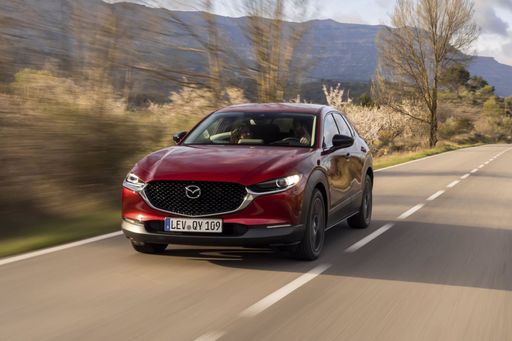
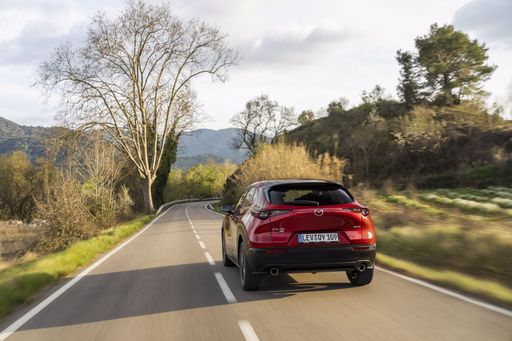
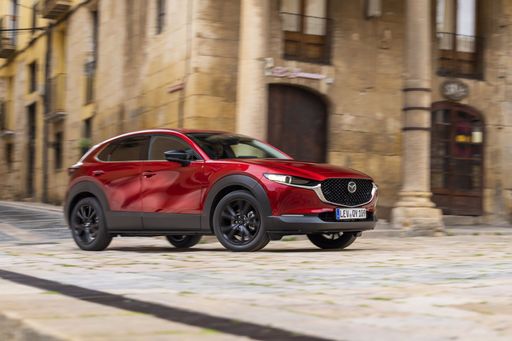
CX-30

Design and Dimensions

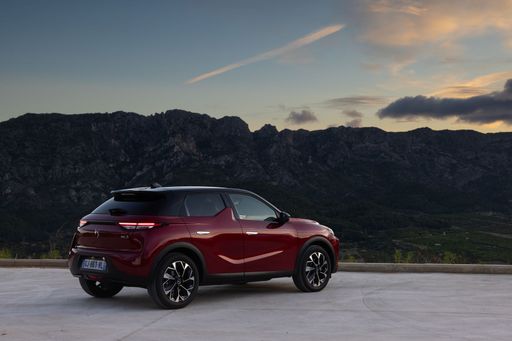
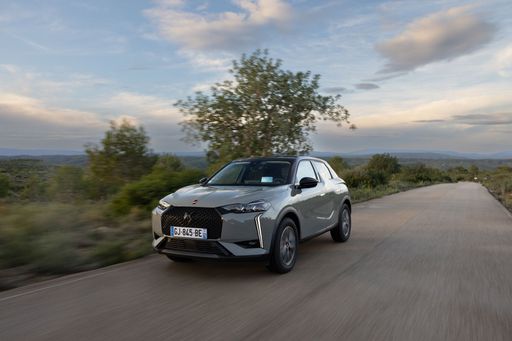
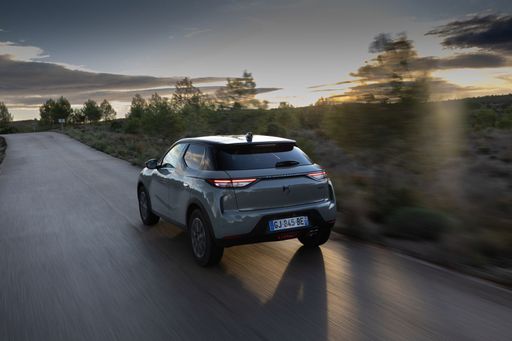
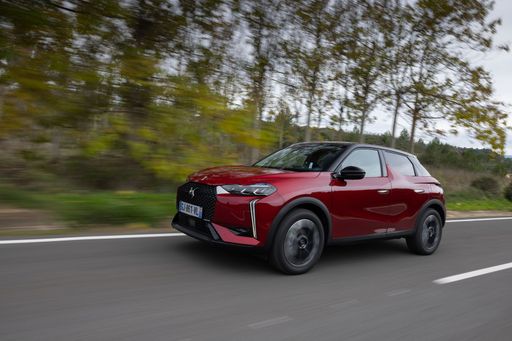
The DS 3 retains a modern and stylish appearance characteristic of its brand, measuring 4118 mm in length, 1791 mm in width, and 1534 mm in height. It offers a sporty presence that is further enhanced by elegant curves and premium materials in the cabin. In contrast, the Mazda CX-30 is slightly larger at 4395 mm long, 1795 mm wide, and 1540 mm high. The CX-30's design features a more rugged look, appealing to adventurous drivers, while still maintaining a touch of sophistication.

DS 3

Performance and Powertrains

The DS 3 offers a range of engine options, including diesel, petrol MHEV, and electric variants. Its power outputs are impressive, ranging from 130 to 156 HP, with CO2 emissions as low as 0 g/km for the electric model, making it environmentally friendly. The diesel and petrol options deliver strong performance, achieving 0-100 km/h in as little as 9.1 seconds.

On the other hand, the Mazda CX-30 is powered by petrol MHEV engines, generating up to 186 HP. It showcases a range of torque figures from 238 to 240 Nm and accelerates from 0-100 km/h in as little as 8.3 seconds. The differences in power and acceleration may appeal differently to drivers, with those seeking a sportier ride leaning towards the CX-30.

CX-30

Fuel Efficiency and Range

In terms of fuel efficiency, the DS 3 shines with diesel consumption figures as low as 5 L/100 km and the electric variant boasting an electric range of 400 km with a 51 kWh battery capacity. This makes it a practical option for daily commutes and long-distance travel alike.

The Mazda CX-30, while slightly less efficient, offers a variety of fuel figures ranging from 5.7 to 6.6 L/100 km, depending on the chosen engine configuration. With a fuel tank capacity of 51 liters, it also provides decent range for longer journeys, though not as environmentally conscious as the electrified options from DS.

DS 3

Interior and Technology

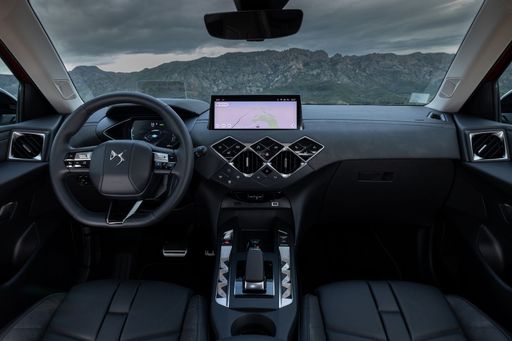
Inside the DS 3, premium materials and attention to detail create a luxurious experience. The cabin can comfort up to 5 occupants, and features cutting-edge technology options that enhance the driving experience. DS Automobiles focuses heavily on digital interfaces, offering an intuitive infotainment system that integrates seamlessly with smartphones.

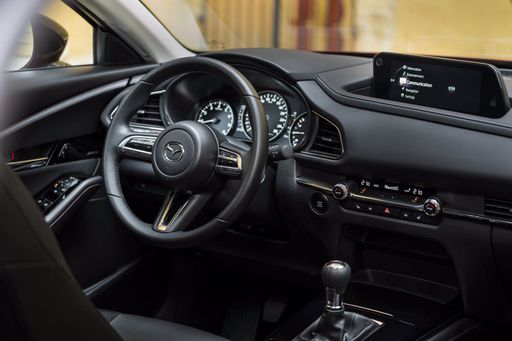
Meanwhile, the Mazda CX-30 showcases a functional yet modern dashboard, also accommodating 5 passengers. The infotainment system, while user-friendly, has received some criticism for requiring a learning curve to master. However, its heads-up display and driver-centric layout provide a solid experience, catering to tech-savvy consumers.

CX-30

Safety and Driver Assistance

Both models are packed with safety innovations. The DS 3 features advanced driver assistance systems that include adaptive cruise control, lane keeping assist, and a robust suite of airbags. In addition, its high CO2 efficiency ratings highlight its commitment to sustainability and eco-friendliness.

The Mazda CX-30 scores well in safety too, equipped with i-Activsense technologies that offer features like smart brake support and a rear cross-traffic alert. This not only enhances driver confidence but also takes into account modern driving challenges.

DS 3

Conclusion

The choice between the DS Automobiles DS 3 and the Mazda CX-30 ultimately comes down to personal preference. The DS 3 is ideal for those seeking a cutting-edge, eco-friendly compact SUV with luxurious touches, while the Mazda CX-30 caters more to those who value sporty performance and style with robust technological features.

Both vehicles showcase the ongoing innovations within the automotive industry, each offering unique advantages that will no doubt satisfy a wide range of drivers. Whether your focus lies on fuel efficiency, performance, or advanced features, both models are contenders in the increasingly competitive SUV landscape.

DS Automobiles DS 3

Mazda CX-30

4.4 (2 Reviews)
rate

Here’s where it gets real: The technical differences in detail

CX-30

Costs and Efficiency:

Looking at overall running costs, both models reveal some interesting differences in everyday economy.

Mazda CX-30 has a a bit advantage in terms of price – it starts at 25200 £ , while the DS Automobiles DS 3 costs 28400 £ . That’s a price difference of around 3214 £.

Fuel consumption also shows a difference: DS Automobiles DS 3 manages with 5 L and is therefore a bit more efficient than the Mazda CX-30 with 5.70 L. The difference is about 0.70 L per 100 km.

DS 3

Engine and Performance:

Under the bonnet, it becomes clear which model is tuned for sportiness and which one takes the lead when you hit the accelerator.

When it comes to engine power, the Mazda CX-30 has a a bit edge – offering 186 HP compared to 156 HP. That’s roughly 30 HP more horsepower.

In acceleration from 0 to 100 km/h, the Mazda CX-30 is hardly perceptible quicker – completing the sprint in 8.30 s, while the DS Automobiles DS 3 takes 9.10 s. That’s about 0.80 s faster.

There’s also a difference in torque: DS Automobiles DS 3 pulls minimal stronger with 260 Nm compared to 240 Nm. That’s about 20 Nm difference.

Space and Everyday Use:

Beyond pure performance, interior space and usability matter most in daily life. This is where you see which car is more practical and versatile.

Both vehicles offer seating for 5 people.

In curb weight, DS Automobiles DS 3 is somewhat lighter – 1249 kg compared to 1455 kg. The difference is around 206 kg.

In terms of boot space, the Mazda CX-30 offers slightly more room – 430 L compared to 350 L. That’s a difference of about 80 L.

When it comes to payload, Mazda CX-30 minimal takes the win – 496 kg compared to 466 kg. That’s a difference of about 30 kg.

Who wins the race in the data check?

The Mazda CX-30 is narrowly ahead in the objective data comparison.
This result only shows which model scores more points on paper – not which of the two cars feels right for you.

DS Automobiles DS 3
Mazda CX-30

Costs and Consumption

View detailed analysis

Engine and Performance

View detailed analysis

Dimensions and Body

View detailed analysis
from about £25,200
CX-30

Mazda CX-30

  • Engine Type : Petrol MHEV
  • Transmission : Manuel, Automatic
  • Drive Type : Front-Wheel Drive, All-Wheel Drive
  • Power HP : 140 - 186 HP
  • Consumption L/100km : 5.7 - 6.6 L

DS Automobiles DS 3

The DS 3 is a chic, compact premium hatch that stands out with couture styling and an interior that feels more boutique than bargain-bin. It serves up a poised, city-friendly drive with plenty of French flair — ideal for buyers who want personality as much as practicality and don’t mind turning heads at the lights.

details

Mazda CX-30

4.4 (2 Reviews)
rate

The Mazda CX-30 blends sleek coupe-like lines with the practicality of a compact crossover, feeling more premium than its price tag suggests. It’s a joy to drive for anyone who likes a taut chassis and an interior that treats daily commutes like a small luxury escape.

details
DS Automobiles DS 3
Mazda CX-30

Costs and Consumption

Price
28400 - 40500 £
Price
25200 - 36800 £
Consumption L/100km
5 L
Consumption L/100km
5.7 - 6.6 L
Consumption kWh/100km
15.50 kWh
Consumption kWh/100km
-
Electric Range
400 km
Electric Range
-
Battery Capacity
51 kWh
Battery Capacity
-
co2
0 - 112 g/km
co2
129 - 148 g/km
Fuel tank capacity
44 L
Fuel tank capacity
-

Dimensions and Body

Body Type
SUV
Body Type
SUV
Seats
5
Seats
5
Doors
5
Doors
-
Curb weight
1249 - 1646 kg
Curb weight
1455 - 1587 kg
Trunk capacity
350 L
Trunk capacity
422 - 430 L
Length
4118 mm
Length
-
Width
1791 mm
Width
1795 mm
Height
1534 mm
Height
-
Max trunk capacity
1050 L
Max trunk capacity
-
Payload
362 - 466 kg
Payload
458 - 496 kg

Engine and Performance

Engine Type
Electric, Petrol MHEV
Engine Type
Petrol MHEV
Transmission
Automatic
Transmission
Manuel, Automatic
Transmission Detail
Reduction Gearbox, Dual-Clutch Automatic
Transmission Detail
Manual Gearbox, Automatic Gearbox
Drive Type
Front-Wheel Drive
Drive Type
Front-Wheel Drive, All-Wheel Drive
Power HP
145 - 156 HP
Power HP
140 - 186 HP
Acceleration 0-100km/h
9.1 - 9.2 s
Acceleration 0-100km/h
8.3 - 10.3 s
Max Speed
150 - 196 km/h
Max Speed
-
Torque
230 - 260 Nm
Torque
238 - 240 Nm
Number of Cylinders
3
Number of Cylinders
4
Power kW
107 - 115 kW
Power kW
103 - 137 kW
Engine capacity
1199 cm3
Engine capacity
1998 - 2488 cm3

General

Model Year
2024 - 2025
Model Year
2025
CO2 Efficiency Class
A, C
CO2 Efficiency Class
D, E
Brand
DS Automobiles
Brand
Mazda
What drive types are available for the DS Automobiles DS 3?

The DS Automobiles DS 3 is offered with Front-Wheel Drive.

The prices shown are estimates based on German list prices, adjusted for local VAT. Local registration taxes (e.g. NoVA, BPM or CO2 malus) are not included. This information is not legally binding.