VS

Ford Explorer EV vs BYD Seal U comparison

Compare performance (340 HP vs 324 HP), boot space and price (34,200 £ vs 34,300 £ ) at a glance. Find out which car is the better choice for you – Ford Explorer EV or BYD Seal U?

Ford Explorer EV vs BYD Seal U: Key differences

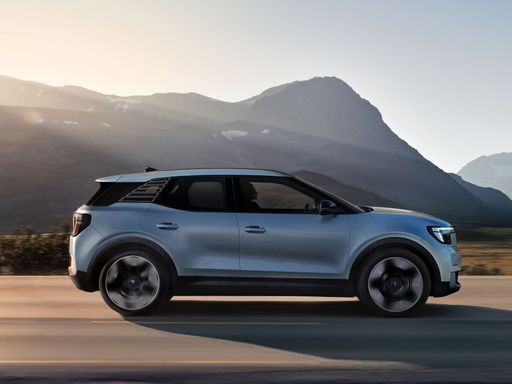
Ford Explorer EV

4.8 (4 Reviews)
rate
  • very slightly cheaper
  • marginally more power
  • a bit more electric range
  • moderately quicker 0–100 km/h
details

BYD Seal U

4.2 (10 Reviews)
rate
  • visibly more efficient
  • barely lighter
  • somewhat more trunk space
details

All details on performance, efficiency, range and trunk space can be found in the technical comparison below – including user reviews for both models.

By Achim Sedelmaier

Explorer EV

In the race for electric supremacy, two contenders stand out: the BYD Seal U and the Ford Explorer EV. Each brings a unique array of features, innovations, and specifications to the table. This article will delve into the technical aspects of these two electric SUVs, highlighting their strengths and weaknesses to help potential buyers make an informed decision.
Seal U

Design and Dimensions

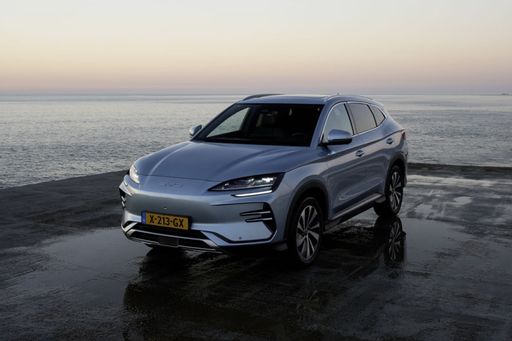
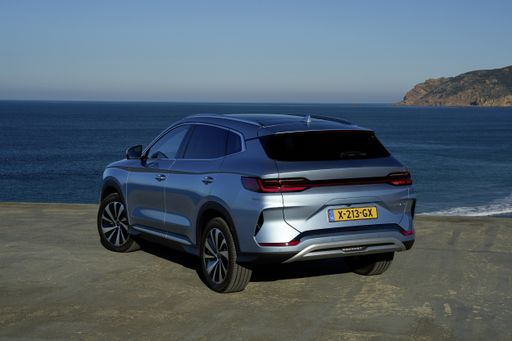
The BYD Seal U is a striking SUV that measures 4775 mm in length, 1890 mm in width, and stands at a height of 1670 mm. This spacious design accommodates up to five passengers, providing them with comfort and ample luggage space. The trunk capacity of 425 liters is decent, but it competes closely with the Ford Explorer EV, which offers a trunk capacity of 450 liters.

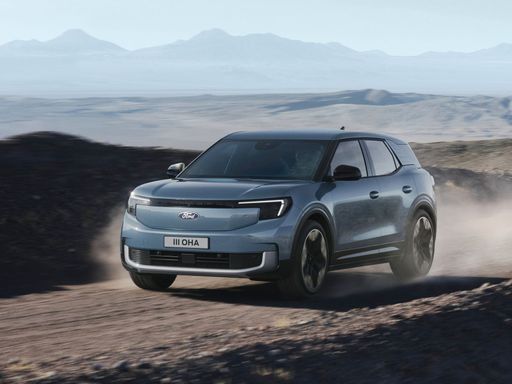
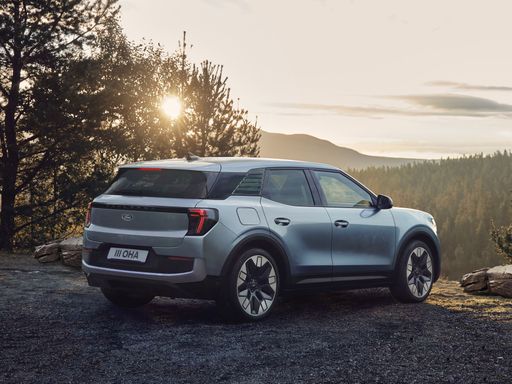
On the other hand, the Ford Explorer EV, although slightly smaller at 4468 mm long, still manages to provide a robust presence on the road. Its dimensions also allow for a roomy interior, making the car suitable for families. The Explorer EV sports modern aerodynamic lines that are attractive yet functional, optimizing efficiency and performance.

Explorer EV

Powertrain and Performance

BYD Seal U: The Seal U is offered with two engine options—a plugin hybrid and a full electric variant. The electric variant delivers a maximum power of 324 HP and 330 Nm of torque, which allows for a brisk acceleration from 0-100 km/h in just 5.9 seconds. It boasts an electric range of up to 500 km, making it ideal for long-distance journeys. Additionally, the vehicle has an efficient energy consumption rate of 19.9 kWh/100 km and a CO2 emission rating of class A.

Ford Explorer EV: The Explorer EV takes an all-electric approach, featuring power outputs ranging from 204 HP to an impressive 340 HP in its most powerful form. It can accelerate from 0-100 km/h in as little as 5.3 seconds. With a robust electric range of up to 602 km, the Explorer EV positions itself as an excellent option for electric travel without the anxiety of frequent recharging. Its efficiency is remarkable, achieving energy consumption rates from 13.9 to 16.6 kWh/100 km.

Seal U

Drive Options and Technology

The BYD Seal U comes equipped with advanced drivetrain options, including both front-wheel drive and all-wheel drive configurations. This versatility allows drivers to choose based on their driving preferences or environmental conditions. The BYD’s innovative CVT and reduction gearbox transmission provide smooth operation and efficiency.

In contrast, the Ford Explorer EV predominantly features rear-wheel drive and can also be had with an all-wheel drive layout. Its automatic transmission with a reduction gearbox enhances driving dynamics, ensuring a thrilling yet comfortable ride. Both vehicles showcase cutting-edge technology that aids in handling and responsiveness on the road.

Explorer EV

Interior and Technology Features

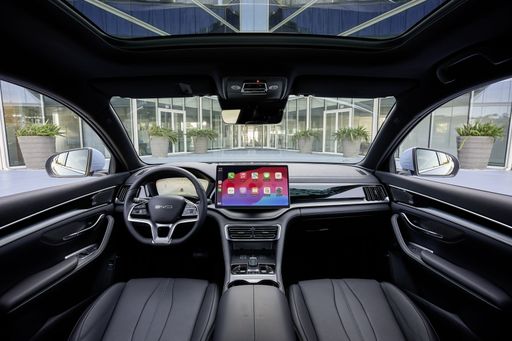
Inside the BYD Seal U, technology thrives with a driver-centric layout. An expansive infotainment system with connectivity features ensures that occupants are always in touch with the outside world. The vehicle's design places a strong emphasis on comfort and usability, making every ride enjoyable.

The Ford Explorer EV also shines in terms of technology with its advanced infotainment system, complete with over-the-air updates and numerous driver-assist features. Both models promise a high level of connectivity, comfort, and luxury, tailored to modern drivers' needs.

Seal U

Safety and Sustainability

When it comes to safety, both vehicles are equipped with a plethora of advanced safety features that provide peace of mind for drivers and passengers alike. The BYD Seal U achieves a CO2 efficiency rating of class A, emphasizing its commitment to sustainability in EV manufacturing.

The Ford Explorer EV, holding a perfect rating of 0 g/km CO2 emissions, takes a front seat as a leader in environmentally friendly automobiles. Both models are stepping stones towards a more sustainable future in the automotive industry.

Conclusion

The BYD Seal U and Ford Explorer EV each offer exceptional benefits, with distinct characteristics that cater to different consumer preferences. The Seal U excels with its power and hybrid options, while the Explorer EV takes the lead with its impressive range and technological innovations. Ultimately, your choice will depend on your specific needs—be it range, efficiency, or the combination of luxury features. As electric vehicles continue to evolve, both of these models are poised to make a significant impact in the world of automotive transport.

Here’s where it gets real: The technical differences in detail

Explorer EV

Costs and Efficiency:

Price and efficiency are key factors when choosing a car – and this is often where the real differences emerge.

Ford Explorer EV is very slightly cheaper – starting at 34,200 £ , while the BYD Seal U costs 34,300 £ . That’s a price difference of around 77 £.

In terms of energy consumption, the BYD Seal U is visibly more efficient: consuming 12.1 kWh/100km compared to 14.6 kWh/100km for the Ford Explorer EV. That’s a difference of about 2.5 kWh/100km.

As for electric range, the Ford Explorer EV offers a bit more range – reaching up to 602 km, about 102 km more than the BYD Seal U.

Seal U

Engine and Performance:

Power, torque and acceleration say a lot about how a car feels on the road. This is where you see which model delivers more driving dynamics.

When it comes to engine power, the Ford Explorer EV offers marginally more power – delivering 340 HP compared to 324 HP. That’s roughly 16 HP more horsepower.

When accelerating from 0 to 100 km/h, the Ford Explorer EV is moderately quicker – completing the sprint in 5.3 s, while the BYD Seal U takes 5.9 s. That’s about 0.6 s quicker.

There’s also a difference in torque: the Ford Explorer EV delivers somewhat more torque with 679 Nm compared to 550 Nm. That’s about 129 Nm more.

Explorer EV

Space and Everyday Use:

Beyond pure performance, interior space and usability matter most in daily life. This is where you see which car is more practical and versatile.

Both vehicles offer seating for 5 people.

In terms of curb weight, BYD Seal U is barely lighter – 1,940 kg compared to 1,996 kg. The difference is around 56 kg.

Looking at boot space, the BYD Seal U offers somewhat more boot space – 552 L compared to 472 L. That’s a difference of about 80 L.

When it comes to payload, the Ford Explorer EV carries markedly more – 585 kg compared to 410 kg. That’s a difference of about 175 kg.

Who wins the race in the data check?

The Ford Explorer EV leads convincingly in the objective data comparison.
This result only shows which model scores more points on paper – not which of the two cars feels right for you.

from £34,200
Explorer EV

Ford Explorer EV

  • Engine Type Electric
  • Transmission Automatic
  • Drive Type Rear-Wheel Drive, All-Wheel Drive
  • Power HP 190 - 340 HP
  • Consumption kWh/100km 14.6 - 17.3 kWh/100km
  • Electric Range 417 - 602 km
Ford Explorer EV
BYD Seal U

Costs and Consumption

View detailed analysis

Engine and Performance

View detailed analysis

Dimensions and Body

View detailed analysis

Ford Explorer EV

The Explorer EV brings the familiar presence and practicality of an Explorer into the electric age, offering roomy comfort and modern tech for everyday life and family trips. It feels composed on the road and serves as a straightforward, user-friendly alternative to conventional gas-powered SUVs.

details

BYD Seal U

The BYD Seal U is a sleek electric fastback that blends sporty styling with a roomy, tech-focused interior, making it an appealing choice for buyers who want electric performance without sacrificing comfort. It delivers a smooth, composed ride and intuitive features, positioning it as a practical yet modern option in the EV market.

details
Ford Explorer EV
BYD Seal U

Costs and Consumption

Price
34,200 - 49,600 £
Price
34,300 - 39,800 £
Consumption L/100km
-
Consumption L/100km
-
Consumption kWh/100km
14.6 - 17.3 kWh/100km
Consumption kWh/100km
12.1 - 20.5 kWh/100km
Electric Range
417 - 602 km
Electric Range
70 - 500 km
Battery Capacity
-
Battery Capacity
-
co2
0 g/km
co2
0 - 71 g/km
Fuel tank capacity
-
Fuel tank capacity
-

Dimensions and Body

Body Type
SUV
Body Type
SUV
Seats
5
Seats
5
Doors
-
Doors
-
Curb weight
1,996 - 2,209 kg
Curb weight
1,940 - 2,147 kg
Trunk capacity
472 L
Trunk capacity
425 - 552 L
Length
-
Length
-
Width
1,872 mm
Width
1,890 mm
Height
-
Height
-
Max trunk capacity
-
Max trunk capacity
-
Payload
531 - 585 kg
Payload
410 kg

Engine and Performance

Engine Type
Electric
Engine Type
Electric, Plugin Hybrid
Transmission
Automatic
Transmission
Automatic
Transmission Detail
Reduction Gearbox
Transmission Detail
Reduction Gearbox, Automatic Gearbox
Drive Type
Rear-Wheel Drive, All-Wheel Drive
Drive Type
Front-Wheel Drive, All-Wheel Drive
Power HP
190 - 340 HP
Power HP
218 - 324 HP
Acceleration 0-100km/h
5.3 - 8 s
Acceleration 0-100km/h
5.9 - 9.6 s
Max Speed
-
Max Speed
-
Torque
350 - 679 Nm
Torque
300 - 550 Nm
Number of Cylinders
-
Number of Cylinders
4
Power kW
140 - 250 kW
Power kW
160 - 238 kW
Engine capacity
-
Engine capacity
1,497 - 1,498 cm3

General

Model Year
2026
Model Year
2,024 - 2,026
CO2 Efficiency Class
A
CO2 Efficiency Class
A, B
Brand
Ford
Brand
BYD
DriveDuel uses data analysis and artificial intelligence to evaluate vehicle data and create content. Content is regularly reviewed and improved. The displayed prices are estimates based on German list prices, adjusted to the respective country’s VAT. Country-specific registration taxes are not included. This information is not legally binding.