
 Deutschland
 France
 Nederland
 Great Britain
 Sverige
 Norge
Norge Danmark
 Suomi
Suomi Italia
 Polska
 España
VS
Ford Explorer EV vs Lexus NX – Performance, range & efficiency compared
Two cars, one duel: Ford Explorer EV meets Lexus NX.
Which one wins in performance, efficiency and value for money? Find out now!
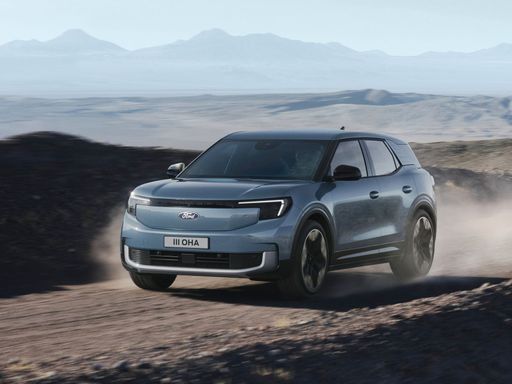
Explorer EV
@ Ford Motor Company / Ford Media Center
Costs and Efficiency:
Price and efficiency are key factors when choosing a car – and this is often where the real differences emerge.
Ford Explorer EV has a noticeable advantage in terms of price – it starts at 34200 £, while the Lexus NX costs 46000 £. That’s a price difference of around 11828 £.
As for range, the Ford Explorer EV performs clearly better – achieving up to 602 km, about 530 km more than the Lexus NX.
NX
@ Lexus / Toyota Motor Corporation
Engine and Performance:
Power, torque and acceleration say a lot about how a car feels on the road. This is where you see which model delivers more driving dynamics.
When it comes to engine power, the Ford Explorer EV has a minimal edge – offering 340 HP compared to 309 HP. That’s roughly 31 HP more horsepower.
In acceleration from 0 to 100 km/h, the Ford Explorer EV is slightly quicker – completing the sprint in 5.30 s, while the Lexus NX takes 6.30 s. That’s about 1 s faster.
In terms of top speed, the Lexus NX performs barely noticeable better – reaching 200 km/h, while the Ford Explorer EV tops out at 180 km/h. The difference is around 20 km/h.
Explorer EV
@ Ford Motor Company / Ford Media Center
Space and Everyday Use:
Beyond pure performance, interior space and usability matter most in daily life. This is where you see which car is more practical and versatile.
Both vehicles offer seating for 5 people.
In curb weight, Lexus NX is slight lighter – 1805 kg compared to 1908 kg. The difference is around 103 kg.
In terms of boot space, the Lexus NX offers slightly more room – 545 L compared to 450 L. That’s a difference of about 95 L.
In maximum load capacity, the Lexus NX performs barely noticeable better – up to 1436 L, which is about 14 L more than the Ford Explorer EV.
When it comes to payload, Ford Explorer EV to a small extent takes the win – 585 kg compared to 515 kg. That’s a difference of about 70 kg.
Who comes out on top?
Overall, the Ford Explorer EV shows itself to be wins the duel decisively and secures the title of DriveDuel Champion.
It convinces with the more balanced overall package and proves to be the more versatile choice for everyday use.
from about £34,200
 @ Ford Motor Company / Ford Media Center
Ford Explorer EV
Ford Explorer EV
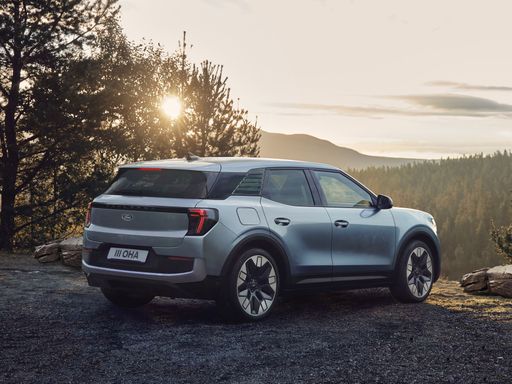
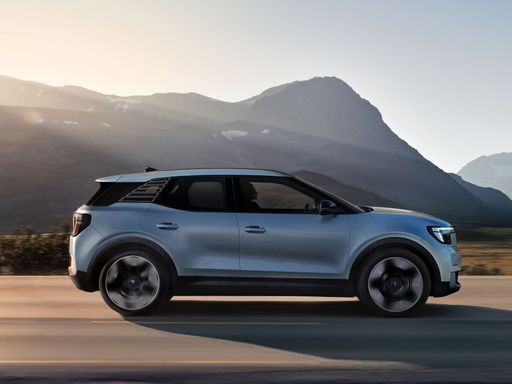
The Ford Explorer EV translates the familiar big‑American SUV presence into whisper‑quiet electric motoring, offering roomy seating and a tech‑forward cabin that will please families and road‑trippers alike. It drives with more composure than its boxy looks suggest, blending a comfortable ride and eager acceleration while undercutting the guilt of gas stops — a practical, modern alternative for buyers who want Explorer space with electric charm.
details
@ Ford Motor Company / Ford Media Center
 @ Ford Motor Company / Ford Media Center
 @ Ford Motor Company / Ford Media Center
Lexus NX
The Lexus NX wraps striking, chiseled styling around a cabin that feels more crafted living room than utility vehicle, with soft materials and user-friendly tech that give it genuine premium cachet. On the road it's composed and quietly confident, trading sporty pretensions for a refined, easygoing personality that will suit buyers who want luxury without fuss — with a little Lexus flair to make daily commutes feel special.
details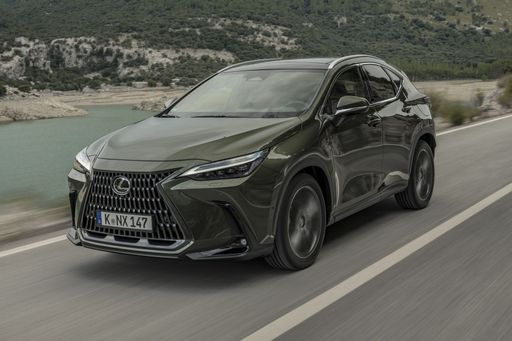 @ Lexus / Toyota Motor Corporation
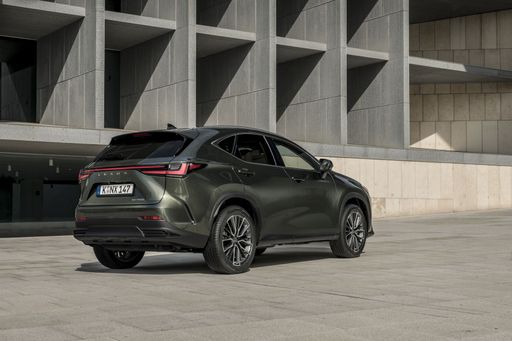 @ Lexus / Toyota Motor Corporation
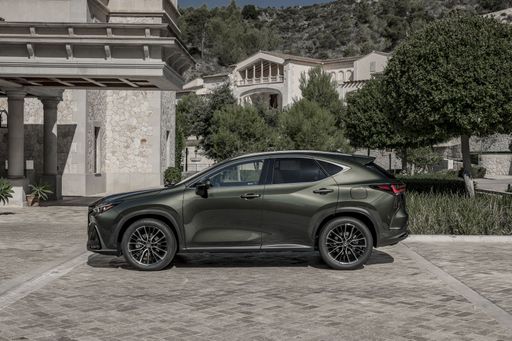 @ Lexus / Toyota Motor Corporation
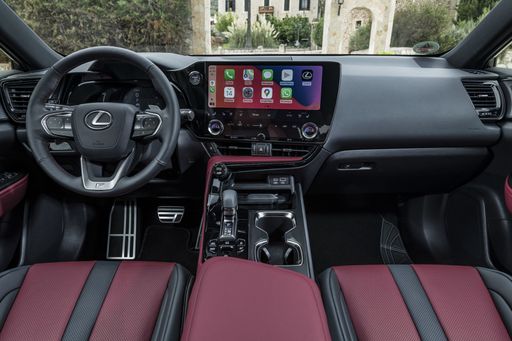 @ Lexus / Toyota Motor Corporation
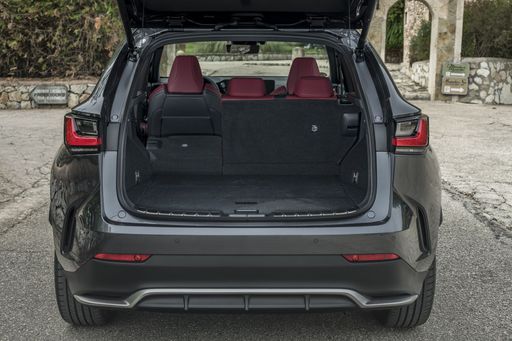 @ Lexus / Toyota Motor Corporation
Ford Explorer EV
Lexus NX
|
@ Ford Motor Company / Ford Media Center
|
@ Lexus / Toyota Motor Corporation
|
|
|
|
Costs and Consumption |
|
|---|---|
|
Price
34200 - 48800 £
|
Price
46000 - 64300 £
|
|
Consumption L/100km
-
|
Consumption L/100km
2.9 - 5.9 L
|
|
Consumption kWh/100km
14.5 - 17.2 kWh
|
Consumption kWh/100km
-
|
|
Electric Range
360 - 602 km
|
Electric Range
72 km
|
|
Battery Capacity
52 - 79 kWh
|
Battery Capacity
-
|
|
co2
0 g/km
|
co2
65 - 134 g/km
|
|
Fuel tank capacity
-
|
Fuel tank capacity
55 L
|
Dimensions and Body |
|
|---|---|
|
Body Type
SUV
|
Body Type
SUV
|
|
Seats
5
|
Seats
5
|
|
Doors
5
|
Doors
5
|
|
Curb weight
1908 - 2179 kg
|
Curb weight
1805 - 2065 kg
|
|
Trunk capacity
445 - 450 L
|
Trunk capacity
545 L
|
|
Length
4468 mm
|
Length
4660 mm
|
|
Width
1871 mm
|
Width
1865 mm
|
|
Height
1630 - 1639 mm
|
Height
1670 mm
|
|
Max trunk capacity
1417 - 1422 L
|
Max trunk capacity
1436 L
|
|
Payload
561 - 585 kg
|
Payload
475 - 515 kg
|
Engine and Performance |
|
|---|---|
|
Engine Type
Electric
|
Engine Type
Full Hybrid, Plugin Hybrid
|
|
Transmission
Automatic
|
Transmission
Automatic
|
|
Transmission Detail
Reduction Gearbox
|
Transmission Detail
CVT
|
|
Drive Type
Rear-Wheel Drive, All-Wheel Drive
|
Drive Type
Front-Wheel Drive, All-Wheel Drive
|
|
Power HP
170 - 340 HP
|
Power HP
244 - 309 HP
|
|
Acceleration 0-100km/h
5.3 - 8.7 s
|
Acceleration 0-100km/h
6.3 - 8.7 s
|
|
Max Speed
160 - 180 km/h
|
Max Speed
200 km/h
|
|
Torque
310 - 679 Nm
|
Torque
-
|
|
Number of Cylinders
-
|
Number of Cylinders
4
|
|
Power kW
125 - 250 kW
|
Power kW
179 - 227 kW
|
|
Engine capacity
-
|
Engine capacity
2487 cm3
|
General |
|
|---|---|
|
Model Year
2024 - 2025
|
Model Year
2025
|
|
CO2 Efficiency Class
A
|
CO2 Efficiency Class
D, B
|
|
Brand
Ford
|
Brand
Lexus
|
What drive types are available for the Ford Explorer EV?
The Ford Explorer EV is available as Rear-Wheel Drive or All-Wheel Drive.
The prices and data displayed are estimates based on German list prices and may vary by country. This information is not legally binding.