
 Deutschland
 France
 Nederland
 Great Britain
 Sverige
 Norge
Norge Danmark
 Suomi
Suomi Italia
 Polska
 España
VS
Hyundai IONIQ 6 vs Renault Symbioz – Differences & prices compared
Compare performance, boot space, consumption and price in one view.
Find out now: which car is the better choice for you – Hyundai IONIQ 6 or Renault Symbioz?
The Hyundai IONIQ 6 (Hatchback) comes with a Electric engine and Automatic transmission. In comparison, the Renault Symbioz (SUV) features a Petrol MHEV or Full Hybrid engine with Manuel or Automatic transmission.
When it comes to boot capacity, the Hyundai IONIQ 6 offers 401 L, while the Renault Symbioz provides 576 L – depending on how much space you need. If you’re looking for more power, decide whether the 650 HP of the Hyundai IONIQ 6 or the 158 HP of the Renault Symbioz suits your needs better.
In terms of consumption, the values are 13.90 kWh per 100 km for the Hyundai IONIQ 6, and 4.50 L for the Renault Symbioz.
Price-wise, the Hyundai IONIQ 6 starts at 37600 £, while the Renault Symbioz is available from 24400 £. Compare all the details and find out which model fits your lifestyle best!
Hyundai IONIQ 6
The Hyundai IONIQ 6 merges futuristic design with eco-friendly technology, offering a glimpse into the future of electric mobility. Its sleek silhouette and aerodynamic profile are sure to capture attention on the road, while the interior provides a seamless blend of comfort and cutting-edge digital features. With a focus on efficiency and sustainability, this model represents a significant step forward in the evolution of electric vehicles.
details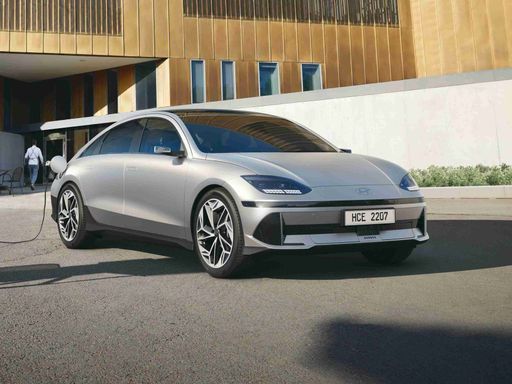 @ hyundai.news
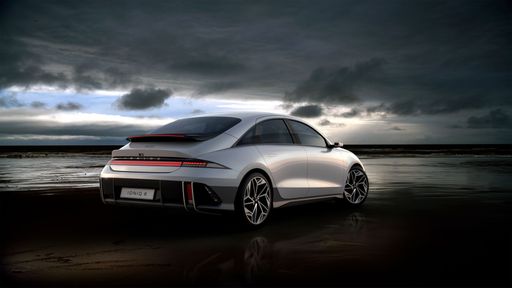 @ hyundai.news
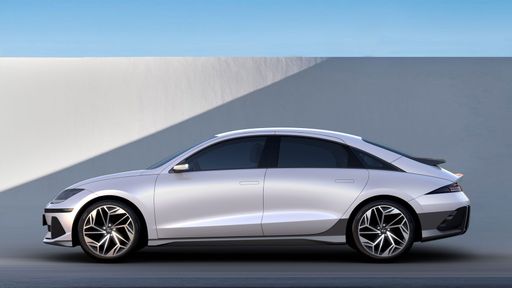 @ hyundai.news
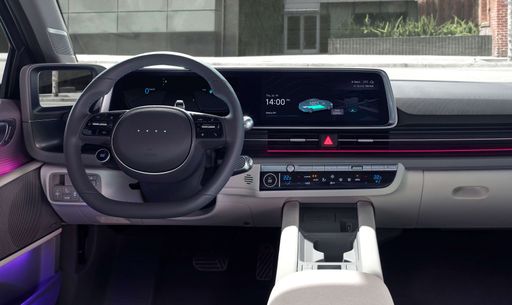 @ hyundai.news
Renault Symbioz
The Renault Symbioz is an innovative concept car that explores the future of autonomous and connected driving. Its design seamlessly integrates indoor living space features with cutting-edge automotive technology, creating a comfortable and modern environment. The Symbioz highlights Renault's vision of an eco-friendly and connected mobility experience, paving the way for the next generation of smart vehicles.
details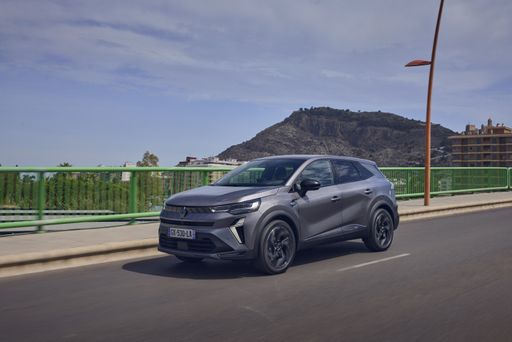 @ media.renault.at
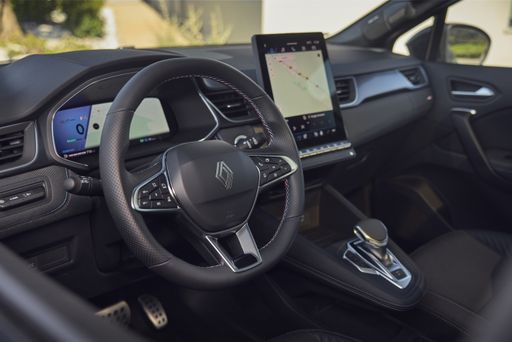 @ media.renault.at
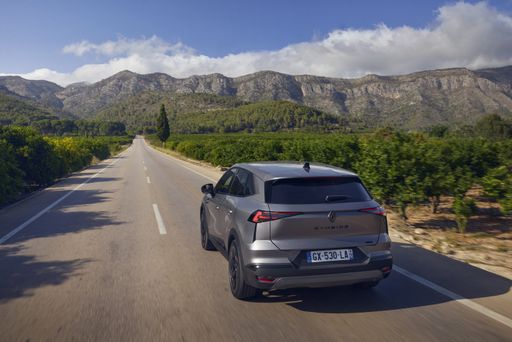 @ media.renault.at
Hyundai IONIQ 6
Renault Symbioz
|
|
|
|
|
|
Costs and Consumption |
|
|---|---|
|
Price
37600 - 64300 £
|
Price
24400 - 30700 £
|
|
Consumption L/100km
-
|
Consumption L/100km
4.5 - 5.9 L
|
|
Consumption kWh/100km
13.9 - 15.1 kWh
|
Consumption kWh/100km
-
|
|
Electric Range
429 - 614 km
|
Electric Range
-
|
|
Battery Capacity
53 - 84 kWh
|
Battery Capacity
-
|
|
co2
0 g/km
|
co2
102 - 134 g/km
|
|
Fuel tank capacity
-
|
Fuel tank capacity
48 L
|
Dimensions and Body |
|
|---|---|
|
Body Type
Hatchback
|
Body Type
SUV
|
|
Seats
5
|
Seats
5
|
|
Doors
4
|
Doors
5
|
|
Curb weight
1850 - 2095 kg
|
Curb weight
1436 - 1544 kg
|
|
Trunk capacity
401 L
|
Trunk capacity
492 - 576 L
|
|
Length
4855 - 4935 mm
|
Length
4413 mm
|
|
Width
1880 - 1940 mm
|
Width
1797 mm
|
|
Height
1495 mm
|
Height
1575 mm
|
|
Max trunk capacity
-
|
Max trunk capacity
1582 - 1682 L
|
|
Payload
425 - 430 kg
|
Payload
376 - 379 kg
|
Engine and Performance |
|
|---|---|
|
Engine Type
Electric
|
Engine Type
Petrol MHEV, Full Hybrid
|
|
Transmission
Automatic
|
Transmission
Manuel, Automatic
|
|
Transmission Detail
Reduction Gearbox
|
Transmission Detail
Manual Gearbox, Automatic Gearbox
|
|
Drive Type
Rear-Wheel Drive, All-Wheel Drive
|
Drive Type
Front-Wheel Drive
|
|
Power HP
151 - 650 HP
|
Power HP
140 - 158 HP
|
|
Acceleration 0-100km/h
3.2 - 8.8 s
|
Acceleration 0-100km/h
9.1 - 11.2 s
|
|
Max Speed
185 - 257 km/h
|
Max Speed
180 km/h
|
|
Torque
350 - 770 Nm
|
Torque
250 - 265 Nm
|
|
Number of Cylinders
-
|
Number of Cylinders
4
|
|
Power kW
111 - 478 kW
|
Power kW
103 - 116 kW
|
|
Engine capacity
-
|
Engine capacity
1333 - 1789 cm3
|
General |
|
|---|---|
|
Model Year
2022 - 2025
|
Model Year
2025
|
|
CO2 Efficiency Class
A
|
CO2 Efficiency Class
D, C
|
|
Brand
Hyundai
|
Brand
Renault
|
Hyundai IONIQ 6
Introducing the Hyundai IONIQ 6: A New Era of Electric Mobility
The Hyundai IONIQ 6 is more than just a car; it's a glimpse into the future of electric mobility. With cutting-edge technology, impressive performance, and a sustainable design, this vehicle stands as a beacon for the automotive industry's electric revolution. Let's delve into what makes the IONIQ 6 a standout choice in the rapidly growing electric vehicle market.
Performance and Power: The Heart of the IONIQ 6
The Hyundai IONIQ 6 offers two battery options – a 53 kWh version and a more powerful 77.4 kWh variant. Depending on the configuration, drivers can experience a power output ranging from 151 PS to a remarkable 325 PS, highlighting the versatility of this model. With a maximum torque of up to 605 Nm, acceleration from 0-100 km/h is achieved in just 5.1 to 8.8 seconds, catering to both efficiency enthusiasts and those with a penchant for speed.
Efficiency and Range: Long Journeys Made Easy
One of the IONIQ 6's standout features is its exceptional range. Offering an electric range between 429 km to an impressive 614 km on a single charge, it's designed to go the distance. Efficiency is at the forefront, with energy consumption between 13.9 kWh/100km and 15.1 kWh/100km, ensuring that your driving experience remains as eco-friendly as it is enjoyable. All variants boast a CO2 efficiency class of A, reflecting Hyundai's commitment to sustainability.
Design and Interior: Luxury Meets Sustainability
The IONIQ 6's sleek, aerodynamic design is not only visually stunning but also functional, reducing air resistance to maximise efficiency. Offering a hatchback style, it comfortably seats five, ensuring ample space for passengers and luggage. The interior is crafted with sustainable materials, combining advanced technology with an eco-conscious ethos. With a boot capacity of 401 litres, it seamlessly balances practicality with style.
Technology and Innovation: Driving into the Future
Packed with the latest automotive technologies, the IONIQ 6 integrates the future of driving with present-day conveniences. It features a state-of-the-art automatic transmission with a reduction gearbox that ensures smooth driving dynamics. Its advanced driver assistance and safety systems provide peace of mind on every journey, making it an ideal choice for progressive drivers who embrace technology.
Conclusion: A Competitively Priced Electric Option
The Hyundai IONIQ 6 offers an enticing blend of performance, range, and sustainability. With prices ranging from €43,900 to €64,200, it represents excellent value for an electric vehicle of its calibre. Monthly costs are competitively set between €1066 to €1379, while cost per km ranges between 42.7 to 55.2 cents, appealing to cost-conscious customers without compromising on quality or innovation. The IONIQ 6 is a triumph of modern engineering, making it a strong contender in the electric vehicle market.
Renault Symbioz
Discover the Future: The Renault Symbioz
As we transition into a new era of automotive technology, the Renault Symbioz stands as a beacon of innovation and sustainability. Designed with the modern driver in mind, this SUV redefines what it means to integrate elegant design with cutting-edge technology. Delve into the details of this impressive vehicle and see what sets it apart from the competition.
Unveiling Its Power: Hybrid Engine and Performance
At the heart of the Renault Symbioz is a full hybrid powertrain that combines efficiency with performance. The 143 PS engine, delivering 105 kW, ensures a smooth and responsive driving experience. Coupled with a front-wheel-drive automatic transmission, the Symbioz offers remarkable fuel economy at just 4.8 L/100 km, making it a top contender in the eco-friendly vehicle market.
Innovation Meets Design: Aesthetics and Aerodynamics
With dimensions measuring 4413 mm in length, 1797 mm in width, and 1575 mm in height, the Symbioz presents a striking and sleek profile. The vehicle marries form and function perfectly, enhancing aerodynamics while maintaining a comfortable and spacious interior. Its lightweight build, with a gross weight of 1498 kg, complements its agile handling and stability on the road.
Interior Elegance and Technology
The Renault Symbioz is not only about performance but also about offering a refined driving experience. The interior is meticulously designed to provide comfort for up to five occupants, boasting a generous boot space of 492 litres. High-quality materials and advanced infotainment systems enhance the driving experience, incorporating state-of-the-art technology seamlessly.
Bridging Sustainability and Performance
With CO2 emissions of 109 g/km and a CO2 efficiency class of C, the Renault Symbioz aims to reduce environmental impact without compromising on performance. Its 1.6-litre engine, composed of three cylinders, delivers a perfect synergy of power and efficiency, showcasing Renault’s commitment to innovative, responsible motoring.
Optional Trims: Tailoring to Your Preferences
Available in three distinct trim levels—Esprit Alpine, Iconic, and Techno—the Symbioz allows customers to customise their driving experience further. Each comes equipped with multi-mode automatic transmission options that cater to various driving styles, ensuring a tailored approach to modern driving needs.
Price and Availability
The Renault Symbioz is competitively priced, ranging between €32,550 and €35,450, depending on the selected trim. With its advanced features and cutting-edge technology, this vehicle provides significant value in the current automotive market.
Conclusion: A Vision of Tomorrow, Today
The Renault Symbioz is not just an SUV; it represents a commitment to a sustainable and technologically advanced future. By marrying superior performance with eco-conscious engineering, Renault has set a new benchmark in the automotive industry. The Symbioz is poised to captivate drivers around the world, embodying a seamless blend of innovation, efficiency, and style.
What drivetrain options does the Hyundai IONIQ 6 have?
Available configurations include Rear-Wheel Drive or All-Wheel Drive.
The prices and data displayed are estimates based on German list prices and may vary by country. This information is not legally binding.