VS

Jeep Wrangler vs Ford Ranger comparison

Compare performance (272 HP vs 281 HP), boot space and price (60,800 £ vs 48,400 £ ) at a glance. Find out which car is the better choice for you – Jeep Wrangler or Ford Ranger?

Jeep Wrangler vs Ford Ranger: Key differences

Jeep Wrangler

  • a bit quicker 0–100 km/h
  • visibly lighter
details

Ford Ranger

  • visibly cheaper
  • barely more power
  • substantially more efficient
details

By Achim Sedelmaier

Wrangler

Ford Ranger vs Jeep Wrangler: A Clash of the Titans

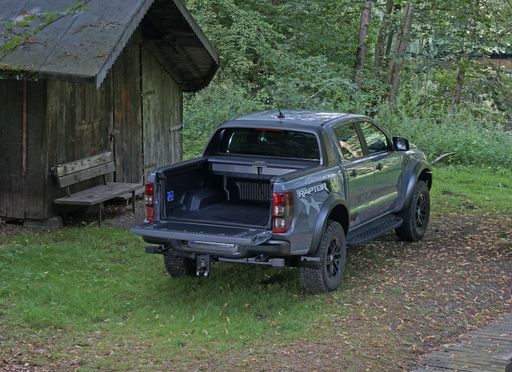
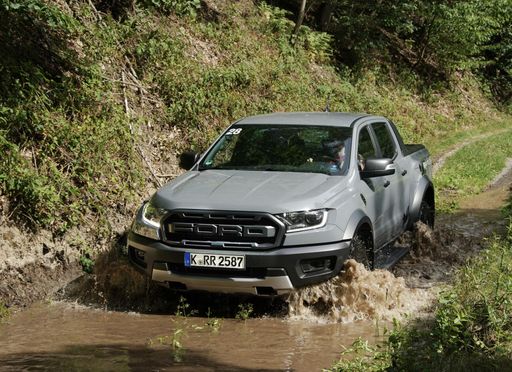
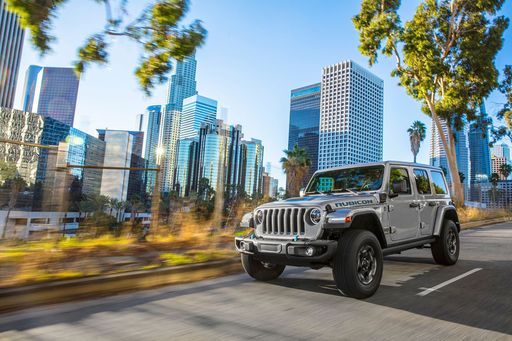
When it comes to rugged durability and off-road prowess, two names immediately come to mind: the Ford Ranger and the Jeep Wrangler. Both vehicles have carved a niche for themselves in the world of adventure and capability. As we delve into the technical aspects and innovations of these two automotive icons, we will see where each excels and what makes them unique in this competitive market.
Ranger

Engine Performance and Efficiency

The Ford Ranger offers a variety of engine options tailored to different driving needs. From a robust turbocharged diesel to potent petrol engines, drivers can select power outputs ranging from 170 to 292 HP. With torque figures peaking at 600Nm, the Ranger is well-equipped for heavy-duty tasks and towing. In terms of fuel efficiency, it seeks to balance power with consumption, offering an average between 8.4 to 13.8 L/100km.

On the other hand, the Jeep Wrangler takes a more modern approach to efficiency with its plug-in hybrid engine. Delivering a substantial 380 HP and a torque of 637 Nm, the Wrangler offers impressive acceleration from 0-100 km/h in just 6.5 seconds. Its fuel economy stands out with a consumption of only 3.3 to 4 L/100km and an electric range of up to 42 km, making it an eco-friendly off-roader.

Wrangler

Transmission and Drive Type

Both vehicles come with all-wheel-drive capabilities, perfectly suited for traversing challenging terrains. The Ford Ranger provides flexibility with its choice of manual and automatic gearbox, catering to those who appreciate hands-on control or prefer convenience.

The Jeep Wrangler sticks to an automatic transmission system, optimizing its plug-in hybrid system for seamless power delivery. This setup simplifies driving in rocky or muddy conditions with advanced traction control features.

Ranger

Capacity and Practicality

The Ford Ranger boasts an impressive payload capacity of up to 1108 kg, coupled with a sizable fuel tank capacity of 80 L, making it perfect for long-distance hauls and commercial uses. Configurations vary from two to five seats, with solid towing capabilities benefiting both adventure enthusiasts and workers alike.

While the Jeep Wrangler offers a slightly lower payload of up to 536 kg, its appeal lies in its off-road expertise and respectable interior space. Seating for five and a trunk capacity of 533 L ensure passengers travel in comfort while offering enough room for gear and adventure equipment.

Wrangler

Design and Dimensions

The Ford Ranger’s dimensions stretch to a length of 5420 mm and a width of 1968 mm, asserting its presence on the road. Its design philosophy is rooted in rugged practicality with a hint of modern sophistication.

Conversely, the Jeep Wrangler, with dimensions of 4882 mm in length and 1894 mm in width, takes a more compact approach. The Wrangler’s design retains its iconic look, with the height adjustable between 1838 and 1848 mm to suit various needs.

Conclusion: Choosing Your Own Adventure

Ultimately, choosing between the Ford Ranger and the Jeep Wrangler boils down to individual needs and preferences. If raw power, diverse engine options, and practical payload capacities are your priority, the Ford Ranger stands ready to meet those demands.

For those leaning toward a cutting-edge hybrid with excellent fuel efficiency and legendary off-road capabilities, the Jeep Wrangler remains a top contender. Both vehicles embody the spirit of adventure, and whichever you choose, you're guaranteed a thrilling ride.

Here’s where it gets real: The technical differences in detail

Wrangler

Costs and Efficiency:

Price and efficiency are key factors when choosing a car – and this is often where the real differences emerge.

Ford Ranger is visibly cheaper – starting at 48,400 £ , while the Jeep Wrangler costs 60,800 £ . That’s a price difference of around 12,332 £.

Fuel consumption also shows a difference: the Ford Ranger uses 3.1 L/100km and is substantially more efficient than the Jeep Wrangler with 11.1 L/100km. The difference is about 8 L/100km.

Ranger

Engine and Performance:

Power, torque and acceleration say a lot about how a car feels on the road. This is where you see which model delivers more driving dynamics.

When it comes to engine power, the Ford Ranger offers barely more power – delivering 281 HP compared to 272 HP. That’s roughly 9 HP more horsepower.

When accelerating from 0 to 100 km/h, the Jeep Wrangler is a bit quicker – completing the sprint in 7.6 s, while the Ford Ranger takes 8.7 s. That’s about 1.1 s quicker.

There’s also a difference in torque: the Ford Ranger delivers clearly more torque with 697 Nm compared to 400 Nm. That’s about 297 Nm more.

Wrangler

Space and Everyday Use:

Beyond pure performance, interior space and usability matter most in daily life. This is where you see which car is more practical and versatile.

Both vehicles offer seating for 5 people.

In terms of curb weight, Jeep Wrangler is visibly lighter – 1,938 kg compared to 2,405 kg. The difference is around 467 kg.

When it comes to payload, the Ford Ranger carries substantially more – 989 kg compared to 556 kg. That’s a difference of about 433 kg.

Who wins the race in the data check?

The Ford Ranger is clearly superior overall in the objective data comparison.
This result only shows which model scores more points on paper – not which of the two cars feels right for you.

from £48,400
Ranger

Ford Ranger

  • Engine Type Diesel, Plugin Hybrid
  • Transmission Automatic
  • Drive Type All-Wheel Drive
  • Power HP 240 - 281 HP
  • Consumption L/100km 3.1 - 10.1 L/100km
  • Electric Range 42 km
Jeep Wrangler
Ford Ranger

Costs and Consumption

View detailed analysis

Engine and Performance

View detailed analysis

Dimensions and Body

View detailed analysis

Jeep Wrangler

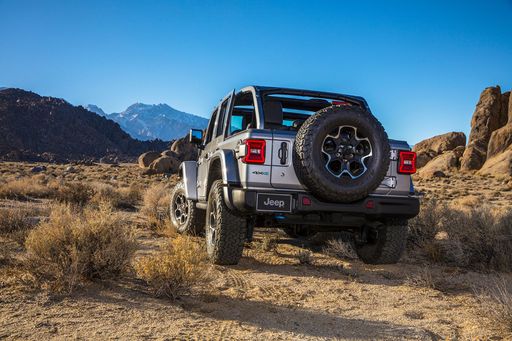
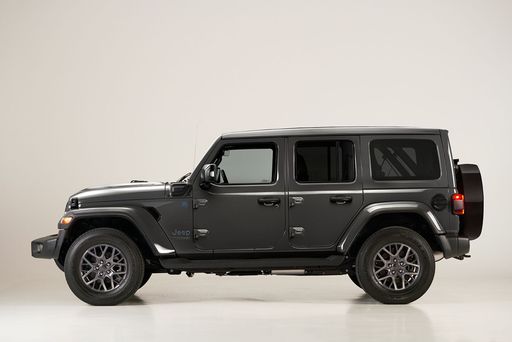
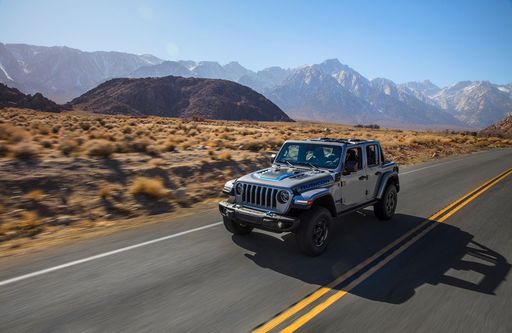
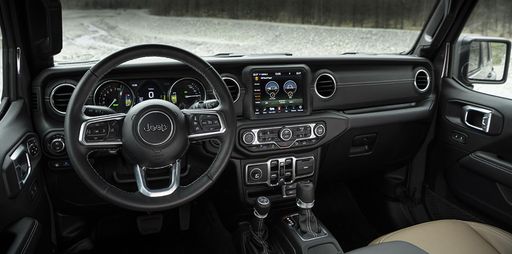
The Jeep Wrangler wears its go-anywhere attitude on its boxy shoulders, with exposed hinges, a removable top and a look that practically dares the tarmac to get in its way. Inside it’s simple and tough-minded, ready to swallow muddy boots and weekend gear, so if you crave honest off-road thrills rather than refined suburbia polish, the Wrangler is your unapologetic partner in adventure.

details

Ford Ranger

The Ford Ranger is a workhorse with the manners of a grown-up pickup—practical, tough, and surprisingly civilized on the road. It’s the sort of truck that laughs at mud on the weekend and performs like a sensible daily driver during the week, making it an easy sell for buyers who want capability without theatrics.

details
Jeep Wrangler
Ford Ranger

Costs and Consumption

Price
60,800 - 62,500 £
Price
48,400 - 57,500 £
Consumption L/100km
11.1 - 11.9 L/100km
Consumption L/100km
3.1 - 10.1 L/100km
Consumption kWh/100km
-
Consumption kWh/100km
-
Electric Range
-
Electric Range
42 km
Battery Capacity
-
Battery Capacity
-
co2
250 - 269 g/km
co2
70 - 265 g/km
Fuel tank capacity
-
Fuel tank capacity
-

Dimensions and Body

Body Type
Off-Roader
Body Type
Pickup
Seats
5
Seats
4 - 5
Doors
-
Doors
-
Curb weight
1,938 - 2,028 kg
Curb weight
2,405 - 2,511 kg
Trunk capacity
533 L
Trunk capacity
-
Length
-
Length
-
Width
1,894 mm
Width
1,918 mm
Height
-
Height
-
Max trunk capacity
-
Max trunk capacity
-
Payload
546 - 556 kg
Payload
845 - 989 kg

Engine and Performance

Engine Type
Petrol
Engine Type
Diesel, Plugin Hybrid
Transmission
Automatic
Transmission
Automatic
Transmission Detail
Automatic Gearbox
Transmission Detail
Automatic Gearbox
Drive Type
All-Wheel Drive
Drive Type
All-Wheel Drive
Power HP
272 HP
Power HP
240 - 281 HP
Acceleration 0-100km/h
7.6 s
Acceleration 0-100km/h
8.7 - 9.2 s
Max Speed
-
Max Speed
-
Torque
400 Nm
Torque
600 - 697 Nm
Number of Cylinders
4
Number of Cylinders
4 - 6
Power kW
200 kW
Power kW
177 - 207 kW
Engine capacity
1,995 cm3
Engine capacity
2,261 - 2,993 cm3

General

Model Year
2024
Model Year
2025
CO2 Efficiency Class
G
CO2 Efficiency Class
G, B
Brand
Jeep
Brand
Ford
DriveDuel uses data analysis and artificial intelligence to evaluate vehicle data and create content. Content is regularly reviewed and improved. The displayed prices are estimates based on German list prices, adjusted to the respective country’s VAT. Country-specific registration taxes are not included. This information is not legally binding.