VS

Lexus NX vs BYD Seal U comparison

Compare performance (292 HP vs 324 HP), boot space and price (46,000 £ vs 34,300 £ ) at a glance. Find out which car is the better choice for you – Lexus NX or BYD Seal U?

Lexus NX vs BYD Seal U: Key differences

Lexus NX

4.8 (11 Reviews)
rate
  • barely lighter

BYD Seal U

4.1 (7 Reviews)
rate
  • clearly cheaper
  • barely more power
  • clearly more electric range
  • very slightly quicker 0–100 km/h

All details on performance, efficiency, range and trunk space can be found in the technical comparison below – including user reviews for both models.

NX

BYD Seal U vs. Lexus NX: A Comparative Analysis of Innovation and Performance

As the automotive landscape evolves rapidly, consumers are presented with a plethora of choices, particularly in the SUV segment. Two contenders that have garnered attention are the BYD Seal U and the Lexus NX. Both vehicles boast impressive technical specifications, innovative technology, and unique features. This article delves deep into a comprehensive comparison between the two to help prospective buyers make an informed decision.
Seal U

Powertrain and Performance

The BYD Seal U offers a diverse range of powertrains, including both plug-in hybrid and electric options, with outputs ranging from 218 to 324 horsepower. Its acceleration capabilities are notable, with the electric variant achieving 0-100 km/h in a brisk 5.9 seconds. The vehicle also features a robust electric range of up to 500 km, catering to eco-conscious drivers looking for efficiency on longer trips.

On the other hand, the Lexus NX is available in full hybrid and plug-in hybrid configurations, producing between 244 and 309 horsepower. With a slightly slower acceleration (0-100 km/h in 6.3 seconds for the top variant), the NX prioritizes a balanced performance while delivering decent fuel efficiency at 5.7 L/100 km. Its electric range sits at 68 km, making it a viable choice for urban driving.

NX

Consumption and Efficiency

When it comes to efficiency, the BYD Seal U proves to be a formidable competitor. It boasts a remarkable consumption rate of 19.9 kWh/100 km for its electric variant while the hybrid version is rated at an impressive 0.9 L/100 km. In contrast, the Lexus NX consumes about 6 L/100 km in hybrid mode, which is commendable but still higher in comparison to the Seal U's hybrid performance.

Seal U

Design and Dimensions

In terms of design, both vehicles project a strong SUV presence with contemporary aesthetics. The BYD Seal U measures 4775 mm in length, 1890 mm in width, and stands 1670 mm tall, offering a spacious interior with a trunk capacity of 425 liters, expandable to 552 liters with the rear seats folded down.

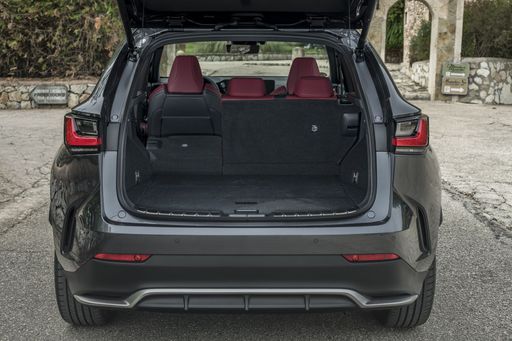
The Lexus NX, slightly shorter at 4660 mm, with a width of 1865 mm and the same height of 1670 mm, provides a trunk capacity of 545 liters, offering more room for luggage. Although the NX may have a marginal edge in trunk space, the Seal U compensates with spacious seating for five and a more viable electric range.

NX

Technology and Features

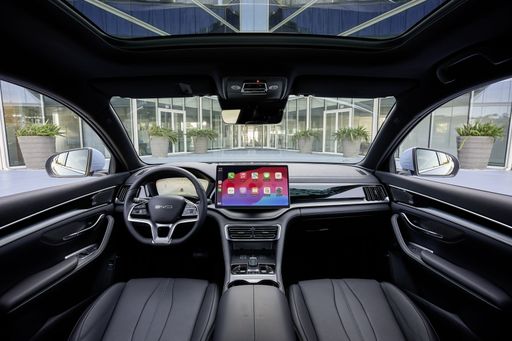
Both the BYD Seal U and the Lexus NX come equipped with a range of modern technological features. The Seal U integrates a state-of-the-art infotainment system optimized for user experience, along with safety features that are becoming essential in today's market. This includes advanced driver assistance systems that promote safer driving.

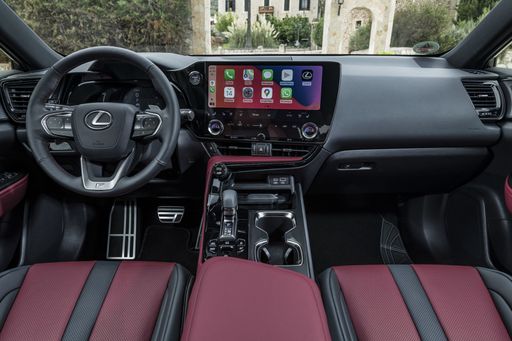
The Lexus NX has also made a name for itself with high-quality interiors, state-of-the-art infotainment, and premium safety features. It boasts a well-crafted cabin that emphasizes luxury, aligning with Lexus’s brand image. Both models excel in driver connectivity and comfort, but Lexus may slightly edge out with its overall premium feel.

Seal U

Conclusion: Which SUV Reigns Supreme?

In conclusion, the BYD Seal U and Lexus NX cater to different needs within the SUV market. The Seal U stands out with superior electric range, innovative hybrid technologies, and impressive acceleration. It's a strong candidate for those prioritizing sustainability without sacrificing performance. Meanwhile, the Lexus NX's luxurious interior and hybrid efficiency appeal to consumers who seek elegance and comfort alongside practicality.

Ultimately, choosing between the BYD Seal U and the Lexus NX boils down to individual preferences and priorities—be it performance, efficiency, or luxury. Both vehicles represent the best of modern automotive engineering, each offering a unique experience on the road.

Here’s where it gets real: The technical differences in detail

NX

Costs and Efficiency:

Price and efficiency are key factors when choosing a car – and this is often where the real differences emerge.

BYD Seal U is clearly cheaper – starting at 34,300 £ , while the Lexus NX costs 46,000 £ . That’s a price difference of around 11,751 £.

As for electric range, the BYD Seal U offers clearly more range – reaching up to 500 km, about 428 km more than the Lexus NX.

Seal U

Engine and Performance:

Power, torque and acceleration say a lot about how a car feels on the road. This is where you see which model delivers more driving dynamics.

When it comes to engine power, the BYD Seal U offers barely more power – delivering 324 HP compared to 292 HP. That’s roughly 32 HP more horsepower.

When accelerating from 0 to 100 km/h, the BYD Seal U is very slightly quicker – completing the sprint in 5.9 s, while the Lexus NX takes 6.4 s. That’s about 0.5 s quicker.

NX

Space and Everyday Use:

Cabin size, boot volume and payload all play a role in everyday practicality. Here, comfort and flexibility make the difference.

Both vehicles offer seating for 5 people.

In terms of curb weight, Lexus NX is barely lighter – 1,805 kg compared to 1,940 kg. The difference is around 135 kg.

When it comes to payload, the Lexus NX carries noticeably more – 515 kg compared to 410 kg. That’s a difference of about 105 kg.

Who wins the race in the data check?

The BYD Seal U holds a decisive overall lead in the objective data comparison.
This result only shows which model scores more points on paper – not which of the two cars feels right for you.

from £34,300
Seal U

BYD Seal U

  • Engine Type : Electric, Plugin Hybrid
  • Transmission : Automatic
  • Drive Type : Front-Wheel Drive, All-Wheel Drive
  • Power HP : 218 - 324 HP
  • Consumption kWh/100km : 12.1 - 20.5 kWh/100km
  • Electric Range : 70 - 500 km
Lexus NX
BYD Seal U

Costs and Consumption

View detailed analysis

Engine and Performance

View detailed analysis

Dimensions and Body

View detailed analysis

Lexus NX

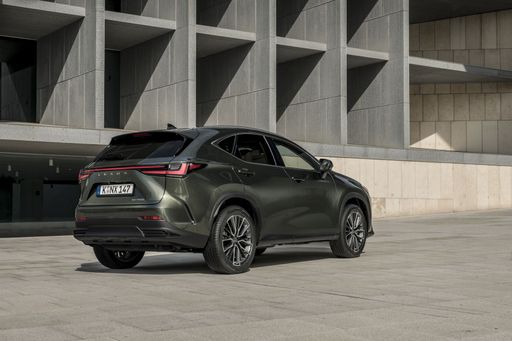
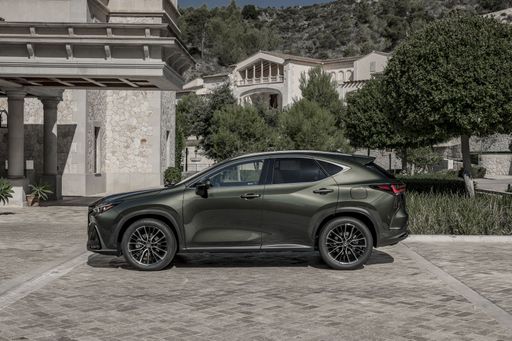
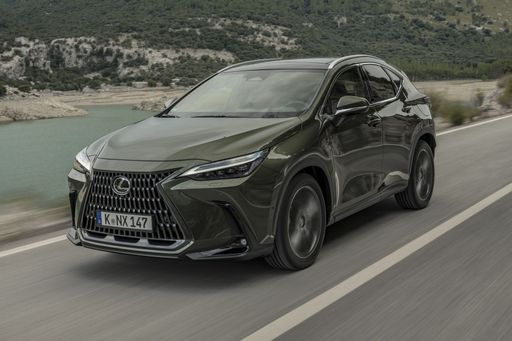
The Lexus NX wraps striking, chiseled styling around a cabin that feels more crafted living room than utility vehicle, with soft materials and user-friendly tech that give it genuine premium cachet. On the road it's composed and quietly confident, trading sporty pretensions for a refined, easygoing personality that will suit buyers who want luxury without fuss — with a little Lexus flair to make daily commutes feel special.

details

BYD Seal U

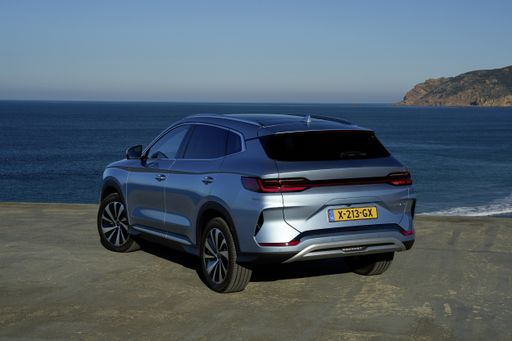
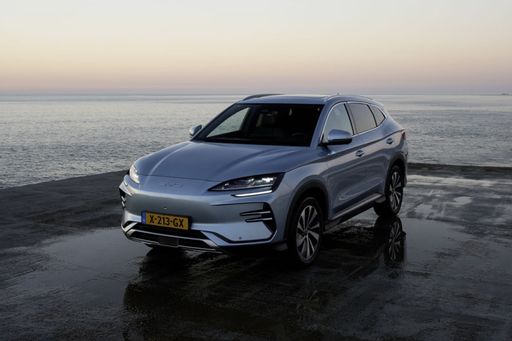
The BYD Seal U pairs a sleek fastback silhouette with a surprisingly roomy, tech-rich cabin, giving electric chic without the showroom pretension. It's a smart pick for buyers after confident handling, sensible practicality and standout value — all wrapped up with a cheeky grin when you put your foot down.

details
Lexus NX
BYD Seal U

Costs and Consumption

Price
46,000 - 64,300 £
Price
34,300 - 39,800 £
Consumption L/100km
2.9 - 5.9 L/100km
Consumption L/100km
-
Consumption kWh/100km
-
Consumption kWh/100km
12.1 - 20.5 kWh/100km
Electric Range
72 km
Electric Range
70 - 500 km
Battery Capacity
-
Battery Capacity
-
co2
65 - 134 g/km
co2
0 - 71 g/km
Fuel tank capacity
-
Fuel tank capacity
-

Dimensions and Body

Body Type
SUV
Body Type
SUV
Seats
5
Seats
5
Doors
-
Doors
5
Curb weight
1,805 - 2,065 kg
Curb weight
1,940 - 2,147 kg
Trunk capacity
-
Trunk capacity
425 - 552 L
Length
-
Length
4,785 mm
Width
1,865 mm
Width
1,890 mm
Height
-
Height
1,668 mm
Max trunk capacity
-
Max trunk capacity
1,440 L
Payload
475 - 515 kg
Payload
410 kg

Engine and Performance

Engine Type
Full Hybrid, Plugin Hybrid
Engine Type
Electric, Plugin Hybrid
Transmission
Automatic
Transmission
Automatic
Transmission Detail
CVT
Transmission Detail
Reduction Gearbox, Automatic Gearbox
Drive Type
Front-Wheel Drive, All-Wheel Drive
Drive Type
Front-Wheel Drive, All-Wheel Drive
Power HP
200 - 292 HP
Power HP
218 - 324 HP
Acceleration 0-100km/h
6.4 - 8.8 s
Acceleration 0-100km/h
5.9 - 9.6 s
Max Speed
-
Max Speed
175 km/h
Torque
-
Torque
300 - 550 Nm
Number of Cylinders
4
Number of Cylinders
4
Power kW
147 - 215 kW
Power kW
160 - 238 kW
Engine capacity
2,487 cm3
Engine capacity
1,497 - 1,498 cm3

General

Model Year
2,025
Model Year
2,024 - 2,026
CO2 Efficiency Class
D, B
CO2 Efficiency Class
A, B
Brand
Lexus
Brand
BYD
DriveDuel uses data analysis and artificial intelligence to evaluate vehicle data and create content. Content is regularly reviewed and improved. The displayed prices are estimates based on German list prices, adjusted to the respective country’s VAT. Country-specific registration taxes are not included. This information is not legally binding.