
 Deutschland
 France
 Nederland
 Great Britain
 Sverige
 Norge
Norge Danmark
 Suomi
Suomi Italia
 Polska
 España
VS
Mercedes AMG GT vs Dacia Bigster – Performance, range & efficiency compared
Two cars, one duel: Mercedes AMG GT meets Dacia Bigster.
Which one wins in performance, efficiency and value for money? Find out now!
AMG GT
@ Mercedes-Benz Group Media
Costs and Efficiency:
Price and efficiency are often the first things buyers look at. Here it becomes clear which model has the long-term edge – whether at the pump, the plug, or in purchase price.
Dacia Bigster has a clearly advantage in terms of price – it starts at 20600 £, while the Mercedes AMG GT costs 102500 £. That’s a price difference of around 81942 £.
Fuel consumption also shows a difference: Dacia Bigster manages with 4.70 L and is therefore decisively more efficient than the Mercedes AMG GT with 10.30 L. The difference is about 5.60 L per 100 km.
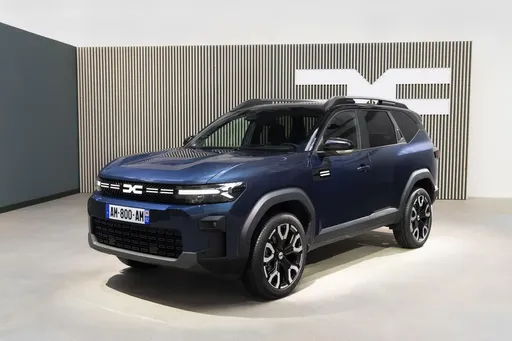
Bigster
@ Dacia / Renault Group Media
Engine and Performance:
Power, torque and acceleration say a lot about how a car feels on the road. This is where you see which model delivers more driving dynamics.
When it comes to engine power, the Mercedes AMG GT has a clearly edge – offering 816 HP compared to 155 HP. That’s roughly 661 HP more horsepower.
In acceleration from 0 to 100 km/h, the Mercedes AMG GT is convincingly quicker – completing the sprint in 2.80 s, while the Dacia Bigster takes 9.70 s. That’s about 6.90 s faster.
In terms of top speed, the Mercedes AMG GT performs decisively better – reaching 320 km/h, while the Dacia Bigster tops out at 180 km/h. The difference is around 140 km/h.
There’s also a difference in torque: Mercedes AMG GT pulls significantly stronger with 1420 Nm compared to 230 Nm. That’s about 1190 Nm difference.
AMG GT
@ Mercedes-Benz Group Media
Space and Everyday Use:
Cabin size, boot volume and payload all play a role in everyday practicality. Here, comfort and flexibility make the difference.
Seats: Dacia Bigster offers significantly more seating capacity – 5 vs 2.
In curb weight, Dacia Bigster is evident lighter – 1425 kg compared to 1790 kg. The difference is around 365 kg.
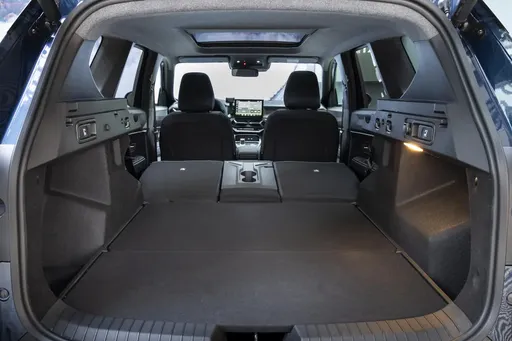
In terms of boot space, the Dacia Bigster offers convincingly more room – 667 L compared to 321 L. That’s a difference of about 346 L.
When it comes to payload, Dacia Bigster decisively takes the win – 467 kg compared to 215 kg. That’s a difference of about 252 kg.
Who comes out on top?
Overall, the Dacia Bigster shows itself to be wins the duel decisively and secures the title of DriveDuel Champion.
It convinces with the more balanced overall package and proves to be the more versatile choice for everyday use.
from about £20,600
 @ Dacia / Renault Group Media
Dacia Bigster
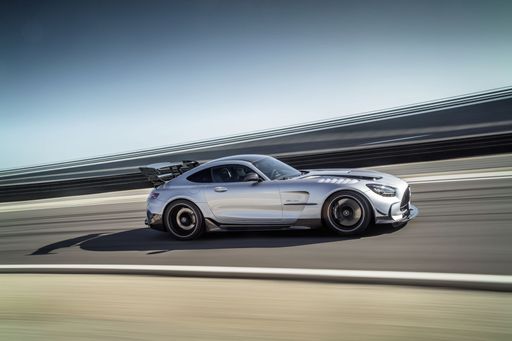
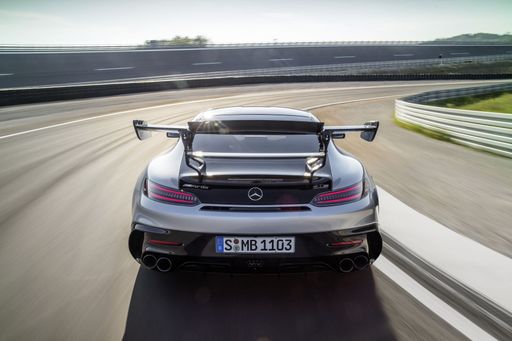
Mercedes AMG GT
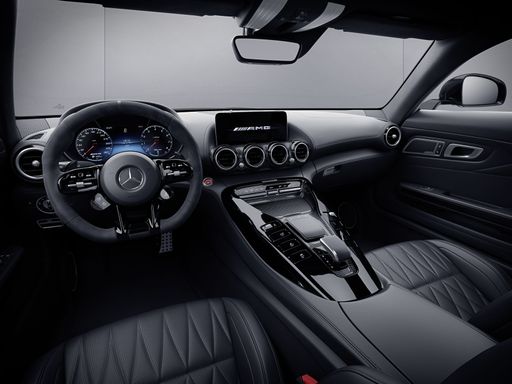
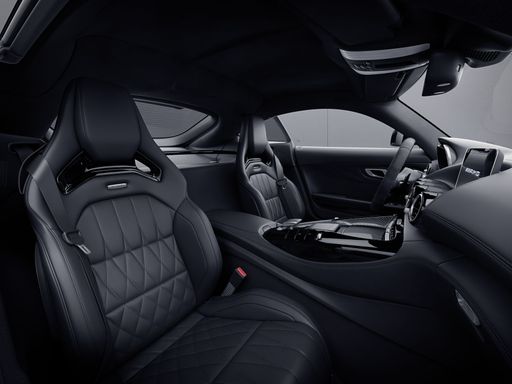
The Mercedes-Benz AMG GT is a striking blend of luxury and performance, capturing the essence of high-performance motoring. With its sleek, aerodynamic design and a roaring engine, it delivers an exhilarating driving experience. Inside, the cabin combines elegance with technology, offering comfort wrapped in premium materials for an immersive journey.
details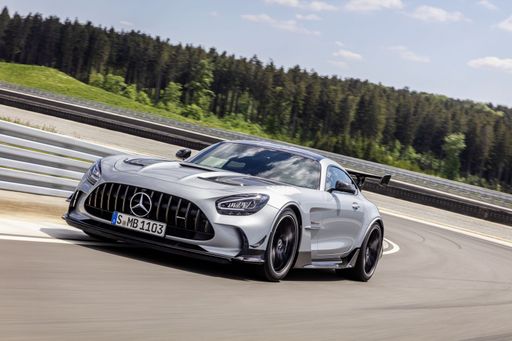 @ Mercedes-Benz Group Media
 @ Mercedes-Benz Group Media
 @ Mercedes-Benz Group Media
 @ Mercedes-Benz Group Media
 @ Mercedes-Benz Group Media
Dacia Bigster
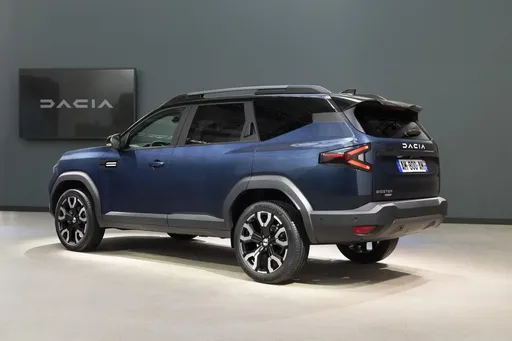
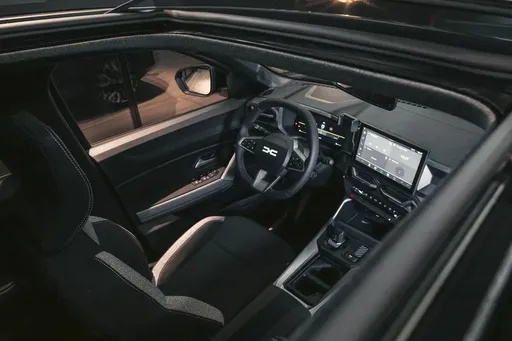
The Bigster is poised to redefine the SUV segment with its bold design and spacious interior, catering to the needs of both families and adventure seekers alike. Emphasizing sustainability and practicality, this model reflects a modern approach to automotive engineering, making it a compelling choice for environmentally conscious drivers. With its striking presence on the road, the Bigster not only captures attention but also embodies a new era of versatile mobility.
details
@ Dacia / Renault Group Media
 @ Dacia / Renault Group Media
 @ Dacia / Renault Group Media
 @ Dacia / Renault Group Media
 @ Dacia / Renault Group Media
Mercedes AMG GT
Dacia Bigster
|
@ Mercedes-Benz Group Media
|
@ Dacia / Renault Group Media
|
|
|
|
Costs and Consumption |
|
|---|---|
|
Price
102500 - 194400 £
|
Price
20600 - 26600 £
|
|
Consumption L/100km
10.3 - 14 L
|
Consumption L/100km
4.7 - 7.1 L
|
|
Consumption kWh/100km
-
|
Consumption kWh/100km
-
|
|
Electric Range
11 km
|
Electric Range
-
|
|
Battery Capacity
-
|
Battery Capacity
-
|
|
co2
235 - 319 g/km
|
co2
106 - 137 g/km
|
|
Fuel tank capacity
70 L
|
Fuel tank capacity
50 - 55 L
|
Dimensions and Body |
|
|---|---|
|
Body Type
Coupe
|
Body Type
SUV
|
|
Seats
2
|
Seats
5
|
|
Doors
2
|
Doors
5
|
|
Curb weight
1790 - 2195 kg
|
Curb weight
1425 - 1547 kg
|
|
Trunk capacity
182 - 321 L
|
Trunk capacity
510 - 667 L
|
|
Length
4728 mm
|
Length
4570 mm
|
|
Width
1929 mm
|
Width
1813 mm
|
|
Height
1354 - 1359 mm
|
Height
1705 mm
|
|
Max trunk capacity
-
|
Max trunk capacity
1813 - 1937 L
|
|
Payload
170 - 215 kg
|
Payload
383 - 467 kg
|
Engine and Performance |
|
|---|---|
|
Engine Type
Petrol MHEV, Petrol, Plugin Hybrid
|
Engine Type
Petrol MHEV, Full Hybrid, LPG
|
|
Transmission
Automatic
|
Transmission
Manuel, Automatic
|
|
Transmission Detail
Automatic Gearbox
|
Transmission Detail
Manual Gearbox, Automated Manual
|
|
Drive Type
Rear-Wheel Drive, All-Wheel Drive
|
Drive Type
All-Wheel Drive, Front-Wheel Drive
|
|
Power HP
435 - 816 HP
|
Power HP
130 - 155 HP
|
|
Acceleration 0-100km/h
2.8 - 4.6 s
|
Acceleration 0-100km/h
9.7 - 11.2 s
|
|
Max Speed
280 - 320 km/h
|
Max Speed
180 km/h
|
|
Torque
500 - 1420 Nm
|
Torque
230 Nm
|
|
Number of Cylinders
4 - 8
|
Number of Cylinders
3 - 4
|
|
Power kW
320 - 600 kW
|
Power kW
96 - 115 kW
|
|
Engine capacity
1991 - 3982 cm3
|
Engine capacity
1199 - 1799 cm3
|
General |
|
|---|---|
|
Model Year
2025
|
Model Year
2025
|
|
CO2 Efficiency Class
G
|
CO2 Efficiency Class
E, D, C
|
|
Brand
Mercedes-Benz
|
Brand
Dacia
|
Is the Mercedes AMG GT offered with different drivetrains?
The Mercedes AMG GT is available as Rear-Wheel Drive or All-Wheel Drive.
The prices and data displayed are estimates based on German list prices and may vary by country. This information is not legally binding.