VS

Mercedes EQA vs BMW iX1 comparison

Compare performance (292 HP vs 313 HP), boot space and price (44,200 £ vs 42,300 £ ) at a glance. Find out which car is the better choice for you – Mercedes EQA or BMW iX1?

Mercedes EQA vs BMW iX1: Key differences

Mercedes EQA

5 (1 Reviews)
rate
  • barely more electric range

BMW iX1

4.7 (3 Reviews)
rate
  • very slightly cheaper
  • only slightly more power
  • barely more efficient
  • barely quicker 0–100 km/h
  • very slightly lighter
  • clearly more trunk space

All details on performance, efficiency, range and trunk space can be found in the technical comparison below – including user reviews for both models.

EQA

Street style: presence and personality

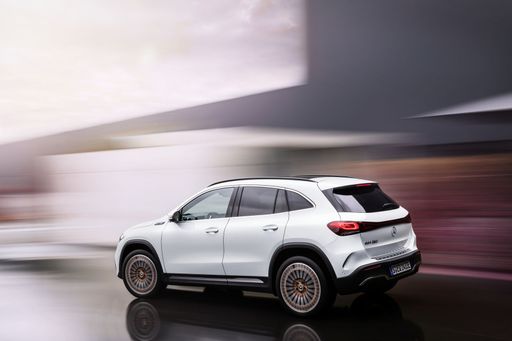
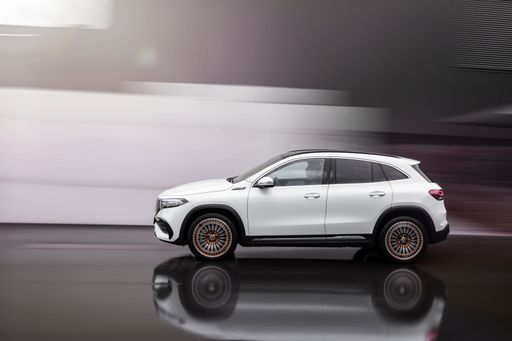
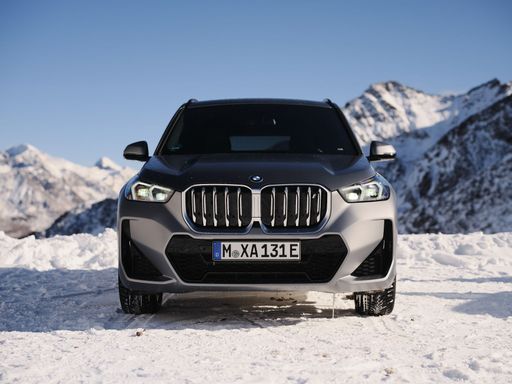
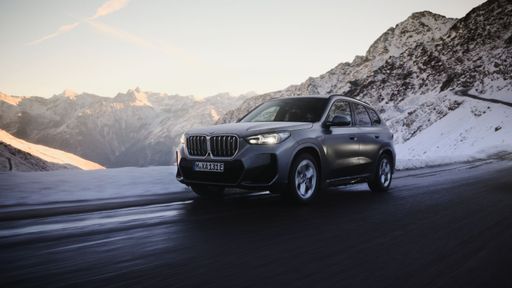
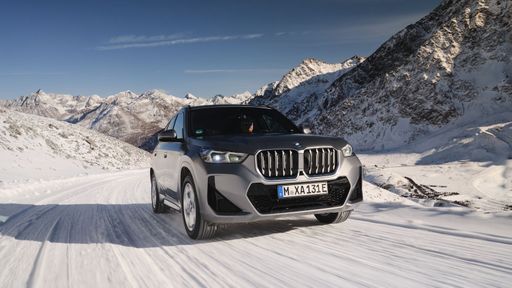
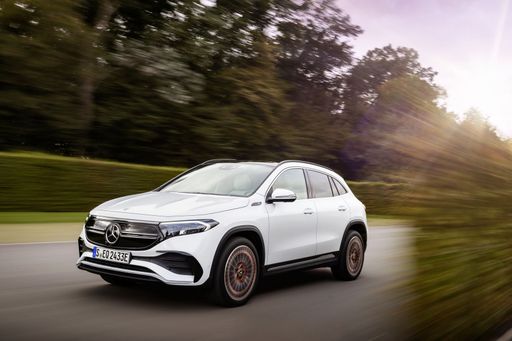
From a distance the two play different roles in the urban theatre: the BMW iX1 projects athletic intent with taut surfaces and a stance that suggests motion even at a standstill, while the Mercedes EQA adopts a smoother, more refined silhouette that prefers understatement. Up close, the BMW's detailing feels a touch more driver-centric and sculpted, whereas the Mercedes leans into elegance and a carefully curated finish. Both will turn heads for different reasons — one for its sporty confidence, the other for its composed, premium air.
iX1

Behind the wheel: eager or composed?

Put your hands on the wheel and you sense the character split: the BMW iX1 responds with a sharper, more alert demeanor that rewards input and feels lively through bends, while the Mercedes EQA prefers to smooth things out, trading immediate edge for a composed, predictable ride. Neither is a hair-raising sports car, but one nudges you toward involvement and the other toward serene control — a meaningful difference for anyone who spends frequent hours on varied roads. Both are confident in their approach, so your choice will hinge on whether you enjoy steering engagement or prefer refined calm.

EQA

Cabin life: driver cockpit versus boutique comfort

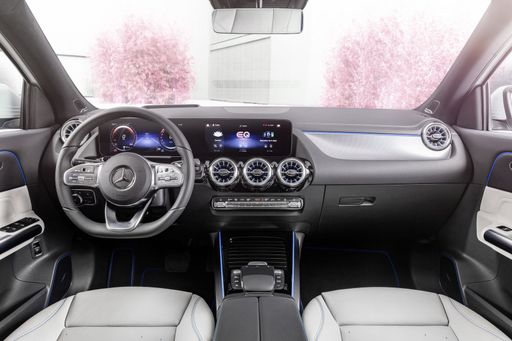
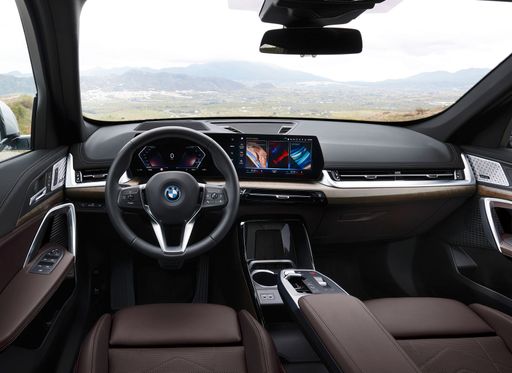
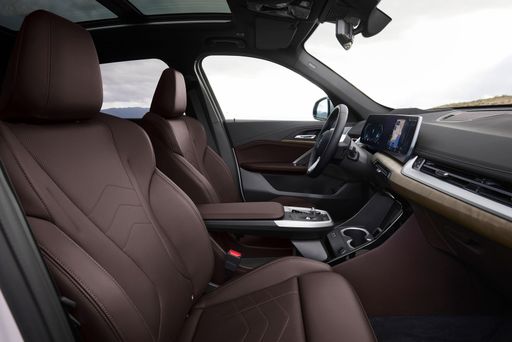
Inside, the differences continue: the BMW iX1 presents a more driver-focused layout with supportive seating and controls that invite interaction, while the Mercedes EQA feels like a cozy boutique, prioritizing calm materials and a sense of modern luxury. Infotainment and interfaces are polished in both, but the BMW gives a slightly sportier ambience and the Mercedes promises a more relaxing, upscale environment for passengers. For daily life that involves lots of commuting or tall passengers, those subtle touches add up in perceived comfort.

iX1

Family chores and weekend hauls: how practical are they?

When it comes to everyday usability, the BMW iX1 tends to favour straightforward practicality with clever storage and a more usable load bay for shopping and gear, while the Mercedes EQA focuses on flexible little luxuries and neat touches that make life easier in town. Both carry the essentials for family life, but the BMW's layout feels a bit more utilitarian, and the Mercedes rewards those who appreciate finesse and refined details in everyday interactions. Either way, your day-to-day needs will be met, though priorities like luggage space or rear-seat comfort will tilt the balance differently.

EQA

Ownership: living with the car every day

Think beyond the showroom: the BMW iX1 projects a do-it-all attitude that suits someone looking for versatility and a dynamic weekend companion, while the Mercedes EQA courts buyers who value a polished ownership experience and an easy, composed presence on the road. Both deliver modern conveniences and usable tech, but they speak to different lifestyles — one slightly sportier and direct, the other quietly premium and refined. Practicality, perceived value and which character you prefer will determine which makes more sense to live with.

iX1

Shortlist or test-drive? Who should take the next step

If you commute on twisty roads and enjoy a more engaging steering feel, the BMW iX1 deserves a test drive; if you favour a plush, composed cabin and a softer manner, the Mercedes EQA should be on your list. Families, style-conscious city drivers and frequent long-distance users will each find appealing traits in one car or the other, so personal priorities matter more than badges. Read on to see which model takes the DriveDuel crown — the Champion will be revealed afterwards.

Here’s where it gets real: The technical differences in detail

EQA

Costs and Efficiency:

When it comes to price and running costs, the biggest differences usually appear. This is often where you see which car fits your budget better in the long run.

BMW iX1 is very slightly cheaper – starting at 42,300 £ , while the Mercedes EQA costs 44,200 £ . That’s a price difference of around 1,895 £.

In terms of energy consumption, the BMW iX1 is barely more efficient: consuming 14.3 kWh/100km compared to 14.4 kWh/100km for the Mercedes EQA. That’s a difference of about 0.1 kWh/100km.

As for electric range, the Mercedes EQA offers barely more range – reaching up to 561 km, about 47 km more than the BMW iX1.

iX1

Engine and Performance:

Under the bonnet, it becomes clear which model is tuned for sportiness and which one takes the lead when you hit the accelerator.

When it comes to engine power, the BMW iX1 offers only slightly more power – delivering 313 HP compared to 292 HP. That’s roughly 21 HP more horsepower.

When accelerating from 0 to 100 km/h, the BMW iX1 is barely quicker – completing the sprint in 5.6 s, while the Mercedes EQA takes 6 s. That’s about 0.4 s quicker.

There’s also a difference in torque: the Mercedes EQA delivers marginally more torque with 520 Nm compared to 494 Nm. That’s about 26 Nm more.

EQA

Space and Everyday Use:

Beyond pure performance, interior space and usability matter most in daily life. This is where you see which car is more practical and versatile.

Both vehicles offer seating for 5 people.

In terms of curb weight, BMW iX1 is very slightly lighter – 1,940 kg compared to 2,045 kg. The difference is around 105 kg.

Looking at boot space, the BMW iX1 offers clearly more boot space – 490 L compared to 340 L. That’s a difference of about 150 L.

When it comes to payload, the BMW iX1 carries moderately more – 495 kg compared to 425 kg. That’s a difference of about 70 kg.

Who wins the race in the data check?

The BMW iX1 is clearly superior overall in the objective data comparison.
This result only shows which model scores more points on paper – not which of the two cars feels right for you.

from £42,300
iX1

BMW iX1

  • Engine Type : Electric
  • Transmission : Automatic
  • Drive Type : Front-Wheel Drive, All-Wheel Drive
  • Power HP : 204 - 313 HP
  • Consumption kWh/100km : 14.3 - 15.7 kWh/100km
  • Electric Range : 466 - 514 km
Mercedes EQA
BMW iX1

Costs and Consumption

View detailed analysis

Engine and Performance

View detailed analysis

Dimensions and Body

View detailed analysis

Mercedes EQA

The Mercedes EQA slips into the electric crossover ranks with the brand’s familiar luxury polish, offering a quiet, fuss-free drive that feels perfectly at home in the city or on a country escape. Inside it’s neatly finished and tech-forward, projecting grown-up refinement even if it plays things a bit safe for anyone chasing outright excitement.

details

BMW iX1

The BMW iX1 wraps BMW's electric ambition into a compact SUV package that feels unexpectedly premium, with sharp handling and a crisp, modern cabin that keeps the driver in charge. It's ideal for buyers who want a stylish, quiet daily driver with useful practicality and tech-savvy touches — plus enough character to make the commute feel less like a chore and more like a short joyride.

details
Mercedes EQA
BMW iX1

Costs and Consumption

Price
44,200 - 57,400 £
Price
42,300 - 55,200 £
Consumption L/100km
-
Consumption L/100km
-
Consumption kWh/100km
14.4 - 16.9 kWh/100km
Consumption kWh/100km
14.3 - 15.7 kWh/100km
Electric Range
476 - 561 km
Electric Range
466 - 514 km
Battery Capacity
70.5 kWh
Battery Capacity
-
co2
0 g/km
co2
0 g/km
Fuel tank capacity
-
Fuel tank capacity
-

Dimensions and Body

Body Type
SUV
Body Type
SUV
Seats
5
Seats
5
Doors
5
Doors
-
Curb weight
2,045 - 2,115 kg
Curb weight
1,940 - 2,085 kg
Trunk capacity
340 L
Trunk capacity
490 L
Length
4,463 mm
Length
-
Width
1,834 mm
Width
1,845 mm
Height
1,608 - 1,613 mm
Height
-
Max trunk capacity
1,320 L
Max trunk capacity
-
Payload
425 kg
Payload
495 kg

Engine and Performance

Engine Type
Electric
Engine Type
Electric
Transmission
Automatic
Transmission
Automatic
Transmission Detail
Reduction Gearbox
Transmission Detail
Reduction Gearbox
Drive Type
Front-Wheel Drive, All-Wheel Drive
Drive Type
Front-Wheel Drive, All-Wheel Drive
Power HP
190 - 292 HP
Power HP
204 - 313 HP
Acceleration 0-100km/h
6 - 8.6 s
Acceleration 0-100km/h
5.6 - 8.6 s
Max Speed
160 km/h
Max Speed
-
Torque
385 - 520 Nm
Torque
250 - 494 Nm
Number of Cylinders
-
Number of Cylinders
-
Power kW
140 - 215 kW
Power kW
150 - 230 kW
Engine capacity
-
Engine capacity
-

General

Model Year
2,024 - 2,025
Model Year
2,026
CO2 Efficiency Class
A
CO2 Efficiency Class
A
Brand
Mercedes-Benz
Brand
BMW
DriveDuel uses data analysis and artificial intelligence to evaluate vehicle data and create content. Content is regularly reviewed and improved. The displayed prices are estimates based on German list prices, adjusted to the respective country’s VAT. Country-specific registration taxes are not included. This information is not legally binding.