VS

MG ZS vs Dacia Sandero comparison

Compare performance (197 HP vs 122 HP), boot space and price (18,000 £ vs 11,000 £ ) at a glance. Find out which car is the better choice for you – MG ZS or Dacia Sandero?

MG ZS vs Dacia Sandero: Key differences

MG ZS

4.4 (4 Reviews)
rate
  • visibly more power
  • very slightly more efficient
  • somewhat quicker 0–100 km/h

Dacia Sandero

3.5 (3 Reviews)
rate
  • substantially cheaper
  • visibly lighter

All details on performance, efficiency, range and trunk space can be found in the technical comparison below – including user reviews for both models.

ZS

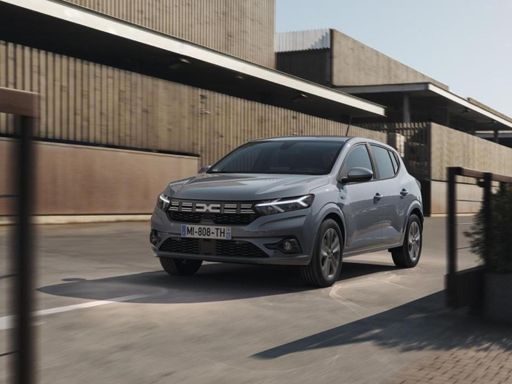
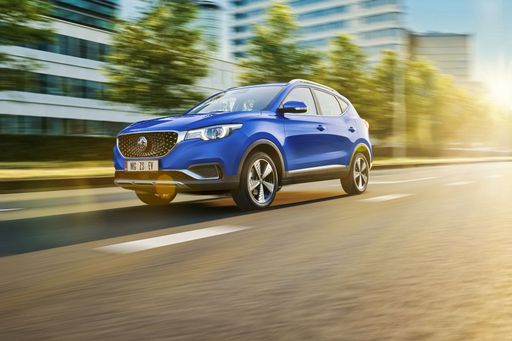
The automotive market is witnessing an increasingly competitive landscape, with vehicles designed to cater to diverse customer preferences and needs. In this article, we will delve into a comparison between the Dacia Sandero and the MG ZS, two prominent models in their respective segments. The Sandero, a practical hatchback, faces off against the MG ZS, a feature-rich SUV, as we explore their technical specifications, innovations, and overall value.
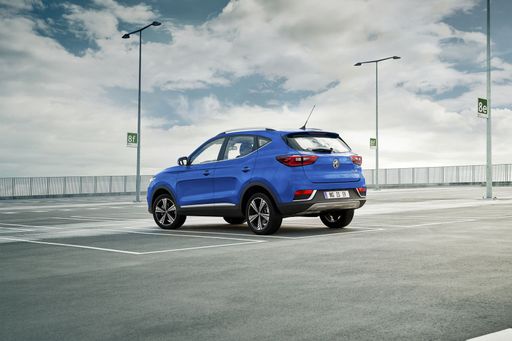
Sandero

Engine and Performance

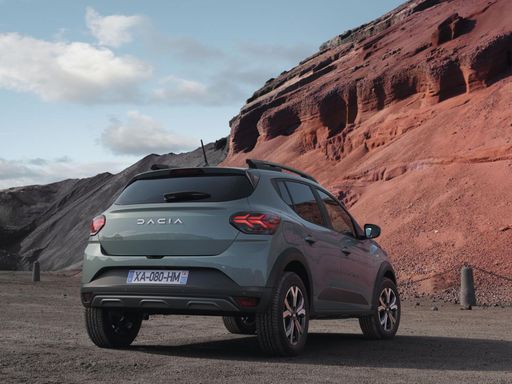
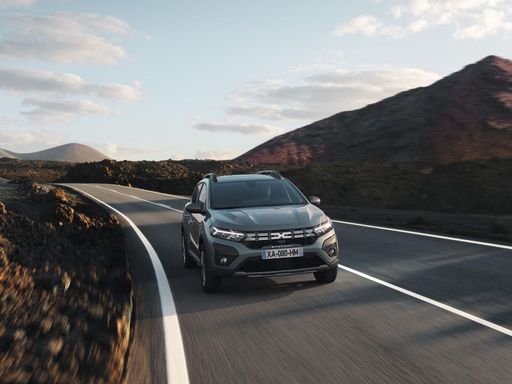
The Dacia Sandero is available with a variety of engine options, including petrol and LPG variants. The engines produce between 67 and 110 HP, with torque ranging from 95 to 200 Nm. This versatility allows customers to select according to their performance needs and fuel preferences. The Sandero also boasts different transmission options, offering both manual and CVT choices.

In contrast, the MG ZS takes a more modern approach with options for petrol, electric, and hybrid engines. The petrol models deliver between 116 and 197 HP with a torque peak at 280 Nm, while the electric variants can manage up to 156 HP with an impressive torque delivery that ensures nimble acceleration. The ZS can reach 0-100 km/h in as little as 8.6 seconds, providing a dynamic driving experience for urban commuters.

ZS

Fuel Efficiency and Environmental Impact

When it comes to fuel efficiency, the Dacia Sandero shines with a consumption range of 5.2 to 7 L/100km depending on the variant. Additionally, its emissions range from 105 to 139 g/km reflects varying environmental credentials, appealing to both budget-conscious and eco-aware drivers.

The MG ZS also impresses with its fuel consumption of 5.0 to 6.5 L/100km for petrol models while offering an electric range of 320 km with its battery capacity reaching up to 65.7 kWh. Furthermore, the electric variant has zero tailpipe emissions, making it an attractive option for environmentally conscious consumers.

Sandero

Interior Space and Comfort

Space and comfort are essential factors for many vehicle buyers. The Dacia Sandero, though a hatchback, offers a commendable trunk capacity of 328 liters, accommodating daily errands and family outings. The five-seat configuration is practical, ensuring sufficient room for passengers and cargo alike.

On the other hand, the MG ZS showcases its SUV design with a more generous trunk capacity of 448 liters, providing additional storage space. With similar seating for five passengers, the ZS is built to provide more headroom and legroom, resulting in a more spacious feel, especially for longer journeys.

ZS

Technical Innovations and Features

Both models incorporate a range of technical innovations to enhance the driving experience. The Dacia Sandero features a user-friendly infotainment system, offering essential connectivity tools like smartphone integration. Furthermore, its contemporary design and safety features make it a smart choice for urban driving.

The MG ZS, however, raises the bar with advanced safety technologies such as autonomous emergency braking and lane-keeping assistance, bringing a higher level of sophistication to the segment. Additionally, the ZS boasts an intuitive touchscreen interface that controls various car functions, making it a comprehensive tech-savvy option.

Sandero

Pricing and Overall Value

Pricing is another critical aspect to consider. The Dacia Sandero is known for its affordability, generally starting at a lower price point, making it an excellent choice for budget-driven customers. Its blend of practicality and efficiency truly represents great value for money.

Conversely, the MG ZS, though slightly more expensive, offers superior features, versatility with its engine options, and advanced safety technologies. This positions it as an appealing choice for buyers looking for modern utilities in an SUV format.

ZS

Conclusion

In summary, the Dacia Sandero and MG ZS cater to different sets of customer needs within the automotive market. The Sandero excels in affordability and fuel efficiency, making it an ideal hatchback for city dwellers. Meanwhile, the MG ZS stands out with its modern features, space, and innovative technologies characteristic of a growing SUV market. Ultimately, the choice between the two will depend on individual preferences and priorities—be it budget, performance, or technology integration.

Here’s where it gets real: The technical differences in detail

ZS

Costs and Efficiency:

Price and efficiency are often the first things buyers look at. Here it becomes clear which model has the long-term edge – whether at the pump, the plug, or in purchase price.

Dacia Sandero is substantially cheaper – starting at 11,000 £ , while the MG ZS costs 18,000 £ . That’s a price difference of around 7,029 £.

Fuel consumption also shows a difference: the MG ZS uses 5.1 L/100km and is very slightly more efficient than the Dacia Sandero with 5.3 L/100km. The difference is about 0.2 L/100km.

Sandero

Engine and Performance:

Power, torque and acceleration are the classic benchmarks for car enthusiasts – and here, some clear differences start to show.

When it comes to engine power, the MG ZS offers visibly more power – delivering 197 HP compared to 122 HP. That’s roughly 75 HP more horsepower.

When accelerating from 0 to 100 km/h, the MG ZS is somewhat quicker – completing the sprint in 8.7 s, while the Dacia Sandero takes 9.7 s. That’s about 1 s quicker.

There’s also a difference in torque: the Dacia Sandero delivers markedly more torque with 200 Nm compared to 148 Nm. That’s about 52 Nm more.

ZS

Space and Everyday Use:

Cabin size, boot volume and payload all play a role in everyday practicality. Here, comfort and flexibility make the difference.

Both vehicles offer seating for 5 people.

In terms of curb weight, Dacia Sandero is visibly lighter – 1,100 kg compared to 1,330 kg. The difference is around 230 kg.

When it comes to payload, the MG ZS carries only slightly more – 470 kg compared to 436 kg. That’s a difference of about 34 kg.

Who wins the race in the data check?

The MG ZS is slightly ahead in the objective data comparison.
This result only shows which model scores more points on paper – not which of the two cars feels right for you.

from £18,000
ZS

MG ZS

  • Engine Type : Petrol, Full Hybrid
  • Transmission : Manuel, Automatic
  • Drive Type : Front-Wheel Drive
  • Power HP : 116 - 197 HP
  • Consumption L/100km : 5.1 - 6.5 L/100km
MG ZS
Dacia Sandero

Costs and Consumption

View detailed analysis

Engine and Performance

View detailed analysis

Dimensions and Body

View detailed analysis

MG ZS

The MG ZS arrives as a cheeky and practical choice for shoppers who want SUV style and family-friendly space without blowing the budget. It may not pretend to be premium, but with sensible equipment, easy-to-live-with driving manners and surprising value, it makes a persuasive case for anyone after sensible transport with a bit of personality.

details

Dacia Sandero

The Dacia Sandero is the everyman's hatchback — unpretentious, practical and brilliantly affordable, with sensible space and straightforward charm where it matters most. It won't wow in the premium lane, but for buyers who want honest, dependable transport without showroom theatrics, the Sandero is a clever, no‑nonsense pick that keeps running costs low and grin levels high.

details
MG ZS
Dacia Sandero

Costs and Consumption

Price
18,000 - 24,000 £
Price
11,000 - 16,300 £
Consumption L/100km
5.1 - 6.5 L/100km
Consumption L/100km
5.3 - 7.2 L/100km
Consumption kWh/100km
-
Consumption kWh/100km
-
Electric Range
-
Electric Range
-
Battery Capacity
-
Battery Capacity
-
co2
115 - 145 g/km
co2
111 - 131 g/km
Fuel tank capacity
-
Fuel tank capacity
-

Dimensions and Body

Body Type
SUV
Body Type
Hatchback
Seats
5
Seats
5
Doors
-
Doors
-
Curb weight
1,330 - 1,420 kg
Curb weight
1,100 - 1,297 kg
Trunk capacity
-
Trunk capacity
372 L
Length
-
Length
-
Width
1,818 mm
Width
1,853 mm
Height
-
Height
-
Max trunk capacity
-
Max trunk capacity
-
Payload
375 - 470 kg
Payload
385 - 436 kg

Engine and Performance

Engine Type
Petrol, Full Hybrid
Engine Type
Petrol, LPG
Transmission
Manuel, Automatic
Transmission
Manuel, Automatic
Transmission Detail
Manual Gearbox, Automatic Gearbox
Transmission Detail
Manual Gearbox, Dual-Clutch Automatic
Drive Type
Front-Wheel Drive
Drive Type
Front-Wheel Drive
Power HP
116 - 197 HP
Power HP
67 - 122 HP
Acceleration 0-100km/h
8.7 - 12.5 s
Acceleration 0-100km/h
9.7 - 16.7 s
Max Speed
-
Max Speed
-
Torque
148 Nm
Torque
95 - 200 Nm
Number of Cylinders
4
Number of Cylinders
3
Power kW
85 - 145 kW
Power kW
49 - 90 kW
Engine capacity
1,495 - 1,498 cm3
Engine capacity
999 - 1,199 cm3

General

Model Year
2,025
Model Year
2,025
CO2 Efficiency Class
E, C
CO2 Efficiency Class
D, C
Brand
MG
Brand
Dacia
DriveDuel uses data analysis and artificial intelligence to evaluate vehicle data and create content. Content is regularly reviewed and improved. The displayed prices are estimates based on German list prices, adjusted to the respective country’s VAT. Country-specific registration taxes are not included. This information is not legally binding.