VS

Nissan Ariya vs Omoda 5 comparison

Compare performance (435 HP vs 224 HP), boot space and price (54,800 £ vs 24,800 £ ) at a glance. Find out which car is the better choice for you – Nissan Ariya or Omoda 5?

Nissan Ariya vs Omoda 5: Key differences

Nissan Ariya

5 (1 Reviews)
rate
  • substantially more power
  • considerably quicker 0–100 km/h
  • moderately more trunk space
details

Omoda 5

4.9 (5 Reviews)
rate
  • significantly cheaper
  • considerably more efficient
  • barely more electric range
  • significantly lighter
details

All details on performance, efficiency, range and trunk space can be found in the technical comparison below – including user reviews for both models.

By Achim Sedelmaier

Ariya

Quick take: Nissan Ariya VS Omoda 5

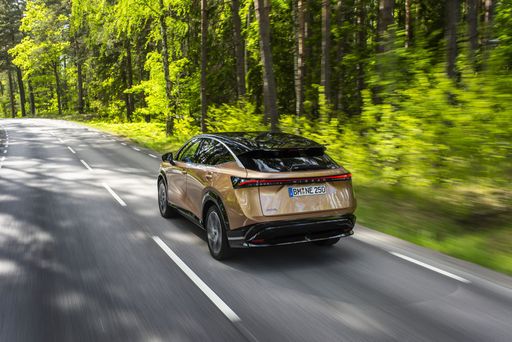
Nissan Ariya VS Omoda 5 sets up a simple choice: refined, roomy quietness versus punchy value and equipment. The Nissan Ariya leans into a calm, lounge‑like cabin and long‑distance composure, while the Omoda 5 undercuts with aggressive standard kit, a long warranty and a hybrid option that trims running costs. Buyers will feel the Ariya as a thoughtfully finished, comfort‑first SUV and the Omoda 5 as a cost‑efficient, feature‑heavy compact that asks you to accept a few compromises. Below we break down how those differences play out in everyday use, family life and city driving to help you decide which trade-offs matter most.
5

Cabin feel and perceived quality

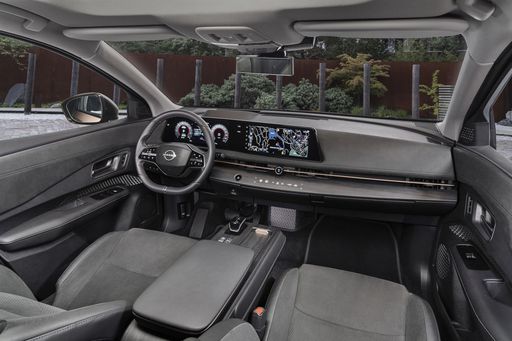
Inside the Nissan Ariya the materials, quieter environment and attention to tactile detail create a noticeably more premium impression from the driver’s seat. The Omoda 5 aims to impress instantly with big screens and lots of standard features, but its plastics and switchgear read more value‑oriented on close inspection. That means Ariya rewards repeated long‑term use—its cabin tends to feel less tiring and to age more gracefully—whereas Omoda sells immediate spec and gadgetry at the cost of a less refined tactile experience. For buyers who equate perceived quality with longevity and calmness, Ariya shows its strength; for those focused on kit per pound, Omoda’s first impression is hard to beat.

Ariya

Comfort and long-distance behavior

On the motorway the Nissan Ariya distinguishes itself through low noise, stable straight‑line manners and a suspension tuned for serenity, which reduces fatigue on long runs. Ariya’s available all‑wheel setup also adds composure in slippery conditions, reinforcing its touring credentials. The Omoda 5 is competent at speed but its softer, slightly waggish suspension and vaguer steering make long stints feel busier and less composed over imperfect surfaces. If your life includes frequent multi‑hour drives the Ariya’s refinement will feel like a daily benefit, while Omoda’s strengths lie more in efficient, shorter trips—especially in hybrid form—than in sustained motorway comfort.

Practicality, space and family usability

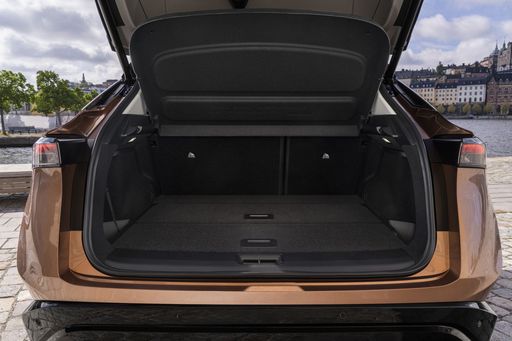
Families will notice the Nissan Ariya’s generous rear legroom, flat centre floor and a more usable luggage area that eases fitting child seats and weekend gear. The Omoda 5, although cleverly packaged up front, has a tighter rear cabin and a shallower, less flexible boot that quickly shows its limits with adult passengers or bulky cargo. Ariya does carry a practical caveat—no frunk and less boot with some drivetrain choices—but overall it delivers more passenger comfort and cargo practicality. Omoda compensates with clever storage up front and a compelling equipment list, so it suits buyers who prioritise initial affordability over absolute space.

City friendliness and daily usability

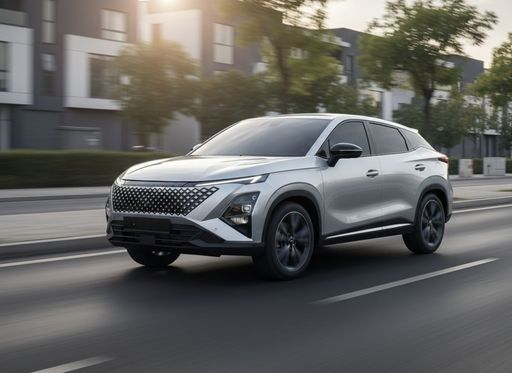
In urban use the Omoda 5 feels immediately handy: compact dimensions, cameras and a spec sheet that includes many comfort and safety features as standard make parking and short trips effortless. The Nissan Ariya also manages the city well thanks to smooth throttle response and calm ride quality, but its touch‑centric controls and a dated infotainment flow require more time to live with. Omoda can be more plug‑and‑play for everyday driving, though its assistant alerts and menu clutter can become annoying. Ariya’s optional faster AC charging and mature driver aids reward commuters who can top up at work or rely on calm, assisted motorway commutes, while Omoda’s hybrid avoids public charging for most short trips—each offers a different daily convenience.

Who should choose which car?

Choose the Nissan Ariya if interior quality, rear‑seat comfort and relaxed long‑distance travel are your priorities and you’re willing to pay for that refinement. It’s a strong match for families and steady commuters who value a serene cabin and reassuring stability more than headline price. Opt for the Omoda 5 if you want the most equipment for your money, a long warranty and the flexibility of a hybrid that keeps running costs down in town. It’s ideal for budget‑minded buyers who accept a tighter rear cabin and a softer chassis in exchange for value—read on to the technical comparison to see which of these practical strengths matters most for your usage pattern.

Here’s where it gets real: The technical differences in detail

Ariya

Costs and Efficiency:

When it comes to price and running costs, the biggest differences usually appear. This is often where you see which car fits your budget better in the long run.

Omoda 5 is significantly cheaper – starting at 24,800 £ , while the Nissan Ariya costs 54,800 £ . That’s a price difference of around 30,077 £.

In terms of energy consumption, the Omoda 5 is considerably more efficient: consuming 15.9 kWh/100km compared to 24.5 kWh/100km for the Nissan Ariya. That’s a difference of about 8.6 kWh/100km.

As for electric range, the Omoda 5 offers barely more range – reaching up to 430 km, about 13 km more than the Nissan Ariya.

5

Engine and Performance:

Power, torque and acceleration are the classic benchmarks for car enthusiasts – and here, some clear differences start to show.

When it comes to engine power, the Nissan Ariya offers substantially more power – delivering 435 HP compared to 224 HP. That’s roughly 211 HP more horsepower.

When accelerating from 0 to 100 km/h, the Nissan Ariya is considerably quicker – completing the sprint in 5 s, while the Omoda 5 takes 7.6 s. That’s about 2.6 s quicker.

There’s also a difference in torque: the Nissan Ariya delivers considerably more torque with 600 Nm compared to 340 Nm. That’s about 260 Nm more.

Ariya

Space and Everyday Use:

Beyond pure performance, interior space and usability matter most in daily life. This is where you see which car is more practical and versatile.

Both vehicles offer seating for 5 people.

In terms of curb weight, Omoda 5 is significantly lighter – 1,621 kg compared to 2,277 kg. The difference is around 656 kg.

Looking at boot space, the Nissan Ariya offers moderately more boot space – 415 L compared to 350 L. That’s a difference of about 65 L.

When it comes to payload, the Omoda 5 carries clearly more – 536 kg compared to 363 kg. That’s a difference of about 173 kg.

Who wins the race in the data check?

The Omoda 5 holds a solid overall lead in the objective data comparison.
This result only shows which model scores more points on paper – not which of the two cars feels right for you.

from £24,800
5

Omoda 5

  • Engine Type Electric, Full Hybrid
  • Transmission Automatic
  • Drive Type Front-Wheel Drive
  • Power HP 204 - 224 HP
  • Consumption L/100km 5.3 L/100km
  • Consumption kWh/100km 15.9 kWh/100km
  • Electric Range 430 km
Nissan Ariya
Omoda 5

Costs and Consumption

View detailed analysis

Engine and Performance

View detailed analysis

Dimensions and Body

View detailed analysis

Nissan Ariya

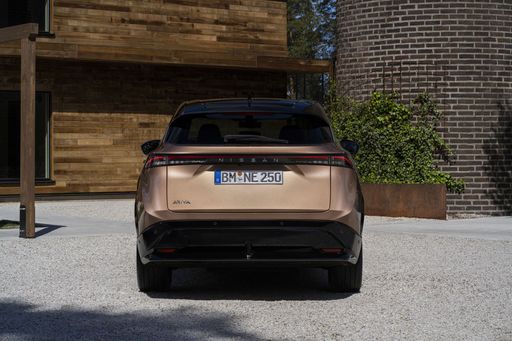
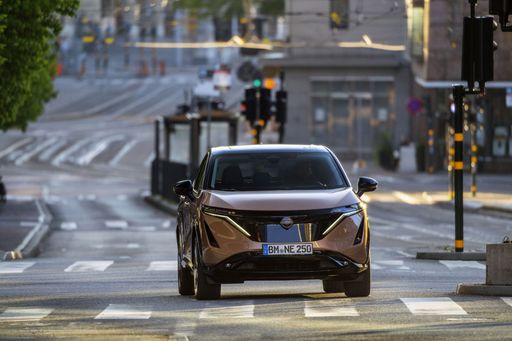
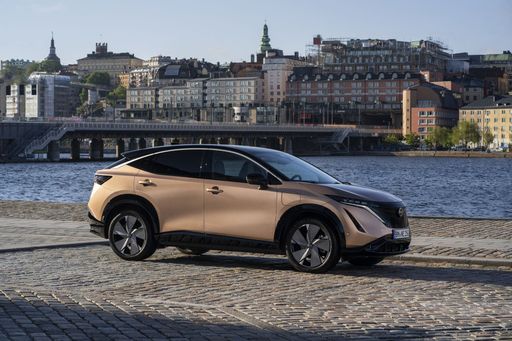
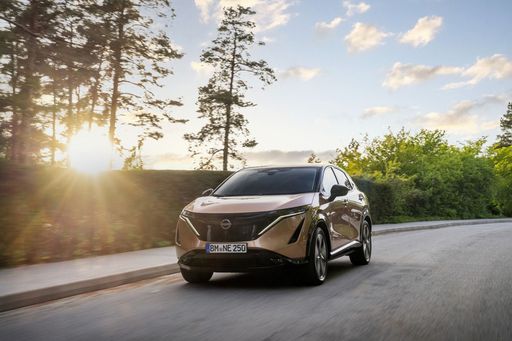
The Nissan Ariya wraps futuristic, sculpted styling around a calm, high-tech cabin, making the switch to electric feel surprisingly easy and grown-up. It’s a comfortable, sensible EV that favors everyday usability and clever packaging over headline-grabbing theatrics — ideal for buyers who want an elegant, low-fuss electric car without the ego.

details

Omoda 5

The Omoda 5 is a stylish compact crossover that catches the eye with a bold, contemporary look and a tech-forward cabin. It offers a comfortable ride and a surprisingly spacious interior, making it a practical yet distinctive choice for buyers who want modern features and solid value.

details
Nissan Ariya
Omoda 5

Costs and Consumption

Price
54,800 £
Price
24,800 - 31,600 £
Consumption L/100km
-
Consumption L/100km
5.3 L/100km
Consumption kWh/100km
24.5 kWh/100km
Consumption kWh/100km
15.9 kWh/100km
Electric Range
417 km
Electric Range
430 km
Battery Capacity
-
Battery Capacity
-
co2
0 g/km
co2
0 - 120 g/km
Fuel tank capacity
-
Fuel tank capacity
-

Dimensions and Body

Body Type
SUV
Body Type
SUV
Seats
5
Seats
5
Doors
-
Doors
-
Curb weight
2,277 kg
Curb weight
1,621 - 1,710 kg
Trunk capacity
415 L
Trunk capacity
300 - 350 L
Length
-
Length
-
Width
1,850 mm
Width
1,824 - 1,830 mm
Height
-
Height
-
Max trunk capacity
-
Max trunk capacity
-
Payload
363 kg
Payload
431 - 536 kg

Engine and Performance

Engine Type
Electric
Engine Type
Electric, Full Hybrid
Transmission
Automatic
Transmission
Automatic
Transmission Detail
Reduction Gearbox
Transmission Detail
Reduction Gearbox, Automatic Gearbox
Drive Type
All-Wheel Drive
Drive Type
Front-Wheel Drive
Power HP
435 HP
Power HP
204 - 224 HP
Acceleration 0-100km/h
5 s
Acceleration 0-100km/h
7.6 - 7.9 s
Max Speed
-
Max Speed
-
Torque
600 Nm
Torque
295 - 340 Nm
Number of Cylinders
-
Number of Cylinders
4
Power kW
320 kW
Power kW
150 - 165 kW
Engine capacity
-
Engine capacity
1,499 cm3

General

Model Year
2025
Model Year
2026
CO2 Efficiency Class
A
CO2 Efficiency Class
A, D
Brand
Nissan
Brand
Omoda
DriveDuel uses data analysis and artificial intelligence to evaluate vehicle data and create content. Content is regularly reviewed and improved. The displayed prices are estimates based on German list prices, adjusted to the respective country’s VAT. Country-specific registration taxes are not included. This information is not legally binding.