VS

Polestar 2 vs VW ID.4 comparison

Compare performance (476 HP vs 340 HP), boot space and price (42,000 £ vs 34,600 £ ) at a glance. Find out which car is the better choice for you – Polestar 2 or VW ID.4?

Polestar 2 vs VW ID.4: Key differences

Polestar 2

5 (1 Reviews)
rate
  • clearly more power
  • barely more efficient
  • slightly more electric range
  • visibly quicker 0–100 km/h

VW ID.4

4.5 (6 Reviews)
rate
  • visibly cheaper
  • only slightly lighter
  • clearly more trunk space

All details on performance, efficiency, range and trunk space can be found in the technical comparison below – including user reviews for both models.

2

An Electrifying Matchup: VW ID.4 vs Polestar 2

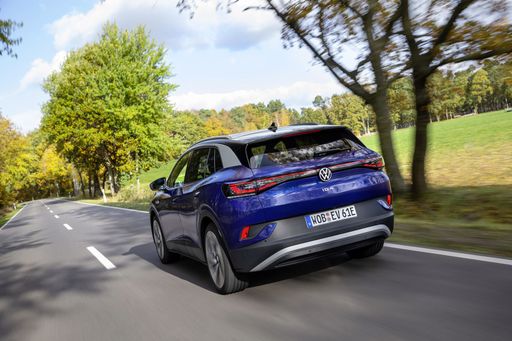
As the automotive industry continues to pivot towards electric mobility, two standout contenders have emerged on the market: the VW ID.4 and the Polestar 2. Both vehicles bring unique innovations, impressive performance, and sustainable driving to the table. In this article, we will explore the technical aspects and features that make these electric powerhouses desirable options for eco-conscious consumers.
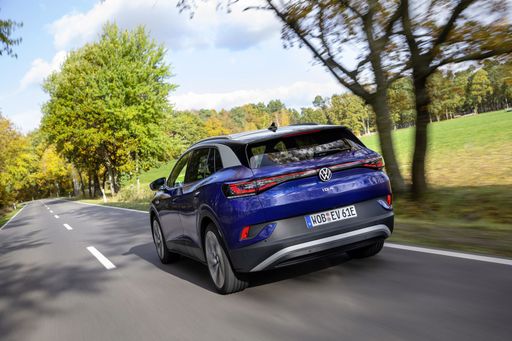
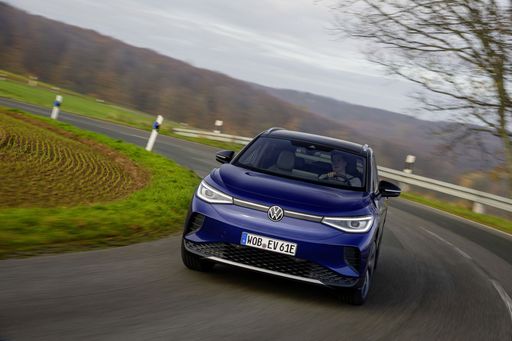
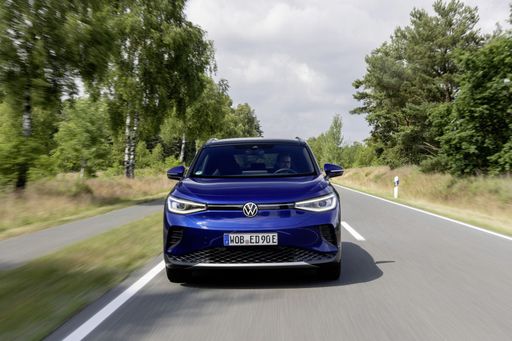
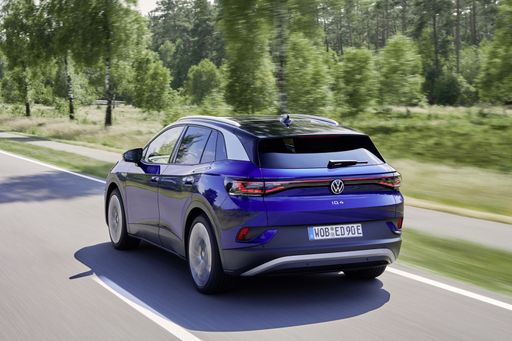
ID.4

Powertrain and Performance

Starting with powertrains, the VW ID.4 offers a range of configurations with power outputs varying between 170 to 340 HP, depending on the chosen model. Its efficient electric motors achieve acceleration from 0 to 100 km/h in as little as 5.4 seconds, making it a compelling choice for those seeking a combination of performance and environmental consciousness. The ID.4 can also deliver an impressive torque of up to 679 Nm.

In comparison, the Polestar 2 showcases even more robust performance metrics. With power outputs up to 476 HP, it accelerates from 0 to 100 km/h in just 4.2 seconds, aided by a maximum torque of 740 Nm. The Polestar 2 proves itself as a performance-oriented electric hatchback that can give sports cars a run for their money.

2

Battery and Range

Both vehicles come equipped with substantial battery capacity, but there are distinctions that set them apart. The VW ID.4 boasts battery options of 52 kWh and 77 kWh, providing a range of up to 572 km under optimal conditions. This makes it a versatile choice for daily commutes as well as longer excursions.

The Polestar 2 features a slightly larger battery capacity of up to 78 kWh, achieving an impressive electric range of up to 659 km. This gives it a competitive edge for those who frequently embark on long-distance drives without the anxiety of a dwindling battery.

ID.4

Efficiency and Consumption

In terms of efficiency, the VW ID.4 showcases a consumption rate ranging from 15.8 kWh/100km to 16.8 kWh/100km, depending on the configuration. Its focus on reducing energy expenditure makes it a practical choice for cost-conscious drivers.

The Polestar 2 earns its stripes here too, with a notable consumption rate of 14.7 kWh/100km, which reaffirms its status as not just a performance vehicle but also a kid brother to sustainability. Both vehicles fall under the CO2 efficiency class "A," highlighting their eco-friendly credentials.

2

Interior and Technology

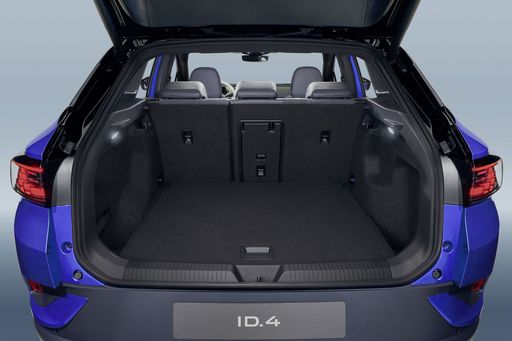
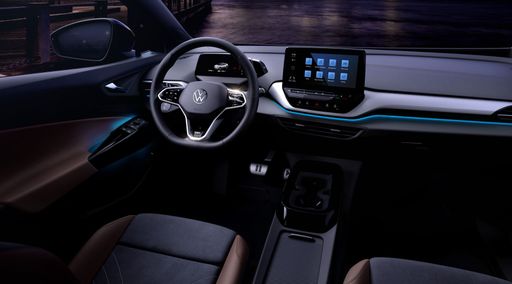
Inside, both the VW ID.4 and Polestar 2 emphasize modern design and user-friendly technology. The ID.4 offers a spacious interior with a comfortable seating capacity for five, alongside a trunk capacity of 543 liters, making it practical for families or those needing extra storage space.

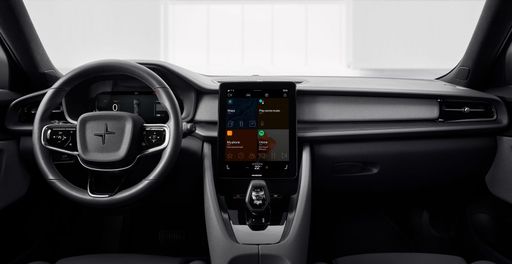
The Polestar 2, although slightly smaller with a trunk capacity of 405 liters, compensates with a driver-centric cockpit fitted with Google’s integrated infotainment system. This innovative tech provides seamless access to navigation, entertainment, and driving assistance features, enhancing the overall driving experience.

ID.4

Conclusion: Which EV Reigns Supreme?

In conclusion, the choice between the VW ID.4 and Polestar 2 boils down to personal preferences and priorities. If you prefer a larger SUV with ample storage space and versatile range, the ID.4 stands out. However, if exhilarating performance and cutting-edge technology are at the forefront of your automotive desires, the Polestar 2 is hard to beat. Both vehicles represent the future of electric mobility with their impressive features and sustainable credentials, making either a worthy addition to the electric vehicle market.

Video - VW ID.4

Video Thumbnail

Here’s where it gets real: The technical differences in detail

2

Costs and Efficiency:

Looking at overall running costs, both models reveal some interesting differences in everyday economy.

VW ID.4 is visibly cheaper – starting at 34,600 £ , while the Polestar 2 costs 42,000 £ . That’s a price difference of around 7,419 £.

In terms of energy consumption, the Polestar 2 is barely more efficient: consuming 14.8 kWh/100km compared to 15.6 kWh/100km for the VW ID.4. That’s a difference of about 0.8 kWh/100km.

As for electric range, the Polestar 2 offers slightly more range – reaching up to 659 km, about 90 km more than the VW ID.4.

ID.4

Engine and Performance:

Power, torque and acceleration say a lot about how a car feels on the road. This is where you see which model delivers more driving dynamics.

When it comes to engine power, the Polestar 2 offers clearly more power – delivering 476 HP compared to 340 HP. That’s roughly 136 HP more horsepower.

When accelerating from 0 to 100 km/h, the Polestar 2 is visibly quicker – completing the sprint in 4.2 s, while the VW ID.4 takes 5.4 s. That’s about 1.2 s quicker.

Looking at top speed, the Polestar 2 is a bit faster – reaching 205 km/h, while the VW ID.4 tops out at 180 km/h. The difference is around 25 km/h.

There’s also a difference in torque: the Polestar 2 delivers only slightly more torque with 740 Nm compared to 679 Nm. That’s about 61 Nm more.

2

Space and Everyday Use:

Cabin size, boot volume and payload all play a role in everyday practicality. Here, comfort and flexibility make the difference.

Both vehicles offer seating for 5 people.

In terms of curb weight, VW ID.4 is only slightly lighter – 1,975 kg compared to 2,015 kg. The difference is around 40 kg.

Looking at boot space, the VW ID.4 offers clearly more boot space – 543 L compared to 405 L. That’s a difference of about 138 L.

For maximum load capacity, the VW ID.4 offers noticeably more capacity – up to 1,575 L, about 480 L more than the Polestar 2.

When it comes to payload, the VW ID.4 carries clearly more – 551 kg compared to 421 kg. That’s a difference of about 130 kg.

Who wins the race in the data check?

The Polestar 2 comes out modestly ahead in the objective data comparison.
This result only shows which model scores more points on paper – not which of the two cars feels right for you.

from £42,000
2

Polestar 2

  • Engine Type : Electric
  • Transmission : Automatic
  • Drive Type : All-Wheel Drive, Rear-Wheel Drive
  • Power HP : 272 - 476 HP
  • Consumption kWh/100km : 14.8 - 16.8 kWh/100km
  • Electric Range : 554 - 659 km
Polestar 2
VW ID.4

Costs and Consumption

View detailed analysis

Engine and Performance

View detailed analysis

Dimensions and Body

View detailed analysis

Polestar 2

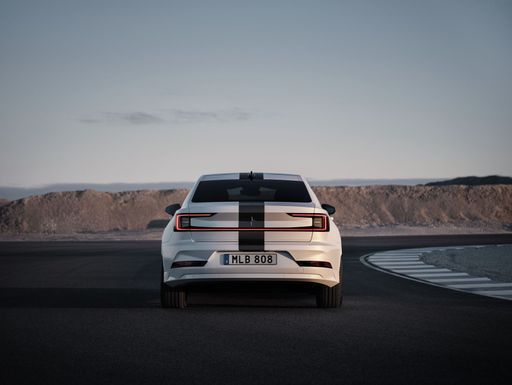
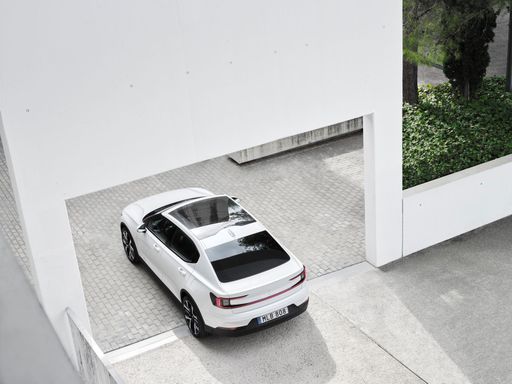
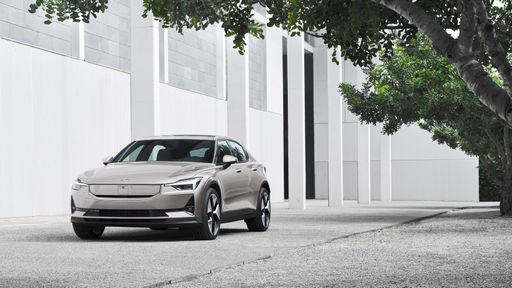
The Polestar 2 is a crisp, Scandinavian-styled electric liftback that pairs minimalist luxury with a focused, driver's attitude. It feels agile and composed whether you’re commuting or heading out for the weekend, with a tech-forward cabin and enough personality to make everyday driving a bit more fun.

details

VW ID.4

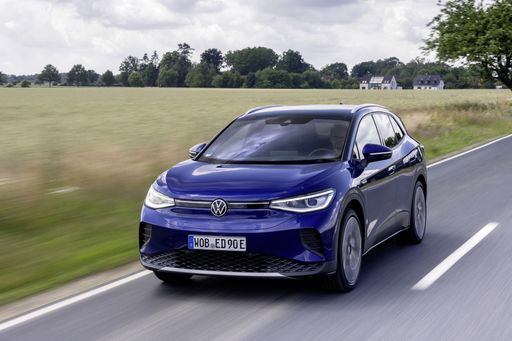
The VW ID.4 is a calm, roomy electric SUV that turns everyday driving into a quietly confident experience, its practical packaging and smooth manners tailored perfectly for family life. Volkswagen's solid build and intuitive interior tech mean you get electric practicality without the sci‑fi theatrics, making the ID.4 a sensible, surprisingly likable choice for most buyers.

details
Polestar 2
VW ID.4

Costs and Consumption

Price
42,000 - 57,400 £
Price
34,600 - 47,200 £
Consumption L/100km
-
Consumption L/100km
-
Consumption kWh/100km
14.8 - 16.8 kWh/100km
Consumption kWh/100km
15.6 - 17 kWh/100km
Electric Range
554 - 659 km
Electric Range
356 - 569 km
Battery Capacity
78 kWh
Battery Capacity
52 - 77 kWh
co2
0 g/km
co2
0 g/km
Fuel tank capacity
-
Fuel tank capacity
-

Dimensions and Body

Body Type
Sedan
Body Type
SUV
Seats
5
Seats
5
Doors
5
Doors
5
Curb weight
2,015 - 2,188 kg
Curb weight
1,975 - 2,248 kg
Trunk capacity
405 L
Trunk capacity
543 L
Length
4,606 mm
Length
4,582 - 4,584 mm
Width
1,859 mm
Width
1,852 mm
Height
1,473 - 1,479 mm
Height
1,619 - 1,634 mm
Max trunk capacity
1,095 L
Max trunk capacity
1,575 L
Payload
375 - 421 kg
Payload
515 - 551 kg

Engine and Performance

Engine Type
Electric
Engine Type
Electric
Transmission
Automatic
Transmission
Automatic
Transmission Detail
Reduction Gearbox
Transmission Detail
Reduction Gearbox
Drive Type
All-Wheel Drive, Rear-Wheel Drive
Drive Type
Rear-Wheel Drive, All-Wheel Drive
Power HP
272 - 476 HP
Power HP
170 - 340 HP
Acceleration 0-100km/h
4.2 - 6.4 s
Acceleration 0-100km/h
5.4 - 9 s
Max Speed
205 km/h
Max Speed
160 - 180 km/h
Torque
490 - 740 Nm
Torque
310 - 679 Nm
Number of Cylinders
-
Number of Cylinders
-
Power kW
200 - 350 kW
Power kW
125 - 250 kW
Engine capacity
-
Engine capacity
-

General

Model Year
2,024
Model Year
2,023 - 2,025
CO2 Efficiency Class
A
CO2 Efficiency Class
A
Brand
Polestar
Brand
VW
DriveDuel uses data analysis and artificial intelligence to evaluate vehicle data and create content. Content is regularly reviewed and improved. The displayed prices are estimates based on German list prices, adjusted to the respective country’s VAT. Country-specific registration taxes are not included. This information is not legally binding.