VS

Polestar 4 vs Polestar 2 comparison

Compare performance (544 HP vs 476 HP), boot space and price (53,100 £ vs 42,000 £ ) at a glance. Find out which car is the better choice for you – Polestar 4 or Polestar 2?

Polestar 4 vs Polestar 2: Key differences

Polestar 4

4.8 (9 Reviews)
rate
  • moderately more power
  • a bit quicker 0–100 km/h
  • clearly more trunk space
details

Polestar 2

5 (1 Reviews)
rate
  • visibly cheaper
  • noticeably more efficient
  • very slightly more electric range
  • a bit lighter
details

All details on performance, efficiency, range and trunk space can be found in the technical comparison below – including user reviews for both models.

By Achim Sedelmaier

4

Street Presence and Personality

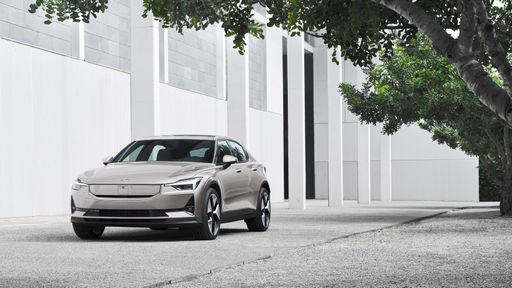
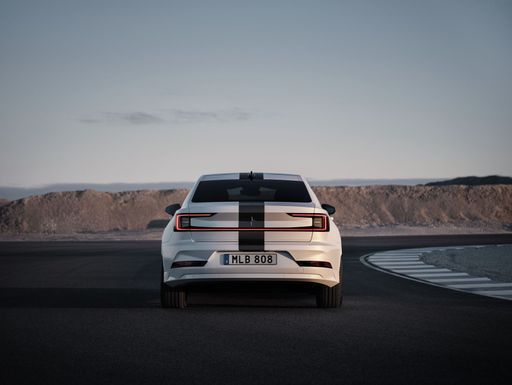
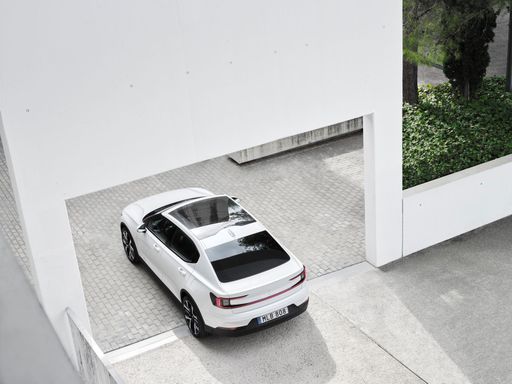
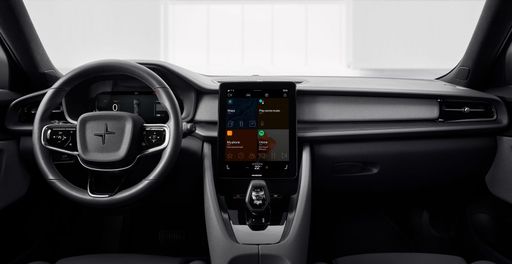
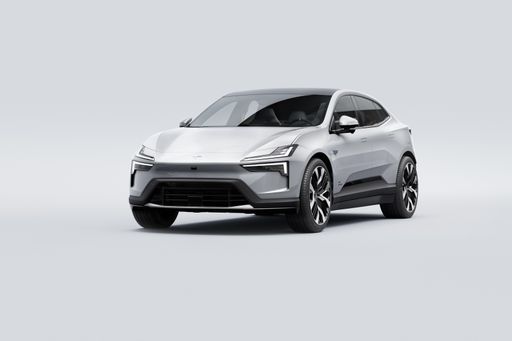
The two Polestars speak the same design language but with different accents: the Polestar 2 is the quietly confident, minimalist hatch that blends in with Scandinavian restraint, while the Polestar 4 arrives with a more dramatic, coupé‑SUV silhouette that asks for a second look. Both feel premium from a distance, yet the 4’s proportions give it a more athletic, head-turning stance whereas the 2 leans into elegant understatement. Pick based on whether you want to be seen or simply appreciated.
2

What It's Like to Drive Them

On the move the characters diverge: the Polestar 4 plays the sportier role with a more assertive shove and a composed chassis that rewards brisk inputs, while the Polestar 2 feels lighter and more effortless in everyday traffic, making it an agreeable companion for city runs and long motorway cruises alike. Both deliver the instant response you expect from EVs, but their temperaments suit different moods — one is more keen to hustle, the other prefers a balanced stride. Either way, steering and brakes feel well judged rather than theatrical.

4

Practicality When the Rubber Meets the Road

When you start loading the weekend kit, the differences become practical rather than stylistic: the Polestar 4 offers a roomier, more flexible package for families and those who cart wide or bulky items, while the Polestar 2 wins on ease of use in tighter urban environments and feels less fussy to live with day to day. Interior storage and user-friendly touches matter here, and both cars show Polestar’s focus on sensible packaging rather than gimmicks. Choose based on how often you’ll haul passengers or cargo versus how often you’ll thread through the city.

2

Cabin Comfort and Everyday Livability

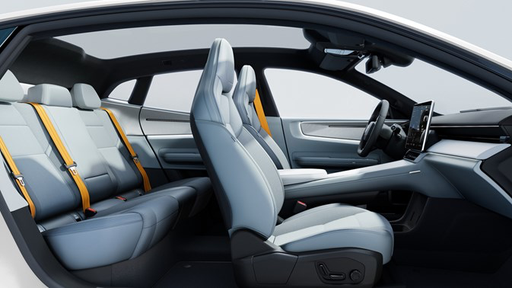
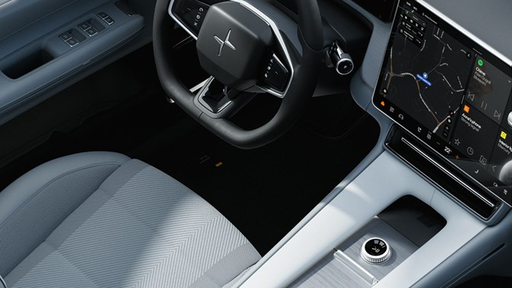
Materials and ergonomics sit comfortably in premium territory on both models, with simple, airy cabins that favour clean lines over visual clutter; the Polestar 4 feels slightly more spacious and lofty, while the Polestar 2 wraps the driver in a snug, focused environment. Seats are supportive for longer journeys, and the overall tuning prioritises comfort without numbing engagement. Both interiors feel durable and well thought out for daily life.

4

How They Handle Real Roads

On imperfect surfaces the two adopt different strategies: the heavier, more planted demeanour of the Polestar 4 soaks up high‑speed undulations with confidence, whereas the lighter, nimbler Polestar 2 offers crisper turn‑in and a sense of agility through tighter bends. Ride quality is tuned to match each car’s personality rather than to appeal to the same buyer, so your preference will hinge on whether you favour composed stability or engaging agility. Both deliver a composed, assured experience that’s easy to live with day after day.

2

Who Should Put One in the Driveway?

If you’re after a stylish all‑rounder with extra space and a presence that leans sporty, the Polestar 4 stacks up as the natural choice for families and drivers who want a bit more versatility; if you prioritise ease of use in the city, a lighter footprint and a more restrained aesthetic, the Polestar 2 makes a convincing case. Both appeal to buyers who value refined materials, straightforward tech and a premium electric experience without unnecessary fuss. Keep reading — the DriveDuel Champion will be revealed afterwards.

Here’s where it gets real: The technical differences in detail

4

Costs and Efficiency:

Looking at overall running costs, both models reveal some interesting differences in everyday economy.

Polestar 2 is visibly cheaper – starting at 42,000 £ , while the Polestar 4 costs 53,100 £ . That’s a price difference of around 11,066 £.

In terms of energy consumption, the Polestar 2 is noticeably more efficient: consuming 14.8 kWh/100km compared to 17.8 kWh/100km for the Polestar 4. That’s a difference of about 3 kWh/100km.

As for electric range, the Polestar 2 offers very slightly more range – reaching up to 659 km, about 39 km more than the Polestar 4.

2

Engine and Performance:

Power, torque and acceleration are the classic benchmarks for car enthusiasts – and here, some clear differences start to show.

When it comes to engine power, the Polestar 4 offers moderately more power – delivering 544 HP compared to 476 HP. That’s roughly 68 HP more horsepower.

When accelerating from 0 to 100 km/h, the Polestar 4 is a bit quicker – completing the sprint in 3.8 s, while the Polestar 2 takes 4.2 s. That’s about 0.4 s quicker.

Looking at top speed, the Polestar 2 is barely faster – reaching 205 km/h, while the Polestar 4 tops out at 200 km/h. The difference is around 5 km/h.

There’s also a difference in torque: the Polestar 2 delivers marginally more torque with 740 Nm compared to 686 Nm. That’s about 54 Nm more.

4

Space and Everyday Use:

Beyond pure performance, interior space and usability matter most in daily life. This is where you see which car is more practical and versatile.

Both vehicles offer seating for 5 people.

In terms of curb weight, Polestar 2 is a bit lighter – 2,015 kg compared to 2,230 kg. The difference is around 215 kg.

Looking at boot space, the Polestar 4 offers clearly more boot space – 526 L compared to 405 L. That’s a difference of about 121 L.

For maximum load capacity, the Polestar 4 offers markedly more capacity – up to 1,536 L, about 441 L more than the Polestar 2.

When it comes to payload, the Polestar 4 carries marginally more – 455 kg compared to 421 kg. That’s a difference of about 34 kg.

Who wins the race in the data check?

The Polestar 4 is slightly ahead in the objective data comparison.
This result only shows which model scores more points on paper – not which of the two cars feels right for you.

from £53,100
4

Polestar 4

  • Engine Type : Electric
  • Transmission : Automatic
  • Drive Type : All-Wheel Drive, Rear-Wheel Drive
  • Power HP : 272 - 544 HP
  • Consumption kWh/100km : 17.8 - 18.7 kWh/100km
  • Electric Range : 590 - 620 km
Polestar 4
Polestar 2

Costs and Consumption

View detailed analysis

Engine and Performance

View detailed analysis

Dimensions and Body

View detailed analysis

Polestar 4

The Polestar 4 wears a coupe-like profile and a Scandinavian-minimal interior that feels premium and unexpectedly roomy, with composed handling that makes urban driving and country roads a pleasure. For buyers who want an electric car that turns heads without shouting, the Polestar 4 is a stylish, clever choice that balances practicality with personality.

details

Polestar 2

The Polestar 2 is a crisp, Scandinavian-styled electric liftback that pairs minimalist luxury with a focused, driver's attitude. It feels agile and composed whether you’re commuting or heading out for the weekend, with a tech-forward cabin and enough personality to make everyday driving a bit more fun.

details
Polestar 4
Polestar 2

Costs and Consumption

Price
53,100 - 59,900 £
Price
42,000 - 57,400 £
Consumption L/100km
-
Consumption L/100km
-
Consumption kWh/100km
17.8 - 18.7 kWh/100km
Consumption kWh/100km
14.8 - 16.8 kWh/100km
Electric Range
590 - 620 km
Electric Range
554 - 659 km
Battery Capacity
94 kWh
Battery Capacity
78 kWh
co2
0 g/km
co2
0 g/km
Fuel tank capacity
-
Fuel tank capacity
-

Dimensions and Body

Body Type
SUV
Body Type
Sedan
Seats
5
Seats
5
Doors
5
Doors
5
Curb weight
2,230 - 2,355 kg
Curb weight
2,015 - 2,188 kg
Trunk capacity
526 L
Trunk capacity
405 L
Length
4,840 mm
Length
4,606 mm
Width
2,008 mm
Width
1,859 mm
Height
1,534 mm
Height
1,473 - 1,479 mm
Max trunk capacity
1,536 L
Max trunk capacity
1,095 L
Payload
455 kg
Payload
375 - 421 kg

Engine and Performance

Engine Type
Electric
Engine Type
Electric
Transmission
Automatic
Transmission
Automatic
Transmission Detail
Reduction Gearbox
Transmission Detail
Reduction Gearbox
Drive Type
All-Wheel Drive, Rear-Wheel Drive
Drive Type
All-Wheel Drive, Rear-Wheel Drive
Power HP
272 - 544 HP
Power HP
272 - 476 HP
Acceleration 0-100km/h
3.8 - 7.1 s
Acceleration 0-100km/h
4.2 - 6.4 s
Max Speed
200 km/h
Max Speed
205 km/h
Torque
343 - 686 Nm
Torque
490 - 740 Nm
Number of Cylinders
-
Number of Cylinders
-
Power kW
200 - 400 kW
Power kW
200 - 350 kW
Engine capacity
-
Engine capacity
-

General

Model Year
2024
Model Year
2024
CO2 Efficiency Class
A
CO2 Efficiency Class
A
Brand
Polestar
Brand
Polestar
DriveDuel uses data analysis and artificial intelligence to evaluate vehicle data and create content. Content is regularly reviewed and improved. The displayed prices are estimates based on German list prices, adjusted to the respective country’s VAT. Country-specific registration taxes are not included. This information is not legally binding.