VS

Renault Scénic vs Ford Explorer EV comparison

Compare performance (218 HP vs 340 HP), boot space and price (34,600 £ vs 34,200 £ ) at a glance. Find out which car is the better choice for you – Renault Scénic or Ford Explorer EV?

Renault Scénic vs Ford Explorer EV: Key differences

Renault Scénic

5 (1 Reviews)
rate
  • marginally lighter
  • a bit more trunk space

Ford Explorer EV

4.9 (3 Reviews)
rate
  • very slightly cheaper
  • visibly more power
  • moderately more efficient
  • only slightly more electric range
  • significantly quicker 0–100 km/h

All details on performance, efficiency, range and trunk space can be found in the technical comparison below – including user reviews for both models.

Scénic

The automotive market is witnessing a shift towards electrification, and two standout models capturing attention are the Ford Explorer EV and Renault Scénic. As electric SUVs, both vehicles offer impressive specifications and innovative features that aim to provide a thrilling and environmentally friendly driving experience. In this comparison article, we will delve into the technical aspects, performance metrics, and unique innovations of these two remarkable contenders.
Explorer EV

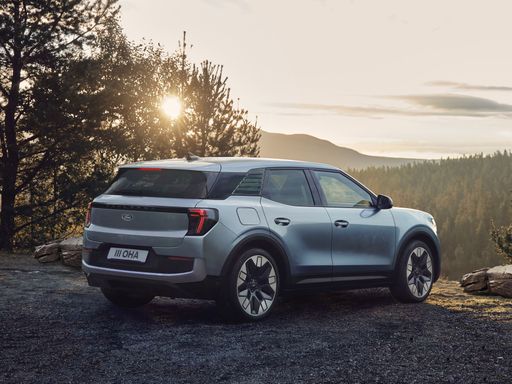
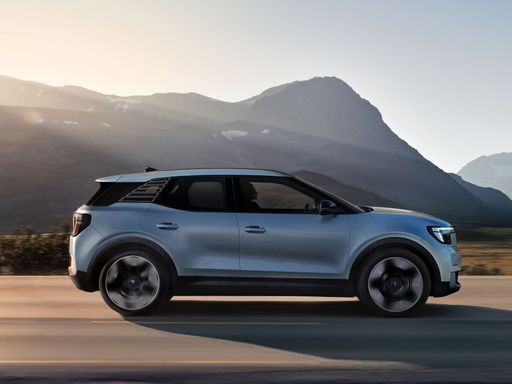
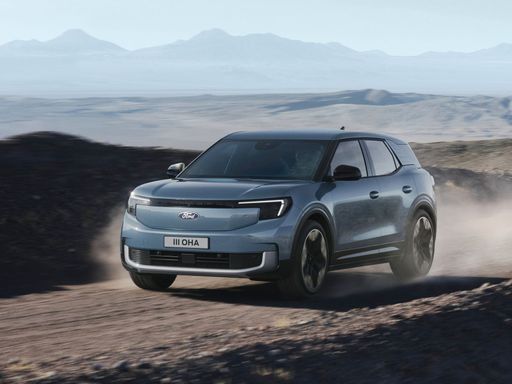
Overview of the Ford Explorer EV

The Ford Explorer EV is designed for versatility and performance, coming in both rear-wheel drive and all-wheel drive configurations. With a powerful electric motor range producing between 170 to 340 HP, it caters to a diverse audience, whether they need a robust vehicle for family adventures or a sporty option for daily commuting.

Weighing in at 2090 to 2167 kg, the Explorer boasts impressive torque ratings, with a maximum output of up to 679 Nm. It accelerates from 0-100 km/h in as fast as 5.3 seconds, delivering power when the driver needs it. With an electric consumption of 13.9 to 16.6 kWh/100 km, it maintains a respectable efficiency while offering a substantial electric range of 384 to 602 km based on the battery variants of 52 to 79 kWh.

Scénic

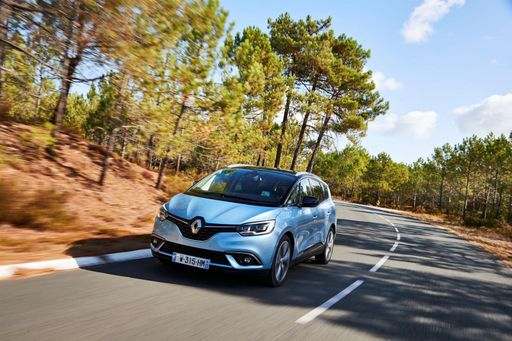
Renault Scénic: A Closer Look

Renault’s Scénic also competes strongly in the electric SUV segment. This vehicle offers a power range from 170 to 220 HP, with a torque output reaching up to 300 Nm. Weighing between 1822 and 1927 kg, the Scénic is slightly lighter than the Explorer, contributing to its agility and responsiveness on the road.

Notably, the Scénic demonstrates a 0-100 km/h acceleration time of 7.9 to 8.6 seconds, which, while not as swift as the Explorer, still offers a satisfactory driving experience. Consumption figures stand at 16.7 to 17.6 kWh/100 km, which is slightly higher than its competitor, resulting in an electric range that spans from 420 to 598 km depending on the chosen version.

Explorer EV

Comparative Performance Analysis

When comparing performance capabilities, the Ford Explorer EV takes the lead, particularly in acceleration and electric range. Its ability to reach 0-100 km/h in as little as 5.3 seconds underscores its sporty DNA, attracting drivers looking for a spirited ride. On the other hand, the Renault Scénic, while less powerful, still offers a balanced performance suitable for everyday use.

Both models feature automatic transmissions with reduction gearboxes that enhance efficiency and driving comfort, but the Explorer’s broader power range provides greater versatility for varying driving conditions and styles.

Scénic

Interior Space and Practicality

Comfort and utility are paramount considerations for SUV buyers. The Ford Explorer EV offers a trunk capacity of 445 to 450 liters, making it practical for family outings and commerce. It comfortably seats five passengers, ensuring ample space for everyone.

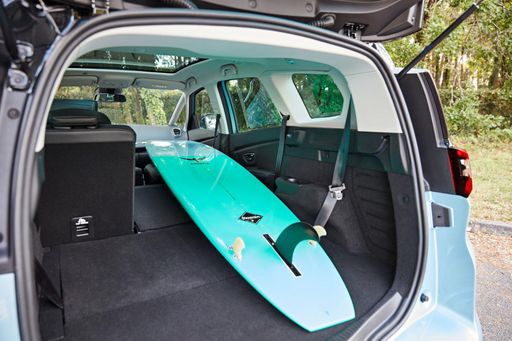
Meanwhile, the Renault Scénic outshines in trunk capacity, boasting 545 liters, providing more room for luggage and gear. Both models accommodate up to five passengers, making them suitable choices for families or groups.

Explorer EV

Technological Innovations and Features

Both SUVs incorporate modern technology to enhance the driving experience. The Ford Explorer EV is equipped with cutting-edge infotainment systems, advanced driver assistance features, and connectivity options tailored for the digital age. Its high-tech dashboard seamlessly integrates navigation, entertainment, and vehicle diagnostics, ensuring drivers stay informed.

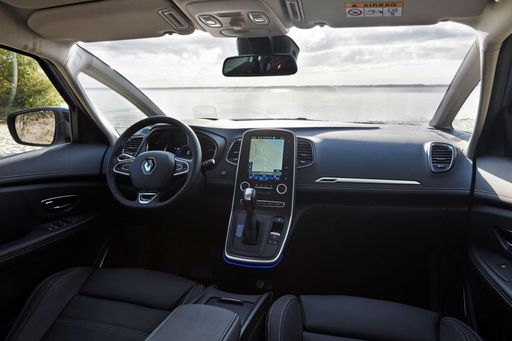
The Renault Scénic equally enriches its offerings with innovative features aimed at enhancing convenience, including advanced safety systems, adaptive cruise control, and various customizable driving modes, allowing drivers to fine-tune their experience based on preference and driving environment.

Scénic

Conclusion: Which SUV Wins?

Choosing between the Ford Explorer EV and Renault Scénic ultimately hinges on individual priorities. For those seeking sporty performance and extended range, the Explorer EV stands out as the clear choice. Conversely, the Scénic, with its superior trunk space and balanced efficiency, caters to practical-minded buyers looking for a versatile electric SUV.

As both models continue to push the boundaries of what electric SUVs can offer, they epitomize the ongoing revolution in the automotive industry. Whether you prioritize power, efficiency, or space, the Ford Explorer EV and Renault Scénic both present compelling arguments for any electric vehicle enthusiast.

Here’s where it gets real: The technical differences in detail

Scénic

Costs and Efficiency:

Price and efficiency are key factors when choosing a car – and this is often where the real differences emerge.

Ford Explorer EV is very slightly cheaper – starting at 34,200 £ , while the Renault Scénic costs 34,600 £ . That’s a price difference of around 428 £.

In terms of energy consumption, the Ford Explorer EV is moderately more efficient: consuming 14.6 kWh/100km compared to 16.6 kWh/100km for the Renault Scénic. That’s a difference of about 2 kWh/100km.

As for electric range, the Ford Explorer EV offers only slightly more range – reaching up to 602 km, about 4 km more than the Renault Scénic.

Explorer EV

Engine and Performance:

Power, torque and acceleration are the classic benchmarks for car enthusiasts – and here, some clear differences start to show.

When it comes to engine power, the Ford Explorer EV offers visibly more power – delivering 340 HP compared to 218 HP. That’s roughly 122 HP more horsepower.

When accelerating from 0 to 100 km/h, the Ford Explorer EV is significantly quicker – completing the sprint in 5.3 s, while the Renault Scénic takes 7.9 s. That’s about 2.6 s quicker.

There’s also a difference in torque: the Ford Explorer EV delivers considerably more torque with 679 Nm compared to 300 Nm. That’s about 379 Nm more.

Scénic

Space and Everyday Use:

Whether family car or daily driver – which one offers more room, flexibility and comfort?

Both vehicles offer seating for 5 people.

In terms of curb weight, Renault Scénic is marginally lighter – 1,822 kg compared to 1,996 kg. The difference is around 174 kg.

Looking at boot space, the Renault Scénic offers a bit more boot space – 545 L compared to 472 L. That’s a difference of about 73 L.

When it comes to payload, the Ford Explorer EV carries slightly more – 585 kg compared to 518 kg. That’s a difference of about 67 kg.

Who wins the race in the data check?

The Ford Explorer EV is decisively ahead in the objective data comparison.
This result only shows which model scores more points on paper – not which of the two cars feels right for you.

from £34,200
Explorer EV

Ford Explorer EV

  • Engine Type : Electric
  • Transmission : Automatic
  • Drive Type : Rear-Wheel Drive, All-Wheel Drive
  • Power HP : 190 - 340 HP
  • Consumption kWh/100km : 14.6 - 17.3 kWh/100km
  • Electric Range : 417 - 602 km
Renault Scénic
Ford Explorer EV

Costs and Consumption

View detailed analysis

Engine and Performance

View detailed analysis

Dimensions and Body

View detailed analysis

Renault Scénic

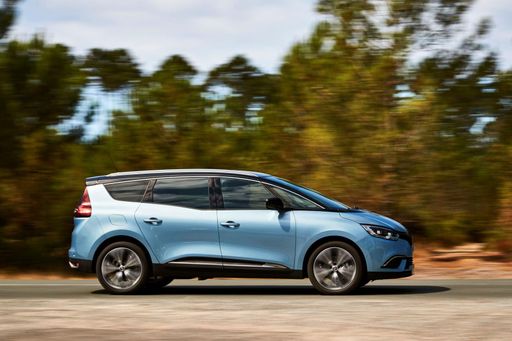
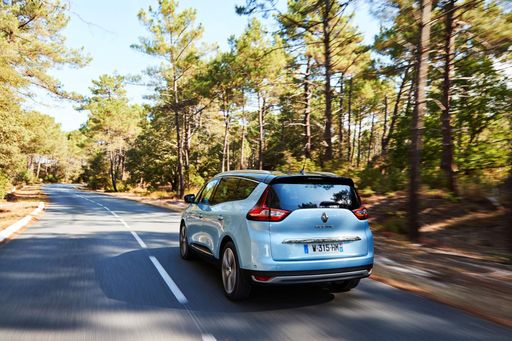
The Renault Scénic is a quietly clever family MPV that balances everyday practicality with unexpected flair, offering a roomy, flexible cabin that makes school runs and weekend escapes less of a chore. It won't dazzle like a sports car, but its composed ride, sensible tech and thoughtful storage solutions make it a superbly pragmatic choice for buyers who prefer substance with a wink.

details

Ford Explorer EV

The Ford Explorer EV translates the familiar big‑American SUV presence into whisper‑quiet electric motoring, offering roomy seating and a tech‑forward cabin that will please families and road‑trippers alike. It drives with more composure than its boxy looks suggest, blending a comfortable ride and eager acceleration while undercutting the guilt of gas stops — a practical, modern alternative for buyers who want Explorer space with electric charm.

details
Renault Scénic
Ford Explorer EV

Costs and Consumption

Price
34,600 - 44,000 £
Price
34,200 - 48,800 £
Consumption L/100km
-
Consumption L/100km
-
Consumption kWh/100km
16.6 - 17.5 kWh/100km
Consumption kWh/100km
14.6 - 17.3 kWh/100km
Electric Range
420 - 598 km
Electric Range
417 - 602 km
Battery Capacity
-
Battery Capacity
-
co2
0 g/km
co2
0 g/km
Fuel tank capacity
-
Fuel tank capacity
-

Dimensions and Body

Body Type
SUV
Body Type
SUV
Seats
5
Seats
5
Doors
5
Doors
-
Curb weight
1,822 - 1,927 kg
Curb weight
1,996 - 2,209 kg
Trunk capacity
545 L
Trunk capacity
472 L
Length
4,470 mm
Length
-
Width
1,864 mm
Width
1,872 mm
Height
1,571 mm
Height
-
Max trunk capacity
1,670 L
Max trunk capacity
-
Payload
514 - 518 kg
Payload
531 - 585 kg

Engine and Performance

Engine Type
Electric
Engine Type
Electric
Transmission
Automatic
Transmission
Automatic
Transmission Detail
Reduction Gearbox
Transmission Detail
Reduction Gearbox
Drive Type
Front-Wheel Drive
Drive Type
Rear-Wheel Drive, All-Wheel Drive
Power HP
170 - 218 HP
Power HP
190 - 340 HP
Acceleration 0-100km/h
7.9 - 8.6 s
Acceleration 0-100km/h
5.3 - 8 s
Max Speed
150 - 170 km/h
Max Speed
-
Torque
280 - 300 Nm
Torque
350 - 679 Nm
Number of Cylinders
-
Number of Cylinders
-
Power kW
125 - 160 kW
Power kW
140 - 250 kW
Engine capacity
-
Engine capacity
-

General

Model Year
2,025
Model Year
2,026
CO2 Efficiency Class
A
CO2 Efficiency Class
A
Brand
Renault
Brand
Ford
DriveDuel uses data analysis and artificial intelligence to evaluate vehicle data and create content. Content is regularly reviewed and improved. The displayed prices are estimates based on German list prices, adjusted to the respective country’s VAT. Country-specific registration taxes are not included. This information is not legally binding.