
 Deutschland
 France
 Nederland
 Great Britain
 Sverige
 Danmark
 Suomi
Suomi Italia
 Polska
 España
VS
SERES 3 vs Toyota Yaris Cross comparison
Compare performance (163 HP vs 130 HP), boot space and price (32900 £ vs 23700 £ ) at a glance. Find out which car is the better choice for you – SERES 3 or Toyota Yaris Cross?
3
Costs and Efficiency:
Looking at overall running costs, both models reveal some interesting differences in everyday economy.
Toyota Yaris Cross has a evident advantage in terms of price – it starts at 23700 £ , while the SERES 3 costs 32900 £ . That’s a price difference of around 9223 £.
Yaris Cross
Engine and Performance:
Power, torque and acceleration say a lot about how a car feels on the road. This is where you see which model delivers more driving dynamics.
When it comes to engine power, the SERES 3 has a evident edge – offering 163 HP compared to 130 HP. That’s roughly 33 HP more horsepower.
In acceleration from 0 to 100 km/h, the SERES 3 is barely noticeable quicker – completing the sprint in 9.90 s, while the Toyota Yaris Cross takes 10.70 s. That’s about 0.80 s faster.
Space and Everyday Use:
Whether family car or daily driver – which one offers more room, flexibility and comfort?
Both vehicles offer seating for 5 people.
In curb weight, Toyota Yaris Cross is significantly lighter – 1180 kg compared to 1765 kg. The difference is around 585 kg.
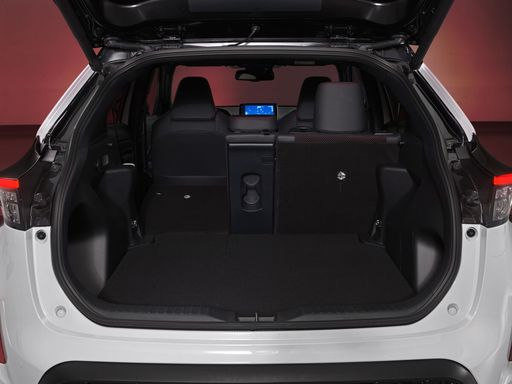
In terms of boot space, the Toyota Yaris Cross offers convincingly more room – 397 L compared to 0 L. That’s a difference of about 397 L.
When it comes to payload, Toyota Yaris Cross significantly takes the win – 510 kg compared to 300 kg. That’s a difference of about 210 kg.
Who wins the race in the data check?
The Toyota Yaris Cross is decisively ahead in the objective data comparison.
This result only shows which model scores more points on paper – not which of the two cars feels right for you.
SERES 3
Toyota Yaris Cross
Costs and Consumption
View detailed analysis
View detailed analysis
Engine and Performance
View detailed analysis
View detailed analysis
Dimensions and Body
View detailed analysis
View detailed analysis
from about £23,700
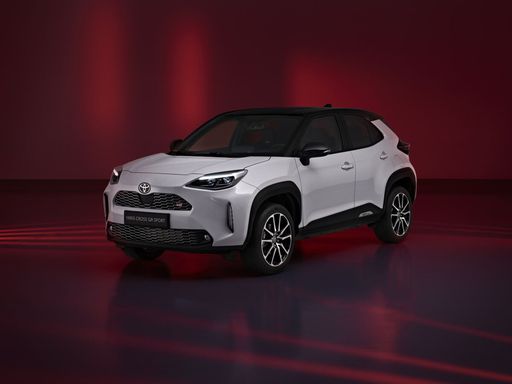
Toyota Yaris Cross
SERES 3
The SERES 3 arrives as a zippy, well-equipped compact electric that puts everyday usability ahead of headline-grabbing theatrics. It’s an honest, budget-friendly choice for city commuters who want a bit of style and low running costs without a showroom ego.
details
Toyota Yaris Cross
4 (7 Reviews)
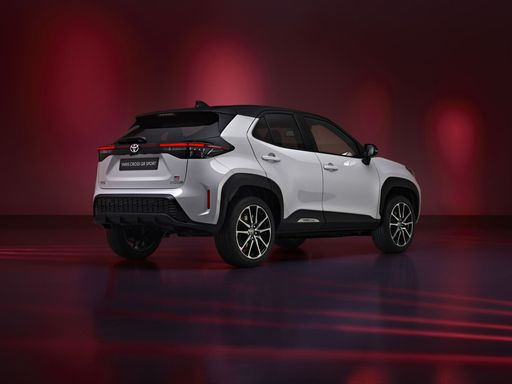
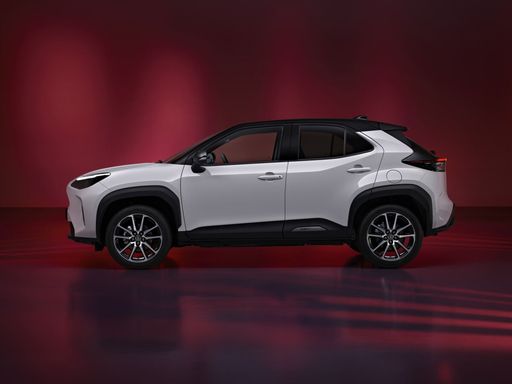
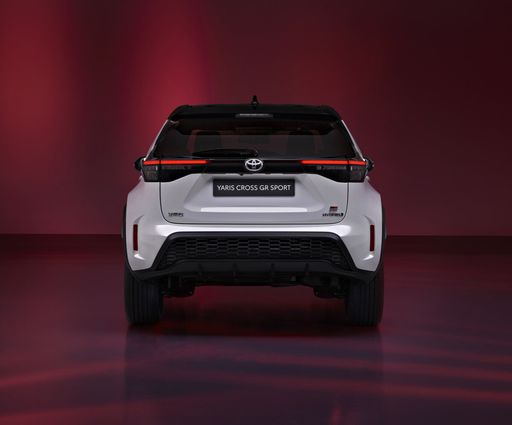
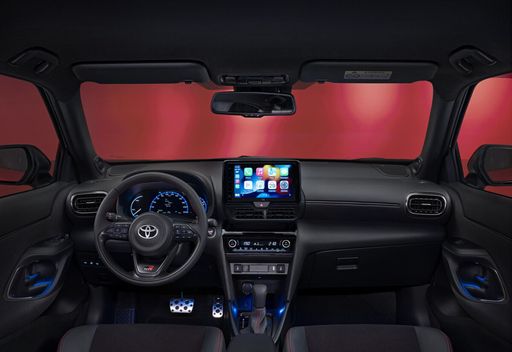
The Toyota Yaris Cross takes the jaunty personality of the Yaris and gives it a taller stance and a bit more practicality, so you get city-friendly agility with added SUV presence. It’s easy to live with, economical on the daily grind, and smartly packaged — a sensible pick for buyers who want fuss-free transport with a touch of character.
details

SERES 3
Toyota Yaris Cross
Costs and Consumption |
|
|---|---|
|
Price
32900 £
|
Price
23700 - 34300 £
|
|
Consumption L/100km
-
|
Consumption L/100km
4.5 - 4.8 L
|
|
Consumption kWh/100km
18 kWh
|
Consumption kWh/100km
-
|
|
Electric Range
301 km
|
Electric Range
-
|
|
Battery Capacity
-
|
Battery Capacity
-
|
|
co2
0 g/km
|
co2
101 - 108 g/km
|
|
Fuel tank capacity
-
|
Fuel tank capacity
-
|
Dimensions and Body |
|
|---|---|
|
Body Type
SUV
|
Body Type
SUV
|
|
Seats
5
|
Seats
5
|
|
Doors
-
|
Doors
-
|
|
Curb weight
1765 kg
|
Curb weight
1180 - 1290 kg
|
|
Trunk capacity
0 L
|
Trunk capacity
320 - 397 L
|
|
Length
-
|
Length
-
|
|
Width
1850 mm
|
Width
1765 mm
|
|
Height
-
|
Height
-
|
|
Max trunk capacity
-
|
Max trunk capacity
-
|
|
Payload
300 kg
|
Payload
485 - 510 kg
|
Engine and Performance |
|
|---|---|
|
Engine Type
Electric
|
Engine Type
Full Hybrid
|
|
Transmission
Automatic
|
Transmission
Automatic
|
|
Transmission Detail
Reduction Gearbox
|
Transmission Detail
CVT
|
|
Drive Type
Front-Wheel Drive
|
Drive Type
Front-Wheel Drive, All-Wheel Drive
|
|
Power HP
163 HP
|
Power HP
116 - 130 HP
|
|
Acceleration 0-100km/h
9.90 s
|
Acceleration 0-100km/h
10.7 - 11.3 s
|
|
Max Speed
-
|
Max Speed
-
|
|
Torque
300 Nm
|
Torque
-
|
|
Number of Cylinders
-
|
Number of Cylinders
3
|
|
Power kW
120 kW
|
Power kW
85 - 96 kW
|
|
Engine capacity
-
|
Engine capacity
1490 cm3
|
General |
|
|---|---|
|
Model Year
2020
|
Model Year
2026
|
|
CO2 Efficiency Class
A
|
CO2 Efficiency Class
C
|
|
Brand
SERES
|
Brand
Toyota
|
What drive types are available for the SERES 3?
The SERES 3 is available as Front-Wheel Drive.
The prices shown are estimates based on German list prices, adjusted for local VAT. Local registration taxes (e.g. NoVA, BPM or CO2 malus) are not included. This information is not legally binding.