VS

Skoda Karoq vs Suzuki S-Cross comparison

Compare performance (190 HP vs 110 HP), boot space and price (29,100 £ vs 21,800 £ ) at a glance. Find out which car is the better choice for you – Skoda Karoq or Suzuki S-Cross?

Skoda Karoq vs Suzuki S-Cross: Key differences

Skoda Karoq

4.6 (2 Reviews)
rate
  • substantially more power
  • barely more efficient
  • slightly more trunk space
details

Suzuki S-Cross

4.7 (4 Reviews)
rate
  • visibly cheaper
  • barely lighter
details

All details on performance, efficiency, range and trunk space can be found in the technical comparison below – including user reviews for both models.

By Achim Sedelmaier

Karoq

Skoda Karoq and Suzuki S-Cross — a quick overview

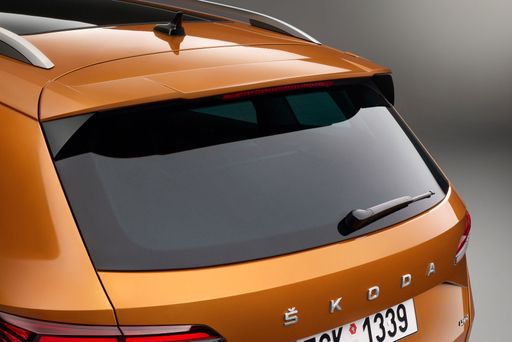
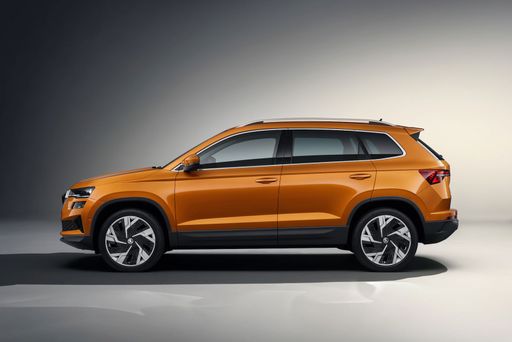
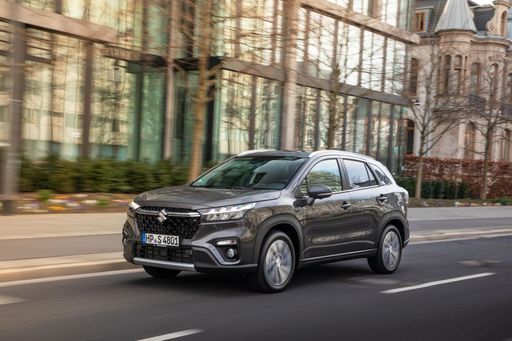
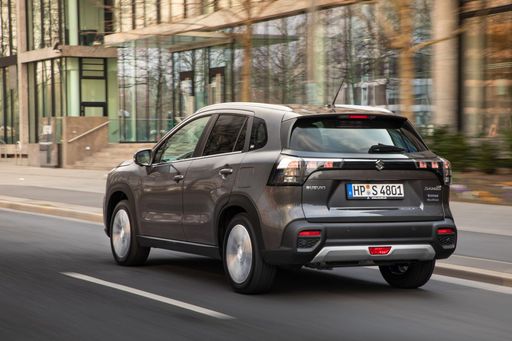
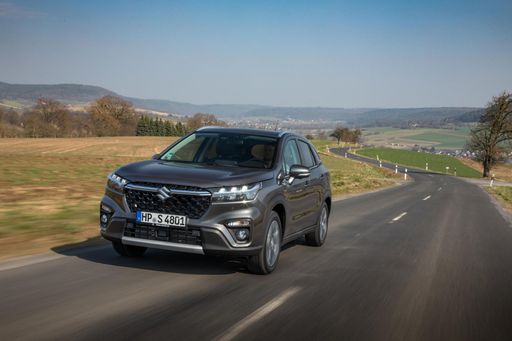
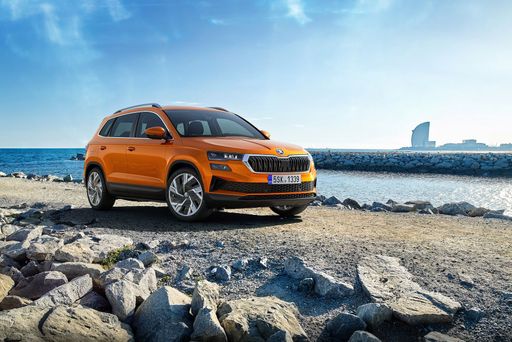
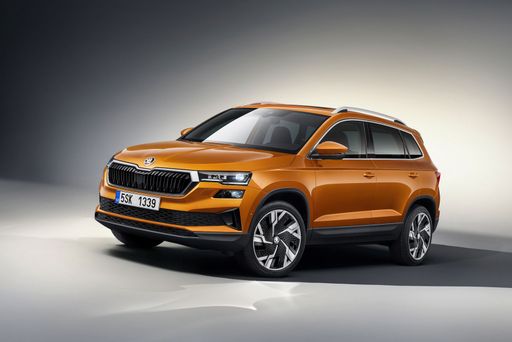
The Skoda Karoq and Suzuki S-Cross arrive at the compact SUV fight with different priorities: the Karoq aims for quiet, roomy practicality while the S-Cross sells affordability, simple usability and optional traction. In this Skoda Karoq VS Suzuki S-Cross matchup you’ll notice one car that leans into refinement and everyday cleverness, and another that trades polish for equipment and light-footedness. Buyers who value a composed motorway cruiser and a highly usable boot will feel the Karoq’s strengths right away. Those after a lower purchase price, easy controls and an available all‑wheel drive will be more drawn to the S‑Cross. The remainder of this comparison unpacks how those priorities play out in daily life rather than in spec sheets.
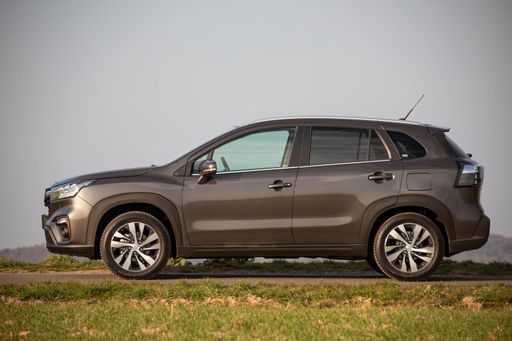
S-Cross

Character and driving behavior

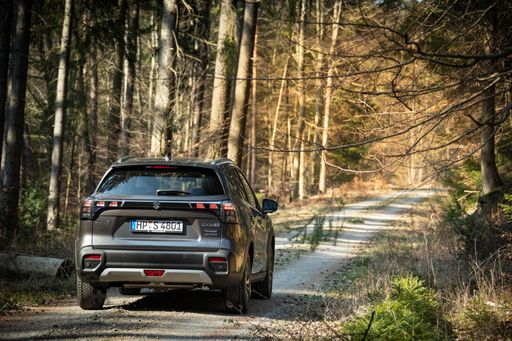
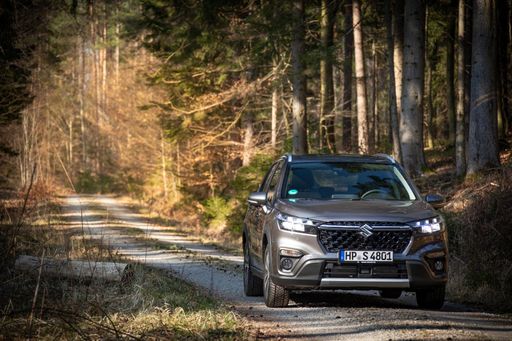
The Skoda Karoq drives like a settled, planted family car — it soaks up long distances, holds a straight line and rewards calm inputs with predictable responses. The Suzuki S‑Cross is lighter and feels more willing around town, with easy steering and a softer ride that masks potholes, but it becomes noticeably louder and less refined at motorway speeds. Where the Karoq’s power delivery and stability suit long commutes and towing duties, the S‑Cross’s livelier mild‑hybrid setup and lighter curb weight make it feel more nimble in urban traffic. The trade‑off is clear: Karoq for composed confidence on longer trips, S‑Cross for relaxed, economical city driving and occasional off‑piste traction with ALLGRIP.

Karoq

Comfort and cabin feel

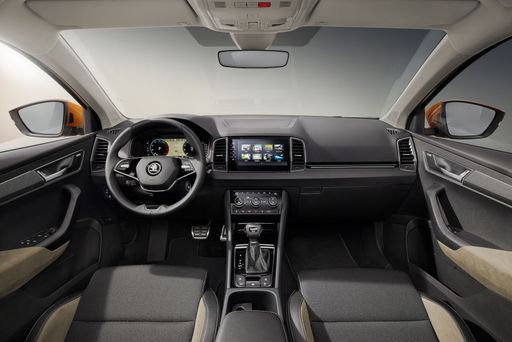
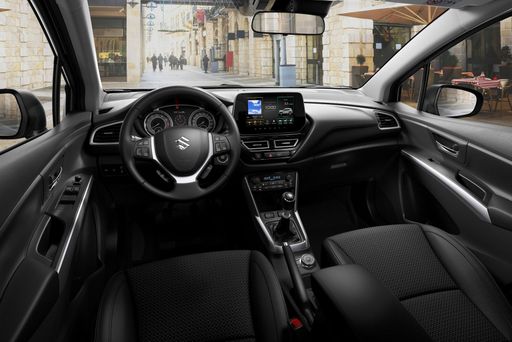
Step inside the Skoda Karoq and the impression is of thoughtful ergonomics, useful storage nooks and generally quieter surroundings — materials are solid if not lavish. The Suzuki S‑Cross keeps things straightforward: plenty of physical buttons and a functional layout that’s easy to live with, but much more hard plastic and a cabin that feels less insulated. On long journeys the Karoq’s lower noise levels and more composed seats make fatigue less likely, whereas the S‑Cross’s softer suspension helps in town but allows more tyre and wind noise to enter the cabin at speed. If perceived quality and acoustic calm matter, Karoq takes the edge; if tactile simplicity and immediacy of controls matter, S‑Cross wins points.

S-Cross

Practicality and load‑carrying

Practicality is a headline for the Skoda Karoq: a larger, more flexible luggage area and optional modular seating give it the upper hand when you need to load bikes, suitcases or a week’s shopping. The Suzuki S‑Cross is no slouch with a very usable 430‑litre layout on its mild‑hybrid versions and a clever two‑level floor, but some of its hybrid variants sacrifice cargo space to packaging. Families who regularly rearrange seats, carry varied loads or tow will appreciate the Karoq’s versatility and towing capability more. For buyers who prioritise a tidy day‑to‑day boot and don’t need maximum capacity, the S‑Cross still offers a sensible compromise.

Karoq

Everyday usability and technology

Both cars keep the learning curve low, but they go about it differently: the Karoq pairs modern smartphone integration with a tidy menu structure and a few simple, clever details that reward frequent use. The S‑Cross doubles down on physical switches and a straightforward instrument layout that feels intuitive the moment you sit down, though its infotainment can lag behind in speed and polish. Cost matters here: the S‑Cross tends to undercut the Karoq at purchase and includes a strong equipment list for the money, while the Karoq asks for options to unlock some of its most useful features. Practically, the Karoq feels slightly more up‑to‑date and premium; the S‑Cross feels utilitarian and very easy to operate without fuss.

S-Cross

Buyer fit — who should choose which car?

Choose the Skoda Karoq if your days include long motorway runs, family trips with lots of luggage, occasional towing or if you prize a quieter, more mature cabin with useful storage ideas. Opt for the Suzuki S‑Cross if budget, low running costs and a straightforward, button‑centric cockpit with the option of genuine AWD matter more than showroom‑grade refinement. The decision becomes a question of trade‑offs: Karoq trades a higher purchase price for space, quiet and towing capability; S‑Cross trades some acoustic comfort and perceived material quality for affordability, ease of use and optional traction. Read on to the technical comparison to see how those practical differences map to engines, cargo figures and equipment specifics.

Here’s where it gets real: The technical differences in detail

Karoq

Costs and Efficiency:

Price and efficiency are often the first things buyers look at. Here it becomes clear which model has the long-term edge – whether at the pump, the plug, or in purchase price.

Suzuki S-Cross is visibly cheaper – starting at 21,800 £ , while the Skoda Karoq costs 29,100 £ . That’s a price difference of around 7,320 £.

Fuel consumption also shows a difference: the Skoda Karoq uses 4.9 L/100km and is barely more efficient than the Suzuki S-Cross with 5.3 L/100km. The difference is about 0.4 L/100km.

S-Cross

Engine and Performance:

Power, torque and acceleration are the classic benchmarks for car enthusiasts – and here, some clear differences start to show.

When it comes to engine power, the Skoda Karoq offers substantially more power – delivering 190 HP compared to 110 HP. That’s roughly 80 HP more horsepower.

There’s also a difference in torque: the Skoda Karoq delivers noticeably more torque with 360 Nm compared to 235 Nm. That’s about 125 Nm more.

Karoq

Space and Everyday Use:

Cabin size, boot volume and payload all play a role in everyday practicality. Here, comfort and flexibility make the difference.

Both vehicles offer seating for 5 people.

In terms of curb weight, Suzuki S-Cross is barely lighter – 1,280 kg compared to 1,380 kg. The difference is around 100 kg.

Looking at boot space, the Skoda Karoq offers slightly more boot space – 521 L compared to 430 L. That’s a difference of about 91 L.

When it comes to payload, the Skoda Karoq carries clearly more – 549 kg compared to 405 kg. That’s a difference of about 144 kg.

Who wins the race in the data check?

The Skoda Karoq is clearly superior overall in the objective data comparison.
This result only shows which model scores more points on paper – not which of the two cars feels right for you.

from £29,100
Karoq

Skoda Karoq

  • Engine Type : Petrol, Diesel
  • Transmission : Manuel, Automatic
  • Drive Type : Front-Wheel Drive, All-Wheel Drive
  • Power HP : 115 - 190 HP
  • Consumption L/100km : 4.9 - 7.6 L/100km
Skoda Karoq
Suzuki S-Cross

Costs and Consumption

View detailed analysis

Engine and Performance

View detailed analysis

Dimensions and Body

View detailed analysis

Skoda Karoq

Skoda Karoq is a smartly packaged compact SUV that balances practical family-friendly space with composed handling, making daily drives feel easy and assured. Its straightforward design, roomy cabin with clever storage solutions, and sensible equipment make it a strong choice for buyers seeking value and versatility without fuss.

details

Suzuki S-Cross

The Suzuki S-Cross is a practical, well-built compact crossover that puts comfort, efficiency and everyday reliability first. With a roomy cabin, straightforward technology and sensible design, it’s a no-nonsense choice for buyers seeking a versatile family car.

details
Skoda Karoq
Suzuki S-Cross

Costs and Consumption

Price
29,100 - 41,700 £
Price
21,800 - 34,200 £
Consumption L/100km
4.9 - 7.6 L/100km
Consumption L/100km
5.3 - 5.8 L/100km
Consumption kWh/100km
-
Consumption kWh/100km
-
Electric Range
-
Electric Range
-
Battery Capacity
-
Battery Capacity
-
co2
128 - 173 g/km
co2
119 - 138 g/km
Fuel tank capacity
-
Fuel tank capacity
-

Dimensions and Body

Body Type
SUV
Body Type
SUV
Seats
5
Seats
5
Doors
-
Doors
-
Curb weight
1,380 - 1,655 kg
Curb weight
1,280 - 1,385 kg
Trunk capacity
521 L
Trunk capacity
430 L
Length
-
Length
-
Width
1,841 mm
Width
1,785 mm
Height
-
Height
-
Max trunk capacity
-
Max trunk capacity
-
Payload
456 - 549 kg
Payload
395 - 405 kg

Engine and Performance

Engine Type
Petrol, Diesel
Engine Type
Petrol MHEV
Transmission
Manuel, Automatic
Transmission
Manuel, Automatic
Transmission Detail
Manual Gearbox, Dual-Clutch Automatic
Transmission Detail
Manual Gearbox, Automatic Gearbox
Drive Type
Front-Wheel Drive, All-Wheel Drive
Drive Type
Front-Wheel Drive, All-Wheel Drive
Power HP
115 - 190 HP
Power HP
110 HP
Acceleration 0-100km/h
7 - 11.2 s
Acceleration 0-100km/h
-
Max Speed
-
Max Speed
-
Torque
200 - 360 Nm
Torque
235 Nm
Number of Cylinders
3 - 4
Number of Cylinders
4
Power kW
85 - 140 kW
Power kW
81 kW
Engine capacity
999 - 1,984 cm3
Engine capacity
1,373 cm3

General

Model Year
2025
Model Year
2025
CO2 Efficiency Class
D, E, F
CO2 Efficiency Class
D, E
Brand
Skoda
Brand
Suzuki
DriveDuel uses data analysis and artificial intelligence to evaluate vehicle data and create content. Content is regularly reviewed and improved. The displayed prices are estimates based on German list prices, adjusted to the respective country’s VAT. Country-specific registration taxes are not included. This information is not legally binding.