VS

Suzuki S-Cross vs Kia Niro comparison

Compare performance (110 HP vs 138 HP), boot space and price (21,800 £ vs 29,100 £ ) at a glance. Find out which car is the better choice for you – Suzuki S-Cross or Kia Niro?

Suzuki S-Cross vs Kia Niro: Key differences

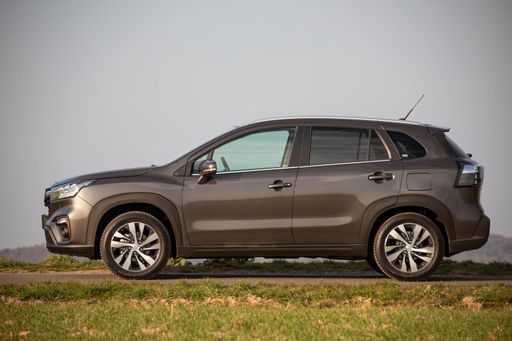
Suzuki S-Cross

4.7 (4 Reviews)
rate
  • visibly cheaper
  • slightly lighter
details

Kia Niro

4.5 (3 Reviews)
rate
  • visibly more power
  • somewhat more efficient
details

All details on performance, efficiency, range and trunk space can be found in the technical comparison below – including user reviews for both models.

By Achim Sedelmaier

S-Cross

When it comes to compact SUVs, the Kia Niro and Suzuki S-Cross are two prominent contenders that have captured the attention of automotive enthusiasts looking for practicality, efficiency, and advanced technology. Both vehicles bristle with features designed to meet the diverse needs of modern drivers. This comparison will delve into the technical specifications, innovations, and overall driving experience of these two popular models.
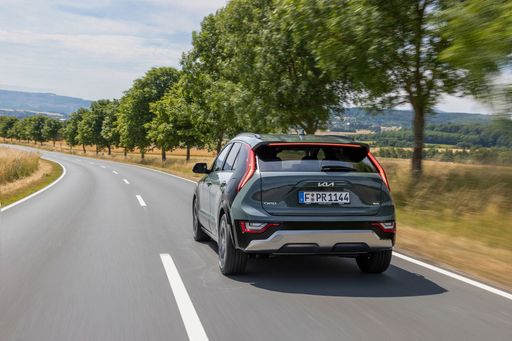
Niro

Design and Dimensions

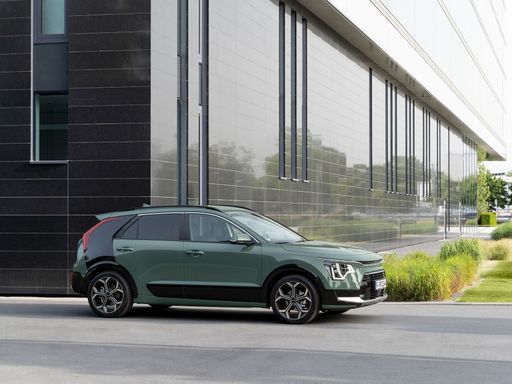
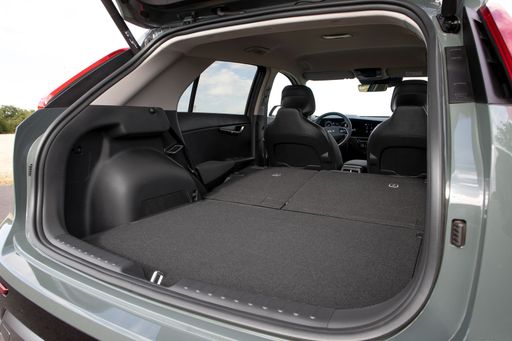
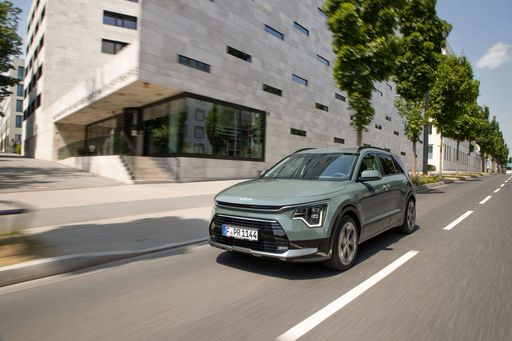
The Kia Niro showcases a contemporary SUV silhouette with a length of 4420 mm, a width of 1825 mm, and a height of 1545 mm. This compact form lends itself well to urban driving while providing ample interior space, with a trunk capacity of 451 liters.

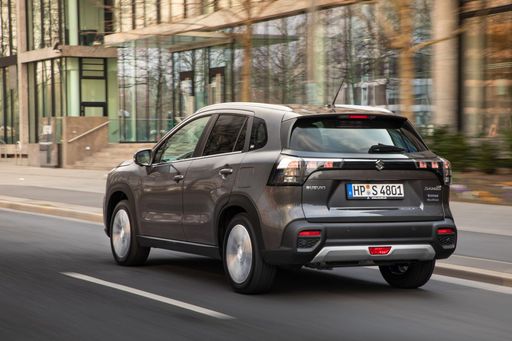
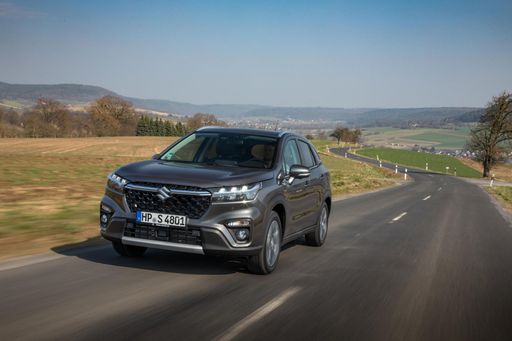
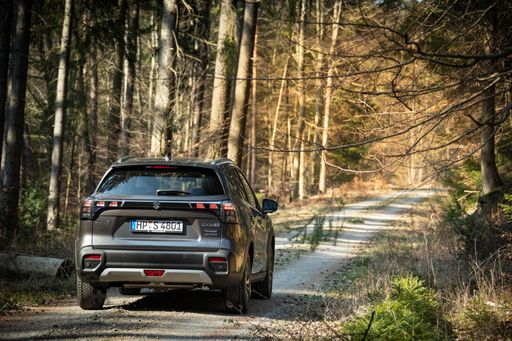
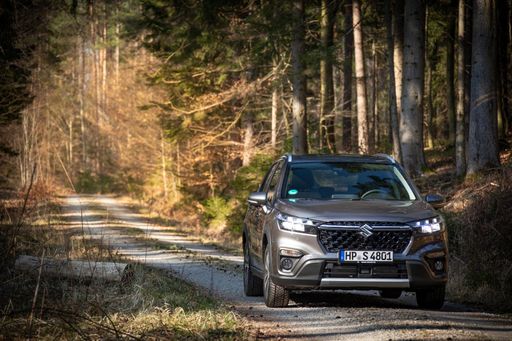
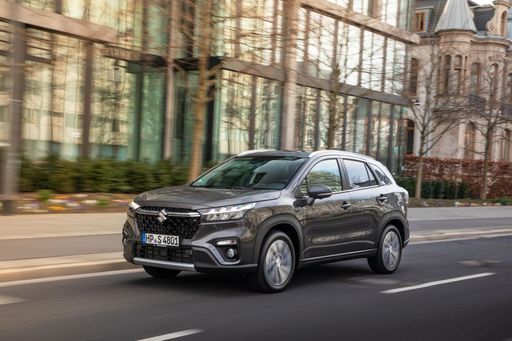
On the other hand, the Suzuki S-Cross measures 4300 mm in length, 1785 mm in width, and 1580 mm in height. It offers a slightly smaller trunk capacity of 430 liters, although it maintains a rugged appearance that enhances its off-road capability.

S-Cross

Powertrain Options

The Niro comes equipped with a choice of two hybrid engines: a full hybrid engine producing 129 HP and a plug-in hybrid variant offering a robust 171 HP. Its efficiency is commendable, with fuel consumption figures as low as 4.4 liters per 100 km and a CO2 output of only 100 g/km for the eco-conscious driver.

Conversely, the Suzuki S-Cross offers a full hybrid engine rated at 116 HP and a petrol mild-hybrid engine with a maximum output of 129 HP. While slightly less powerful, the S-Cross boasts respectable fuel consumption ranging from 5.1 to 5.8 liters per 100 km, reflecting its versatility for both city and countryside driving.

Niro

Transmission and Driving Experience

Both models provide automatic transmission options. The Kia Niro is available with a dual-clutch automatic transmission for a smooth driving experience, while the S-Cross offers a choice between automated manual and traditional manual gearboxes. The driving characteristics of each vehicle differ; the Niro delivers a refined ride suitable for urban environments, while the S-Cross presents a slightly sportier and responsive handling profile.

S-Cross

Performance and Acceleration

The acceleration figures tell an interesting story. The Niro is capable of reaching 0-100 km/h in approximately 11.3 seconds, making it a bit slower compared to the Suzuki S-Cross, which achieves the same sprint in just 9.5 seconds. This performance advantage could make the S-Cross a more enticing choice for those who enjoy spirited driving.

In terms of top speed, the S-Cross again takes the lead, with a maximum speed of 195 km/h, compared to the Niro’s top speed of 160 km/h, reinforcing its sporty credentials.

Niro

Safety and Innovation

Safety features are paramount in both models. The Kia Niro is equipped with an array of advanced driver-assistance systems (ADAS) including adaptive cruise control, lane-keeping assist, and collision avoidance technology, earning it commendable safety ratings. Meanwhile, the Suzuki S-Cross also provides numerous safety innovations, such as Suzuki Safety Support technologies that enhance the driving experience by promoting safety through monitoring and assistance features.

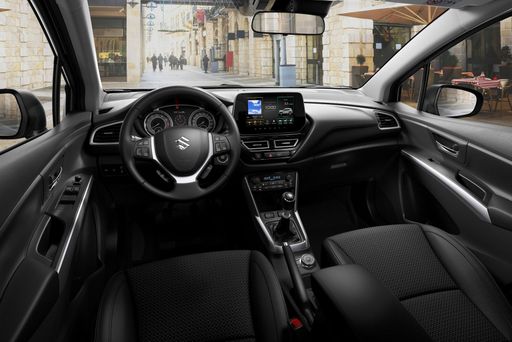
S-Cross

Interior Features and Comfort

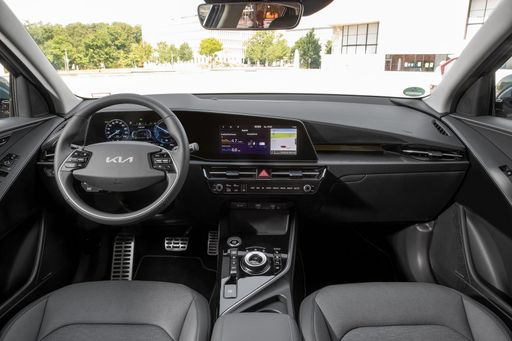
Stepping inside, the Kia Niro offers a modern cabin with high-quality materials and a user-friendly infotainment system. With five seats, it prioritizes comfort and versatility, making it an ideal choice for families.

While the S-Cross maintains a functional interior with solid build quality, it doesn’t quite match the premium feel of the Niro. However, it still provides a spacious cabin that comfortably seats five and ensures a pleasant journey for all occupants.

Niro

Conclusion: Which SUV Comes Out On Top?

Choosing between the Kia Niro and Suzuki S-Cross largely hinges on individual preferences and driving needs. If fuel efficiency, advanced technology, and interior comfort are top priorities, the Kia Niro may be the way to go. However, for those seeking spirited performance, all-round versatility, and a rugged aesthetic, the Suzuki S-Cross presents a compelling alternative. Ultimately, both SUVs offer excellent value and capabilities, perfectly aligning with the demands of today’s drivers.

Here’s where it gets real: The technical differences in detail

S-Cross

Costs and Efficiency:

When it comes to price and running costs, the biggest differences usually appear. This is often where you see which car fits your budget better in the long run.

Suzuki S-Cross is visibly cheaper – starting at 21,800 £ , while the Kia Niro costs 29,100 £ . That’s a price difference of around 7,372 £.

Fuel consumption also shows a difference: the Kia Niro uses 4.5 L/100km and is somewhat more efficient than the Suzuki S-Cross with 5.3 L/100km. The difference is about 0.8 L/100km.

Niro

Engine and Performance:

Power, torque and acceleration are the classic benchmarks for car enthusiasts – and here, some clear differences start to show.

When it comes to engine power, the Kia Niro offers visibly more power – delivering 138 HP compared to 110 HP. That’s roughly 28 HP more horsepower.

There’s also a difference in torque: the Kia Niro delivers somewhat more torque with 265 Nm compared to 235 Nm. That’s about 30 Nm more.

S-Cross

Space and Everyday Use:

Whether family car or daily driver – which one offers more room, flexibility and comfort?

Both vehicles offer seating for 5 people.

In terms of curb weight, Suzuki S-Cross is slightly lighter – 1,280 kg compared to 1,474 kg. The difference is around 194 kg.

When it comes to payload, the Kia Niro carries moderately more – 466 kg compared to 405 kg. That’s a difference of about 61 kg.

Who wins the race in the data check?

The Kia Niro stands well ahead of its rival in the objective data comparison.
This result only shows which model scores more points on paper – not which of the two cars feels right for you.

from £29,100
Niro

Kia Niro

  • Engine Type : Full Hybrid
  • Transmission : Automatic
  • Drive Type : Front-Wheel Drive
  • Power HP : 138 HP
  • Consumption L/100km : 4.5 - 4.9 L/100km
Suzuki S-Cross
Kia Niro

Costs and Consumption

View detailed analysis

Engine and Performance

View detailed analysis

Dimensions and Body

View detailed analysis

Suzuki S-Cross

The Suzuki S-Cross is a practical, well-built compact crossover that puts comfort, efficiency and everyday reliability first. With a roomy cabin, straightforward technology and sensible design, it’s a no-nonsense choice for buyers seeking a versatile family car.

details

Kia Niro

The Kia Niro is a practical crossover that blends economy and everyday versatility without sacrificing comfort. With a roomy, well-laid-out cabin and calm, composed handling, it’s an easy-to-live-with choice for commuters and families.

details
Suzuki S-Cross
Kia Niro

Costs and Consumption

Price
21,800 - 34,200 £
Price
29,100 - 33,800 £
Consumption L/100km
5.3 - 5.8 L/100km
Consumption L/100km
4.5 - 4.9 L/100km
Consumption kWh/100km
-
Consumption kWh/100km
-
Electric Range
-
Electric Range
-
Battery Capacity
-
Battery Capacity
-
co2
119 - 138 g/km
co2
102 - 111 g/km
Fuel tank capacity
-
Fuel tank capacity
-

Dimensions and Body

Body Type
SUV
Body Type
SUV
Seats
5
Seats
5
Doors
-
Doors
-
Curb weight
1,280 - 1,385 kg
Curb weight
1,474 kg
Trunk capacity
430 L
Trunk capacity
-
Length
-
Length
-
Width
1,785 mm
Width
1,825 mm
Height
-
Height
-
Max trunk capacity
-
Max trunk capacity
-
Payload
395 - 405 kg
Payload
466 kg

Engine and Performance

Engine Type
Petrol MHEV
Engine Type
Full Hybrid
Transmission
Manuel, Automatic
Transmission
Automatic
Transmission Detail
Manual Gearbox, Automatic Gearbox
Transmission Detail
Dual-Clutch Automatic
Drive Type
Front-Wheel Drive, All-Wheel Drive
Drive Type
Front-Wheel Drive
Power HP
110 HP
Power HP
138 HP
Acceleration 0-100km/h
-
Acceleration 0-100km/h
11.1 - 11.4 s
Max Speed
-
Max Speed
-
Torque
235 Nm
Torque
265 Nm
Number of Cylinders
4
Number of Cylinders
4
Power kW
81 kW
Power kW
102 kW
Engine capacity
1,373 cm3
Engine capacity
1,580 cm3

General

Model Year
2025
Model Year
2025
CO2 Efficiency Class
D, E
CO2 Efficiency Class
C
Brand
Suzuki
Brand
Kia
DriveDuel uses data analysis and artificial intelligence to evaluate vehicle data and create content. Content is regularly reviewed and improved. The displayed prices are estimates based on German list prices, adjusted to the respective country’s VAT. Country-specific registration taxes are not included. This information is not legally binding.