VS

Tesla Model Y vs Polestar 3 comparison

Compare performance (460 HP vs 517 HP), boot space and price (34,300 £ vs 67,400 £ ) at a glance. Find out which car is the better choice for you – Tesla Model Y or Polestar 3?

Tesla Model Y vs Polestar 3: Key differences

Tesla Model Y

4.5 (4 Reviews)
rate
  • considerably cheaper
  • noticeably more efficient
  • clearly quicker 0–100 km/h
  • noticeably lighter
  • considerably more trunk space

Polestar 3

  • slightly more power
  • barely more electric range

All details on performance, efficiency, range and trunk space can be found in the technical comparison below – including user reviews for both models.

Model Y

The electric vehicle market is evolving rapidly, with two impressive contenders making headlines: the Polestar 3 and the Tesla Model Y. Both vehicles offer cutting-edge technology, exceptional performance, and environmentally friendly credentials. In this comparison, we will delve into the technical aspects and innovations that distinguish these two electric SUVs.
3

Design and Dimensions

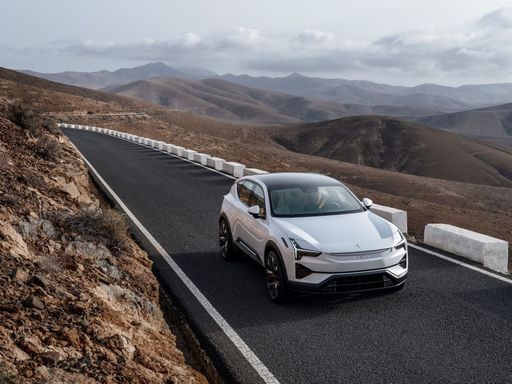
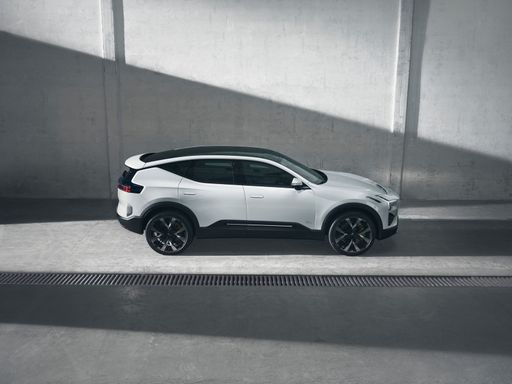
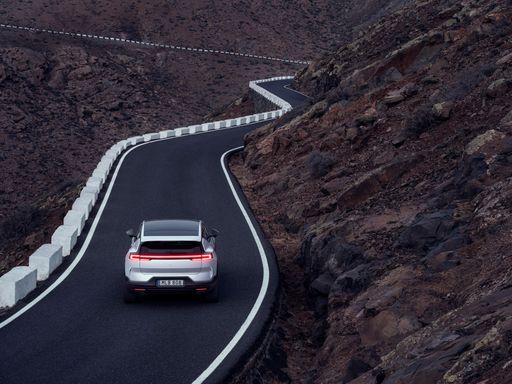
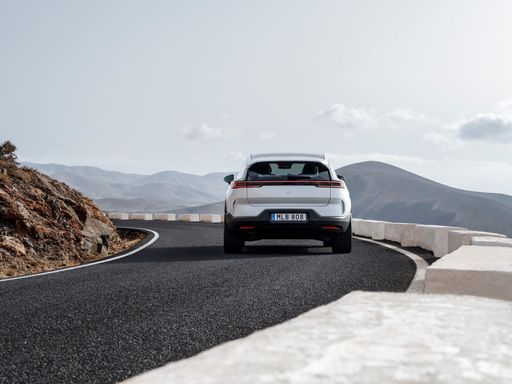
The Polestar 3 showcases a bold and aerodynamic design, measuring 4900 mm in length, 1935 mm in width, and 1614 mm in height. It features a sleek silhouette that enhances both aesthetics and efficiency. In contrast, the Tesla Model Y has a more compact profile at 4751 mm long, 1921 mm wide, and 1624 mm high. This slight difference in dimensions allows the Polestar to offer a more spacious trunk capacity of 484 liters, compared to the Model Y's 363 liters.

Model Y

Performance and Powertrain

Power outputs for both vehicles highlight their impressive performance capabilities. The Polestar 3 offers a range of power ratings, peaking at an astounding 517 HP and delivering a maximum torque of 910 Nm. It can accelerate from 0-100 km/h in just 4.7 seconds, providing a thrilling driving experience.

Meanwhile, the Tesla Model Y offers multiple variants, with power outputs ranging from 299 HP to an incredible 534 HP. The performance model can go from 0-100 km/h in a blistering 3.7 seconds, showcasing Tesla's typically high performance. The Model Y's torque figures also impress, peaking at 660 Nm.

3

Range and Efficiency

In terms of electric range, the Polestar 3 takes the lead, with a maximum range of 631 km from its 107 kWh battery. Its efficiency rating averages 19.8 kWh/100 km, demonstrating its commitment to sustainability. The Tesla Model Y, while slightly less efficient, still offers decent range options. The long-range versions can achieve up to 600 km from its 79 kWh battery, with an efficiency rating of up to 15.7 kWh/100 km.

Model Y

Charging and Battery Technology

Both electric SUVs are engineered with rapid charging capabilities. The Polestar 3 supports DC fast charging, allowing drivers to charge from 10% to 80% in approximately 30 minutes at rapid charging stations. Tesla continues to lead in this area with its extensive Supercharger network, allowing Model Y drivers seamless access to fast charging, often replenishing significant battery capacity quickly.

3

Interior and Technology

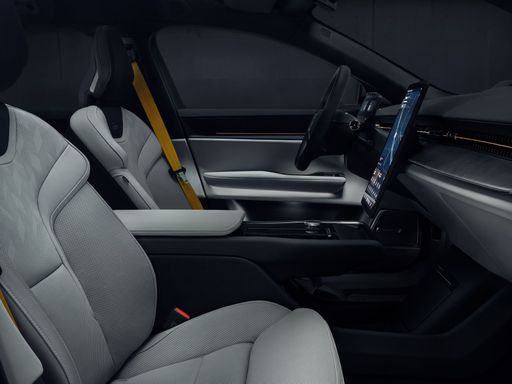
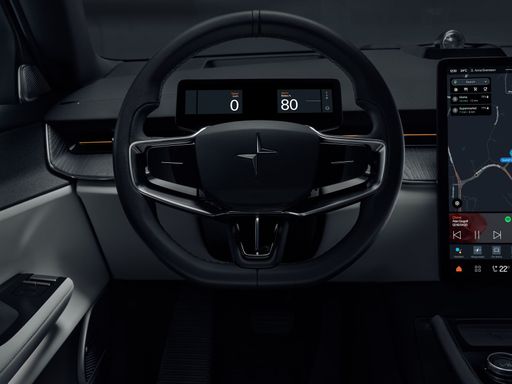
Inside, both vehicles are packed with advanced technology and premium materials. The Polestar 3 features a minimalist Scandinavian design, equipped with a large central touchscreen that integrates seamlessly with its infotainment system, powered by Google. It also emphasizes comfort and tech with high-quality materials and ample space for passengers.

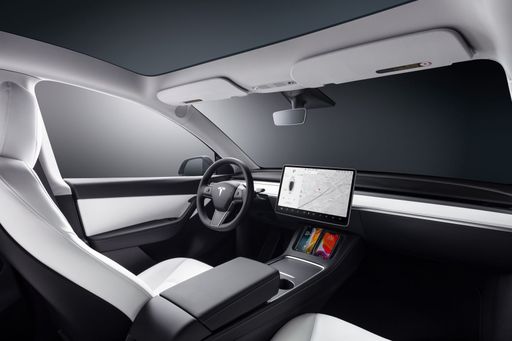
Tesla's Model Y interior is similarly modern, with its loft-like cabin and a centerpiece 15-inch touchscreen that controls most functions. The integration of Tesla's Autopilot feature elevates its tech presence, offering advanced driver-assistance systems for a more relaxed driving experience.

Model Y

Safety and Assistive Technologies

Both vehicles are equipped with a suite of safety features. The Polestar 3 comes standard with advanced driver assistance systems, including adaptive cruise control, lane-keeping assist, and collision avoidance technology. Tesla’s Model Y offers similar safety technologies, with a strong emphasis on staying ahead of the game through over-the-air updates that enhance safety and performance over time.

3

Conclusion

In the battle between the Polestar 3 and Tesla Model Y, each electric SUV presents its own unique advantages. The Polestar 3 scores highly on range, luxury, and interior space, whereas the Tesla Model Y excels in acceleration, extensive charging infrastructure, and autonomous driving capabilities. Ultimately, the choice between these two electric vehicles will depend on individual preferences and priorities—whether that’s performance, technology, or interior space.

Here’s where it gets real: The technical differences in detail

Model Y

Costs and Efficiency:

When it comes to price and running costs, the biggest differences usually appear. This is often where you see which car fits your budget better in the long run.

Tesla Model Y is considerably cheaper – starting at 34,300 £ , while the Polestar 3 costs 67,400 £ . That’s a price difference of around 33,085 £.

In terms of energy consumption, the Tesla Model Y is noticeably more efficient: consuming 12.7 kWh/100km compared to 17.6 kWh/100km for the Polestar 3. That’s a difference of about 4.9 kWh/100km.

As for electric range, the Polestar 3 offers barely more range – reaching up to 706 km, about 49 km more than the Tesla Model Y.

3

Engine and Performance:

Under the bonnet, it becomes clear which model is tuned for sportiness and which one takes the lead when you hit the accelerator.

When it comes to engine power, the Polestar 3 offers slightly more power – delivering 517 HP compared to 460 HP. That’s roughly 57 HP more horsepower.

When accelerating from 0 to 100 km/h, the Tesla Model Y is clearly quicker – completing the sprint in 3.5 s, while the Polestar 3 takes 4.7 s. That’s about 1.2 s quicker.

Looking at top speed, the Polestar 3 is very slightly faster – reaching 210 km/h, while the Tesla Model Y tops out at 201 km/h. The difference is around 9 km/h.

There’s also a difference in torque: the Polestar 3 delivers clearly more torque with 910 Nm compared to 660 Nm. That’s about 250 Nm more.

Model Y

Space and Everyday Use:

Cabin size, boot volume and payload all play a role in everyday practicality. Here, comfort and flexibility make the difference.

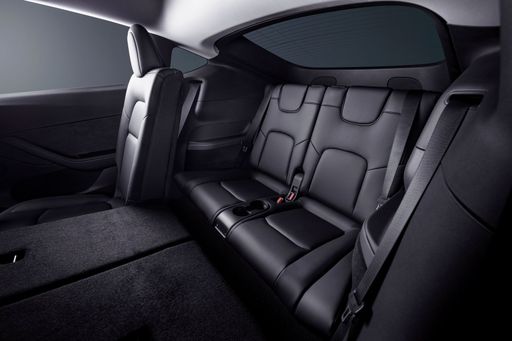
Seats: Tesla Model Y offers more seats – 7 vs 5.

In terms of curb weight, Tesla Model Y is noticeably lighter – 1,953 kg compared to 2,575 kg. The difference is around 622 kg.

Looking at boot space, the Tesla Model Y offers considerably more boot space – 822 L compared to 484 L. That’s a difference of about 338 L.

For maximum load capacity, the Tesla Model Y offers noticeably more capacity – up to 2,138 L, about 727 L more than the Polestar 3.

When it comes to payload, the Polestar 3 carries only slightly more – 496 kg compared to 472 kg. That’s a difference of about 24 kg.

Who wins the race in the data check?

The Tesla Model Y is clearly superior overall in the objective data comparison.
This result only shows which model scores more points on paper – not which of the two cars feels right for you.

from £34,300
Model Y

Tesla Model Y

  • Engine Type : Electric
  • Transmission : Automatic
  • Drive Type : All-Wheel Drive, Rear-Wheel Drive
  • Power HP : 299 - 460 HP
  • Consumption kWh/100km : 12.7 - 16.2 kWh/100km
  • Electric Range : 534 - 657 km
Tesla Model Y
Polestar 3

Costs and Consumption

View detailed analysis

Engine and Performance

View detailed analysis

Dimensions and Body

View detailed analysis

Tesla Model Y

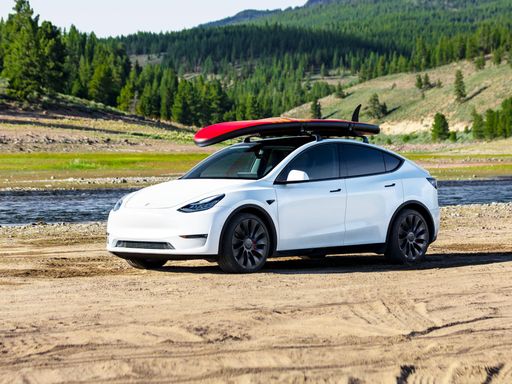
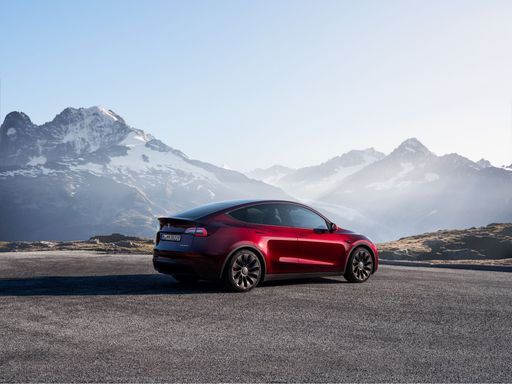
The Tesla Model Y blends SUV practicality with sports-car poke, wrapping a roomy, minimalist cabin and handy hatch into a slick, aerodynamic package that feels more Silicon Valley gadget than garage ornament. It’s an ideal pick for buyers who want effortless electric driving, regular software improvements and access to Tesla’s convenient charging network, though style-conscious shoppers should know it’s more about tech and efficiency than classic luxury.

details

Polestar 3

Polestar 3 arrives as a Scandinavian-styled electric SUV that marries minimalist design with a statuesque presence, looking smarter than most in the car park. Inside, the cabin feels airy and thoughtful, with tech and driving manners that lean toward composed comfort rather than outright drama — perfect for buyers who want electric prestige without shouting about it.

details
Tesla Model Y
Polestar 3

Costs and Consumption

Price
34,300 - 53,100 £
Price
67,400 - 79,000 £
Consumption L/100km
-
Consumption L/100km
-
Consumption kWh/100km
12.7 - 16.2 kWh/100km
Consumption kWh/100km
17.6 - 21.9 kWh/100km
Electric Range
534 - 657 km
Electric Range
567 - 706 km
Battery Capacity
64.5 - 83 kWh
Battery Capacity
107 kWh
co2
0 g/km
co2
0 g/km
Fuel tank capacity
-
Fuel tank capacity
-

Dimensions and Body

Body Type
SUV
Body Type
SUV
Seats
5 - 7
Seats
5
Doors
5
Doors
5
Curb weight
1,953 - 2,108 kg
Curb weight
2,575 - 2,584 kg
Trunk capacity
822 L
Trunk capacity
484 L
Length
4,790 - 4,797 mm
Length
4,900 mm
Width
1,920 - 1,921 mm
Width
1,935 mm
Height
1,621 - 1,624 mm
Height
1,614 - 1,618 mm
Max trunk capacity
2,118 - 2,138 L
Max trunk capacity
1,411 L
Payload
435 - 472 kg
Payload
285 - 496 kg

Engine and Performance

Engine Type
Electric
Engine Type
Electric
Transmission
Automatic
Transmission
Automatic
Transmission Detail
Reduction Gearbox
Transmission Detail
Reduction Gearbox
Drive Type
All-Wheel Drive, Rear-Wheel Drive
Drive Type
All-Wheel Drive, Rear-Wheel Drive
Power HP
299 - 460 HP
Power HP
299 - 517 HP
Acceleration 0-100km/h
3.5 - 7.2 s
Acceleration 0-100km/h
4.7 - 7.8 s
Max Speed
201 km/h
Max Speed
180 - 210 km/h
Torque
420 - 660 Nm
Torque
490 - 910 Nm
Number of Cylinders
-
Number of Cylinders
-
Power kW
220 - 338 kW
Power kW
220 - 380 kW
Engine capacity
-
Engine capacity
-

General

Model Year
2,025 - 2,026
Model Year
2,024
CO2 Efficiency Class
A
CO2 Efficiency Class
A
Brand
Tesla
Brand
Polestar
DriveDuel uses data analysis and artificial intelligence to evaluate vehicle data and create content. Content is regularly reviewed and improved. The displayed prices are estimates based on German list prices, adjusted to the respective country’s VAT. Country-specific registration taxes are not included. This information is not legally binding.