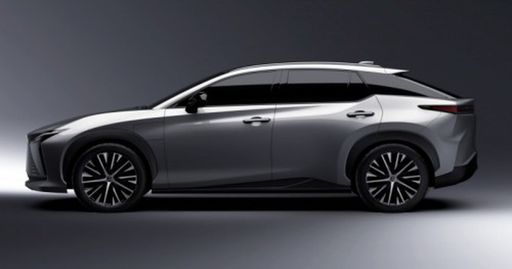
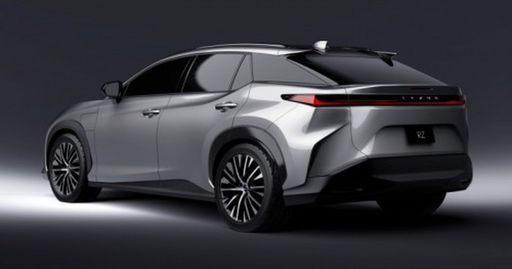
VS

Toyota C-HR+ vs Lexus RZ comparison

Compare performance (343 HP vs 408 HP), boot space and price (36,000 £ vs 48,900 £ ) at a glance. Find out which car is the better choice for you – Toyota C-HR+ or Lexus RZ?

Toyota C-HR+ vs Lexus RZ: Key differences

Toyota C-HR+

  • visibly cheaper
  • marginally more efficient
  • marginally more electric range
  • slightly lighter
details

Lexus RZ

4.8 (1 Reviews)
rate
  • slightly more power
  • slightly quicker 0–100 km/h
details

By Achim Sedelmaier

C-HR+

The headline duel: Lexus RZ VS Toyota C-HR+ — luxury EV meets compact crossover

Lexus RZ VS Toyota C-HR+ pitches a calm, premium electric SUV against a sharper, more budget-aware compact crossover and the contrast is exactly what buyers came for. The Lexus RZ arrives with the manners and presentation of a near-premium electric cruiser, while the Toyota C-HR+ plays the part of a city-smart, design-forward alternative. This comparison page looks at how those different choices feel in daily life, not just on a spec sheet. Think of it as the decision between polished presence and clever practicality — both are crossovers, but they speak to different kinds of owners. Below we tease out how each car behaves, who it flatters, and where compromises show up in real-world use.
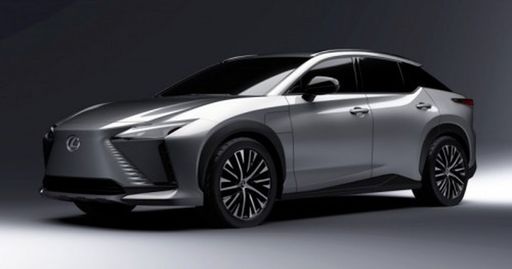
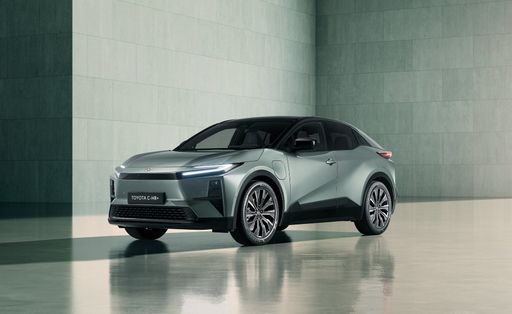
RZ

Character clash: understatement versus personality

The Lexus RZ leans into quiet, composed luxury with a restrained, minimalist vibe that says "I don't need to shout." By contrast, the Toyota C-HR+ is more expressive — edgy lines, bouncier attitude and a feel that favours agility over pampering. In practice that means the Lexus feels more settled and mature, while the Toyota feels eager and city-savvy. Neither is bland, but the RZ trades theatricality for refinement and the C-HR+ swaps some polish for personality. That tonal split is the quickest way to decide which one will make you smile in the driveway.

C-HR+

How they live day-to-day: long runs, school runs and quick errands

For long highway stretches the Lexus RZ tends to deliver a calmer, more composed experience that soaks up miles with less fuss, making it easy to forget you're driving. The Toyota C-HR+ feels nimbler in town and makes parking and tight manoeuvres less of a chore, which is a big plus for urban life. Families will notice the difference in perceived space and load practicality — neither is a minivan, but one leans toward comfort and the other toward clever packaging. Both strike different balances of ride composure and agility, so your daily routine will reveal which compromises you can live with. Practical ownership costs and range are part of the equation, but the real deciding factor is how each car fits into your daily rhythm.

RZ

The social pitch: what owning one says about you

Choosing the Lexus RZ is a vote for quiet status: subtle luxury, modern tech cues and a sense that you prefer refinement over flash. Picking the Toyota C-HR+ broadcasts smart-minded sensibility — style-forward without the premium price tag and with an urban attitude. If you want to justify a purchase on image, the Lexus reads as the more premium, establishment choice, while the C-HR+ says "I chose design and sense." Both cars give you a story to tell, but they lean very different directions: composed prestige versus clever individuality. In short, it’s a question of whether you want to impress with understatement or with personality.

C-HR+

Who should seriously consider the Lexus RZ?

If your days are a mix of motorway miles and client meetings and you value a calm cabin and a refined ride, the Lexus RZ will feel like the natural choice. It suits drivers who prize on-board tech that feels premium and interfaces that behave like the rest of a high-end package. The RZ is aimed at people prepared to pay for quieter demeanour and a more polished interior in daily use. Even if you like the idea of the Toyota C-HR+, the Lexus will tempt you if presence and long-distance composure top your list.

RZ

Who should seriously consider the Toyota C-HR+ (and why the Lexus RZ still matters)

The Toyota C-HR+ is for buyers who want stylish, practical motoring without stretching into luxury pricing — ideal for city-focused drivers, budget-savvy families and those who prize clever packaging over glossy badges. Its sharper manners around town and user-friendly layout make it an attractive everyday tool for shoppers and commuters who value efficiency and versatility. That said, mention the Lexus RZ to anyone who dreams of a quieter, more premium experience and you’ll see why some buyers trade saved cash for extra polish. Want to see how these impressions line up with the nuts and bolts? Read the detailed spec sheet below to match feelings to figures.

Here’s where it gets real: The technical differences in detail

C-HR+

Costs and Efficiency:

When it comes to price and running costs, the biggest differences usually appear. This is often where you see which car fits your budget better in the long run.

Toyota C-HR+ is visibly cheaper – starting at 36,000 £ , while the Lexus RZ costs 48,900 £ . That’s a price difference of around 12,951 £.

In terms of energy consumption, the Toyota C-HR+ is marginally more efficient: consuming 13.4 kWh/100km compared to 14.7 kWh/100km for the Lexus RZ. That’s a difference of about 1.3 kWh/100km.

As for electric range, the Toyota C-HR+ offers marginally more range – reaching up to 607 km, about 48 km more than the Lexus RZ.

RZ

Engine and Performance:

Under the bonnet, it becomes clear which model is tuned for sportiness and which one takes the lead when you hit the accelerator.

When it comes to engine power, the Lexus RZ offers slightly more power – delivering 408 HP compared to 343 HP. That’s roughly 65 HP more horsepower.

When accelerating from 0 to 100 km/h, the Lexus RZ is slightly quicker – completing the sprint in 4.4 s, while the Toyota C-HR+ takes 5.2 s. That’s about 0.8 s quicker.

There’s also a difference in torque: the Lexus RZ delivers markedly more torque with 538 Nm compared to 338 Nm. That’s about 200 Nm more.

C-HR+

Space and Everyday Use:

Whether family car or daily driver – which one offers more room, flexibility and comfort?

Both vehicles offer seating for 5 people.

In terms of curb weight, Toyota C-HR+ is slightly lighter – 1,810 kg compared to 1,995 kg. The difference is around 185 kg.

When it comes to payload, the Toyota C-HR+ carries moderately more – 655 kg compared to 540 kg. That’s a difference of about 115 kg.

Who wins the race in the data check?

The Lexus RZ has only a minor advantage in the objective data comparison.
This result only shows which model scores more points on paper – not which of the two cars feels right for you.

from £48,900
RZ

Lexus RZ

  • Engine Type : Electric
  • Transmission : Automatic
  • Drive Type : Front-Wheel Drive, All-Wheel Drive
  • Power HP : 227 - 408 HP
  • Consumption kWh/100km : 14.7 - 18.1 kWh/100km
  • Electric Range : 457 - 559 km
Toyota C-HR+
Lexus RZ

Costs and Consumption

View detailed analysis

Engine and Performance

View detailed analysis

Dimensions and Body

View detailed analysis

Toyota C-HR+

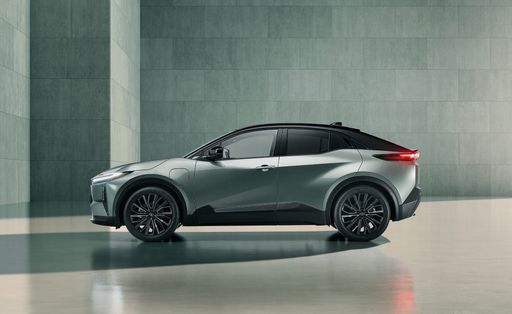
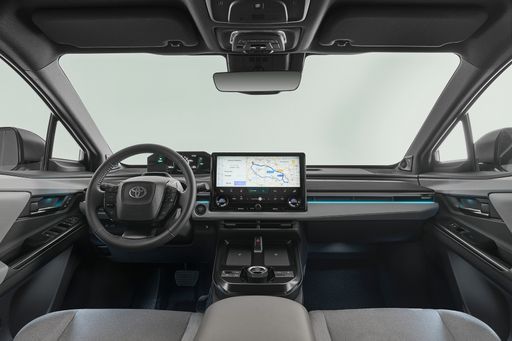
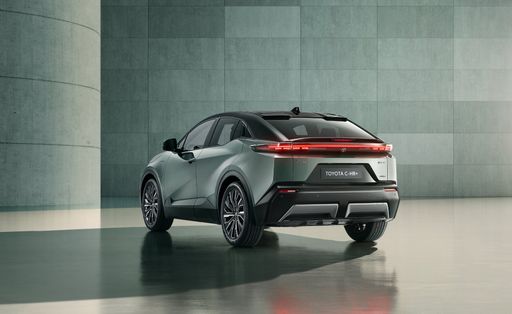
The Toyota C-HR+ mixes sharp, coupe-like styling with comfortable, surprisingly practical packaging, making a bold statement around town and on the weekend run. It’s aimed at drivers who value standout looks and fuss-free ownership over sports-car thrills, so if you want personality and reliability in one tidy package, book a test drive.

details

Lexus RZ

The Lexus RZ brings Lexus' trademark quiet luxury to the electric SUV world, wrapping poised handling and a plush, well-crafted cabin in a calm, composed package. It won't shout about raw figures — instead it trades headline numbers for smooth power delivery, fuss-free tech and an effortless refinement that will suit buyers who want electric convenience without losing the luxury experience.

details
Toyota C-HR+
Lexus RZ

Costs and Consumption

Price
36,000 - 46,300 £
Price
48,900 - 67,500 £
Consumption L/100km
-
Consumption L/100km
-
Consumption kWh/100km
13.4 - 15.5 kWh/100km
Consumption kWh/100km
14.7 - 18.1 kWh/100km
Electric Range
458 - 607 km
Electric Range
457 - 559 km
Battery Capacity
-
Battery Capacity
-
co2
0 g/km
co2
0 g/km
Fuel tank capacity
-
Fuel tank capacity
-

Dimensions and Body

Body Type
SUV
Body Type
SUV
Seats
5
Seats
5
Doors
-
Doors
-
Curb weight
1,810 - 2,010 kg
Curb weight
1,995 - 2,135 kg
Trunk capacity
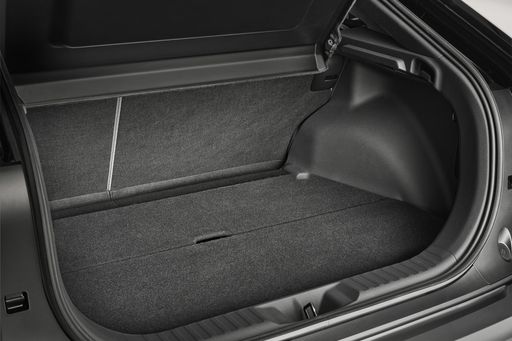
416 L
Trunk capacity
-
Length
-
Length
-
Width
1,870 mm
Width
1,895 mm
Height
-
Height
-
Max trunk capacity
-
Max trunk capacity
-
Payload
550 - 655 kg
Payload
505 - 540 kg

Engine and Performance

Engine Type
Electric
Engine Type
Electric
Transmission
Automatic
Transmission
Automatic
Transmission Detail
Reduction Gearbox
Transmission Detail
Reduction Gearbox
Drive Type
Front-Wheel Drive, All-Wheel Drive
Drive Type
Front-Wheel Drive, All-Wheel Drive
Power HP
167 - 343 HP
Power HP
227 - 408 HP
Acceleration 0-100km/h
5.2 - 8.4 s
Acceleration 0-100km/h
4.4 - 7.5 s
Max Speed
-
Max Speed
-
Torque
268 - 338 Nm
Torque
269 - 538 Nm
Number of Cylinders
-
Number of Cylinders
-
Power kW
123 - 252 kW
Power kW
167 - 300 kW
Engine capacity
-
Engine capacity
-

General

Model Year
2026
Model Year
2025
CO2 Efficiency Class
A
CO2 Efficiency Class
A
Brand
Toyota
Brand
Lexus
DriveDuel uses data analysis and artificial intelligence to evaluate vehicle data and create content. Content is regularly reviewed and improved. The displayed prices are estimates based on German list prices, adjusted to the respective country’s VAT. Country-specific registration taxes are not included. This information is not legally binding.