VS

Toyota C-HR vs Peugeot 3008 comparison

Compare performance (223 HP vs 325 HP), boot space and price (29,100 £ vs 35,100 £ ) at a glance. Find out which car is the better choice for you – Toyota C-HR or Peugeot 3008?

Toyota C-HR vs Peugeot 3008: Key differences

Toyota C-HR

4.8 (2 Reviews)
rate
  • visibly cheaper
  • only slightly more efficient
  • very slightly lighter

Peugeot 3008

3.4 (4 Reviews)
rate
  • visibly more power
  • considerably more electric range
  • markedly quicker 0–100 km/h
  • somewhat more trunk space

All details on performance, efficiency, range and trunk space can be found in the technical comparison below – including user reviews for both models.

C-HR

Peugeot 3008 vs. Toyota C-HR: A Comprehensive SUV Comparison

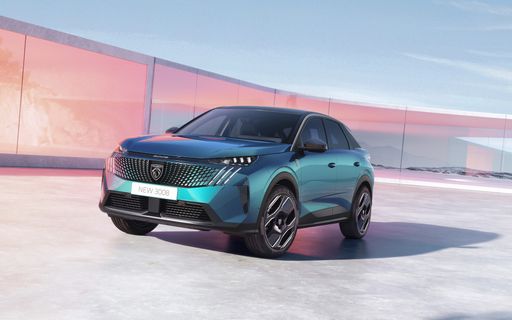
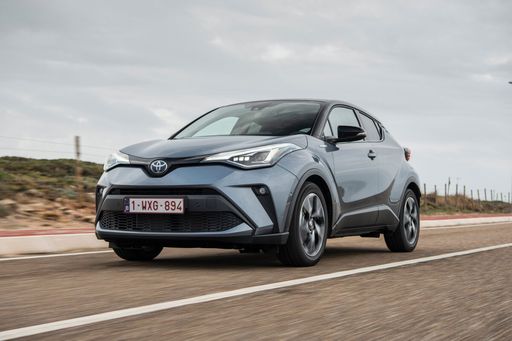
In the crowded SUV segment, the Peugeot 3008 and Toyota C-HR stand out as two of the most innovative and appealing options on the market. Both vehicles offer unique features, advanced technology, and vibrant designs, but they cater to slightly different audiences. Let’s dive into a detailed comparison of their technical aspects, innovations, and overall driving experience.
3008

Design and Dimensions

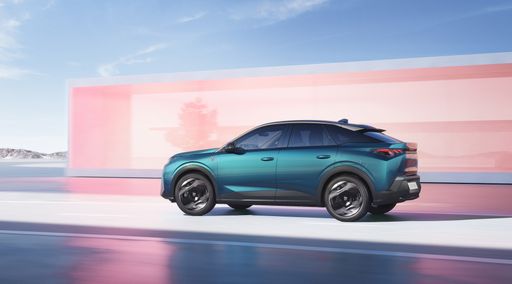
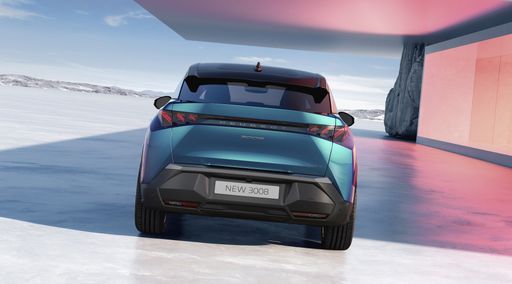
The Peugeot 3008 boasts a length of 4542 mm, width of 1895 mm, and height of 1641 mm, giving it a robust and sporty appearance. It provides a trunk capacity of 520 liters, perfect for hauling family's gear or grocery runs. The design is characterized by sharp lines and a modern aesthetic that makes it visually appealing.

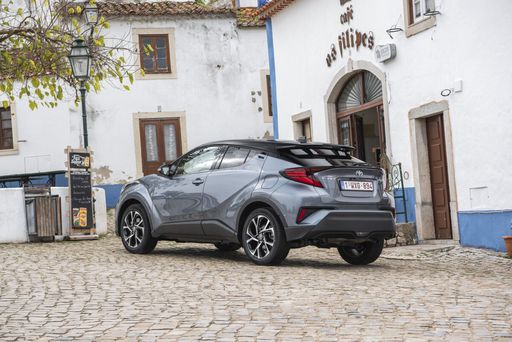
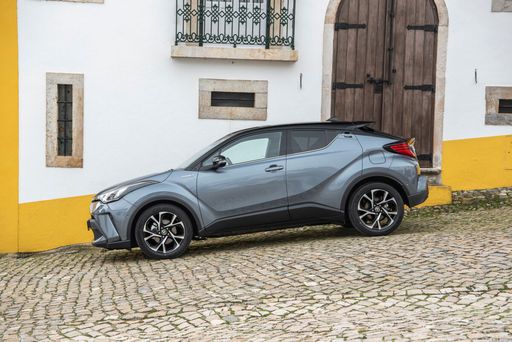
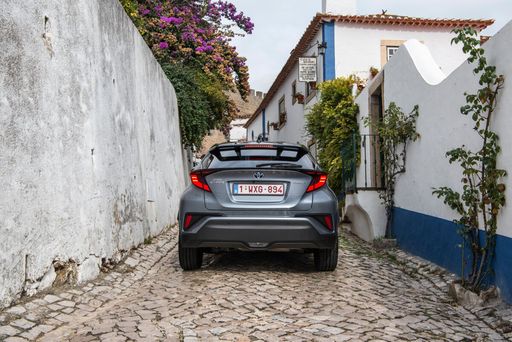
On the other hand, the Toyota C-HR is slightly smaller, measuring 4362 mm in length, 1832 mm in width, and featuring a height of 1558 mm to 1564 mm. The trunk space is more compact at 430 liters, but its sleek coupe-like silhouette makes it a favorite among young drivers. Overall, the design of both SUVs resonates with contemporary trends, though the Peugeot leans towards a more aggressive stance.

C-HR

Performance and Engine Options

Under the hood, the Peugeot 3008 offers multiple engine types, including petrol MHEV, plug-in hybrid, and electric. The power outputs range from 136 to 231 HP, with torque peaking at 345 Nm. It features an impressive dual-clutch automatic transmission and front-wheel drive makes for efficient handling. The 3008 excels in fuel economy, with figures as low as 0.9 L/100km for its electric variant, and an electric range of up to 698 km.

The Toyota C-HR presents its own array of engine options, primarily featuring full hybrid and plug-in hybrid systems. With power outputs reaching up to 223 HP, it competes closely with the 3008. The C-HR utilizes a CVT transmission and offers both front-wheel and all-wheel-drive configurations. Its fuel consumption sits at a commendable 4.7 L/100km, while the electric range is notably shorter at around 68 km.

3008

Driving Dynamics and Comfort

When it comes to driving dynamics, the Peugeot 3008 is celebrated for its balanced ride and handling. The advanced suspension setup enhances comfort, making longer journeys feel effortless. The acceleration from 0 to 100 km/h can be achieved in as little as 8.4 seconds, presenting a nippy feel for city driving and highway merging.

The C-HR, meanwhile, offers a fun, spirited drive characterized by sharp steering and responsive acceleration, with a best 0 to 100 km/h time of 7.4 seconds. Its focus on hybrid technology ensures a smooth and quiet ride, especially in electric mode, which can be a significant advantage in urban environments.

C-HR

Technology and Innovations

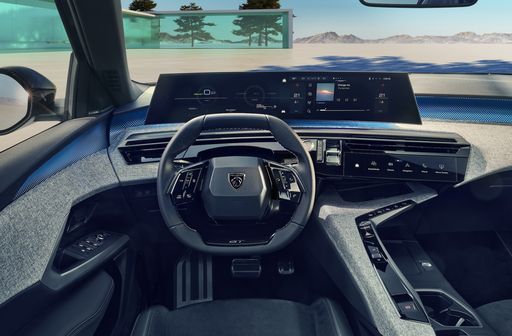
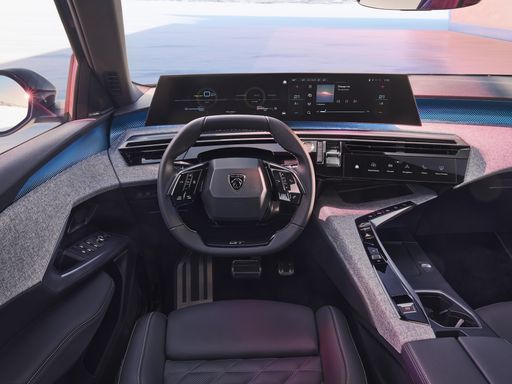
Both SUVs are equipped with cutting-edge technology designed to enhance user experience. The Peugeot 3008 features an intuitive infotainment system with a large touchscreen, smartphone connectivity, and advanced driver-assistance systems, such as lane-keeping assist and adaptive cruise control.

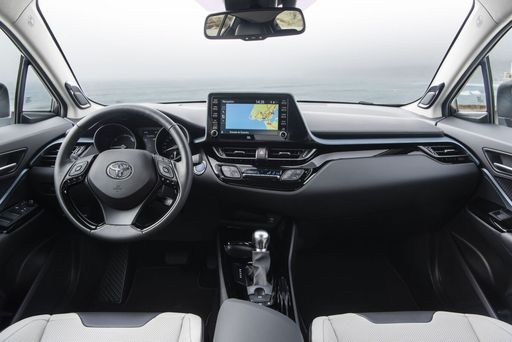
In contrast, the Toyota C-HR stands out with its Toyota Safety Sense suite, which includes features like pre-collision systems and adaptive high beams. The C-HR's infotainment system is user-friendly and features a crisp display, though some users might find it slightly less responsive than Peugeot's.

3008

Conclusion: Which One Reigns Supreme?

Choosing between the Peugeot 3008 and the Toyota C-HR ultimately comes down to individual preferences and priorities. If you seek a more spacious SUV with a powerful array of engine choices and advanced tech features, the Peugeot 3008 might be your best bet. However, if you prefer a compact design with strong hybrid efficiency and a spirited driving experience, the Toyota C-HR could be the ideal match. Both models showcase impressive innovations, ensuring that any choice between them promises a satisfying driving experience. So, whether it’s utility, style, or technology that you prioritize, both the 3008 and C-HR deliver commendably.

Here’s where it gets real: The technical differences in detail

C-HR

Costs and Efficiency:

Price and efficiency are often the first things buyers look at. Here it becomes clear which model has the long-term edge – whether at the pump, the plug, or in purchase price.

Toyota C-HR is visibly cheaper – starting at 29,100 £ , while the Peugeot 3008 costs 35,100 £ . That’s a price difference of around 6,008 £.

Fuel consumption also shows a difference: the Toyota C-HR uses 2.3 L/100km and is only slightly more efficient than the Peugeot 3008 with 2.4 L/100km. The difference is about 0.1 L/100km.

As for electric range, the Peugeot 3008 offers considerably more range – reaching up to 698 km, about 632 km more than the Toyota C-HR.

3008

Engine and Performance:

Power, torque and acceleration are the classic benchmarks for car enthusiasts – and here, some clear differences start to show.

When it comes to engine power, the Peugeot 3008 offers visibly more power – delivering 325 HP compared to 223 HP. That’s roughly 102 HP more horsepower.

When accelerating from 0 to 100 km/h, the Peugeot 3008 is markedly quicker – completing the sprint in 6 s, while the Toyota C-HR takes 7.4 s. That’s about 1.4 s quicker.

C-HR

Space and Everyday Use:

Beyond pure performance, interior space and usability matter most in daily life. This is where you see which car is more practical and versatile.

Both vehicles offer seating for 5 people.

In terms of curb weight, Toyota C-HR is very slightly lighter – 1,505 kg compared to 1,648 kg. The difference is around 143 kg.

Looking at boot space, the Peugeot 3008 offers somewhat more boot space – 520 L compared to 447 L. That’s a difference of about 73 L.

When it comes to payload, the Peugeot 3008 carries marginally more – 467 kg compared to 425 kg. That’s a difference of about 42 kg.

Who wins the race in the data check?

The Peugeot 3008 is decisively ahead in the objective data comparison.
This result only shows which model scores more points on paper – not which of the two cars feels right for you.

from £35,100
3008

Peugeot 3008

  • Engine Type : Electric, Petrol MHEV, Plugin Hybrid
  • Transmission : Automatic
  • Drive Type : Front-Wheel Drive, All-Wheel Drive
  • Power HP : 145 - 325 HP
  • Consumption L/100km : 2.4 - 5.4 L/100km
  • Consumption kWh/100km : 16.9 - 17.6 kWh/100km
  • Electric Range : 81 - 698 km
Toyota C-HR
Peugeot 3008

Costs and Consumption

View detailed analysis

Engine and Performance

View detailed analysis

Dimensions and Body

View detailed analysis

Toyota C-HR

The Toyota C-HR cuts a striking figure with its angular styling and coupe-like profile, so you’ll never go unnoticed in the supermarket car park. It balances everyday practicality with a nimble, city-friendly personality, making routine commutes feel a touch more fun without asking for forgiveness.

details

Peugeot 3008

The Peugeot 3008 blends bold French styling with a surprisingly grown-up interior that makes even dull commutes feel a little bit special. Practical enough for family life yet lively to drive, it’s a clever all‑rounder that stands out from the crossover crowd without shouting for attention.

details
Toyota C-HR
Peugeot 3008

Costs and Consumption

Price
29,100 - 42,800 £
Price
35,100 - 52,000 £
Consumption L/100km
2.3 - 5.1 L/100km
Consumption L/100km
2.4 - 5.4 L/100km
Consumption kWh/100km
-
Consumption kWh/100km
16.9 - 17.6 kWh/100km
Electric Range
66 km
Electric Range
81 - 698 km
Battery Capacity
-
Battery Capacity
0.4 - 96.9 kWh
co2
52 - 116 g/km
co2
0 - 121 g/km
Fuel tank capacity
-
Fuel tank capacity
55 L

Dimensions and Body

Body Type
SUV
Body Type
SUV
Seats
5
Seats
5
Doors
-
Doors
5
Curb weight
1,505 - 1,755 kg
Curb weight
1,648 - 2,266 kg
Trunk capacity
350 - 447 L
Trunk capacity
470 - 520 L
Length
-
Length
4,542 mm
Width
1,832 mm
Width
1,895 mm
Height
-
Height
1,641 mm
Max trunk capacity
-
Max trunk capacity
1,430 - 1,480 L
Payload
375 - 425 kg
Payload
432 - 467 kg

Engine and Performance

Engine Type
Full Hybrid, Plugin Hybrid
Engine Type
Electric, Petrol MHEV, Plugin Hybrid
Transmission
Automatic
Transmission
Automatic
Transmission Detail
CVT
Transmission Detail
Reduction Gearbox, Dual-Clutch Automatic
Drive Type
Front-Wheel Drive, All-Wheel Drive
Drive Type
Front-Wheel Drive, All-Wheel Drive
Power HP
140 - 223 HP
Power HP
145 - 325 HP
Acceleration 0-100km/h
7.4 - 9.9 s
Acceleration 0-100km/h
6 - 10.2 s
Max Speed
-
Max Speed
170 - 201 km/h
Torque
-
Torque
230 - 511 Nm
Number of Cylinders
4
Number of Cylinders
3 - 4
Power kW
103 - 164 kW
Power kW
107 - 239 kW
Engine capacity
1,798 - 1,987 cm3
Engine capacity
1,199 - 1,598 cm3

General

Model Year
2,026
Model Year
2,024 - 2,026
CO2 Efficiency Class
C, D, B
CO2 Efficiency Class
A, D, B
Brand
Toyota
Brand
Peugeot
DriveDuel uses data analysis and artificial intelligence to evaluate vehicle data and create content. Content is regularly reviewed and improved. The displayed prices are estimates based on German list prices, adjusted to the respective country’s VAT. Country-specific registration taxes are not included. This information is not legally binding.