VS

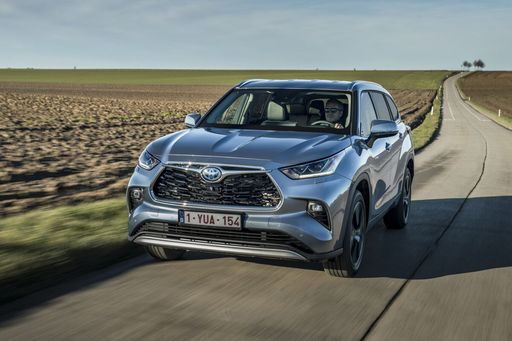
Toyota Highlander vs Mazda CX-60 comparison

Compare performance ( vs 327 HP), boot space and price ( vs 43,700 £ ) at a glance. Find out which car is the better choice for you – Toyota Highlander or Mazda CX-60?

Toyota Highlander

Mazda CX-60

4.6 (7 Reviews)
rate

All details on performance, efficiency, range and trunk space can be found in the technical comparison below – including user reviews for both models.

Highlander

A Comprehensive Comparison: Mazda CX-60 vs. Toyota Highlander

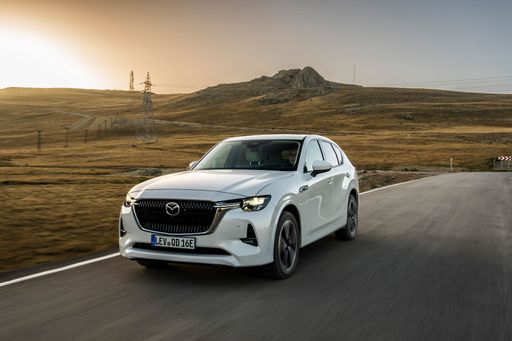
The automotive market is bustling with competition among SUVs, and the battle between the Mazda CX-60 and the Toyota Highlander exemplifies this. Both vehicles offer a blend of performance, technology, and comfort that appeals to families and adventure-seekers alike. In this article, we'll delve into the technical specifications and innovations that set these two SUVs apart.
CX-60

Powertrains and Performance

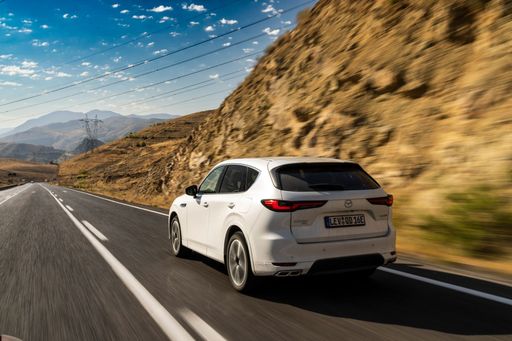
The Mazda CX-60 continues to impress with its diverse engine offerings, including a potent Plug-In Hybrid and Diesel MHEV. The Plug-In Hybrid boasts a combined output of 327 HP, enabling a brisk acceleration from 0-100 km/h in just 5.8 seconds. Meanwhile, the Diesel MHEV offers a solid 200 HP, providing an efficient alternative with a fuel consumption as low as 5 L/100 km.

In contrast, the Toyota Highlander is also available with a range of engines, but specific data is currently unavailable for comparison here. Historically, Highlander models offer robust V6 engines that provide dependable power but may not match the CX-60's hybrid efficiency. Therefore, the CX-60 stands out in terms of hybrid performance, especially for eco-conscious drivers.

Highlander

Dimensions and Cargo Space

When it comes to size, the Mazda CX-60 measures 4745 mm in length, 1890 mm in width, and boasts a maximum height of around 1688 mm. With a trunk capacity of 570 liters, this SUV is well-equipped for carrying luggage or other gear. It's essential to highlight that the CX-60 is designed with five seats, making it ideal for smaller families or urban dwellers.

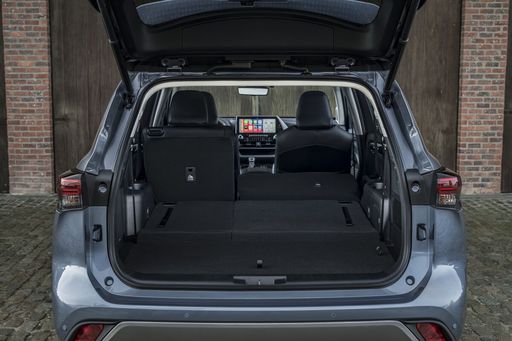
On the other hand, the Toyota Highlander traditionally offers three-row seating, accommodating up to seven passengers. While we lack precise dimensions for the 2024 model in this article, previous generations have provided ample cargo space, ensuring flexibility for larger families. If space and seating capacity are a priority, the Highlander may have the upper hand.

CX-60

Technological Innovations

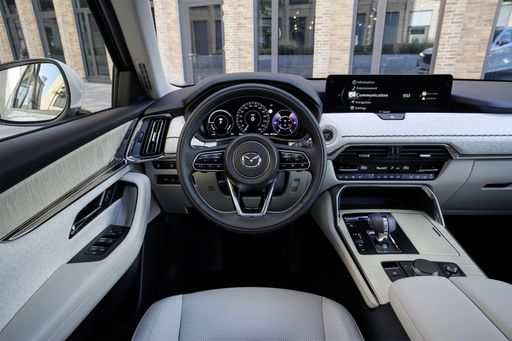
The Mazda CX-60 continues to incorporate cutting-edge technology, with an emphasis on driver assistance features and connectivity. Notable innovations include adaptive cruise control, lane-keeping assist, and a high-quality infotainment system that offers seamless smartphone integration.

The Highlander, too, is known for its technological prowess, often featuring advanced safety systems such as Toyota's Safety Sense package, which includes pre-collision systems and dynamic radar cruise control. Although both vehicles are similarly equipped regarding safety technologies, Mazda often adds a sporty edge to its infotainment systems, appealing to a younger demographic.

Highlander

Driving Experience

Driving enthusiasts may lean towards the Mazda CX-60 for its sporty handling and responsive steering. This SUV is designed with performance in mind, making it enjoyable to drive on winding roads and city streets alike. The available all-wheel-drive and rear-wheel-drive options further enhance the driving dynamics, adapting to various terrains and weather conditions.

In comparison, the Toyota Highlander is praised for its comfortable ride and spacious interior. While it may not deliver the same sporty thrills as the CX-60, the Highlander excels in providing a smooth and laid-back driving experience. It offers practicality, especially for families who prioritize comfort over performance.

CX-60

Conclusion: Choosing the Right SUV

Ultimately, the choice between the Mazda CX-60 and the Toyota Highlander will depend on individual needs and preferences. The CX-60 shines in technical innovation, engine efficiency, and a spirited driving experience, making it a perfect pick for those who love driving. Meanwhile, the Highlander caters to families looking for reliability, space, and comfort.

Whether you prioritize performance or practicality, both SUVs undoubtedly bring commendable features to the table, shaping the competitive landscape of the SUV market.

Here’s where it gets real: The technical differences in detail

Who wins the race in the data check?

The Mazda CX-60 is barely ahead in the objective data comparison.
This result only shows which model scores more points on paper – not which of the two cars feels right for you.

from £43,700
CX-60

Mazda CX-60

  • Engine Type : Plugin Hybrid, Diesel MHEV
  • Transmission : Automatic
  • Drive Type : All-Wheel Drive, Rear-Wheel Drive
  • Power HP : 200 - 327 HP
  • Consumption L/100km : 3.8 - 5.2 L/100km
  • Electric Range : 63 km
Toyota Highlander
Mazda CX-60

Toyota Highlander

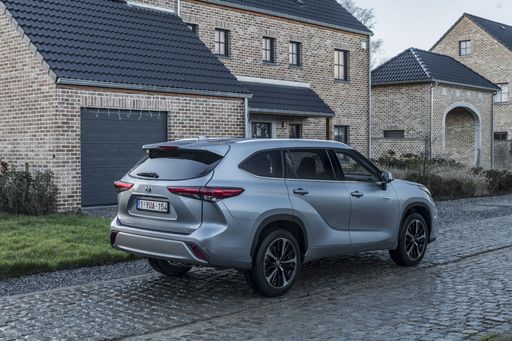
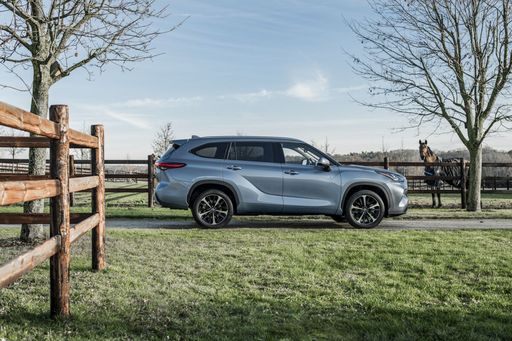
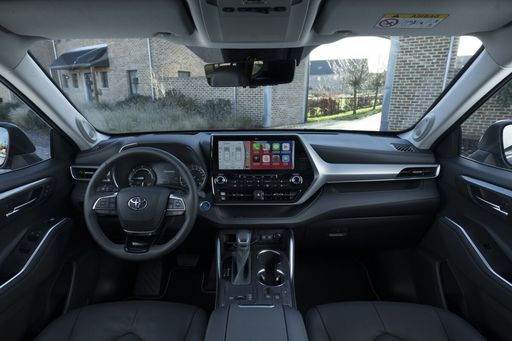
The Toyota Highlander is a roomy, no-nonsense family SUV that blends everyday practicality with Toyota’s trademark reliability and a comfortable, quiet cabin. It won’t thrill the sports-car crowd, but its composed ride, user-friendly interior and sensible features make it a savvy choice for buyers who want a car that simply does the job well.

details

Mazda CX-60

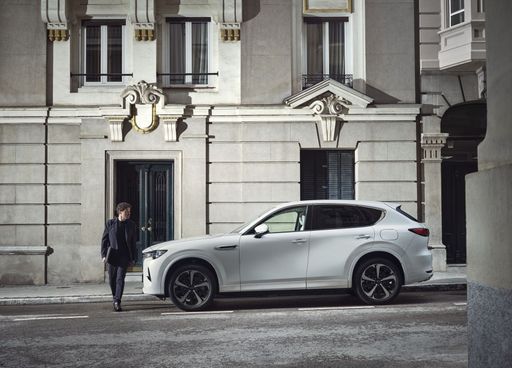
The Mazda CX-60 pairs sculpted, understated looks with poised handling and a cabin that punches above its class, making long drives feel unexpectedly civilized. For buyers who want a premium feel without the showroom swagger, it's the sort of car that earns respect quietly — and still manages a wink when you push on.

details
Toyota Highlander
Mazda CX-60

Costs and Consumption

Price
-
Price
43,700 - 57,900 £
Consumption L/100km
-
Consumption L/100km
3.8 - 5.2 L/100km
Consumption kWh/100km
-
Consumption kWh/100km
-
Electric Range
-
Electric Range
63 km
Battery Capacity
-
Battery Capacity
-
co2
-
co2
85 - 137 g/km
Fuel tank capacity
-
Fuel tank capacity
-

Dimensions and Body

Body Type
-
Body Type
SUV
Seats
-
Seats
5
Doors
-
Doors
-
Curb weight
-
Curb weight
1,890 - 2,055 kg
Trunk capacity
-
Trunk capacity
570 L
Length
-
Length
-
Width
-
Width
1,890 mm
Height
-
Height
-
Max trunk capacity
-
Max trunk capacity
-
Payload
-
Payload
581 - 612 kg

Engine and Performance

Engine Type
-
Engine Type
Plugin Hybrid, Diesel MHEV
Transmission
-
Transmission
Automatic
Transmission Detail
-
Transmission Detail
Automatic Gearbox
Drive Type
-
Drive Type
All-Wheel Drive, Rear-Wheel Drive
Power HP
-
Power HP
200 - 327 HP
Acceleration 0-100km/h
-
Acceleration 0-100km/h
5.8 - 8.4 s
Max Speed
-
Max Speed
-
Torque
-
Torque
450 - 550 Nm
Number of Cylinders
-
Number of Cylinders
4 - 6
Power kW
-
Power kW
147 - 241 kW
Engine capacity
-
Engine capacity
2,488 - 3,283 cm3

General

Model Year
-
Model Year
2,025
CO2 Efficiency Class
-
CO2 Efficiency Class
B, D, E
Brand
-
Brand
Mazda
DriveDuel uses data analysis and artificial intelligence to evaluate vehicle data and create content. Content is regularly reviewed and improved. The displayed prices are estimates based on German list prices, adjusted to the respective country’s VAT. Country-specific registration taxes are not included. This information is not legally binding.