VS

Volvo EX30 vs BMW iX1 comparison

Compare performance (428 HP vs 313 HP), boot space and price (33,000 £ vs 42,300 £ ) at a glance. Find out which car is the better choice for you – Volvo EX30 or BMW iX1?

Volvo EX30 vs BMW iX1: Key differences

Volvo EX30

3.6 (5 Reviews)
rate
  • noticeably cheaper
  • markedly more power
  • substantially quicker 0–100 km/h
  • marginally lighter

BMW iX1

4.7 (3 Reviews)
rate
  • moderately more efficient
  • only slightly more electric range
  • visibly more trunk space

All details on performance, efficiency, range and trunk space can be found in the technical comparison below – including user reviews for both models.

EX30

As the automotive landscape continues to evolve towards electrification, the competition among electric SUVs is heating up. Two exciting contenders in this segment are the BMW iX1 and the Volvo EX30. Both compact electric SUVs offer modern design, impressive performance, and a range of innovative features that appeal to a growing segment of eco-conscious consumers. In this comparison, we delve into their technical specifications, innovative technologies, and driving dynamics.

iX1

Design and Dimensions: Making a Statement

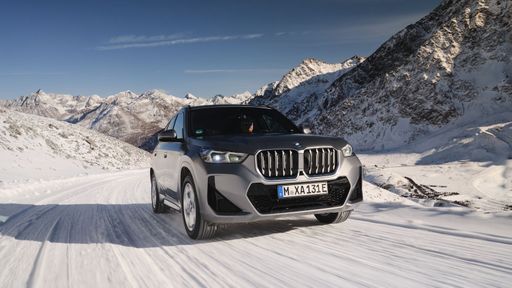
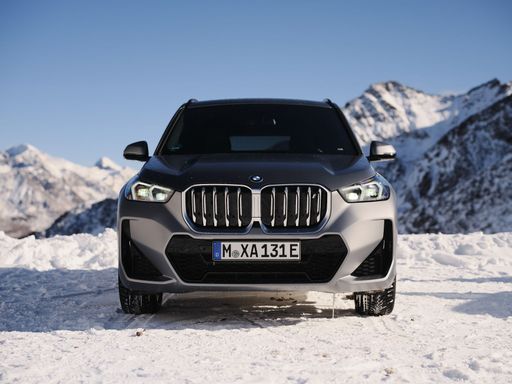
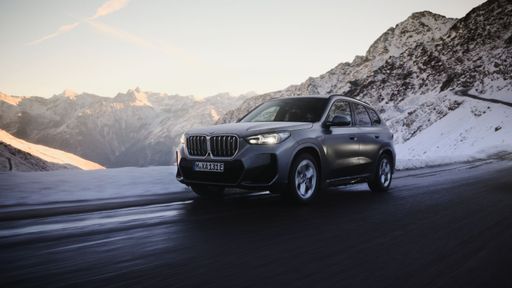
The BMW iX1, with its sleek lines and muscular stance, measures 4500 mm in length, 1845 mm in width, and stands 1616 mm tall. This distinctly BMW vehicle combines functional aesthetics with sporty allure, embodying the brand's iconic design language.

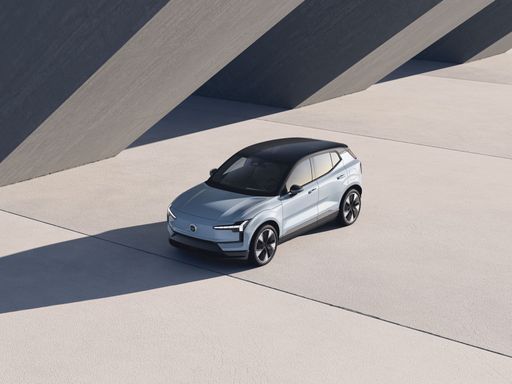
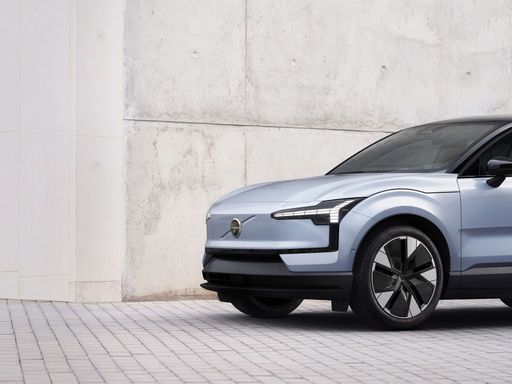
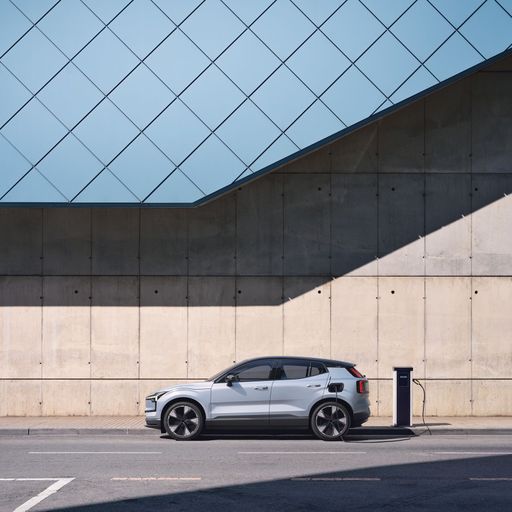
In contrast, the Volvo EX30 takes a more minimalistic and Scandanavian approach. Measuring 4233 mm in length, 1837 mm in width, and 1549 mm in height, it emanates a modern vibe that is both sophisticated and practical. The EX30's dimensions may be more compact, but its design maximizes interior space, offering comfort for up to five passengers.

EX30

Powertrain and Performance: Pure Electric Thrills

Under the hood, the BMW iX1 is available in two configurations: the sDrive20 and the xDrive30, delivering power outputs of 204 HP and 313 HP, respectively. The electric range varies between 436 km and 463 km, making it a dependable choice for urban commutes and longer journeys alike. With an acceleration time of 0-100 km/h in just 8.6 seconds for the sDrive and a thrilling 5.6 seconds for the xDrive, the iX1 is more than just a stylish SUV; it’s also a sporty performer.

On the other hand, the Volvo EX30 offers more aggressive power training options. The base model produces 272 HP, while the top-tier variant boasts a robust 428 HP. The electric range spans from 339 km to an impressive 476 km, showcasing Volvo's innovation in battery efficiency. The EX30 excels particularly with its performance, achieving a staggering 0-100 km/h in as little as 3.6 seconds, making it one of the quickest in its class.

iX1

Battery and Charging: Ready for the Road

Battery technology is a crucial element of any electric vehicle, and both models deliver impressive specifications. The iX1 comes with a battery capacity of either 64.8 kWh or 77 kWh, while the EX30 offers options of 49 kWh or 65 kWh. The BMW's higher capacity allows for longer distances, while the EX30’s various options provide flexibility for different consumer needs.

In terms of energy consumption, the iX1 performs admirably with a consumption rating of 15.8 kWh/100 km, though the EX30’s 17.0 kWh/100 km is still competitive. With CO2 emissions classified as "A" for both models, they both represent a step towards sustainability and responsible driving.

EX30

Innovative Features and Technology: A Futuristic Experience

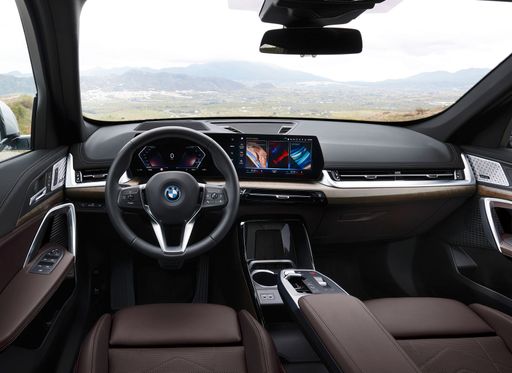
Both vehicles are equipped with cutting-edge technology that enhances the driving experience. BMW's iX1 boasts the latest iDrive system, complete with an intuitive infotainment system that supports wireless Apple CarPlay and Android Auto. Advanced driver assistance systems ensure safety and convenience, making urban driving less stressful.

Volvo, known for its commitment to safety, incorporates an impressive suite of safety technologies in the EX30. Its digital interface is user-friendly, featuring a large touchscreen with over-the-air update capabilities, ensuring that the car remains up-to-date with the latest software enhancements and safety features.

iX1

Final Thoughts: Choosing Your Electric Companion

When comparing the BMW iX1 and Volvo EX30, your choice ultimately depends on your personal preferences and driving needs. The iX1 offers a larger electric range and a dynamic driving experience, while the EX30 thrills with its remarkable acceleration and unique design. Both are formidable entries in the electric SUV market, embodying the future of mobility.

Whether you prioritize performance, range, design, or advanced technology, each model stands as a testament to what the automotive world has to offer in this electric revolution. So, which one will be your electrifying companion on the road ahead?

Here’s where it gets real: The technical differences in detail

EX30

Costs and Efficiency:

Price and efficiency are often the first things buyers look at. Here it becomes clear which model has the long-term edge – whether at the pump, the plug, or in purchase price.

Volvo EX30 is noticeably cheaper – starting at 33,000 £ , while the BMW iX1 costs 42,300 £ . That’s a price difference of around 9,351 £.

In terms of energy consumption, the BMW iX1 is moderately more efficient: consuming 14.3 kWh/100km compared to 17 kWh/100km for the Volvo EX30. That’s a difference of about 2.7 kWh/100km.

As for electric range, the BMW iX1 offers only slightly more range – reaching up to 514 km, about 38 km more than the Volvo EX30.

iX1

Engine and Performance:

Power, torque and acceleration say a lot about how a car feels on the road. This is where you see which model delivers more driving dynamics.

When it comes to engine power, the Volvo EX30 offers markedly more power – delivering 428 HP compared to 313 HP. That’s roughly 115 HP more horsepower.

When accelerating from 0 to 100 km/h, the Volvo EX30 is substantially quicker – completing the sprint in 3.6 s, while the BMW iX1 takes 5.6 s. That’s about 2 s quicker.

There’s also a difference in torque: the Volvo EX30 delivers only slightly more torque with 543 Nm compared to 494 Nm. That’s about 49 Nm more.

EX30

Space and Everyday Use:

Cabin size, boot volume and payload all play a role in everyday practicality. Here, comfort and flexibility make the difference.

Both vehicles offer seating for 5 people.

In terms of curb weight, Volvo EX30 is marginally lighter – 1,840 kg compared to 1,940 kg. The difference is around 100 kg.

Looking at boot space, the BMW iX1 offers visibly more boot space – 490 L compared to 318 L. That’s a difference of about 172 L.

When it comes to payload, the BMW iX1 carries clearly more – 495 kg compared to 390 kg. That’s a difference of about 105 kg.

Who wins the race in the data check?

The Volvo EX30 is clearly superior overall in the objective data comparison.
This result only shows which model scores more points on paper – not which of the two cars feels right for you.

from £33,000
EX30

Volvo EX30

  • Engine Type : Electric
  • Transmission : Automatic
  • Drive Type : Rear-Wheel Drive, All-Wheel Drive
  • Power HP : 272 - 428 HP
  • Consumption kWh/100km : 17 - 18.3 kWh/100km
  • Electric Range : 339 - 476 km
Volvo EX30
BMW iX1

Costs and Consumption

View detailed analysis

Engine and Performance

View detailed analysis

Dimensions and Body

View detailed analysis

Volvo EX30

The Volvo EX30 arrives as a compact electric with crisp Scandinavian design and a cheeky personality, proving you can be serious about safety and still enjoy a grin on your commute. Its cabin is cleverly packaged and delightfully easy to live with, offering smart tech and practical touches that make it feel like a grown-up's city car with a sense of fun.

details

BMW iX1

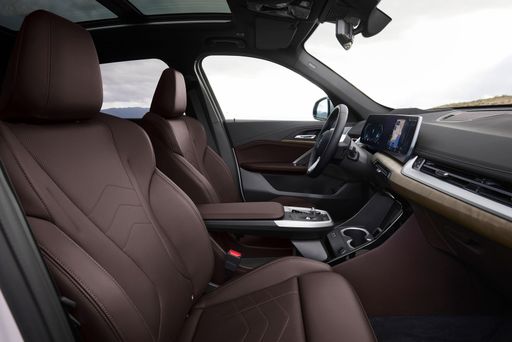
The BMW iX1 wraps BMW's electric ambition into a compact SUV package that feels unexpectedly premium, with sharp handling and a crisp, modern cabin that keeps the driver in charge. It's ideal for buyers who want a stylish, quiet daily driver with useful practicality and tech-savvy touches — plus enough character to make the commute feel less like a chore and more like a short joyride.

details
Volvo EX30
BMW iX1

Costs and Consumption

Price
33,000 - 49,100 £
Price
42,300 - 55,200 £
Consumption L/100km
-
Consumption L/100km
-
Consumption kWh/100km
17 - 18.3 kWh/100km
Consumption kWh/100km
14.3 - 15.7 kWh/100km
Electric Range
339 - 476 km
Electric Range
466 - 514 km
Battery Capacity
49 - 65 kWh
Battery Capacity
-
co2
0 g/km
co2
0 g/km
Fuel tank capacity
-
Fuel tank capacity
-

Dimensions and Body

Body Type
SUV
Body Type
SUV
Seats
5
Seats
5
Doors
5
Doors
-
Curb weight
1,840 - 1,960 kg
Curb weight
1,940 - 2,085 kg
Trunk capacity
318 L
Trunk capacity
490 L
Length
4,233 mm
Length
-
Width
1,838 mm
Width
1,845 mm
Height
1,550 mm
Height
-
Max trunk capacity
1,000 L
Max trunk capacity
-
Payload
370 - 390 kg
Payload
495 kg

Engine and Performance

Engine Type
Electric
Engine Type
Electric
Transmission
Automatic
Transmission
Automatic
Transmission Detail
Reduction Gearbox
Transmission Detail
Reduction Gearbox
Drive Type
Rear-Wheel Drive, All-Wheel Drive
Drive Type
Front-Wheel Drive, All-Wheel Drive
Power HP
272 - 428 HP
Power HP
204 - 313 HP
Acceleration 0-100km/h
3.6 - 5.7 s
Acceleration 0-100km/h
5.6 - 8.6 s
Max Speed
180 km/h
Max Speed
-
Torque
343 - 543 Nm
Torque
250 - 494 Nm
Number of Cylinders
-
Number of Cylinders
-
Power kW
200 - 315 kW
Power kW
150 - 230 kW
Engine capacity
-
Engine capacity
-

General

Model Year
2,024 - 2,025
Model Year
2,026
CO2 Efficiency Class
A
CO2 Efficiency Class
A
Brand
Volvo
Brand
BMW
DriveDuel uses data analysis and artificial intelligence to evaluate vehicle data and create content. Content is regularly reviewed and improved. The displayed prices are estimates based on German list prices, adjusted to the respective country’s VAT. Country-specific registration taxes are not included. This information is not legally binding.