VS

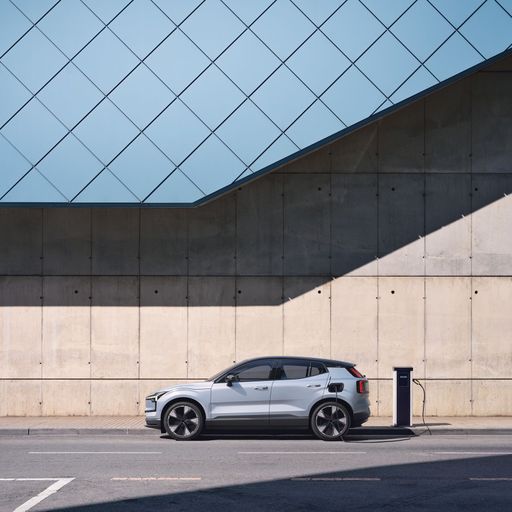
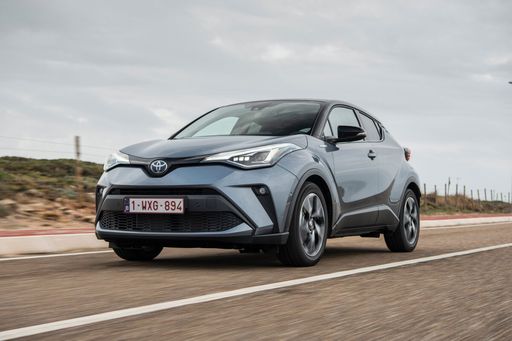
Volvo EX30 vs Toyota C-HR comparison

Compare performance (428 HP vs 223 HP), boot space and price (30,000 £ vs 29,100 £ ) at a glance. Find out which car is the better choice for you – Volvo EX30 or Toyota C-HR?

Volvo EX30 vs Toyota C-HR: Key differences

Volvo EX30

3.7 (6 Reviews)
rate
  • considerably more power
  • substantially more electric range
  • substantially quicker 0–100 km/h
details

Toyota C-HR

4.9 (5 Reviews)
rate
  • barely cheaper
  • clearly lighter
details

All details on performance, efficiency, range and trunk space can be found in the technical comparison below – including user reviews for both models.

By Achim Sedelmaier

EX30

A Clash of Innovation: Toyota C-HR vs. Volvo EX30

The automotive world is abuzz with excitement as two dynamic SUVs, the Toyota C-HR and the Volvo EX30, make their way into 2024 and 2025 model years. Each of these vehicles offers a unique blend of technology, performance, and comfort designed to cater to varying consumer preferences. In this article, we will explore the technical aspects and innovations that define these compelling models and help buyers consider which aligns best with their lifestyle.
C-HR

Powertrains and Performance

The Toyota C-HR offers a choice between Full Hybrid and Plug-In Hybrid engines, producing power outputs ranging from 140 to 223 HP. Its hybrid powertrains enable the C-HR to achieve impressive fuel consumption rates, averaging as low as 4.7 L/100km. This efficiency is complemented by an electric range of up to 67 km, making it a solid option for city driving.

In stark contrast, the Volvo EX30 is entirely electric, showcasing an array of power options with outputs from 272 to an exhilarating 428 HP. With a swift acceleration of 0 to 100 km/h as quick as 3.6 seconds, the EX30 obliterates the hybrid competition in terms of performance. Additionally, the EX30 provides a remarkable electric range that varies between 339 to 476 km depending on the battery capacity of 49 to 65 kWh. This underscores Volvo's commitment to sustainability without sacrificing driving pleasure.

EX30

Transmission and Handling

The C-HR features a Continuously Variable Transmission (CVT) that enhances fuel efficiency while providing a smooth driving experience. This characteristic makes the C-HR ideal for urban environments where stop-and-go traffic is the norm. The option of front-wheel drive or all-wheel drive further allows drivers to tailor their experience based on their handling preferences.

The EX30, on the other hand, uses a reduction gearbox, typical in electric vehicles. This technology ensures instant torque delivery, which enhances responsiveness and handling dynamics. Available in both rear-wheel drive and all-wheel drive configurations, the EX30 promises an engaging driving experience, even in challenging conditions.

C-HR

Design and Interior Comfort

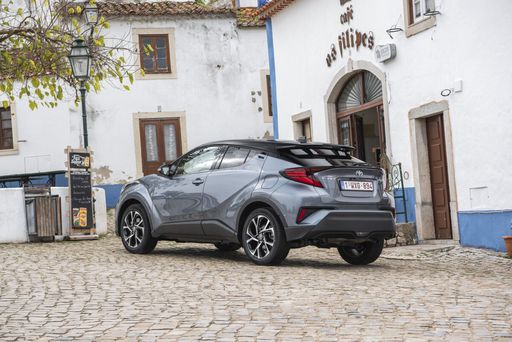
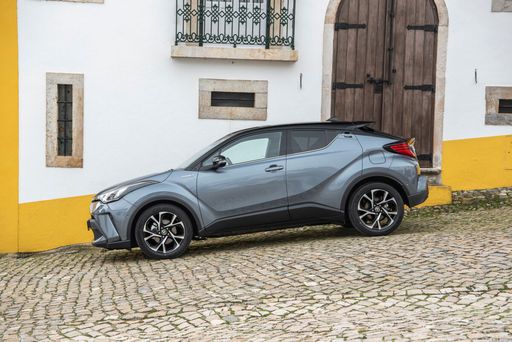
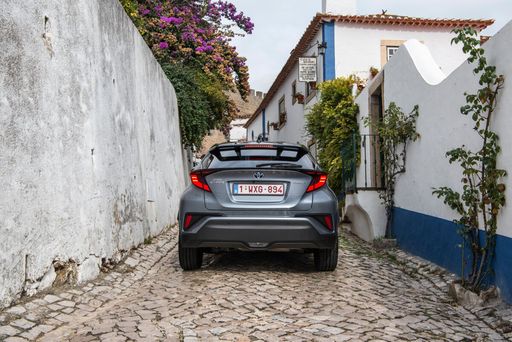
On the exterior, the Toyota C-HR boasts a modern and sporty design with a length of 4362 mm, width of 1832 mm, and height variations between 1558 and 1564 mm. The stylish curves and sophisticated LED lights ensure the C-HR stands out on the road while providing practical features like a substantial trunk capacity of 447 L.

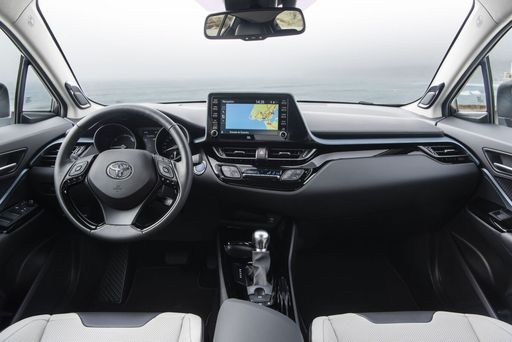
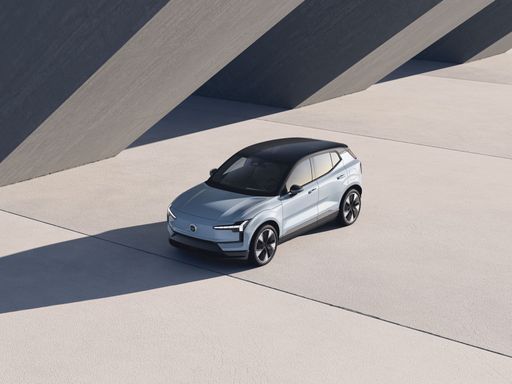
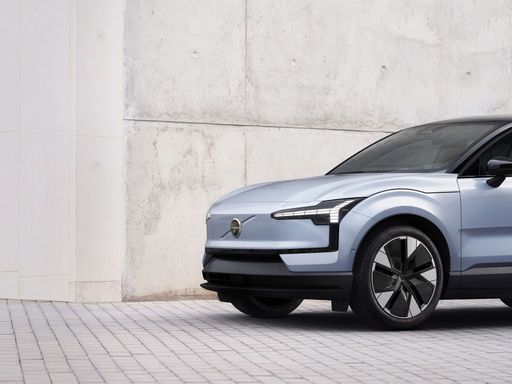
In contrast, the Volvo EX30, which measures 4233 mm in length and 1837 mm in width, speaks to those who appreciate minimalist Scandinavian design. The interior encapsulates comfort with high-quality materials, emphasizing safety and technology without excessive distractions. While its trunk capacity of 318 L is slightly smaller, the EX30 compensates with intuitive storage solutions throughout the cabin.

EX30

Families and Versatility

Both vehicles are equipped with ample seating for five passengers, making them suitable family options. However, the C-HR's trunk space allows for more luggage and groceries, critical for weekend trips or daily errands. Additionally, the C-HR offers personal payload capacities varying from 375 to 425 kg depending on the trim, making it versatile for a range of uses.

The Volvo EX30 focuses heavily on passenger safety and comfort, earning a top CO2 efficiency class of A due to its zero-emissions nature. While its payload of 370 to 390 kg might be less than the C-HR's, it still supports the essentials for everyday family life.

C-HR

Conclusion: Which One to Choose?

Ultimately, the choice between the Toyota C-HR and the Volvo EX30 will come down to personal preferences and lifestyle needs. If you're seeking a hybrid vehicle with exceptional fuel efficiency and roomier cargo space, the C-HR is an excellent choice. Alternatively, if performance and sustainability are at the top of your list, the EX30's electric prowess and cutting-edge technology will undoubtedly appeal to you.

As both vehicles embrace the shift towards greener mobility, they represent the best of what modern automotive engineering can offer, ensuring every drive is not just a journey, but an experience.

Here’s where it gets real: The technical differences in detail

EX30

Costs and Efficiency:

Price and efficiency are key factors when choosing a car – and this is often where the real differences emerge.

Toyota C-HR is barely cheaper – starting at 29,100 £ , while the Volvo EX30 costs 30,000 £ . That’s a price difference of around 857 £.

As for electric range, the Volvo EX30 offers substantially more range – reaching up to 475 km, about 409 km more than the Toyota C-HR.

C-HR

Engine and Performance:

Under the bonnet, it becomes clear which model is tuned for sportiness and which one takes the lead when you hit the accelerator.

When it comes to engine power, the Volvo EX30 offers considerably more power – delivering 428 HP compared to 223 HP. That’s roughly 205 HP more horsepower.

When accelerating from 0 to 100 km/h, the Volvo EX30 is substantially quicker – completing the sprint in 3.6 s, while the Toyota C-HR takes 7.4 s. That’s about 3.8 s quicker.

EX30

Space and Everyday Use:

Cabin size, boot volume and payload all play a role in everyday practicality. Here, comfort and flexibility make the difference.

Both vehicles offer seating for 5 people.

In terms of curb weight, Toyota C-HR is clearly lighter – 1,505 kg compared to 1,840 kg. The difference is around 335 kg.

When it comes to payload, the Toyota C-HR carries marginally more – 425 kg compared to 390 kg. That’s a difference of about 35 kg.

Who wins the race in the data check?

The Volvo EX30 is far ahead overall in the objective data comparison.
This result only shows which model scores more points on paper – not which of the two cars feels right for you.

from £30,000
EX30

Volvo EX30

  • Engine Type : Electric
  • Transmission : Automatic
  • Drive Type : Rear-Wheel Drive, All-Wheel Drive
  • Power HP : 150 - 428 HP
  • Consumption kWh/100km : 17 - 18.3 kWh/100km
  • Electric Range : 339 - 475 km
Volvo EX30
Toyota C-HR

Costs and Consumption

View detailed analysis

Engine and Performance

View detailed analysis

Dimensions and Body

View detailed analysis

Volvo EX30

The Volvo EX30 arrives as a compact electric with crisp Scandinavian design and a cheeky personality, proving you can be serious about safety and still enjoy a grin on your commute. Its cabin is cleverly packaged and delightfully easy to live with, offering smart tech and practical touches that make it feel like a grown-up's city car with a sense of fun.

details

Toyota C-HR

The Toyota C-HR wraps efficient hybrid drivetrains in dramatic, European‑tuned styling and a noticeably upmarket cabin, delivering composed ride quality and easy city manners that suit style‑minded commuters and company drivers. Accept a tighter, dim rear seat, a fiddly high‑lip boot and occasional CVT grumble plus persistent warning chimes, and you get a very economical, confident little crossover that prizes individuality over outright practicality.

details
Volvo EX30
Toyota C-HR

Costs and Consumption

Price
30,000 - 47,800 £
Price
29,100 - 42,800 £
Consumption L/100km
-
Consumption L/100km
2.3 - 5.1 L/100km
Consumption kWh/100km
17 - 18.3 kWh/100km
Consumption kWh/100km
-
Electric Range
339 - 475 km
Electric Range
66 km
Battery Capacity
-
Battery Capacity
-
co2
0 g/km
co2
52 - 116 g/km
Fuel tank capacity
-
Fuel tank capacity
-

Dimensions and Body

Body Type
SUV
Body Type
SUV
Seats
5
Seats
5
Doors
-
Doors
-
Curb weight
1,840 - 1,960 kg
Curb weight
1,505 - 1,755 kg
Trunk capacity
-
Trunk capacity
350 - 447 L
Length
-
Length
-
Width
1,838 mm
Width
1,832 mm
Height
-
Height
-
Max trunk capacity
-
Max trunk capacity
-
Payload
370 - 390 kg
Payload
375 - 425 kg

Engine and Performance

Engine Type
Electric
Engine Type
Full Hybrid, Plugin Hybrid
Transmission
Automatic
Transmission
Automatic
Transmission Detail
Reduction Gearbox
Transmission Detail
CVT
Drive Type
Rear-Wheel Drive, All-Wheel Drive
Drive Type
Front-Wheel Drive, All-Wheel Drive
Power HP
150 - 428 HP
Power HP
140 - 223 HP
Acceleration 0-100km/h
3.6 - 8.6 s
Acceleration 0-100km/h
7.4 - 9.9 s
Max Speed
-
Max Speed
-
Torque
343 - 543 Nm
Torque
-
Number of Cylinders
-
Number of Cylinders
4
Power kW
110 - 315 kW
Power kW
103 - 164 kW
Engine capacity
-
Engine capacity
1,798 - 1,987 cm3

General

Model Year
2026
Model Year
2026
CO2 Efficiency Class
A
CO2 Efficiency Class
C, D, B
Brand
Volvo
Brand
Toyota
DriveDuel uses data analysis and artificial intelligence to evaluate vehicle data and create content. Content is regularly reviewed and improved. The displayed prices are estimates based on German list prices, adjusted to the respective country’s VAT. Country-specific registration taxes are not included. This information is not legally binding.