VS

Volvo EX60 vs Mercedes GLB comparison

Compare performance (680 HP vs 354 HP), boot space and price (54,000 £ vs 43,200 £ ) at a glance. Find out which car is the better choice for you – Volvo EX60 or Mercedes GLB?

Volvo EX60 vs Mercedes GLB: Key differences

Volvo EX60

  • significantly more power
  • only slightly more efficient
  • visibly more electric range
  • clearly quicker 0–100 km/h
details

Mercedes GLB

3.6 (4 Reviews)
rate
  • visibly cheaper
  • slightly lighter
  • very slightly more trunk space
details

All details on performance, efficiency, range and trunk space can be found in the technical comparison below – including user reviews for both models.

By Achim Sedelmaier

EX60

Head-to-head: Mercedes GLB VS Volvo EX60 — compact SUV meets electric contender

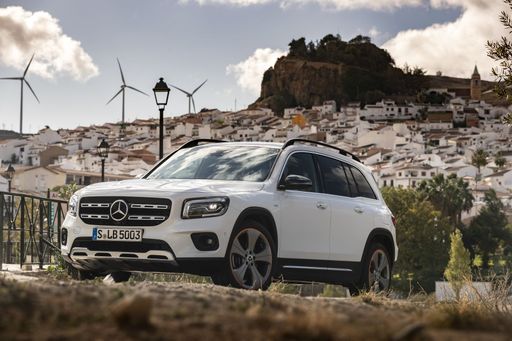
The Mercedes GLB and the Volvo EX60 go head-to-head in a comparison that pits a practical, compact SUV against a modern electric crossover. This is a classic contrast: the GLB wears utility on its sleeve, while the EX60 projects a tech-forward, refined image. If you’re searching for clear differences between a traditional small SUV and a purpose-built electric model, this is the duel to study. We’ll look beyond badges to how each car behaves day-to-day, who it flatters, and where it will frustrate you.
GLB

Two attitudes, one parking space

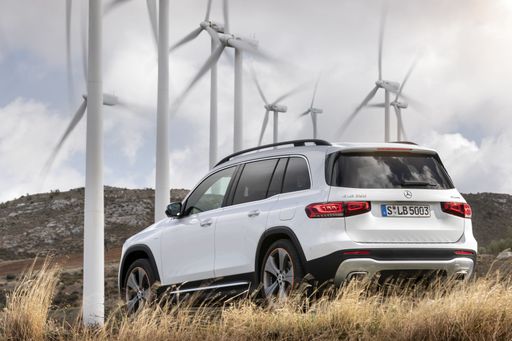
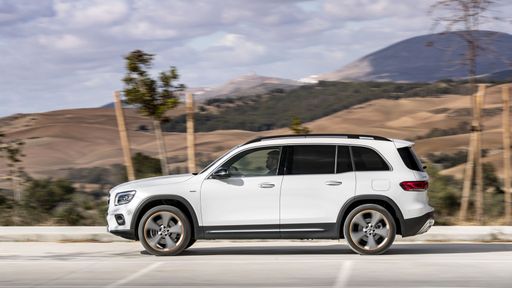
The Mercedes GLB feels like the sensible German cousin — squared-off, territory-focused, and honest about its purpose — whereas the Volvo EX60 plays a softer, more modern tune with an emphasis on refinement and tech. Mercedes leans toward practical robustness and a family-friendly presence, while Volvo aims to impress with calm luxury and a progressive electric personality. That difference in tone changes everything: the GLB announces usefulness, the EX60 suggests selective indulgence. Both are confident, but they speak to different kinds of drivers.

EX60

Daily life: errands, school runs and motorway miles

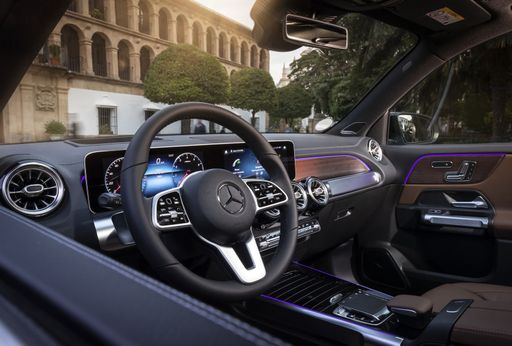
In everyday use the Mercedes GLB is the kind of car that makes loading bikes, booster seats and supermarket hauls feel straightforward and unremarkable — exactly what family life needs. The Volvo EX60 trades a touch of boot-room brute force for a quieter, more refined cabin that rewards longer trips and quieter commutes. In town you’ll appreciate the GLB’s clarity and easy usability, while the EX60’s electric character and composed ride come into their own on the open road. Neither is impractical, but each prioritizes different everyday strengths.

GLB

Buying it for reason or for the story you tell

People choose the Mercedes GLB because it’s a credible, pragmatic choice that doesn’t try too hard — it’s defensible to friends, to family budgets and to the school run. Folks who pick the Volvo EX60 are often buying a narrative: cleaner tech, a premium cabin vibe, and the kind of presence that signals modern taste. The GLB sells competence and a bit of understatement; the EX60 sells refinement and that new-car electric mystique. Your decision will likely come down to whether you want to brag in the driveway or breathe easy on the motorway.

Who should consider the Mercedes GLB?

If you value straightforward functionality and sensible packaging, the Mercedes GLB will make a persuasive case: think commuters who need space and families that value practicality above flash. Its character suits the Pragmatist who wants flexible use and the Comfort-minded driver who prefers predictable ride and seating ergonomics. The GLB is the sort of car that won’t embarrass you at a business meeting but won’t steal the show either. It’s a safe, sensible choice for people who measure returns in everyday convenience.

Who should consider the Volvo EX60 — and how that reflects on the GLB

The Volvo EX60 is aimed squarely at the Tech- and Design-minded buyer who wants an electric car that feels premium and modern rather than merely practical. If you care about a serene cabin, advanced driver aids and a car that reads like a tech statement, the EX60 will impress in ways the GLB does not. That said, mentioning the Mercedes GLB in the same breath highlights the trade-off: the GLB is the more overtly practical alternative when real-world chores matter most. Read on to the detailed spec breakdown to see how those real differences add up on paper.

Here’s where it gets real: The technical differences in detail

EX60

Costs and Efficiency:

Price and efficiency are often the first things buyers look at. Here it becomes clear which model has the long-term edge – whether at the pump, the plug, or in purchase price.

Mercedes GLB is visibly cheaper – starting at 43,200 £ , while the Volvo EX60 costs 54,000 £ . That’s a price difference of around 10,794 £.

In terms of energy consumption, the Volvo EX60 is only slightly more efficient: consuming 14.7 kWh/100km compared to 15.4 kWh/100km for the Mercedes GLB. That’s a difference of about 0.7 kWh/100km.

As for electric range, the Volvo EX60 offers visibly more range – reaching up to 810 km, about 179 km more than the Mercedes GLB.

GLB

Engine and Performance:

Power, torque and acceleration say a lot about how a car feels on the road. This is where you see which model delivers more driving dynamics.

When it comes to engine power, the Volvo EX60 offers significantly more power – delivering 680 HP compared to 354 HP. That’s roughly 326 HP more horsepower.

When accelerating from 0 to 100 km/h, the Volvo EX60 is clearly quicker – completing the sprint in 3.9 s, while the Mercedes GLB takes 5.5 s. That’s about 1.6 s quicker.

There’s also a difference in torque: the Volvo EX60 delivers visibly more torque with 790 Nm compared to 515 Nm. That’s about 275 Nm more.

EX60

Space and Everyday Use:

Cabin size, boot volume and payload all play a role in everyday practicality. Here, comfort and flexibility make the difference.

Both vehicles offer seating for 5 people.

In terms of curb weight, Mercedes GLB is slightly lighter – 1,840 kg compared to 2,190 kg. The difference is around 350 kg.

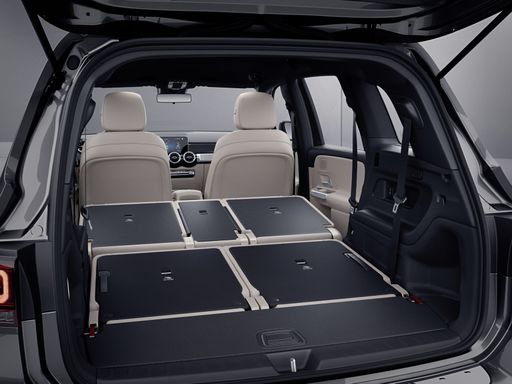
Looking at boot space, the Mercedes GLB offers very slightly more boot space – 540 L compared to 523 L. That’s a difference of about 17 L.

When it comes to payload, the Mercedes GLB carries only slightly more – 505 kg compared to 460 kg. That’s a difference of about 45 kg.

Who wins the race in the data check?

The Volvo EX60 is clearly superior overall in the objective data comparison.
This result only shows which model scores more points on paper – not which of the two cars feels right for you.

from £54,000
EX60

Volvo EX60

  • Engine Type : Electric
  • Transmission : Automatic
  • Drive Type : Rear-Wheel Drive, All-Wheel Drive
  • Power HP : 374 - 680 HP
  • Consumption kWh/100km : 14.7 - 16.2 kWh/100km
  • Electric Range : 620 - 810 km
Volvo EX60
Mercedes GLB

Costs and Consumption

View detailed analysis

Engine and Performance

View detailed analysis

Dimensions and Body

View detailed analysis

Volvo EX60

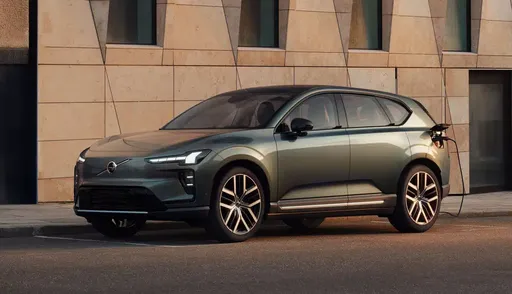
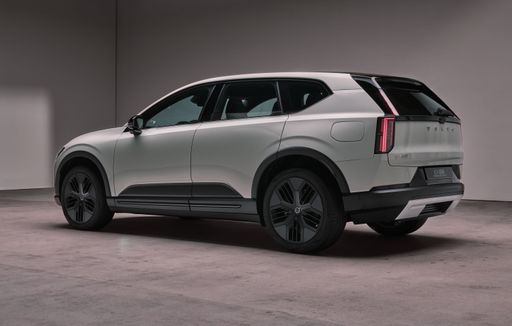
The Volvo EX60 arrives as a sleek, family-friendly electric SUV that blends Scandinavian restraint with a surprising dash of personality, wrapping a calm, premium cabin around practical everyday usability. It’s aimed at buyers who prize safety and comfort but still want a car that rewards an enthusiastic drive, proving that sensible can be quietly fun.

details

Mercedes GLB

The Mercedes GLB is a practical compact SUV that mixes boxy, family-friendly space with premium German polish, making it an appealing choice for buyers who want usefulness without pretension. It drives with a confident, composed feel and somehow manages to look both rugged and refined — the grown-up SUV that still likes to have fun.

details
Volvo EX60
Mercedes GLB

Costs and Consumption

Price
54,000 - 70,100 £
Price
43,200 - 62,400 £
Consumption L/100km
-
Consumption L/100km
5.7 - 6.1 L/100km
Consumption kWh/100km
14.7 - 16.2 kWh/100km
Consumption kWh/100km
15.4 - 15.9 kWh/100km
Electric Range
620 - 810 km
Electric Range
431 - 631 km
Battery Capacity
-
Battery Capacity
-
co2
0 g/km
co2
0 - 138 g/km
Fuel tank capacity
-
Fuel tank capacity
-

Dimensions and Body

Body Type
SUV
Body Type
SUV
Seats
5
Seats
5
Doors
-
Doors
-
Curb weight
2,190 - 2,425 kg
Curb weight
1,840 - 2,280 kg
Trunk capacity
523 L
Trunk capacity
540 L
Length
-
Length
-
Width
1,899 mm
Width
1,861 mm
Height
-
Height
-
Max trunk capacity
-
Max trunk capacity
-
Payload
435 - 460 kg
Payload
485 - 505 kg

Engine and Performance

Engine Type
Electric
Engine Type
Electric, Full Hybrid
Transmission
Automatic
Transmission
Automatic
Transmission Detail
Reduction Gearbox
Transmission Detail
Reduction Gearbox
Drive Type
Rear-Wheel Drive, All-Wheel Drive
Drive Type
Rear-Wheel Drive, All-Wheel Drive
Power HP
374 - 680 HP
Power HP
156 - 354 HP
Acceleration 0-100km/h
3.9 - 5.9 s
Acceleration 0-100km/h
5.5 - 9.7 s
Max Speed
-
Max Speed
-
Torque
480 - 790 Nm
Torque
280 - 515 Nm
Number of Cylinders
-
Number of Cylinders
4
Power kW
275 - 500 kW
Power kW
115 - 260 kW
Engine capacity
-
Engine capacity
1,499 cm3

General

Model Year
2,026 - 2,027
Model Year
2026
CO2 Efficiency Class
A
CO2 Efficiency Class
A, D, E
Brand
Volvo
Brand
Mercedes-Benz
DriveDuel uses data analysis and artificial intelligence to evaluate vehicle data and create content. Content is regularly reviewed and improved. The displayed prices are estimates based on German list prices, adjusted to the respective country’s VAT. Country-specific registration taxes are not included. This information is not legally binding.