VS

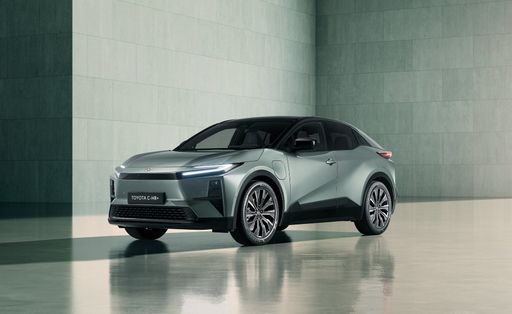
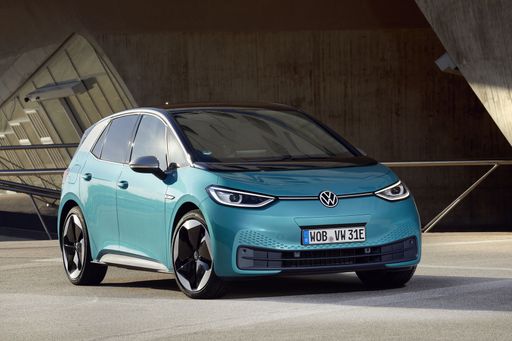
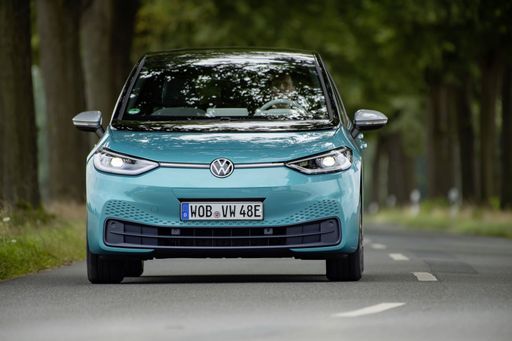
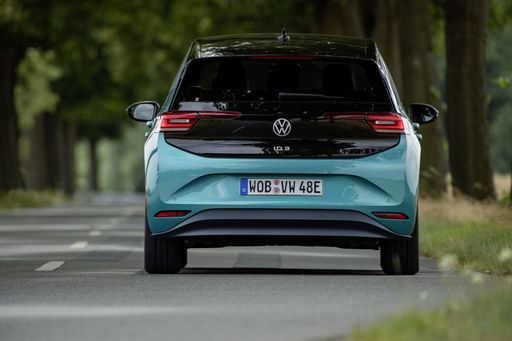
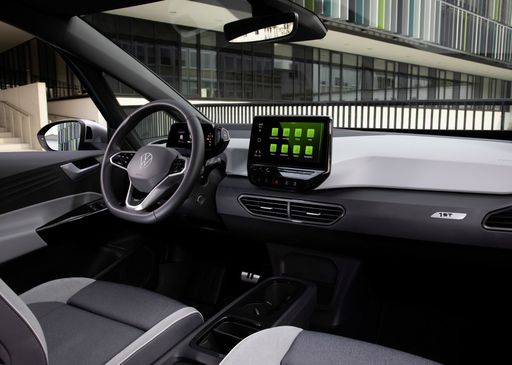
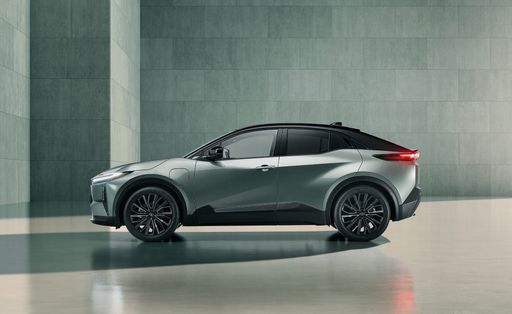
VW ID.3 vs Toyota C-HR+ comparison

Compare performance (326 HP vs 343 HP), boot space and price (28,600 £ vs 36,000 £ ) at a glance. Find out which car is the better choice for you – VW ID.3 or Toyota C-HR+?

VW ID.3 vs Toyota C-HR+: Key differences

VW ID.3

4.9 (3 Reviews)
rate
  • noticeably cheaper
  • barely lighter

Toyota C-HR+

  • marginally more power
  • very slightly more efficient
  • very slightly more electric range
  • marginally quicker 0–100 km/h
  • barely more trunk space

All details on performance, efficiency, range and trunk space can be found in the technical comparison below – including user reviews for both models.

By Achim Sedelmaier

Here’s where it gets real: The technical differences in detail

ID.3

Costs and Efficiency:

When it comes to price and running costs, the biggest differences usually appear. This is often where you see which car fits your budget better in the long run.

VW ID.3 is noticeably cheaper – starting at 28,600 £ , while the Toyota C-HR+ costs 36,000 £ . That’s a price difference of around 7,423 £.

In terms of energy consumption, the Toyota C-HR+ is very slightly more efficient: consuming 13.4 kWh/100km compared to 14.5 kWh/100km for the VW ID.3. That’s a difference of about 1.1 kWh/100km.

As for electric range, the Toyota C-HR+ offers very slightly more range – reaching up to 607 km, about 2 km more than the VW ID.3.

C-HR+

Engine and Performance:

Power, torque and acceleration say a lot about how a car feels on the road. This is where you see which model delivers more driving dynamics.

When it comes to engine power, the Toyota C-HR+ offers marginally more power – delivering 343 HP compared to 326 HP. That’s roughly 17 HP more horsepower.

When accelerating from 0 to 100 km/h, the Toyota C-HR+ is marginally quicker – completing the sprint in 5.2 s, while the VW ID.3 takes 5.7 s. That’s about 0.5 s quicker.

There’s also a difference in torque: the VW ID.3 delivers markedly more torque with 545 Nm compared to 338 Nm. That’s about 207 Nm more.

ID.3

Space and Everyday Use:

Whether family car or daily driver – which one offers more room, flexibility and comfort?

Both vehicles offer seating for 5 people.

In terms of curb weight, VW ID.3 is barely lighter – 1,787 kg compared to 1,810 kg. The difference is around 23 kg.

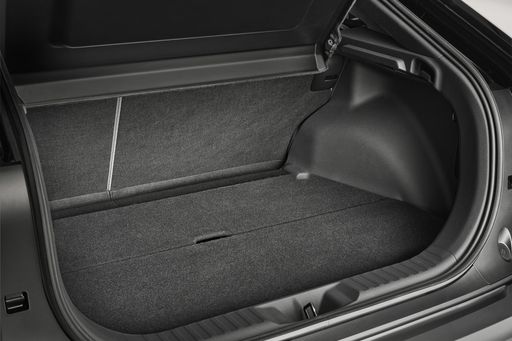
Looking at boot space, the Toyota C-HR+ offers barely more boot space – 416 L compared to 385 L. That’s a difference of about 31 L.

When it comes to payload, the Toyota C-HR+ carries markedly more – 655 kg compared to 473 kg. That’s a difference of about 182 kg.

Who wins the race in the data check?

The VW ID.3 is barely ahead in the objective data comparison.
This result only shows which model scores more points on paper – not which of the two cars feels right for you.

from £28,600
ID.3

VW ID.3

  • Engine Type : Electric
  • Transmission : Automatic
  • Drive Type : Rear-Wheel Drive
  • Power HP : 170 - 326 HP
  • Consumption kWh/100km : 14.5 - 15.8 kWh/100km
  • Electric Range : 383 - 605 km
VW ID.3
Toyota C-HR+

Costs and Consumption

View detailed analysis

Engine and Performance

View detailed analysis

Dimensions and Body

View detailed analysis

VW ID.3

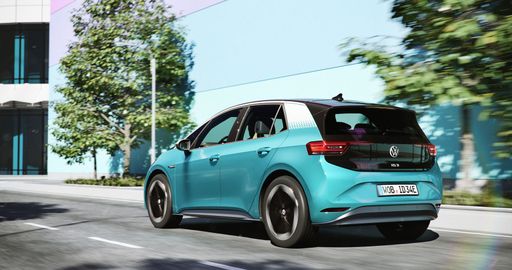
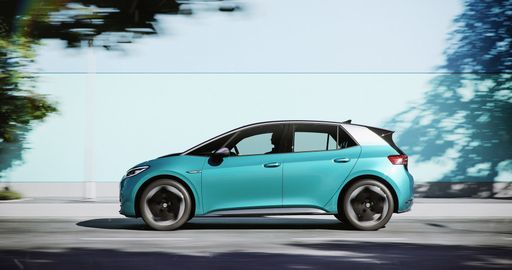
The VW ID.3 is a crisply styled electric hatch that masks serious practicality behind a friendly, modern face, making city runs and longer trips pleasantly fuss free. For buyers seeking a sensible, well-equipped EV that doesn't take itself too seriously, the ID.3 strikes a neat balance of comfort, tech and everyday usability with a cheeky smile.

details

Toyota C-HR+

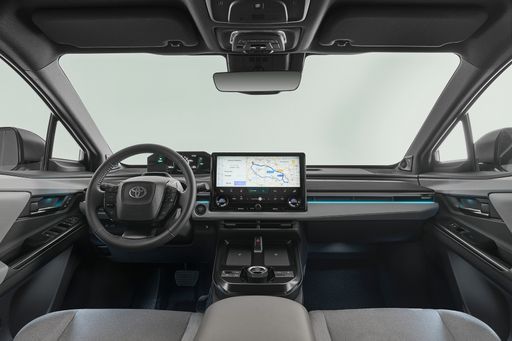
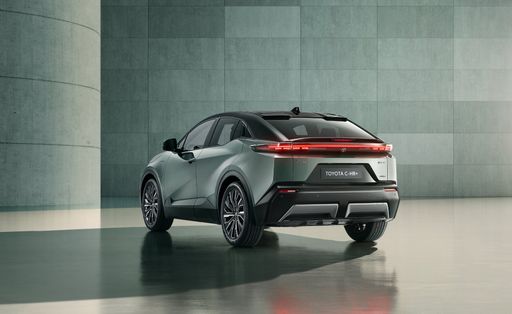
The Toyota C-HR+ mixes sharp, coupe-like styling with comfortable, surprisingly practical packaging, making a bold statement around town and on the weekend run. It’s aimed at drivers who value standout looks and fuss-free ownership over sports-car thrills, so if you want personality and reliability in one tidy package, book a test drive.

details
VW ID.3
Toyota C-HR+

Costs and Consumption

Price
28,600 - 49,300 £
Price
36,000 - 46,300 £
Consumption L/100km
-
Consumption L/100km
-
Consumption kWh/100km
14.5 - 15.8 kWh/100km
Consumption kWh/100km
13.4 - 15.5 kWh/100km
Electric Range
383 - 605 km
Electric Range
458 - 607 km
Battery Capacity
52 - 79 kWh
Battery Capacity
-
co2
0 g/km
co2
0 g/km
Fuel tank capacity
-
Fuel tank capacity
-

Dimensions and Body

Body Type
Hatchback
Body Type
SUV
Seats
5
Seats
5
Doors
5
Doors
-
Curb weight
1,787 - 1,993 kg
Curb weight
1,810 - 2,010 kg
Trunk capacity
385 L
Trunk capacity
416 L
Length
4,264 mm
Length
-
Width
1,809 mm
Width
1,870 mm
Height
1,564 mm
Height
-
Max trunk capacity
1,267 L
Max trunk capacity
-
Payload
437 - 473 kg
Payload
550 - 655 kg

Engine and Performance

Engine Type
Electric
Engine Type
Electric
Transmission
Automatic
Transmission
Automatic
Transmission Detail
Reduction Gearbox
Transmission Detail
Reduction Gearbox
Drive Type
Rear-Wheel Drive
Drive Type
Front-Wheel Drive, All-Wheel Drive
Power HP
170 - 326 HP
Power HP
167 - 343 HP
Acceleration 0-100km/h
5.7 - 8.2 s
Acceleration 0-100km/h
5.2 - 8.4 s
Max Speed
160 - 200 km/h
Max Speed
-
Torque
310 - 545 Nm
Torque
268 - 338 Nm
Number of Cylinders
-
Number of Cylinders
-
Power kW
125 - 240 kW
Power kW
123 - 252 kW
Engine capacity
-
Engine capacity
-

General

Model Year
2,024 - 2,025
Model Year
2,026
CO2 Efficiency Class
A
CO2 Efficiency Class
A
Brand
VW
Brand
Toyota
DriveDuel uses data analysis and artificial intelligence to evaluate vehicle data and create content. Content is regularly reviewed and improved. The displayed prices are estimates based on German list prices, adjusted to the respective country’s VAT. Country-specific registration taxes are not included. This information is not legally binding.