VS

VW ID.4 vs BMW iX1 comparison

Compare performance (340 HP vs 313 HP), boot space and price (34,600 £ vs 42,300 £ ) at a glance. Find out which car is the better choice for you – VW ID.4 or BMW iX1?

VW ID.4 vs BMW iX1: Key differences

VW ID.4

4.5 (7 Reviews)
rate
  • clearly cheaper
  • only slightly more power
  • marginally more electric range
  • barely quicker 0–100 km/h
  • only slightly more trunk space

BMW iX1

4.7 (3 Reviews)
rate
  • barely more efficient
  • only slightly lighter

All details on performance, efficiency, range and trunk space can be found in the technical comparison below – including user reviews for both models.

ID.4

Introduction: The New Electric SUVs Duel

The automotive landscape is rapidly evolving, with electric vehicles taking center stage. In this exciting segment, we compare the BMW iX1 and the Volkswagen ID.4, two robust electric SUVs that promise performance, innovation, and efficiency. Let's dive into the unique features, technical specifications, and what makes each vehicle stand out in this competitive market.

iX1

Design and Dimensions: A Fresh Take on SUVs

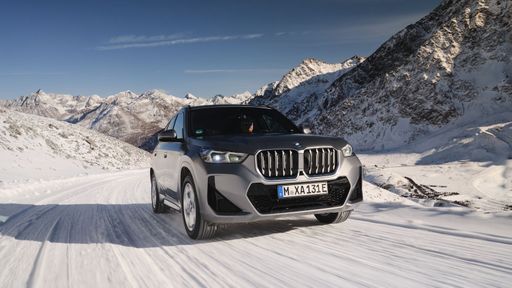
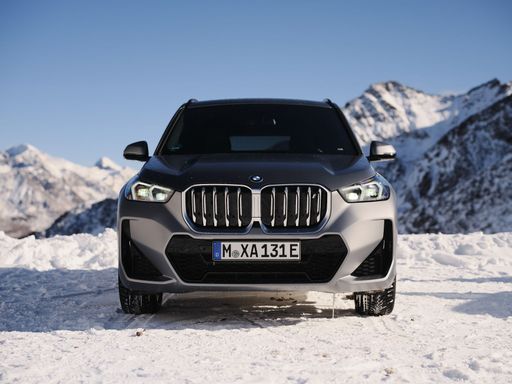
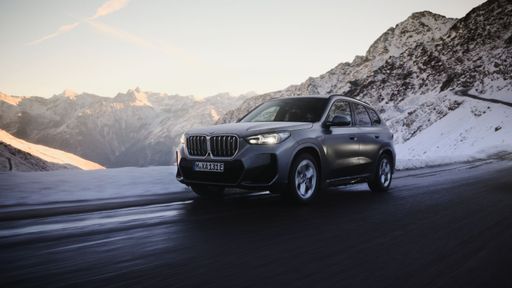
The BMW iX1 features a striking design, combining elegance with functionality. Measuring 4500 mm in length, 1845 mm in width, and 1616 mm in height, the iX1 offers a refined aesthetic and a spacious interior. It accentuates BMW's commitment to producing premium quality vehicles.

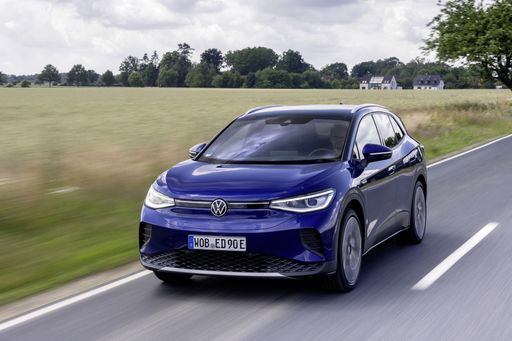
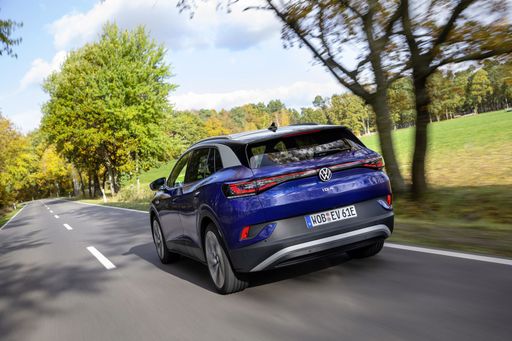
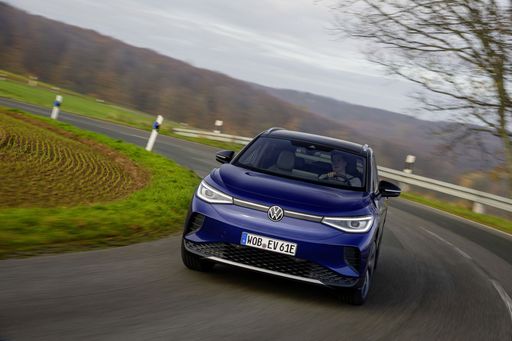
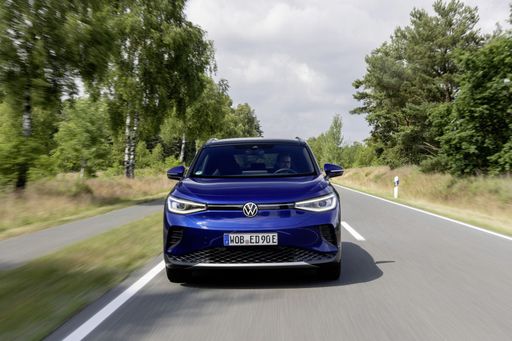
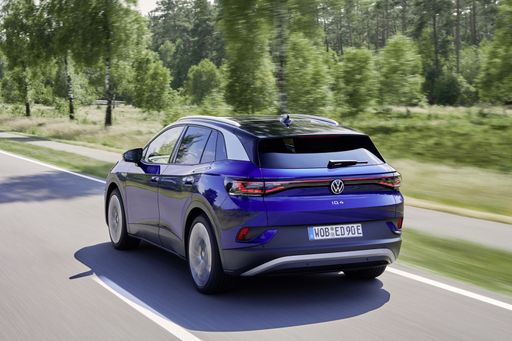
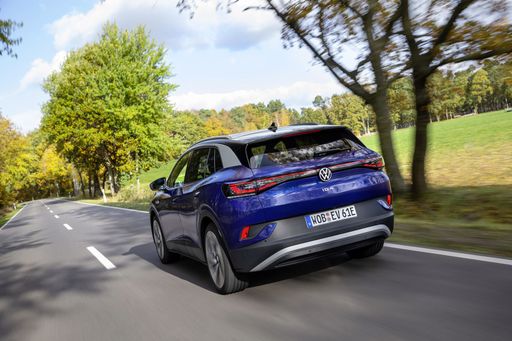
On the other hand, the Volkswagen ID.4 is slightly larger, with dimensions of 4584 mm in length, 1852 mm in width, and anywhere between 1619 mm to 1634 mm in height depending on the variant. This translates into a more rugged appearance and a roomier interior, appealing to families and adventurous drivers alike.

ID.4

Power and Performance: Electric Excellence

Under the hood, the BMW iX1 offers two power configurations: a 204 HP front-wheel-drive model and a sportier 313 HP all-wheel-drive variant. The vehicle can accelerate from 0 to 100 km/h in just 8.6 seconds for the base version and an impressive 5.6 seconds for the high-powered model. Its 64.8 kWh battery provides an electric range of up to 463 km, making it an attractive option for long-distance driving.

In contrast, the Volkswagen ID.4 shines with multiple power choices, offering outputs from 170 HP to a robust 340 HP. Its acceleration capabilities vary as well, with the top model achieving 0-100 km/h in just 5.4 seconds. With battery sizes ranging from 52 kWh to 77 kWh, the ID.4 boasts an electric range of up to 572 km, making it a formidable contender in the long-distance EV category.

iX1

Efficiency and Sustainability: A Greener Choice

Both vehicles emphasize low energy consumption. The BMW iX1 showcases an impressive consumption rate of 15.8 kWh/100 km for its base model and 17.1 kWh/100 km for the all-wheel-drive variant. The ID.4, similarly, features consumption figures ranging from 15.8 to 16.8 kWh/100 km depending on the variant, emphasizing its efficiency.

With CO2 emissions rated at zero grams per kilometer for both models, they align with the trend towards sustainable motoring, making them excellent options for environmentally-conscious consumers.

ID.4

Interior and Technology: Comfort Meets Innovation

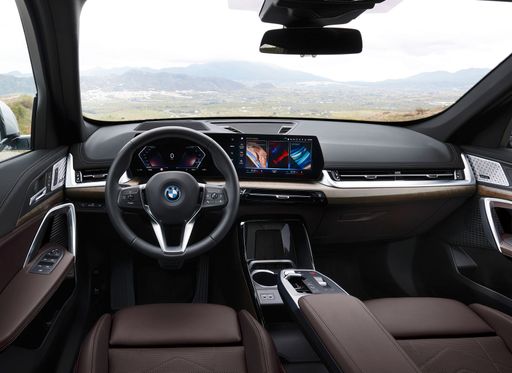
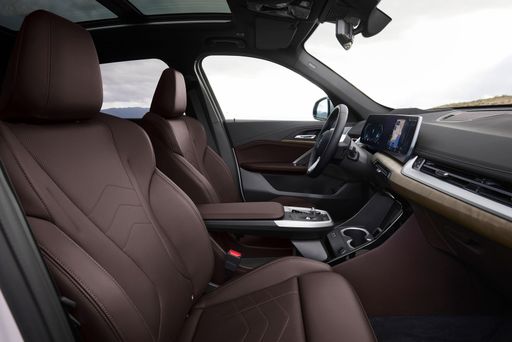
Both the BMW iX1 and VW ID.4 offer a comfortable, tech-savvy interior that caters to modern requirements. The iX1, designed for five passengers, features premium materials and a digital display that echoes BMW's luxury tradition. With a trunk capacity of 490 liters, it offers ample storage for all your needs.

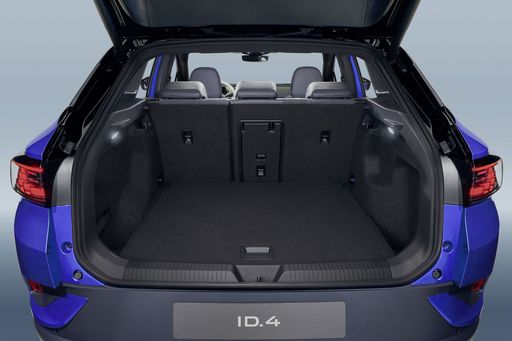
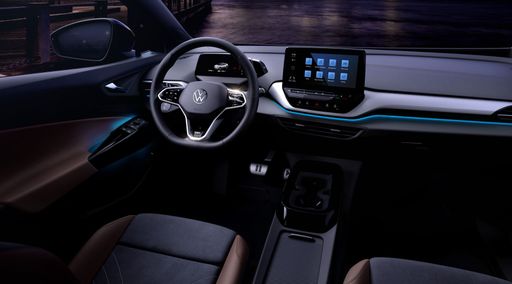
The ID.4, also seating five, comes with a more minimalistic, tech-forward dashboard. Its 543-liter trunk capacity provides additional space for luggage or gear, making it suitable for families and outdoor enthusiasts. Advanced driver-assistance systems, touchscreen interfaces, and connectivity features are highlights in both vehicles, yet the ID.4's software integration may appeal more to tech-savvy buyers.

iX1

Final Verdict: Which EV Wins?

Choosing between the BMW iX1 and Volkswagen ID.4 ultimately depends on personal preference and requirements. The iX1 bridges the gap between luxury and performance, making it an attractive option for those who prioritize brand legacy and driving dynamics. In contrast, the ID.4 serves as a versatile family SUV with an impressive range and a more spacious interior, suitable for longer journeys and daily commutes alike.

Whichever you choose, both the BMW iX1 and the VW ID.4 mark a significant step forward in the pursuit of electric mobility, showcasing innovation and performance in the world of sustainable transport.

Video - VW ID.4

Video Thumbnail

Here’s where it gets real: The technical differences in detail

ID.4

Costs and Efficiency:

When it comes to price and running costs, the biggest differences usually appear. This is often where you see which car fits your budget better in the long run.

VW ID.4 is clearly cheaper – starting at 34,600 £ , while the BMW iX1 costs 42,300 £ . That’s a price difference of around 7,770 £.

In terms of energy consumption, the BMW iX1 is barely more efficient: consuming 14.3 kWh/100km compared to 15.6 kWh/100km for the VW ID.4. That’s a difference of about 1.3 kWh/100km.

As for electric range, the VW ID.4 offers marginally more range – reaching up to 569 km, about 55 km more than the BMW iX1.

iX1

Engine and Performance:

Power, torque and acceleration are the classic benchmarks for car enthusiasts – and here, some clear differences start to show.

When it comes to engine power, the VW ID.4 offers only slightly more power – delivering 340 HP compared to 313 HP. That’s roughly 27 HP more horsepower.

When accelerating from 0 to 100 km/h, the VW ID.4 is barely quicker – completing the sprint in 5.4 s, while the BMW iX1 takes 5.6 s. That’s about 0.2 s quicker.

There’s also a difference in torque: the VW ID.4 delivers clearly more torque with 679 Nm compared to 494 Nm. That’s about 185 Nm more.

ID.4

Space and Everyday Use:

Cabin size, boot volume and payload all play a role in everyday practicality. Here, comfort and flexibility make the difference.

Both vehicles offer seating for 5 people.

In terms of curb weight, BMW iX1 is only slightly lighter – 1,940 kg compared to 1,975 kg. The difference is around 35 kg.

Looking at boot space, the VW ID.4 offers only slightly more boot space – 543 L compared to 490 L. That’s a difference of about 53 L.

When it comes to payload, the VW ID.4 carries slightly more – 551 kg compared to 495 kg. That’s a difference of about 56 kg.

Who wins the race in the data check?

The VW ID.4 is clearly superior overall in the objective data comparison.
This result only shows which model scores more points on paper – not which of the two cars feels right for you.

from £34,600
ID.4

VW ID.4

  • Engine Type : Electric
  • Transmission : Automatic
  • Drive Type : Rear-Wheel Drive, All-Wheel Drive
  • Power HP : 170 - 340 HP
  • Consumption kWh/100km : 15.6 - 17 kWh/100km
  • Electric Range : 356 - 569 km
VW ID.4
BMW iX1

Costs and Consumption

View detailed analysis

Engine and Performance

View detailed analysis

Dimensions and Body

View detailed analysis

VW ID.4

The VW ID.4 is a calm, roomy electric SUV that turns everyday driving into a quietly confident experience, its practical packaging and smooth manners tailored perfectly for family life. Volkswagen's solid build and intuitive interior tech mean you get electric practicality without the sci‑fi theatrics, making the ID.4 a sensible, surprisingly likable choice for most buyers.

details

BMW iX1

The BMW iX1 wraps BMW's electric ambition into a compact SUV package that feels unexpectedly premium, with sharp handling and a crisp, modern cabin that keeps the driver in charge. It's ideal for buyers who want a stylish, quiet daily driver with useful practicality and tech-savvy touches — plus enough character to make the commute feel less like a chore and more like a short joyride.

details
VW ID.4
BMW iX1

Costs and Consumption

Price
34,600 - 47,200 £
Price
42,300 - 55,200 £
Consumption L/100km
-
Consumption L/100km
-
Consumption kWh/100km
15.6 - 17 kWh/100km
Consumption kWh/100km
14.3 - 15.7 kWh/100km
Electric Range
356 - 569 km
Electric Range
466 - 514 km
Battery Capacity
52 - 77 kWh
Battery Capacity
-
co2
0 g/km
co2
0 g/km
Fuel tank capacity
-
Fuel tank capacity
-

Dimensions and Body

Body Type
SUV
Body Type
SUV
Seats
5
Seats
5
Doors
5
Doors
-
Curb weight
1,975 - 2,248 kg
Curb weight
1,940 - 2,085 kg
Trunk capacity
543 L
Trunk capacity
490 L
Length
4,582 - 4,584 mm
Length
-
Width
1,852 mm
Width
1,845 mm
Height
1,619 - 1,634 mm
Height
-
Max trunk capacity
1,575 L
Max trunk capacity
-
Payload
515 - 551 kg
Payload
495 kg

Engine and Performance

Engine Type
Electric
Engine Type
Electric
Transmission
Automatic
Transmission
Automatic
Transmission Detail
Reduction Gearbox
Transmission Detail
Reduction Gearbox
Drive Type
Rear-Wheel Drive, All-Wheel Drive
Drive Type
Front-Wheel Drive, All-Wheel Drive
Power HP
170 - 340 HP
Power HP
204 - 313 HP
Acceleration 0-100km/h
5.4 - 9 s
Acceleration 0-100km/h
5.6 - 8.6 s
Max Speed
160 - 180 km/h
Max Speed
-
Torque
310 - 679 Nm
Torque
250 - 494 Nm
Number of Cylinders
-
Number of Cylinders
-
Power kW
125 - 250 kW
Power kW
150 - 230 kW
Engine capacity
-
Engine capacity
-

General

Model Year
2,023 - 2,025
Model Year
2,026
CO2 Efficiency Class
A
CO2 Efficiency Class
A
Brand
VW
Brand
BMW
DriveDuel uses data analysis and artificial intelligence to evaluate vehicle data and create content. Content is regularly reviewed and improved. The displayed prices are estimates based on German list prices, adjusted to the respective country’s VAT. Country-specific registration taxes are not included. This information is not legally binding.