VS

VW ID.4 vs Kia Niro comparison

Compare performance (340 HP vs 138 HP), boot space and price (34,600 £ vs 29,100 £ ) at a glance. Find out which car is the better choice for you – VW ID.4 or Kia Niro?

VW ID.4 vs Kia Niro: Key differences

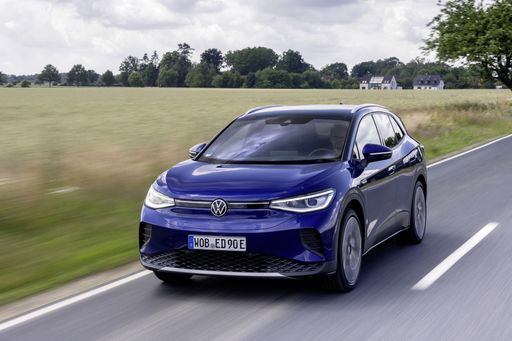
VW ID.4

4.5 (6 Reviews)
rate
  • clearly more power
  • significantly quicker 0–100 km/h

Kia Niro

4.5 (2 Reviews)
rate
  • slightly cheaper
  • markedly lighter

All details on performance, efficiency, range and trunk space can be found in the technical comparison below – including user reviews for both models.

ID.4

Kia Niro vs. VW ID.4: An In-Depth Comparison of Two Innovative SUVs

As the automotive market progressively shifts toward electrification and hybrid technology, two standout models have emerged as frontrunners in the SUV segment: the Kia Niro and the VW ID.4. Both vehicles boast unique features and technologies designed to enhance the driving experience, making them top choices for eco-conscious consumers. In this article, we delve into the technical specifications, innovations, and key advantages of both models to help you make an informed decision.

Niro

Overview of Body Type and Design

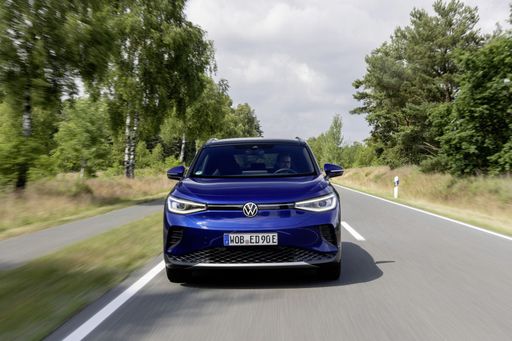
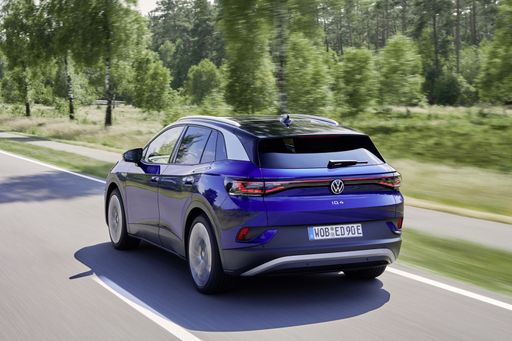
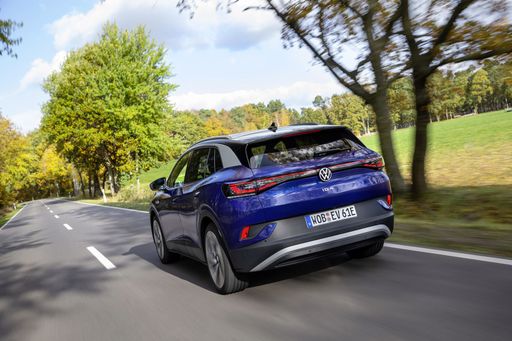
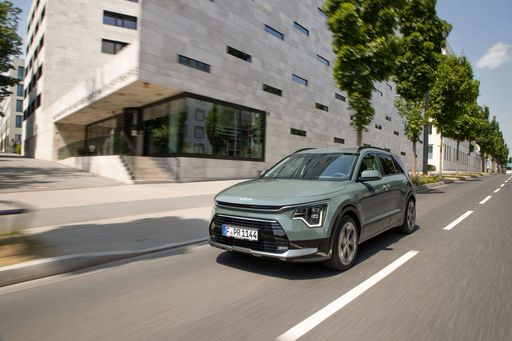
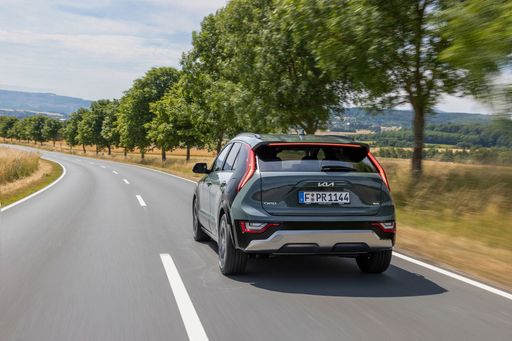
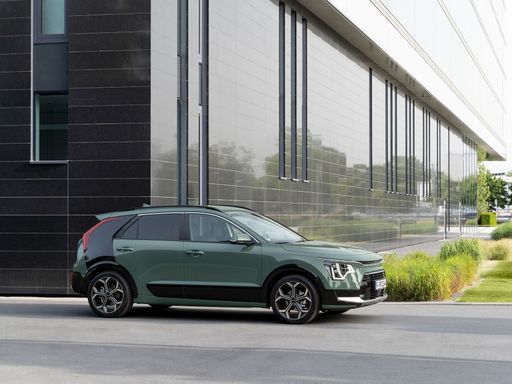
Both the Kia Niro and VW ID.4 are designed as compact SUVs, appealing to those seeking spaciousness combined with an efficient footprint. The Kia Niro, with its sleek and modern styling, measures 4420 mm in length and offers a comfortable height of 1545 mm. In contrast, the ID.4 is slightly larger, stretching to 4584 mm in length and stands taller at 1634 mm, providing additional headroom and a more commanding presence on the road.

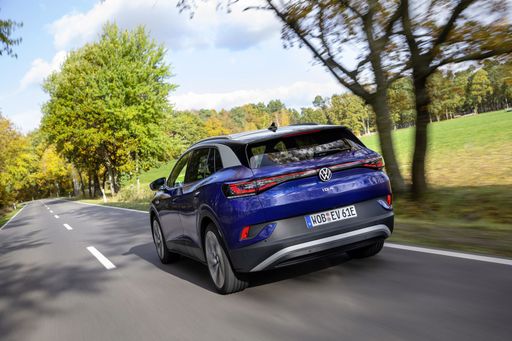
ID.4

Powertrains and Performance

The Kia Niro offers a versatile hybrid lineup, available as a Full Hybrid and a Plug-in Hybrid, with power outputs ranging from 129 HP to 171 HP. Its efficient power consumption of about 4.4 L/100 km for the hybrid variants and a commendable electric range of 65 km for the plug-in option make it a viable choice for those achieving mobility with minimal fuel use.

On the other hand, the VW ID.4 is a fully electric vehicle, showcasing electrifying performance with power outputs between 170 HP and a robust 340 HP in its dual-motor AWD variant. With an impressive electric range of up to 572 km, thanks to its larger battery capacity of 77 kWh, the ID.4 sets a benchmark for all-electric SUVs. It also offers acceleration stats as low as 5.4 seconds from 0-100 km/h, giving it an edge in thrilling performance.

Niro

Driving Dynamics and Technology

Both SUVs are equipped with automatic transmissions, with the Kia Niro using a dual-clutch system for smooth shifts, while the ID.4 boasts a reduction gearbox that efficiently manages electric power. The Niro provides front-wheel drive, suitable for city driving, while the ID.4 offers a choice between rear-wheel drive and all-wheel drive configurations to enhance versatility in various driving conditions.

In terms of driving dynamics, the Kia Niro's torque rises to 265 Nm, allowing for decent responsiveness, while the ID.4 impressively reaches up to 679 Nm in its AWD variant, making it superior in power delivery and traction, especially on challenging terrains.

ID.4

Interior Space and Comfort

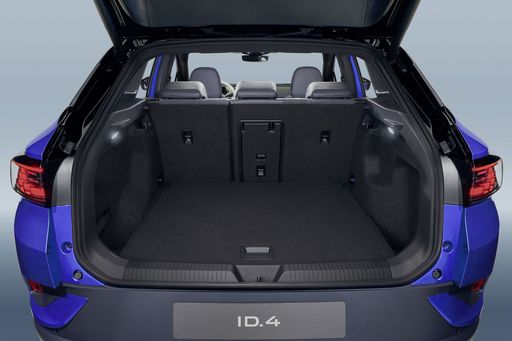
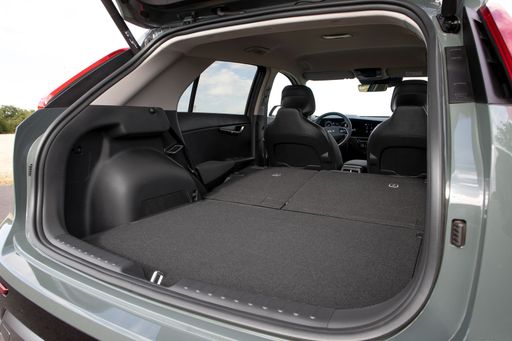
Inside, both the Kia Niro and ID.4 are designed to accommodate five passengers comfortably, but they differ in terms of cargo space. The Kia Niro offers a trunk capacity of 451 liters, while the ID.4 provides a spacious 543 liters, allowing for additional luggage or storage for daily commuting and adventures alike.

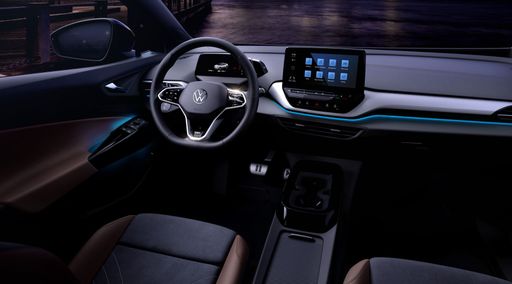
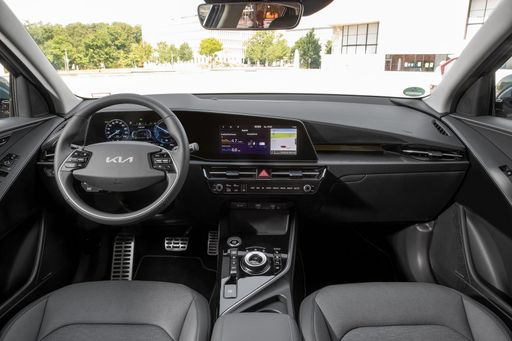
Moreover, the ID.4's futuristic interior is paired with advanced tech interfaces, including a digital cockpit and an intuitive infotainment system, pushing the envelope on connectivity and multimedia experience. Conversely, the Niro emphasizes practicality and ease of use, with straightforward controls and a focus on efficiency.

Niro

Environmental Impact and Efficiency Ratings

When it comes to environmental considerations, both vehicles hold their own. The Kia Niro boasts CO2 efficiency classes of B and C, indicating lower emissions compared to traditional gasoline counterparts. The ID.4 takes it a step further with a CO2 efficiency class of A, showcasing its zero-emissions status during operation, which positions it as a favorable option for those concerned about ecological impact.

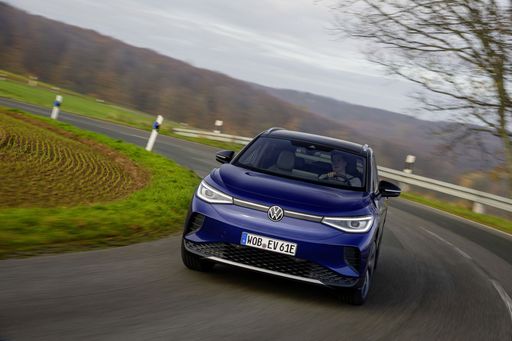
ID.4

Conclusion: Which SUV Reigns Supreme?

Ultimately, choosing between the Kia Niro and VW ID.4 boils down to your driving preferences and needs. If you’re looking for a hybrid SUV with flexibility and an efficient fuel economy, the Kia Niro is a fantastic option. However, if you desire a fully electric ride with outstanding range, cutting-edge technology, and superior performance, the VW ID.4 is the clear winner.

Both vehicles represent significant strides in their respective segments, setting standards for innovation and efficiency in the automotive landscape. Whether you choose through hybrid or electrification, rest assured that both the Kia Niro and VW ID.4 offer compelling solutions for today’s eco-conscious drivers.

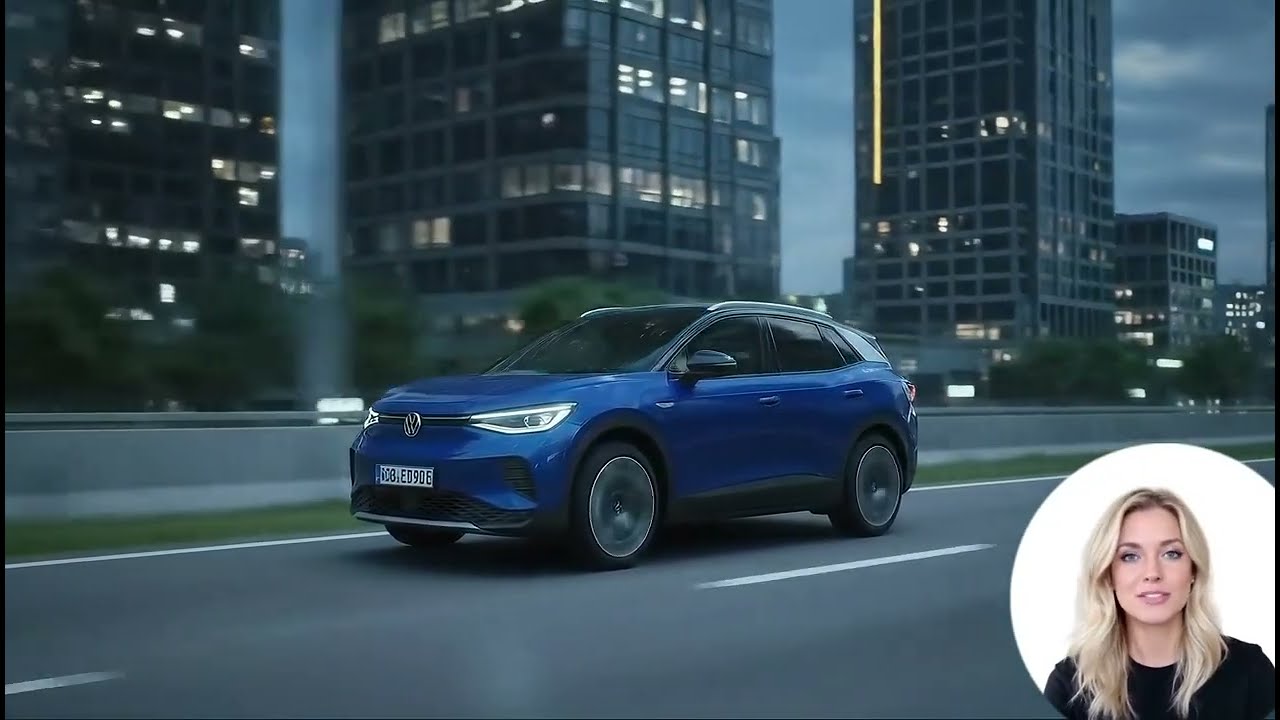
Video - VW ID.4

Video Thumbnail

Here’s where it gets real: The technical differences in detail

ID.4

Costs and Efficiency:

When it comes to price and running costs, the biggest differences usually appear. This is often where you see which car fits your budget better in the long run.

Kia Niro is slightly cheaper – starting at 29,100 £ , while the VW ID.4 costs 34,600 £ . That’s a price difference of around 5,438 £.

Niro

Engine and Performance:

Power, torque and acceleration say a lot about how a car feels on the road. This is where you see which model delivers more driving dynamics.

When it comes to engine power, the VW ID.4 offers clearly more power – delivering 340 HP compared to 138 HP. That’s roughly 202 HP more horsepower.

When accelerating from 0 to 100 km/h, the VW ID.4 is significantly quicker – completing the sprint in 5.4 s, while the Kia Niro takes 11.1 s. That’s about 5.7 s quicker.

There’s also a difference in torque: the VW ID.4 delivers considerably more torque with 679 Nm compared to 265 Nm. That’s about 414 Nm more.

ID.4

Space and Everyday Use:

Beyond pure performance, interior space and usability matter most in daily life. This is where you see which car is more practical and versatile.

Both vehicles offer seating for 5 people.

In terms of curb weight, Kia Niro is markedly lighter – 1,474 kg compared to 1,975 kg. The difference is around 501 kg.

When it comes to payload, the VW ID.4 carries a bit more – 551 kg compared to 466 kg. That’s a difference of about 85 kg.

Who wins the race in the data check?

The VW ID.4 holds a decisive overall lead in the objective data comparison.
This result only shows which model scores more points on paper – not which of the two cars feels right for you.

from £34,600
ID.4

VW ID.4

  • Engine Type : Electric
  • Transmission : Automatic
  • Drive Type : Rear-Wheel Drive, All-Wheel Drive
  • Power HP : 170 - 340 HP
  • Consumption kWh/100km : 15.6 - 17 kWh/100km
  • Electric Range : 356 - 569 km
VW ID.4
Kia Niro

Costs and Consumption

View detailed analysis

Engine and Performance

View detailed analysis

Dimensions and Body

View detailed analysis

VW ID.4

The VW ID.4 is a calm, roomy electric SUV that turns everyday driving into a quietly confident experience, its practical packaging and smooth manners tailored perfectly for family life. Volkswagen's solid build and intuitive interior tech mean you get electric practicality without the sci‑fi theatrics, making the ID.4 a sensible, surprisingly likable choice for most buyers.

details

Kia Niro

The Kia Niro blends clever packaging and modern styling into a compact crossover that’s refreshingly sensible for daily life. It’s comfortable, economical and packed with user‑friendly tech, so if you want a fuss‑free family car with a touch of green credibility, the Niro is worth a test drive.

details
VW ID.4
Kia Niro

Costs and Consumption

Price
34,600 - 47,200 £
Price
29,100 - 33,800 £
Consumption L/100km
-
Consumption L/100km
4.5 - 4.9 L/100km
Consumption kWh/100km
15.6 - 17 kWh/100km
Consumption kWh/100km
-
Electric Range
356 - 569 km
Electric Range
-
Battery Capacity
52 - 77 kWh
Battery Capacity
-
co2
0 g/km
co2
102 - 111 g/km
Fuel tank capacity
-
Fuel tank capacity
-

Dimensions and Body

Body Type
SUV
Body Type
SUV
Seats
5
Seats
5
Doors
5
Doors
-
Curb weight
1,975 - 2,248 kg
Curb weight
1,474 kg
Trunk capacity
543 L
Trunk capacity
-
Length
4,582 - 4,584 mm
Length
-
Width
1,852 mm
Width
1,825 mm
Height
1,619 - 1,634 mm
Height
-
Max trunk capacity
1,575 L
Max trunk capacity
-
Payload
515 - 551 kg
Payload
466 kg

Engine and Performance

Engine Type
Electric
Engine Type
Full Hybrid
Transmission
Automatic
Transmission
Automatic
Transmission Detail
Reduction Gearbox
Transmission Detail
Dual-Clutch Automatic
Drive Type
Rear-Wheel Drive, All-Wheel Drive
Drive Type
Front-Wheel Drive
Power HP
170 - 340 HP
Power HP
138 HP
Acceleration 0-100km/h
5.4 - 9 s
Acceleration 0-100km/h
11.1 - 11.4 s
Max Speed
160 - 180 km/h
Max Speed
-
Torque
310 - 679 Nm
Torque
265 Nm
Number of Cylinders
-
Number of Cylinders
4
Power kW
125 - 250 kW
Power kW
102 kW
Engine capacity
-
Engine capacity
1,580 cm3

General

Model Year
2,023 - 2,025
Model Year
2,025
CO2 Efficiency Class
A
CO2 Efficiency Class
C
Brand
VW
Brand
Kia
DriveDuel uses data analysis and artificial intelligence to evaluate vehicle data and create content. Content is regularly reviewed and improved. The displayed prices are estimates based on German list prices, adjusted to the respective country’s VAT. Country-specific registration taxes are not included. This information is not legally binding.