VS

VW ID.4 vs Mercedes EQA comparison

Compare performance (299 HP vs 228 HP), boot space and price (34,800 £ vs 45,900 £ ) at a glance. Find out which car is the better choice for you – VW ID.4 or Mercedes EQA?

VW ID.4 vs Mercedes EQA: Key differences

VW ID.4

4.4 (10 Reviews)
rate
  • clearly cheaper
  • markedly more power
  • barely more efficient
  • a bit more electric range
  • visibly quicker 0–100 km/h
  • only slightly lighter
details

Mercedes EQA

5 (1 Reviews)
rate
details

All details on performance, efficiency, range and trunk space can be found in the technical comparison below – including user reviews for both models.

By Achim Sedelmaier

ID.4

First Look: Street Attitude

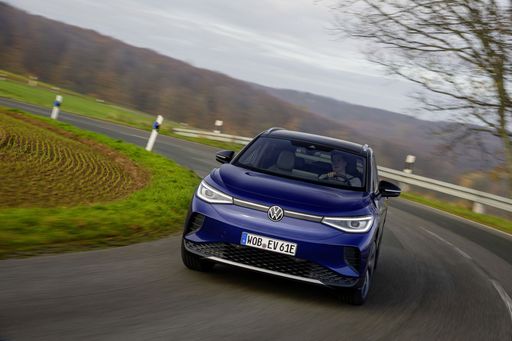
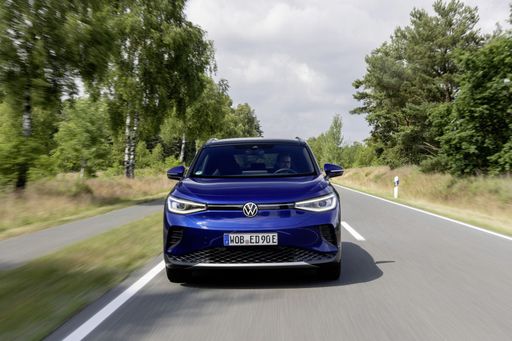
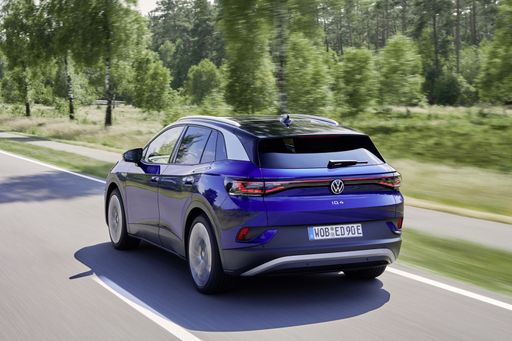
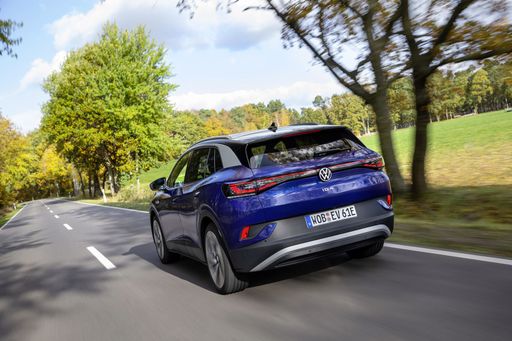
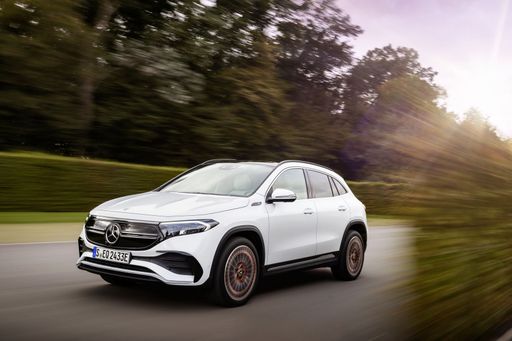
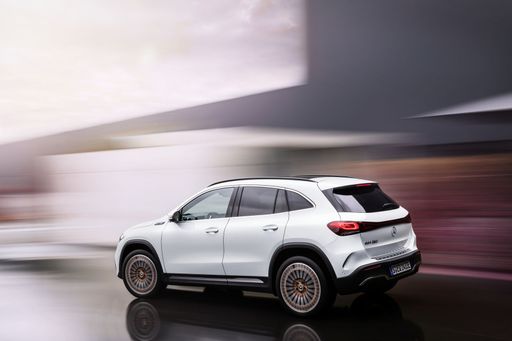
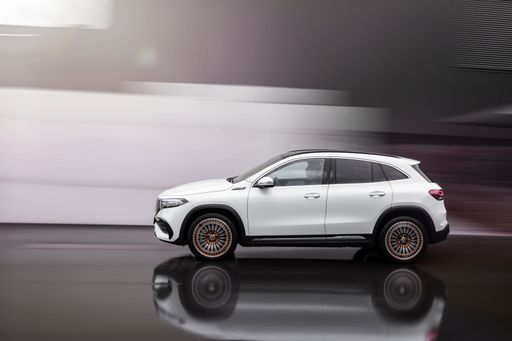
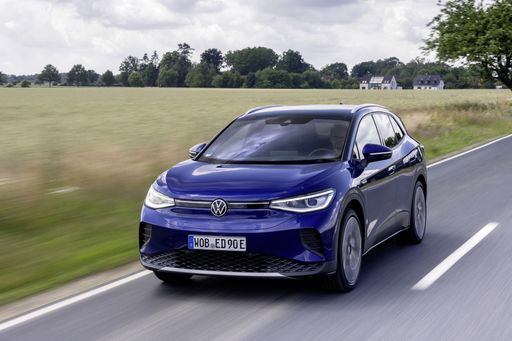
Up close the two cars speak very different languages — the Mercedes EQA presents itself as a compact luxury piece, all sculpted surfaces and chrome-ready trim that promises uplift at the curb, while the VW ID.4 opts for a more relaxed, modern silhouette that reads practical and confident rather than showy. Each has its own kind of presence: one aims for aspirational polish, the other for approachable contemporary style. Which impression matters more will depend on whether you want to make a statement or simply fit smartly into everyday life.
EQA

City Sense: Daily Driving Vibes

In traffic and tight urban parking the EQA feels buttoned-down and composed, giving the sense of a car that's been tailored for polished urban commutes, while the ID.4 rewards you with broad visibility and an easygoing driving posture that takes the stress out of daily errands. Both are surprisingly user-friendly at low speeds, but their personalities diverge: one is refined and quietly confident, the other relaxed and accommodating. Pick the one that suits how often you weave through city streets versus cruising neighborhood lanes.

ID.4

Cabin Comfort: Materials and Mood

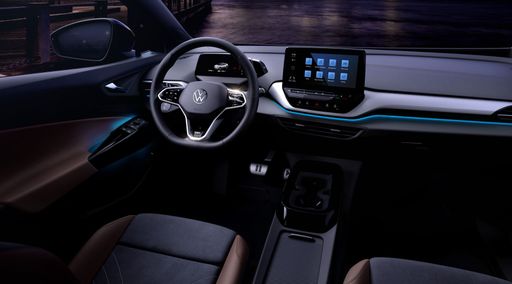
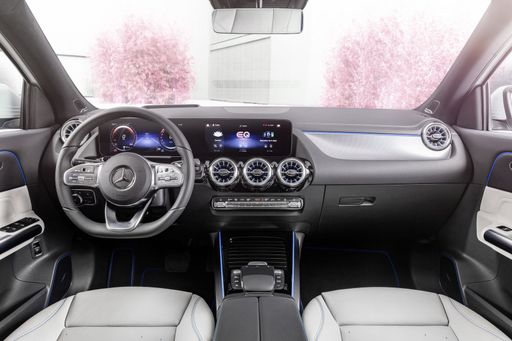
Step inside the EQA and you notice the emphasis on tactile luxury — softer finishes and a more intimate atmosphere that leans toward salon-like comfort, while the ID.4 spreads a lighter, airier feel with pragmatic surfaces and a sense of space that invites family gear. Both cabins are well put together, but the Mercedes trades a bit of openness for a more wrapped, premium cocoon, whereas the VW sacrifices a touch of opulence for practical, lived-in friendliness. Your choice will come down to whether you prioritize luxe ambiance or flexible everyday usability.

EQA

On the Road: Character and Chassis

When the road opens up, the EQA settles into a refined, composed stride that favors comfort and composure, giving the driver a polished, predictable feel, while the ID.4 injects a bit more engagement and planted confidence that makes long drives feel brisk without being sporty in temperament. Neither is an out-and-out sports car — both lean toward mainstream usability — but they deliver distinct flavors: one smooth and reassuring, the other tauter and a touch more eager. That difference becomes most obvious on longer stretches and winding backroads.

ID.4

Practical Life: Family and Cargo Sense

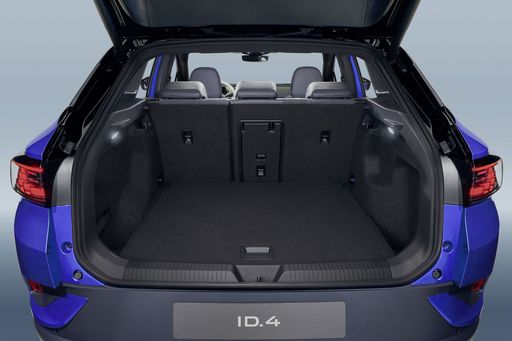
The practical reality of everyday family life is where the distinction sharpens: the ID.4 takes a pragmatic approach with roomy, flexible space that likes being loaded and lived in, while the EQA focuses more on personal refinement, prioritizing passenger comfort over sheer utility. If you haul strollers, sports kit or weekend luggage often, one will feel noticeably more convenient, whereas the other offers a cosseted environment better suited to commuters who value a premium cabin. Think about how frequently you transform your car from daily shuttle to cargo hauler before choosing.

EQA

Ownership Feel: Value, Service and Image

On the ownership side the picture balances between brand cachet and plain-dealing practicality: the EQA brings Mercedes-badged exclusivity, a curated dealer experience and a sense of occasion that appeals to buyers after status and polish, while the ID.4 presents a more democratic package focused on sensible option choices and value that suits pragmatic families and cost-conscious buyers. Running a car is about more than purchase price, and here the aftercare, technology simplicity and perceived long-term ownership ease will sway different shoppers. Decide if you want badge prestige or everyday straightforwardness guiding your choice.

ID.4

Which Driver Are You?

If you’re a style-conscious commuter who values a premium cabin and a tailored city experience, the Mercedes EQA will likely feel right at home; if you’re a family-focused buyer or a practical-minded driver who prizes space and user-friendliness, the VW ID.4 will answer that brief more directly. Both serve everyday life well but aim at slightly different lifestyles — one elevates the daily routine, the other simplifies it. Read on to see which nuances tip the scales in our final DriveDuel verdict — the champion will be revealed shortly, so stay tuned.

Here’s where it gets real: The technical differences in detail

ID.4

Costs and Efficiency:

When it comes to price and running costs, the biggest differences usually appear. This is often where you see which car fits your budget better in the long run.

VW ID.4 is clearly cheaper – starting at 34,800 £ , while the Mercedes EQA costs 45,900 £ . That’s a price difference of around 11,092 £.

In terms of energy consumption, the VW ID.4 is barely more efficient: consuming 15.4 kWh/100km compared to 16.9 kWh/100km for the Mercedes EQA. That’s a difference of about 1.5 kWh/100km.

As for electric range, the VW ID.4 offers a bit more range – reaching up to 570 km, about 94 km more than the Mercedes EQA.

EQA

Engine and Performance:

Power, torque and acceleration say a lot about how a car feels on the road. This is where you see which model delivers more driving dynamics.

When it comes to engine power, the VW ID.4 offers markedly more power – delivering 299 HP compared to 228 HP. That’s roughly 71 HP more horsepower.

When accelerating from 0 to 100 km/h, the VW ID.4 is visibly quicker – completing the sprint in 6.1 s, while the Mercedes EQA takes 7.7 s. That’s about 1.6 s quicker.

There’s also a difference in torque: the VW ID.4 delivers visibly more torque with 545 Nm compared to 390 Nm. That’s about 155 Nm more.

ID.4

Space and Everyday Use:

Beyond pure performance, interior space and usability matter most in daily life. This is where you see which car is more practical and versatile.

Both vehicles offer seating for 5 people.

In terms of curb weight, VW ID.4 is only slightly lighter – 2,065 kg compared to 2,115 kg. The difference is around 50 kg.

When it comes to payload, the VW ID.4 carries markedly more – 554 kg compared to 425 kg. That’s a difference of about 129 kg.

Who wins the race in the data check?

The VW ID.4 is clearly superior overall in the objective data comparison.
This result only shows which model scores more points on paper – not which of the two cars feels right for you.

from £34,800
ID.4

VW ID.4

  • Engine Type Electric
  • Transmission Automatic
  • Drive Type Rear-Wheel Drive, All-Wheel Drive
  • Power HP 190 - 299 HP
  • Consumption kWh/100km 15.4 - 16.6 kWh/100km
  • Electric Range 425 - 570 km
VW ID.4
Mercedes EQA

Costs and Consumption

View detailed analysis

Engine and Performance

View detailed analysis

Dimensions and Body

View detailed analysis

VW ID.4

The VW ID.4 is a practical, family-friendly electric SUV that balances everyday usability with a calm, composed driving character. It pairs a roomy, well-finished cabin and easy-to-use tech with predictable handling and convenient charging options, making it a sensible choice for buyers switching to electric.

details

Mercedes EQA

The Mercedes EQA slips into the electric crossover ranks with the brand’s familiar luxury polish, offering a quiet, fuss-free drive that feels perfectly at home in the city or on a country escape. Inside it’s neatly finished and tech-forward, projecting grown-up refinement even if it plays things a bit safe for anyone chasing outright excitement.

details
VW ID.4
Mercedes EQA

Costs and Consumption

Price
34,800 - 47,600 £
Price
45,900 - 54,900 £
Consumption L/100km
-
Consumption L/100km
-
Consumption kWh/100km
15.4 - 16.6 kWh/100km
Consumption kWh/100km
16.9 kWh/100km
Electric Range
425 - 570 km
Electric Range
476 km
Battery Capacity
-
Battery Capacity
-
co2
0 g/km
co2
0 g/km
Fuel tank capacity
-
Fuel tank capacity
-

Dimensions and Body

Body Type
SUV
Body Type
SUV
Seats
5
Seats
5
Doors
-
Doors
-
Curb weight
2,065 - 2,219 kg
Curb weight
2,115 kg
Trunk capacity
-
Trunk capacity
340 L
Length
-
Length
-
Width
1,852 mm
Width
1,834 mm
Height
-
Height
-
Max trunk capacity
-
Max trunk capacity
-
Payload
525 - 554 kg
Payload
425 kg

Engine and Performance

Engine Type
Electric
Engine Type
Electric
Transmission
Automatic
Transmission
Automatic
Transmission Detail
Reduction Gearbox
Transmission Detail
Reduction Gearbox
Drive Type
Rear-Wheel Drive, All-Wheel Drive
Drive Type
All-Wheel Drive
Power HP
190 - 299 HP
Power HP
228 HP
Acceleration 0-100km/h
6.1 - 8.5 s
Acceleration 0-100km/h
7.7 s
Max Speed
-
Max Speed
-
Torque
310 - 545 Nm
Torque
390 Nm
Number of Cylinders
-
Number of Cylinders
-
Power kW
140 - 220 kW
Power kW
168 kW
Engine capacity
-
Engine capacity
-

General

Model Year
2026
Model Year
2025
CO2 Efficiency Class
A
CO2 Efficiency Class
A
Brand
VW
Brand
Mercedes-Benz
DriveDuel uses data analysis and artificial intelligence to evaluate vehicle data and create content. Content is regularly reviewed and improved. The displayed prices are estimates based on German list prices, adjusted to the respective country’s VAT. Country-specific registration taxes are not included. This information is not legally binding.