VS

VW ID.4 vs Mercedes EQB comparison

Compare performance (299 HP vs 292 HP), boot space and price (34,800 £ vs 45,900 £ ) at a glance. Find out which car is the better choice for you – VW ID.4 or Mercedes EQB?

VW ID.4 vs Mercedes EQB: Key differences

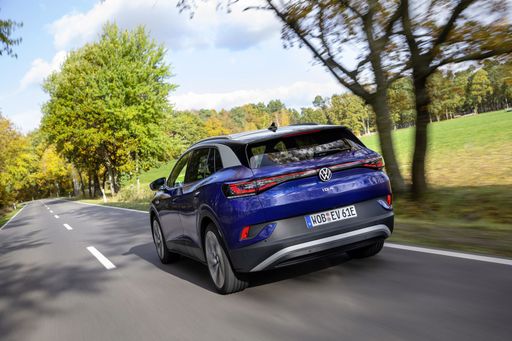
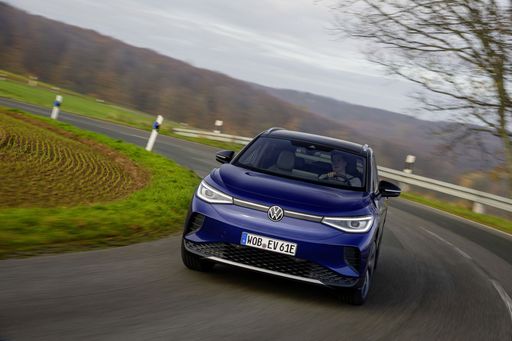
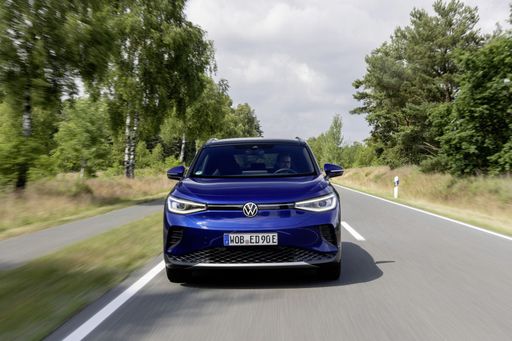
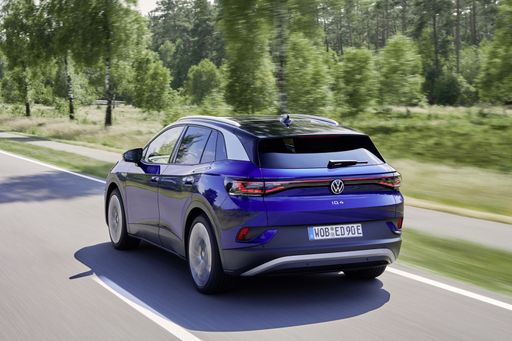
VW ID.4

4.4 (9 Reviews)
rate
  • markedly cheaper
  • barely more power
  • only slightly more electric range
  • marginally quicker 0–100 km/h
  • marginally lighter
details

Mercedes EQB

4.3 (3 Reviews)
rate
  • very slightly more efficient
details

All details on performance, efficiency, range and trunk space can be found in the technical comparison below – including user reviews for both models.

By Achim Sedelmaier

ID.4

A Clash of Titans: Mercedes EQB vs. VW ID.4

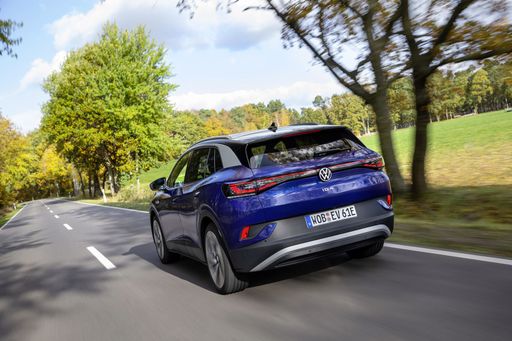
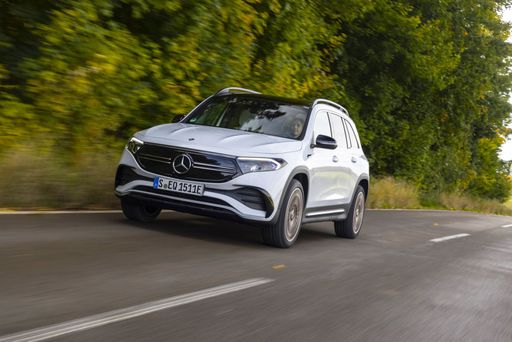
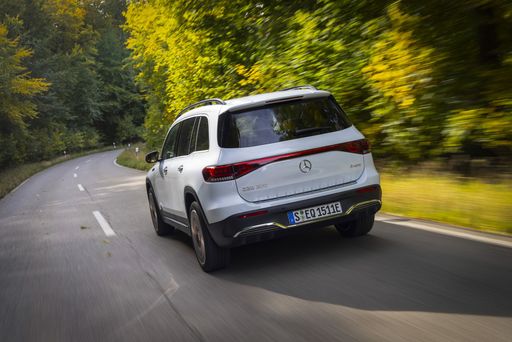
The electric vehicle market is rapidly evolving, and two giants in the automotive world, Mercedes-Benz and Volkswagen, are stepping up their game with their respective offerings—the Mercedes EQB and the VW ID.4. Both vehicles showcase the latest in EV technology, but which one is better suited for you? This comparison will delve into their technical specifications, innovative features, and overall driving experience.
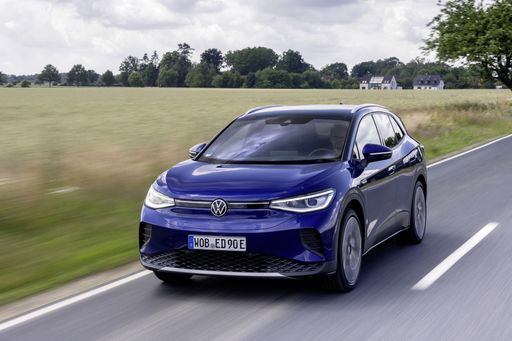
EQB

Design and Dimensions

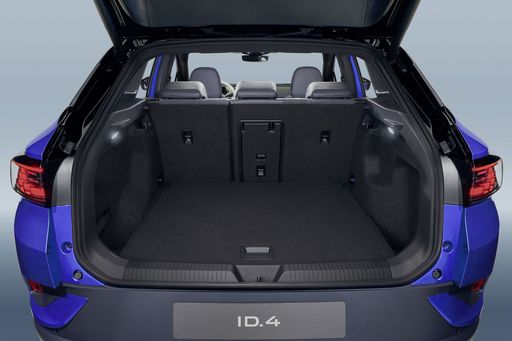
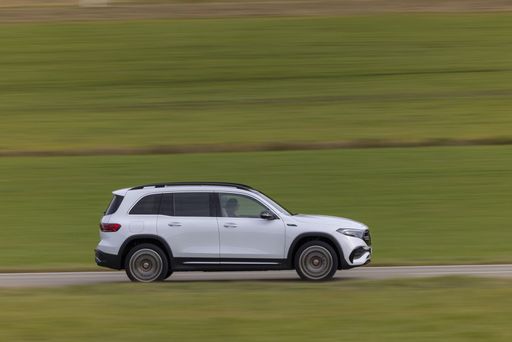
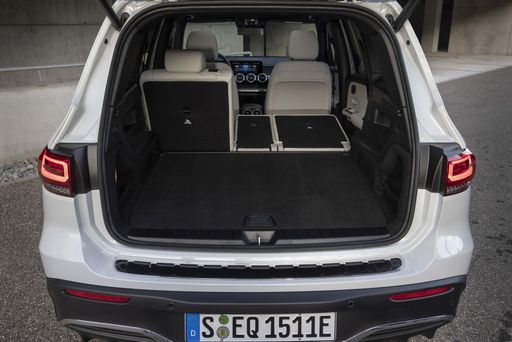
When it comes to the body type, both the EQB and ID.4 are compact SUVs, emphasizing practicality without sacrificing style. The Mercedes EQB measures 4684 mm in length, offering a spacious interior and a trunk capacity of 495 liters. In contrast, the VW ID.4 is slightly shorter at lengths of 4584 mm and 4582 mm, with a larger trunk capacity of 543 liters.

Width-wise, the EQB has a dimension of 1834 mm compared to the ID.4's 1852 mm, which may influence cabin space and overall comfort. The EQB stands taller, with a height ranging from 1654 mm to 1689 mm, giving it a commanding presence on the road.

ID.4

Powertrains and Performance

The EQB offers multiple power options: it ranges from 190 HP to 292 HP, with torque figures from 385 Nm to an impressive 520 Nm. The vehicle comes with both front-wheel drive and all-wheel drive configurations. Acceleration is swift, with the top model achieving 0-100 km/h in just 6.2 seconds. The energy consumption figures are competitive as well, ranging from 15.2 kWh/100 km to 17.3 kWh/100 km, with an electric range varying from 445 km to a remarkable 533 km depending on the configuration.

On the other hand, the VW ID.4 showcases a powerful lineup with options up to 340 HP and torque peaking at 679 Nm. Its all-wheel drive configuration enhances performance, especially in adverse weather conditions. The ID.4 impressively accelerates from 0-100 km/h in as little as 5.4 seconds. The energy efficiency is slightly less favorable, with consumption figures between 15.8 kWh/100 km and 16.8 kWh/100 km. However, its electric range extends beyond that of the EQB, reaching up to 572 km in some versions.

EQB

Technological Innovations

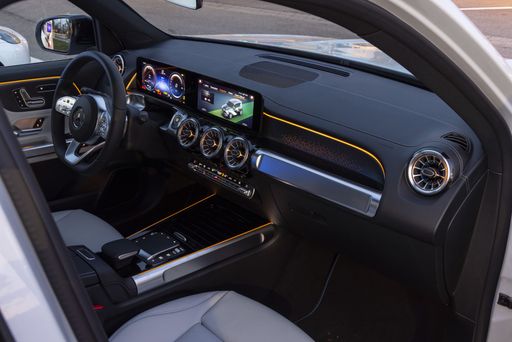
Mercedes-Benz has equipped the EQB with cutting-edge technology aimed at enhancing the driving experience. The MBUX infotainment system provides a seamless interface with voice activation and navigation, along with driver assistance features that elevate safety and convenience. Adaptive cruise control, lane-keeping assist, and a comprehensive array of sensors ensure that drivers feel confident behind the wheel.

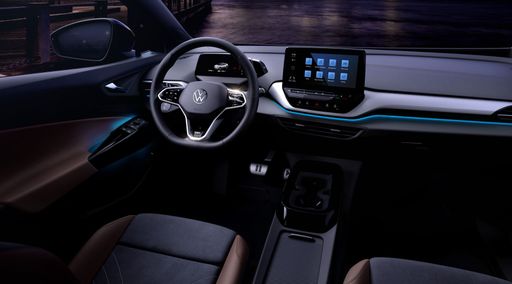
The VW ID.4 doesn't lag in the tech department either, featuring a state-of-the-art infotainment system that integrates seamlessly with smartphones via wireless connectivity. Volkswagen's IQ.DRIVE technology package offers advanced safety features and adaptive systems that adapt to the driving conditions, ensuring a smooth journey. This includes travel assist and traffic jam assist functionalities.

ID.4

Practicality and Comfort

Both vehicles seat five passengers comfortably, but the EQB's slightly larger dimensions offer better legroom and headroom, enhancing comfort, especially for taller occupants. The Mercedes EQB also has a higher payload capacity of 435 kg, making it versatile for carrying additional luggage or equipment.

Conversely, the ID.4 excels in storage functionality with its greater trunk capacity and clever interior layouts, designed to maximize space and utility. The added storage compartments and modular design make it ideal for families and individuals who require practicality alongside performance.

EQB

Conclusion: Which One to Choose?

The decision between the Mercedes EQB and the VW ID.4 ultimately boils down to personal preference and specific needs. If you prioritize acceleration, luxury features, and a larger cabin, the EQB is the way to go. However, if a longer range, advanced tech, and practical storage are more critical in your daily driving experience, the ID.4 will serve you well.

Both electric SUVs epitomize the shift towards sustainable mobility without compromising on performance or comfort. As the electric market continues to mature, these two make for compelling choices in the battle for EV supremacy.

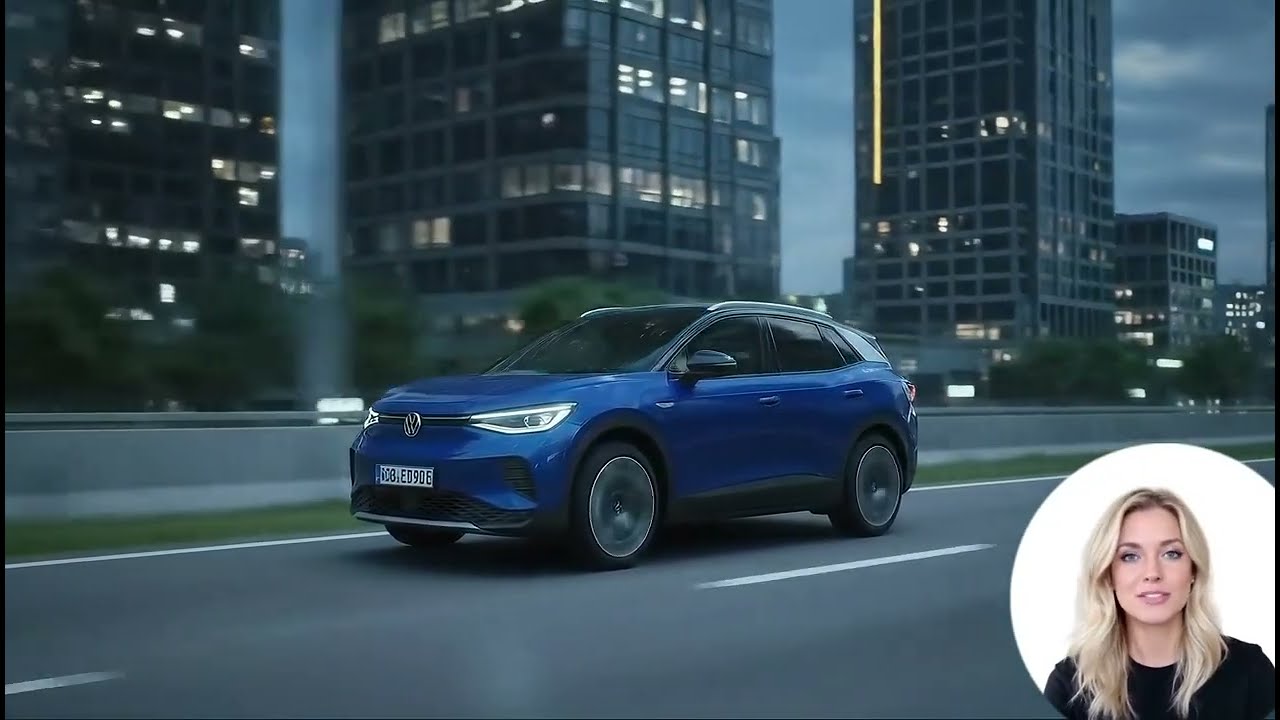
Video - VW ID.4

Video Thumbnail

Here’s where it gets real: The technical differences in detail

ID.4

Costs and Efficiency:

When it comes to price and running costs, the biggest differences usually appear. This is often where you see which car fits your budget better in the long run.

VW ID.4 is markedly cheaper – starting at 34,800 £ , while the Mercedes EQB costs 45,900 £ . That’s a price difference of around 11,087 £.

In terms of energy consumption, the Mercedes EQB is very slightly more efficient: consuming 15.2 kWh/100km compared to 15.4 kWh/100km for the VW ID.4. That’s a difference of about 0.2 kWh/100km.

As for electric range, the VW ID.4 offers only slightly more range – reaching up to 570 km, about 35 km more than the Mercedes EQB.

EQB

Engine and Performance:

Power, torque and acceleration are the classic benchmarks for car enthusiasts – and here, some clear differences start to show.

When it comes to engine power, the VW ID.4 offers barely more power – delivering 299 HP compared to 292 HP. That’s roughly 7 HP more horsepower.

When accelerating from 0 to 100 km/h, the VW ID.4 is marginally quicker – completing the sprint in 6.1 s, while the Mercedes EQB takes 6.2 s. That’s about 0.1 s quicker.

There’s also a difference in torque: the VW ID.4 delivers very slightly more torque with 545 Nm compared to 520 Nm. That’s about 25 Nm more.

ID.4

Space and Everyday Use:

Beyond pure performance, interior space and usability matter most in daily life. This is where you see which car is more practical and versatile.

Both vehicles offer seating for 5 people.

In terms of curb weight, VW ID.4 is marginally lighter – 2,065 kg compared to 2,105 kg. The difference is around 40 kg.

When it comes to payload, the VW ID.4 carries clearly more – 554 kg compared to 435 kg. That’s a difference of about 119 kg.

Who wins the race in the data check?

The VW ID.4 is clearly superior overall in the objective data comparison.
This result only shows which model scores more points on paper – not which of the two cars feels right for you.

from £34,800
ID.4

VW ID.4

  • Engine Type : Electric
  • Transmission : Automatic
  • Drive Type : Rear-Wheel Drive, All-Wheel Drive
  • Power HP : 190 - 299 HP
  • Consumption kWh/100km : 15.4 - 16.6 kWh/100km
  • Electric Range : 425 - 570 km
VW ID.4
Mercedes EQB

Costs and Consumption

View detailed analysis

Engine and Performance

View detailed analysis

Dimensions and Body

View detailed analysis

VW ID.4

The VW ID.4 is a roomy, comfort‑focused electric SUV that makes family life and daily commuting effortless with a practical interior and a calm, efficient powertrain. It’s reassuring and sensible rather than thrilling — well suited to long stretches thanks to a relaxed ride and useful assistance systems, but the touch‑centric controls, restricted rear visibility and muted steering keep it from exciting drivers who want sportier dynamics.

details

Mercedes EQB

The Mercedes EQB is an electric compact SUV that dresses Mercedes' premium feel in practical clothing, with flexible seating and a serene, composed ride that turns everyday errands into a small luxury. It won't thrill the enthusiast, but for buyers who want a smart, spacious and well-made EV with tasteful tech and real-world usability, the EQB is a sensible, slightly buttoned-up choice that impresses without shouting.

details
VW ID.4
Mercedes EQB

Costs and Consumption

Price
34,800 - 47,600 £
Price
45,900 - 58,900 £
Consumption L/100km
-
Consumption L/100km
-
Consumption kWh/100km
15.4 - 16.6 kWh/100km
Consumption kWh/100km
15.2 - 17.2 kWh/100km
Electric Range
425 - 570 km
Electric Range
468 - 535 km
Battery Capacity
-
Battery Capacity
70.5 kWh
co2
0 g/km
co2
0 g/km
Fuel tank capacity
-
Fuel tank capacity
-

Dimensions and Body

Body Type
SUV
Body Type
SUV
Seats
5
Seats
5
Doors
-
Doors
5
Curb weight
2,065 - 2,219 kg
Curb weight
2,105 - 2,170 kg
Trunk capacity
-
Trunk capacity
495 L
Length
-
Length
4,684 mm
Width
1,852 mm
Width
1,834 mm
Height
-
Height
1,654 - 1,689 mm
Max trunk capacity
-
Max trunk capacity
1,710 L
Payload
525 - 554 kg
Payload
435 kg

Engine and Performance

Engine Type
Electric
Engine Type
Electric
Transmission
Automatic
Transmission
Automatic
Transmission Detail
Reduction Gearbox
Transmission Detail
Reduction Gearbox
Drive Type
Rear-Wheel Drive, All-Wheel Drive
Drive Type
Front-Wheel Drive, All-Wheel Drive
Power HP
190 - 299 HP
Power HP
190 - 292 HP
Acceleration 0-100km/h
6.1 - 8.5 s
Acceleration 0-100km/h
6.2 - 8.9 s
Max Speed
-
Max Speed
160 km/h
Torque
310 - 545 Nm
Torque
385 - 520 Nm
Number of Cylinders
-
Number of Cylinders
-
Power kW
140 - 220 kW
Power kW
140 - 215 kW
Engine capacity
-
Engine capacity
-

General

Model Year
2026
Model Year
2,024 - 2,025
CO2 Efficiency Class
A
CO2 Efficiency Class
A
Brand
VW
Brand
Mercedes-Benz
DriveDuel uses data analysis and artificial intelligence to evaluate vehicle data and create content. Content is regularly reviewed and improved. The displayed prices are estimates based on German list prices, adjusted to the respective country’s VAT. Country-specific registration taxes are not included. This information is not legally binding.