VS

VW ID.4 vs Renault Scénic comparison

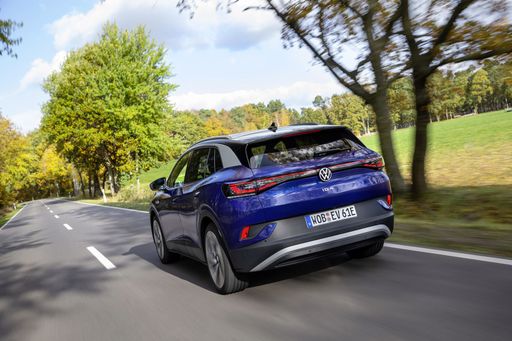
Compare performance (340 HP vs 218 HP), boot space and price (34,600 £ vs 34,600 £ ) at a glance. Find out which car is the better choice for you – VW ID.4 or Renault Scénic?

VW ID.4 vs Renault Scénic: Key differences

VW ID.4

4.5 (6 Reviews)
rate
  • very slightly cheaper
  • markedly more power
  • barely more efficient
  • significantly quicker 0–100 km/h

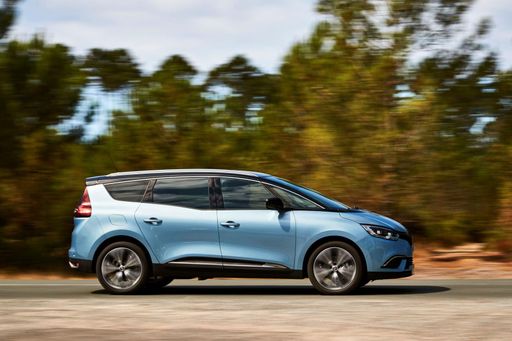
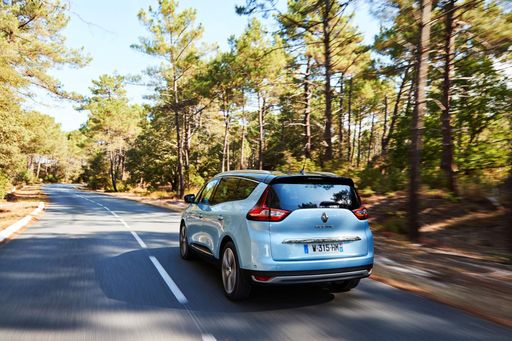
Renault Scénic

5 (1 Reviews)
rate
  • only slightly more electric range
  • marginally lighter
  • very slightly more trunk space

All details on performance, efficiency, range and trunk space can be found in the technical comparison below – including user reviews for both models.

ID.4

The automotive landscape is undergoing a significant transformation as electric vehicles (EVs) gain traction in the market. In this thrilling new era, the Renault Scénic and VW ID.4 stand out as formidable contenders in the SUV segment. Both vehicles bring unique attributes and innovations to the table, making for an exciting comparison in terms of performance, range, and technology.
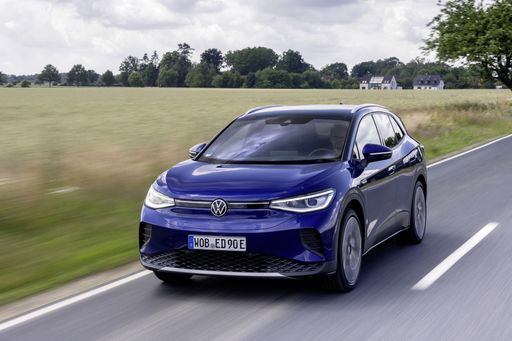
Scénic

Powertrains and Performance

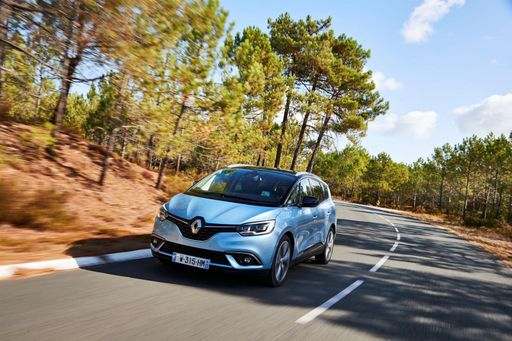
The Renault Scénic is available in impressive configurations, offering options with up to 220 HP and 300 Nm of torque. With an acceleration time of just 7.9 seconds from 0-100 km/h, it demonstrates commendable performance for an SUV. The Scénic boasts two variants, catering to diverse driving needs: the 170 HP model with a range of approximately 420 km and the 220 HP variant capable of achieving a commendable 598 km, backed by a smooth automatic transmission and front-wheel drive. Its power efficiency is notable, consuming just between 16.7 kWh and 17.6 kWh per 100 km.

On the other hand, the VW ID.4 raises the stakes with a range of power outputs. The ID.4 can be configured to deliver between 170 HP and a robust 340 HP, catering to varying preferences for both performance and efficiency. The most powerful ID.4 model excels in acceleration, with a 0-100 km/h time of just 5.4 seconds. Furthermore, the ID.4 showcases an impressive electric range of up to 572 km and maintains a competitive energy consumption ranging from 15.8 to 16.8 kWh per 100 km.

ID.4

Design and Dimensions

The Renault Scénic scores high on practicality with its spacious interior, providing adequate comfort for families and long trips. With a length of 4470 mm, a width of 1864 mm, and a height of 1571 mm, it delivers ample room for passengers and luggage alike. The boot capacity is impressive, offering a generous 545 liters.

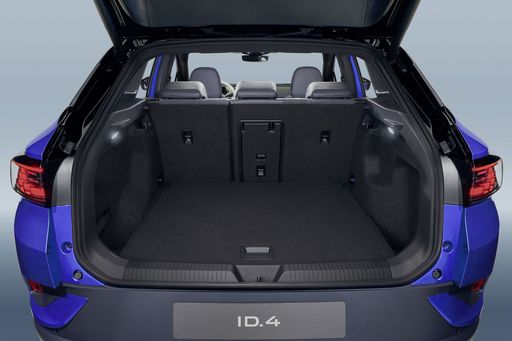
Conversely, the VW ID.4 typically measures slightly larger at a length ranging from 4582 to 4584 mm, a width of 1852 mm, and a height of up to 1634 mm. Its trunk capacity is competitive as well, at 543 liters. Despite its larger dimensions, the ID.4 is designed to maximize interior space, ensuring comfort for all passengers.

Scénic

Technological Innovations

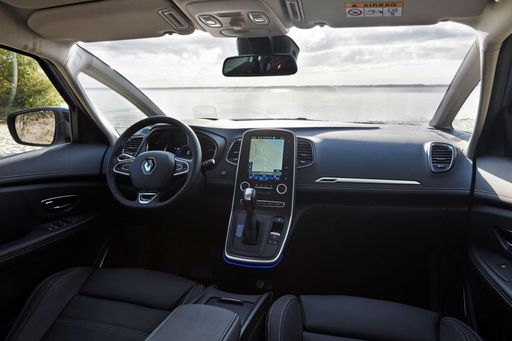
Both vehicles focus heavily on innovation, ensuring that drivers have access to modern technology and safety features. The Renault Scénic offers a user-friendly infotainment system complete with driver assistance features. With a low environmental impact, its CO2 efficiency class is rated 'A', solidifying its appeal as an eco-friendly option.

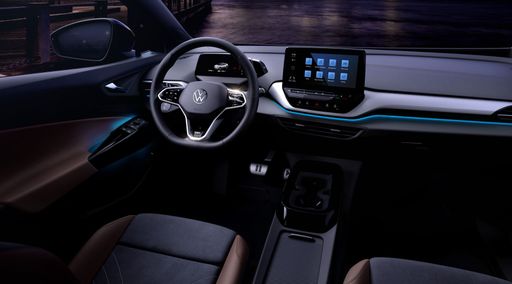
The VW ID.4 focuses on connectivity and smart technology integration, including features like over-the-air updates and an expansive touchscreen display, positioning itself as a highly modern SUV. Its CO2 efficiency class is also rated 'A', emphasizing its commitment to sustainable driving.

ID.4

Conclusion: Choosing Your Electrifying Adventure

In the battle between the Renault Scénic and VW ID.4, each SUV brings distinct characteristics that appeal to different types of drivers. The Scénic is ideal for those looking for a practical family vehicle with commendable electric range and efficiency, while the ID.4 stands out for its performance and advanced technological features. As electric vehicles revolutionize the automotive industry, the choice between these two impressive SUVs ultimately comes down to individual preferences and driving needs.

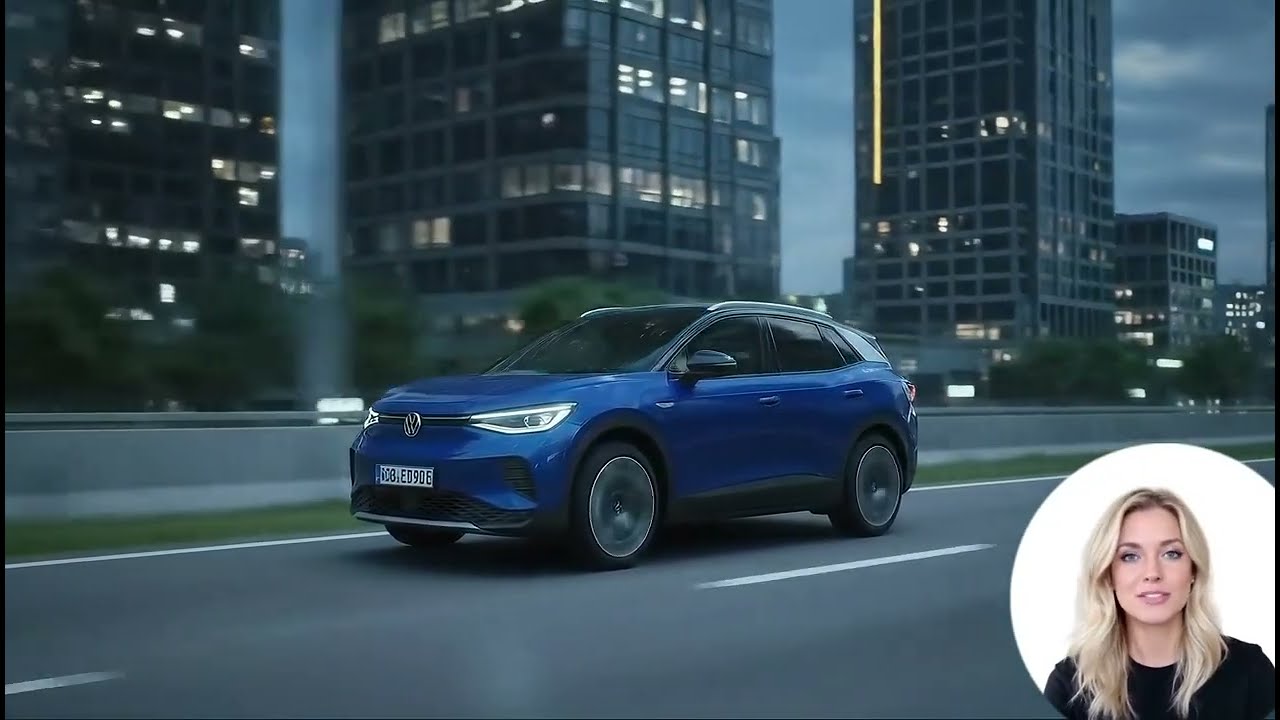
Video - VW ID.4

Video Thumbnail

Here’s where it gets real: The technical differences in detail

ID.4

Costs and Efficiency:

When it comes to price and running costs, the biggest differences usually appear. This is often where you see which car fits your budget better in the long run.

VW ID.4 is very slightly cheaper – starting at 34,600 £ , while the Renault Scénic costs 34,600 £ . That’s a price difference of around 56 £.

In terms of energy consumption, the VW ID.4 is barely more efficient: consuming 15.6 kWh/100km compared to 16.6 kWh/100km for the Renault Scénic. That’s a difference of about 1 kWh/100km.

As for electric range, the Renault Scénic offers only slightly more range – reaching up to 598 km, about 29 km more than the VW ID.4.

Scénic

Engine and Performance:

Power, torque and acceleration say a lot about how a car feels on the road. This is where you see which model delivers more driving dynamics.

When it comes to engine power, the VW ID.4 offers markedly more power – delivering 340 HP compared to 218 HP. That’s roughly 122 HP more horsepower.

When accelerating from 0 to 100 km/h, the VW ID.4 is significantly quicker – completing the sprint in 5.4 s, while the Renault Scénic takes 7.9 s. That’s about 2.5 s quicker.

Looking at top speed, the VW ID.4 is only slightly faster – reaching 180 km/h, while the Renault Scénic tops out at 170 km/h. The difference is around 10 km/h.

There’s also a difference in torque: the VW ID.4 delivers significantly more torque with 679 Nm compared to 300 Nm. That’s about 379 Nm more.

ID.4

Space and Everyday Use:

Cabin size, boot volume and payload all play a role in everyday practicality. Here, comfort and flexibility make the difference.

Both vehicles offer seating for 5 people.

In terms of curb weight, Renault Scénic is marginally lighter – 1,822 kg compared to 1,975 kg. The difference is around 153 kg.

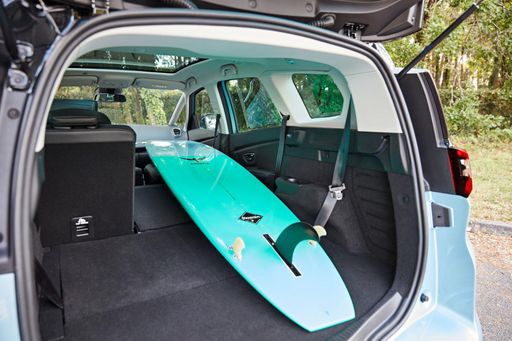
Looking at boot space, the Renault Scénic offers very slightly more boot space – 545 L compared to 543 L. That’s a difference of about 2 L.

For maximum load capacity, the Renault Scénic offers very slightly more capacity – up to 1,670 L, about 95 L more than the VW ID.4.

When it comes to payload, the VW ID.4 carries only slightly more – 551 kg compared to 518 kg. That’s a difference of about 33 kg.

Who wins the race in the data check?

The VW ID.4 holds a decisive overall lead in the objective data comparison.
This result only shows which model scores more points on paper – not which of the two cars feels right for you.

from £34,600
ID.4

VW ID.4

  • Engine Type : Electric
  • Transmission : Automatic
  • Drive Type : Rear-Wheel Drive, All-Wheel Drive
  • Power HP : 170 - 340 HP
  • Consumption kWh/100km : 15.6 - 17 kWh/100km
  • Electric Range : 356 - 569 km
VW ID.4
Renault Scénic

Costs and Consumption

View detailed analysis

Engine and Performance

View detailed analysis

Dimensions and Body

View detailed analysis

VW ID.4

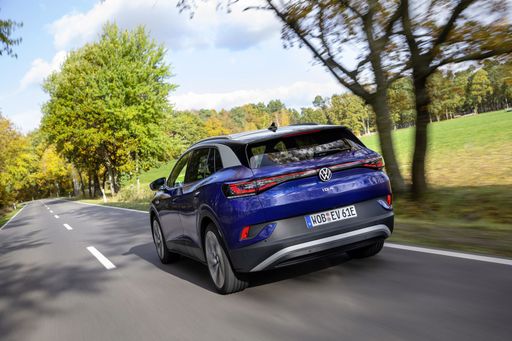
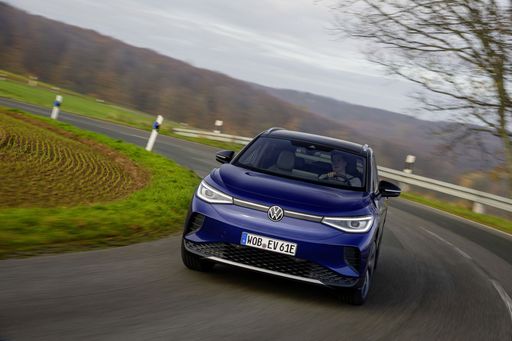
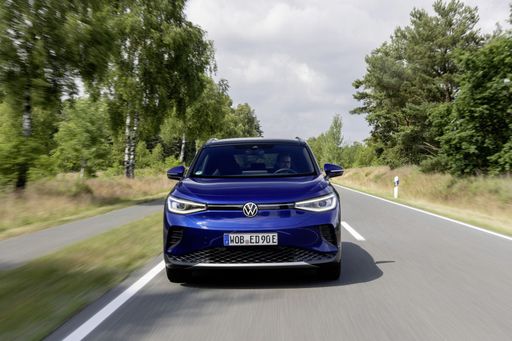
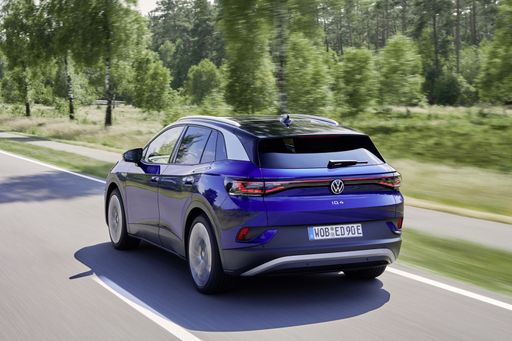
The VW ID.4 is a calm, roomy electric SUV that turns everyday driving into a quietly confident experience, its practical packaging and smooth manners tailored perfectly for family life. Volkswagen's solid build and intuitive interior tech mean you get electric practicality without the sci‑fi theatrics, making the ID.4 a sensible, surprisingly likable choice for most buyers.

details

Renault Scénic

The Renault Scénic is a quietly clever family MPV that balances everyday practicality with unexpected flair, offering a roomy, flexible cabin that makes school runs and weekend escapes less of a chore. It won't dazzle like a sports car, but its composed ride, sensible tech and thoughtful storage solutions make it a superbly pragmatic choice for buyers who prefer substance with a wink.

details
VW ID.4
Renault Scénic

Costs and Consumption

Price
34,600 - 47,200 £
Price
34,600 - 44,000 £
Consumption L/100km
-
Consumption L/100km
-
Consumption kWh/100km
15.6 - 17 kWh/100km
Consumption kWh/100km
16.6 - 17.5 kWh/100km
Electric Range
356 - 569 km
Electric Range
420 - 598 km
Battery Capacity
52 - 77 kWh
Battery Capacity
-
co2
0 g/km
co2
0 g/km
Fuel tank capacity
-
Fuel tank capacity
-

Dimensions and Body

Body Type
SUV
Body Type
SUV
Seats
5
Seats
5
Doors
5
Doors
5
Curb weight
1,975 - 2,248 kg
Curb weight
1,822 - 1,927 kg
Trunk capacity
543 L
Trunk capacity
545 L
Length
4,582 - 4,584 mm
Length
4,470 mm
Width
1,852 mm
Width
1,864 mm
Height
1,619 - 1,634 mm
Height
1,571 mm
Max trunk capacity
1,575 L
Max trunk capacity
1,670 L
Payload
515 - 551 kg
Payload
514 - 518 kg

Engine and Performance

Engine Type
Electric
Engine Type
Electric
Transmission
Automatic
Transmission
Automatic
Transmission Detail
Reduction Gearbox
Transmission Detail
Reduction Gearbox
Drive Type
Rear-Wheel Drive, All-Wheel Drive
Drive Type
Front-Wheel Drive
Power HP
170 - 340 HP
Power HP
170 - 218 HP
Acceleration 0-100km/h
5.4 - 9 s
Acceleration 0-100km/h
7.9 - 8.6 s
Max Speed
160 - 180 km/h
Max Speed
150 - 170 km/h
Torque
310 - 679 Nm
Torque
280 - 300 Nm
Number of Cylinders
-
Number of Cylinders
-
Power kW
125 - 250 kW
Power kW
125 - 160 kW
Engine capacity
-
Engine capacity
-

General

Model Year
2,023 - 2,025
Model Year
2,025
CO2 Efficiency Class
A
CO2 Efficiency Class
A
Brand
VW
Brand
Renault
DriveDuel uses data analysis and artificial intelligence to evaluate vehicle data and create content. Content is regularly reviewed and improved. The displayed prices are estimates based on German list prices, adjusted to the respective country’s VAT. Country-specific registration taxes are not included. This information is not legally binding.